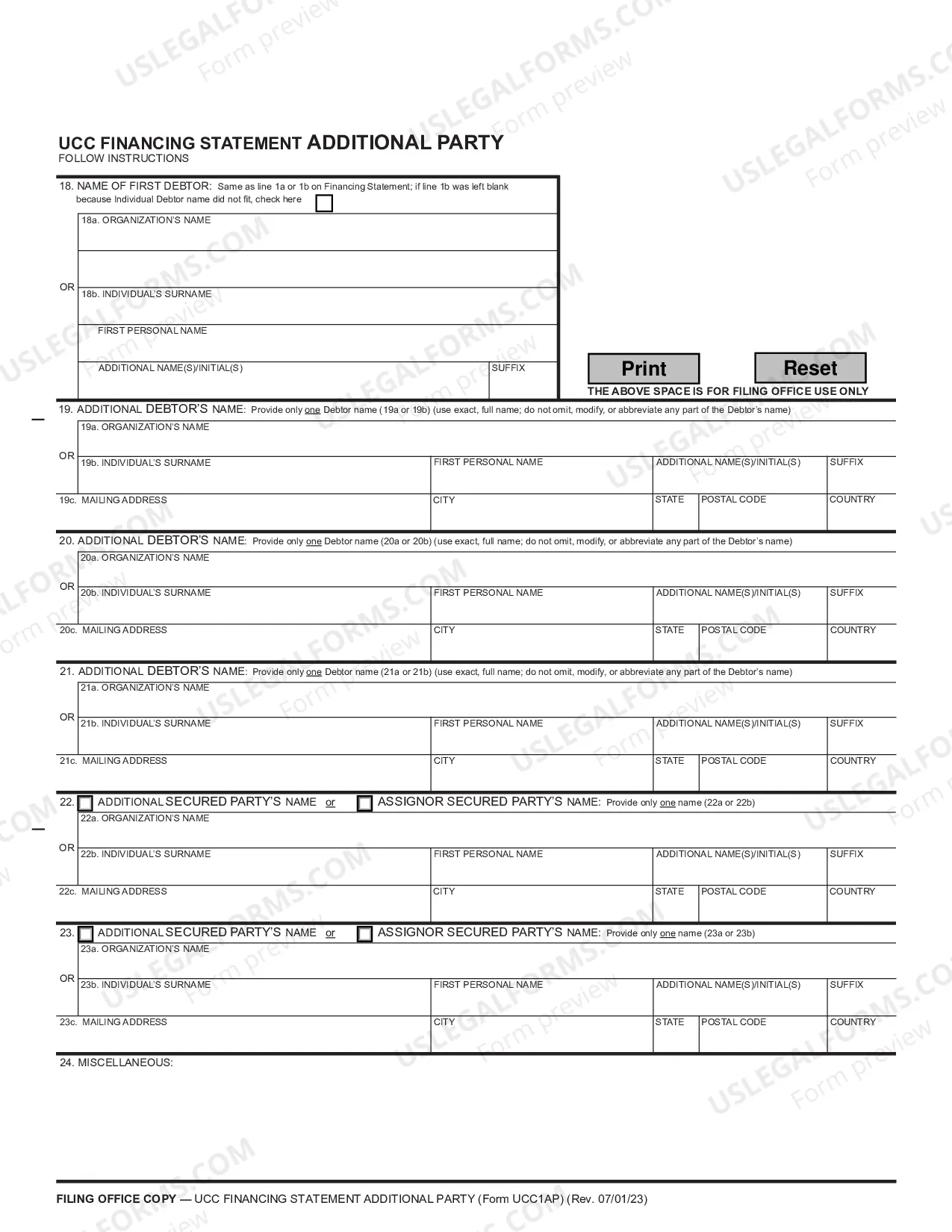
South Carolina 5 Day Notice to Pay Rent or Lease Terminates - Nonresidential or Commercial
About this form
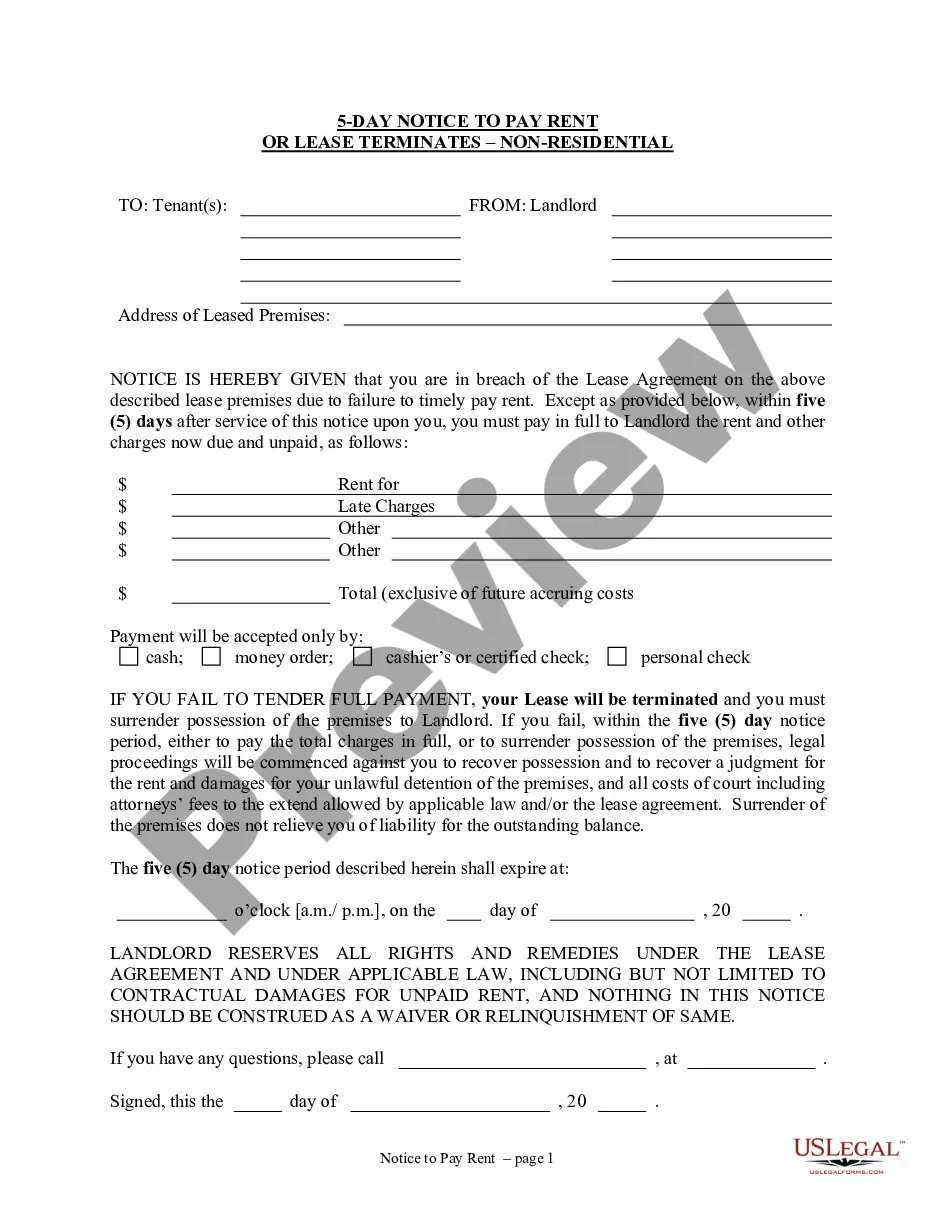
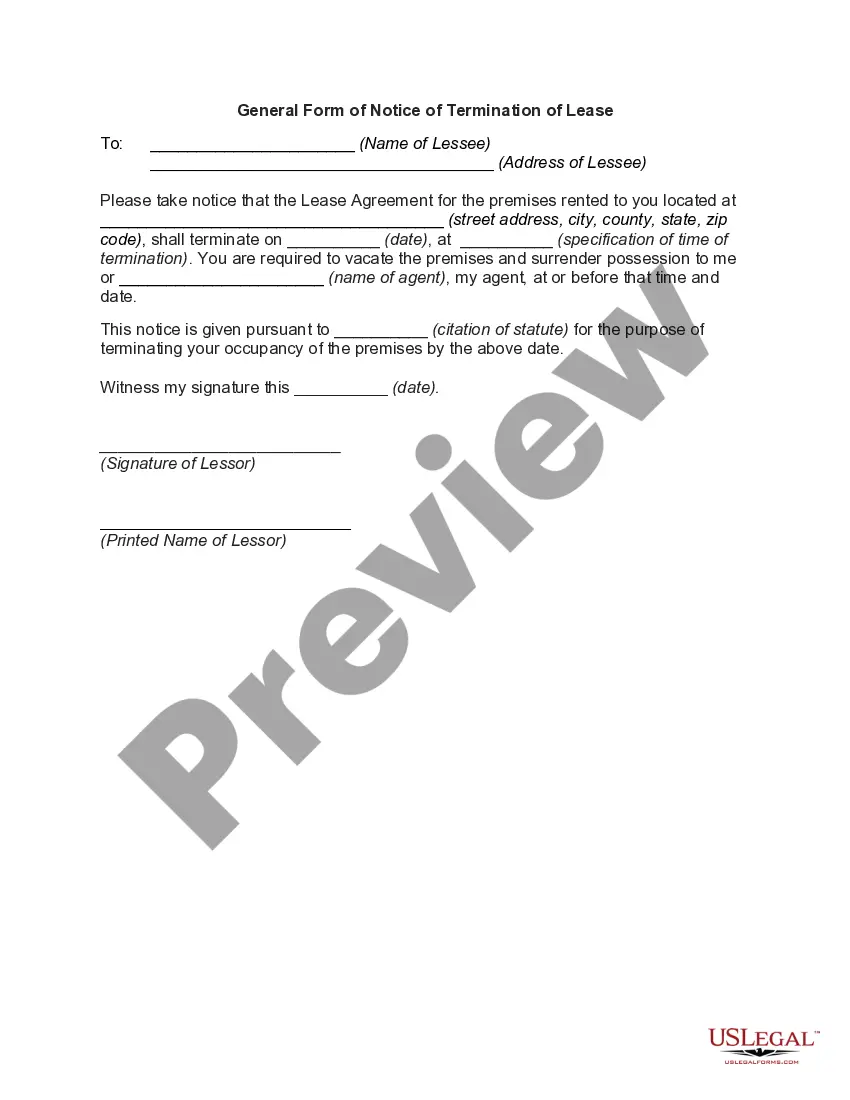
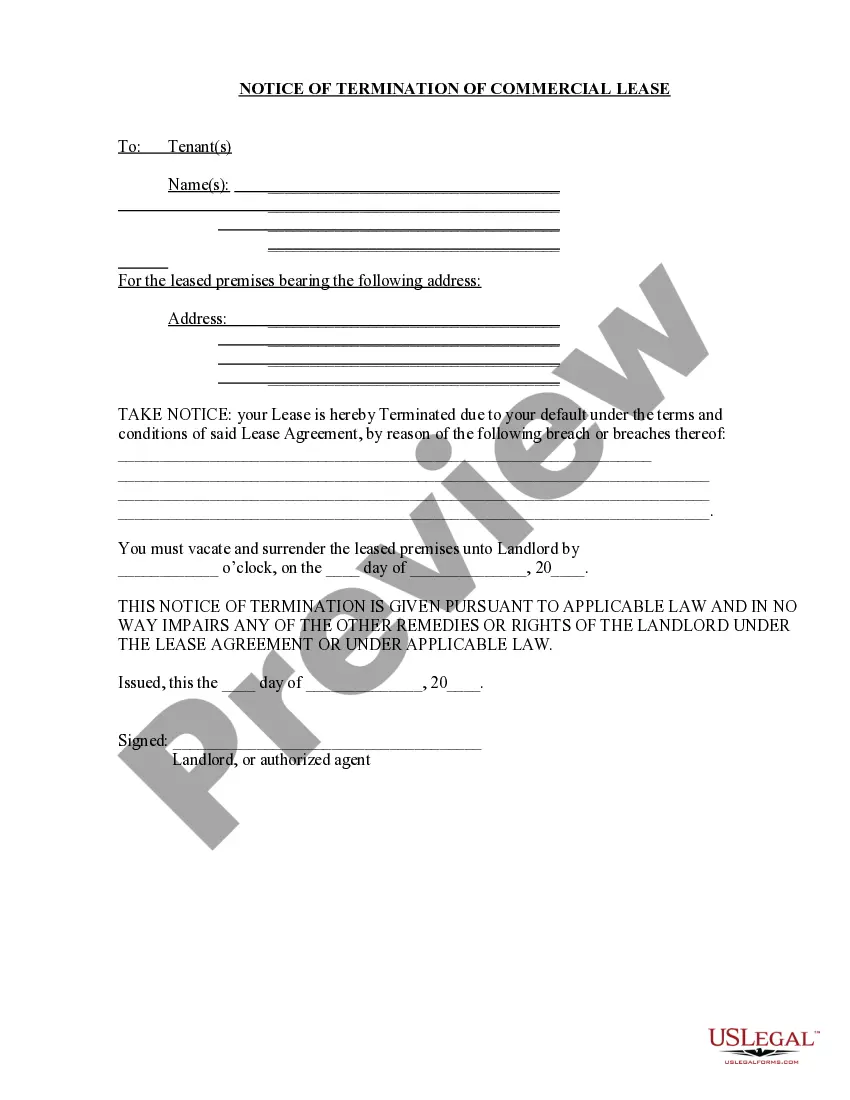
The 5 Day Notice to Pay Rent or Lease Terminates - Nonresidential or Commercial is a legal document used by a landlord to demand overdue rent from a non-residential tenant. This notice informs the tenant that they have five days to pay the overdue rent or face possible lease termination and eviction. Unlike similar forms, this particular notice is tailored for non-residential properties, which may include commercial or industrial spaces.
Key parts of this document
- Identification of the landlord and tenant, including addresses.
- Description of the leased property and the breach of the lease agreement.
- Details on the overdue rent and any late charges.
- Instructions on how to pay and the consequences of non-payment.
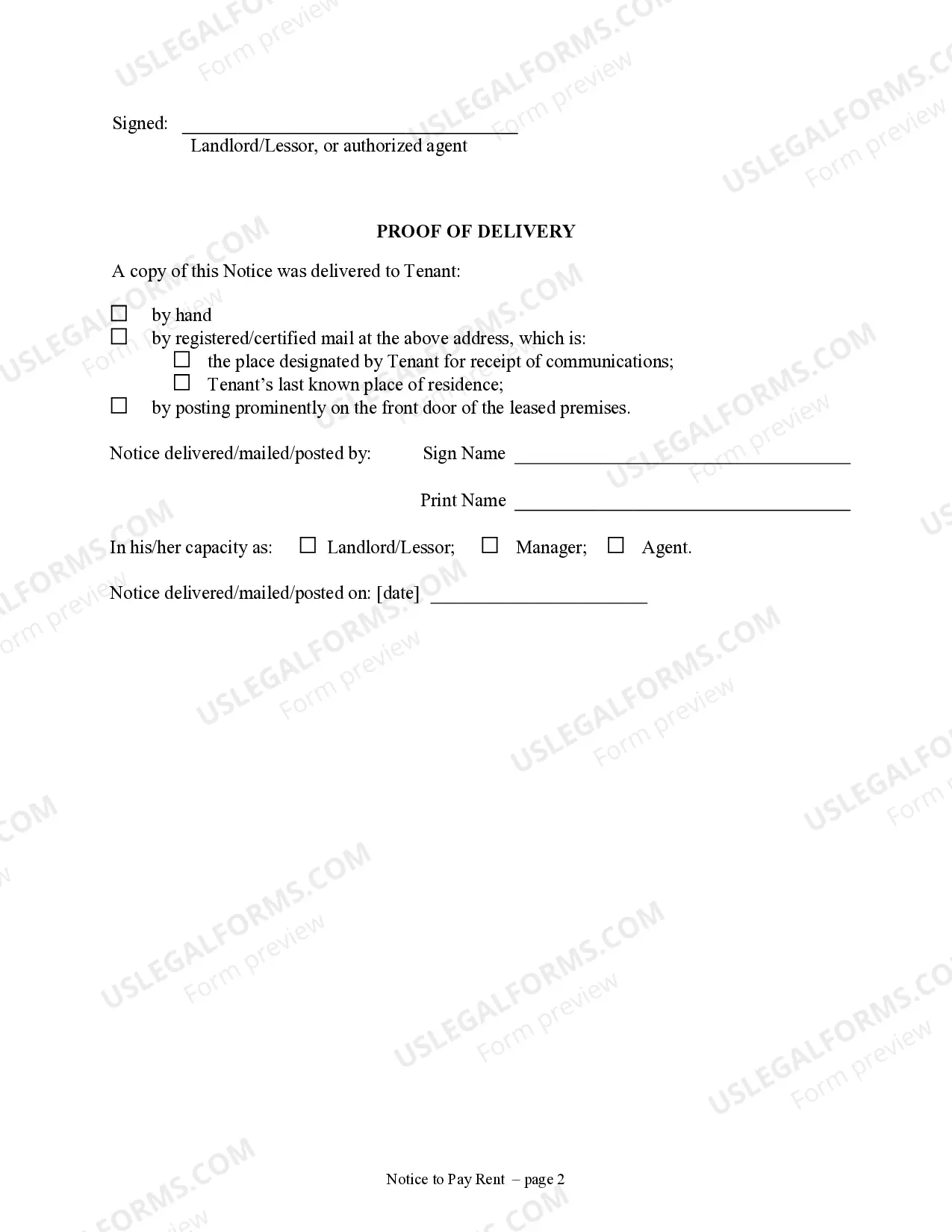
- Proof of delivery section for documenting notice delivery to the tenant.
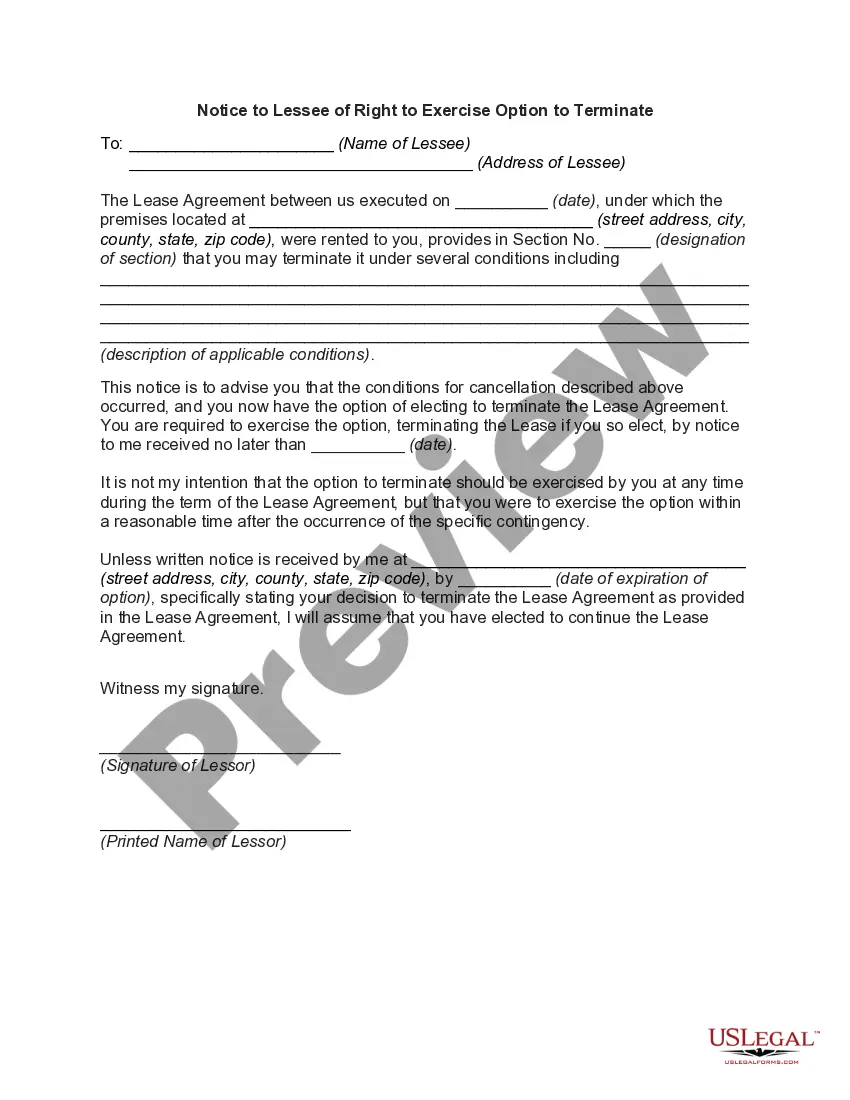


Common use cases
This form is used when a landlord needs to formally notify a non-residential tenant that they are behind on rent payments. It is appropriate to send this notice when the tenant has not complied with the rental agreement terms regarding timely payments. If the tenant fails to pay the owed rent within the five-day period, the landlord can initiate eviction proceedings or terminate the lease agreement.
Intended users of this form
- Landlords managing non-residential properties, such as commercial or industrial leases.
- Property owners who need to enforce payment terms in a lease agreement.
- Commercial property managers handling past-due rent issues.
Steps to complete this form
- Identify and fill in the landlord's name and contact information.
- Provide the tenant's name and the address of the leased premises.
- Specify the amount of overdue rent and any applicable late fees.
- Indicate the date of notice delivery and the due date for payment.
- Sign the notice and provide the method of payment accepted.
Notarization guidance
This form usually doesn’t need to be notarized. However, local laws or specific transactions may require it. Our online notarization service, powered by Notarize, lets you complete it remotely through a secure video session, available 24/7.
Get your form ready online
Our built-in tools help you complete, sign, share, and store your documents in one place.
Make edits, fill in missing information, and update formatting in US Legal Forms—just like you would in MS Word.
Download a copy, print it, send it by email, or mail it via USPS—whatever works best for your next step.
Sign and collect signatures with our SignNow integration. Send to multiple recipients, set reminders, and more. Go Premium to unlock E-Sign.
If this form requires notarization, complete it online through a secure video call—no need to meet a notary in person or wait for an appointment.
We protect your documents and personal data by following strict security and privacy standards.

Make edits, fill in missing information, and update formatting in US Legal Forms—just like you would in MS Word.

Download a copy, print it, send it by email, or mail it via USPS—whatever works best for your next step.

Sign and collect signatures with our SignNow integration. Send to multiple recipients, set reminders, and more. Go Premium to unlock E-Sign.

If this form requires notarization, complete it online through a secure video call—no need to meet a notary in person or wait for an appointment.

We protect your documents and personal data by following strict security and privacy standards.
Common mistakes to avoid
- Forgetting to include all parties' names and accurate addresses.
- Not specifying the exact dollar amount due.
- Failing to deliver the notice properly, which may invalidate the notice.
- Using the wrong timeframe for the notice period based on state laws.
Why complete this form online
- Convenient access to professionally drafted legal forms at any time.
- Editable templates that allow customization to fit individual situations.
- Reliable legal standards reflected in each form to ensure compliance.
- Quick downloading and printing for immediate use.
Looking for another form?
Form popularity
FAQ
Dear (Name of landlord or manager), This letter constitutes my written (number of days' notice that you need to give based on your lease agreement)-day notice that I will be moving out of my apartment on (date), the end of my current lease. I am leaving because (new job, rent increase, etc.)
Dear your landlord or property manager's name, I am writing to inform you I will be vacating my rental unit on date you intend to vacate. This letter meets the 30-day notice requirement outlined in my lease agreement.
With an unconditional quit notice in South Carolina, you can file an eviction lawsuit against the tenant immediately. You can also evict a tenant without them necessarily violating the lease or rental agreement. In such a case, you'll need to wait until the lease expires.
Write the title for your pay or quit notice across the top of the letter. If not included in the title, the number of days for the notice must be specified. Include the names of each of the tenants. Specify the address of the rental property.
To begin the process of a judicial eviction, a landowner must issue an eviction notice. If the squatter is doing something illegal or causing damage to the property, they can be served with an Unconditional Quit Notice. After this notice is served, the landowner can immediately file an eviction with their county court.
Full name of the tenant(s). Address of the rental unit. Date the notice was served to the tenant(s). Total amount of rent owed (cannot go back more than 1 year even if more than 1 year's worth of rent is owed).
In South Carolina, the Writ of Ejectment allows the county sheriff to remove the renter forcibly. Once issued, the renter will have five days to vacate the premises. Once evicted, you may find that the tenant has left behind some personal belongings.
Step 1: Mention the Reason for Giving a Notice. Step 2: Use Formal Language. Step 3: Mention the Date for Vacating. Step 4: Address the Formalities to Be Taken Care Of. Step 5: Proofread the Letter.
Here in SC you would give her a 20 day notice to vacate. Once 20 days are up then you've got to file the 10 day notice, then when she's still not out file for the 24 hr notice and be prepared to have someone help you move her stuff.