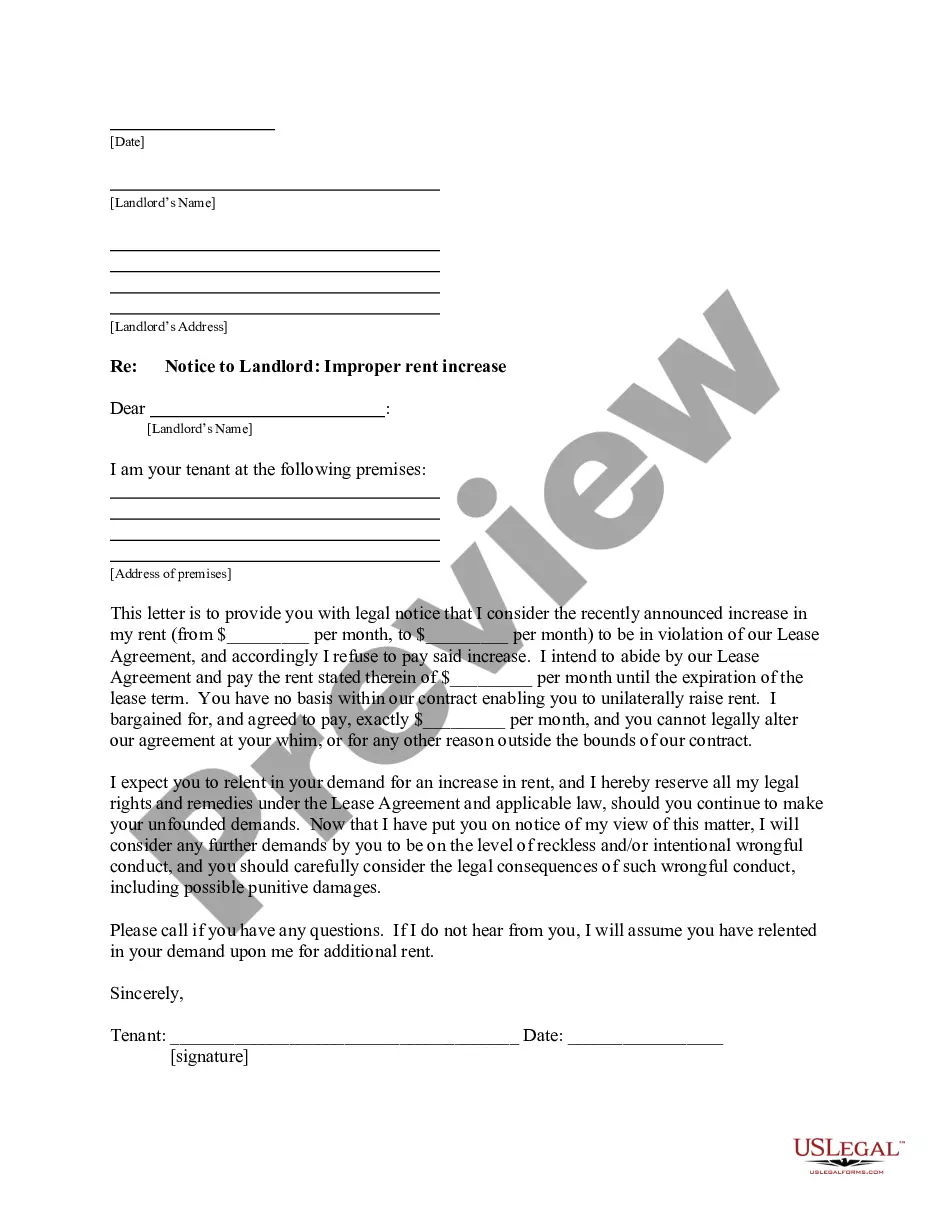
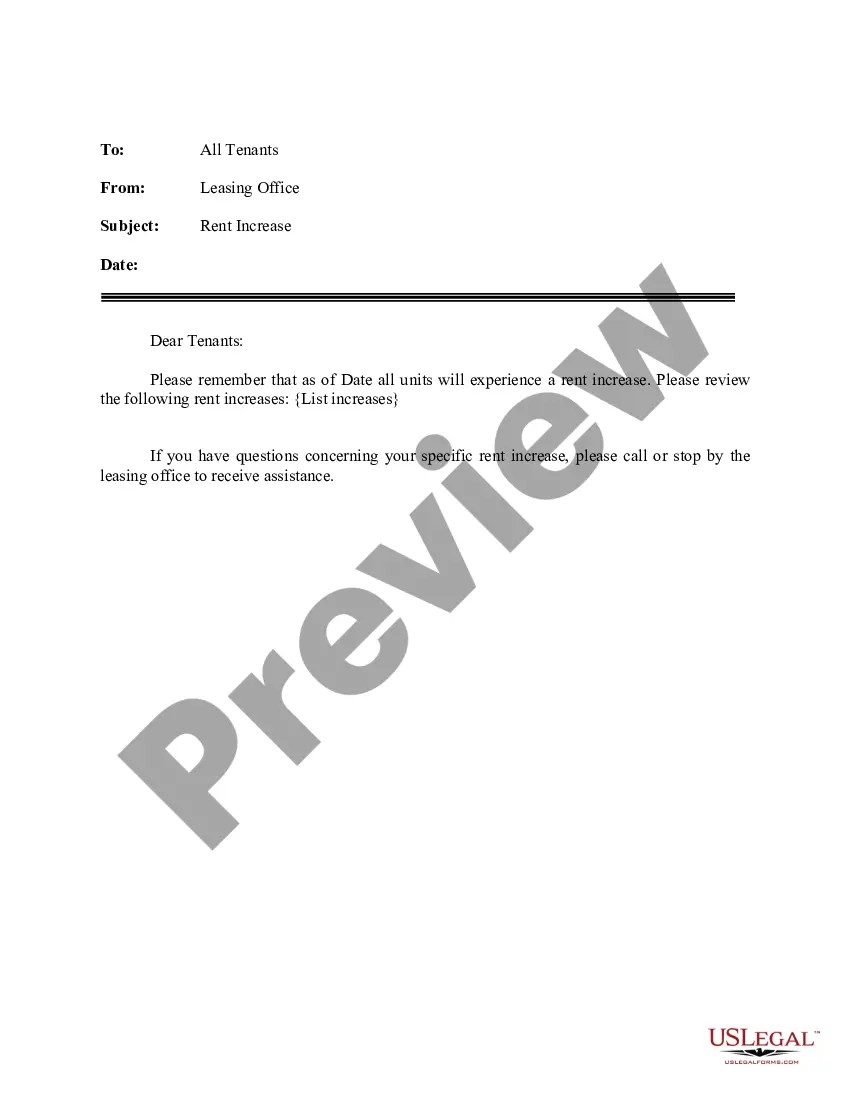
South Carolina Letter from Tenant to Landlord containing Notice to landlord to withdraw improper rent increase during lease
What is this form?
This letter from tenant to landlord serves as a formal notice to contest an improper increase in rent during a lease period. Unlike other notices, this document specifically addresses the tenant's intention to reserve legal rights if the landlord persists in demanding additional rent. It articulates the tenantâs position clearly and outlines potential consequences for the landlordâs actions, providing a clear framework for resolving the issue of rent increases.
Form components explained
- Introduction expressing the tenant's position regarding the rent increase.
- Reservation of legal rights and remedies under the Lease Agreement.
- A warning about the potential legal consequences of continued demands for increased rent.
- A statement about assuming the landlord has relented if no further demands are made.
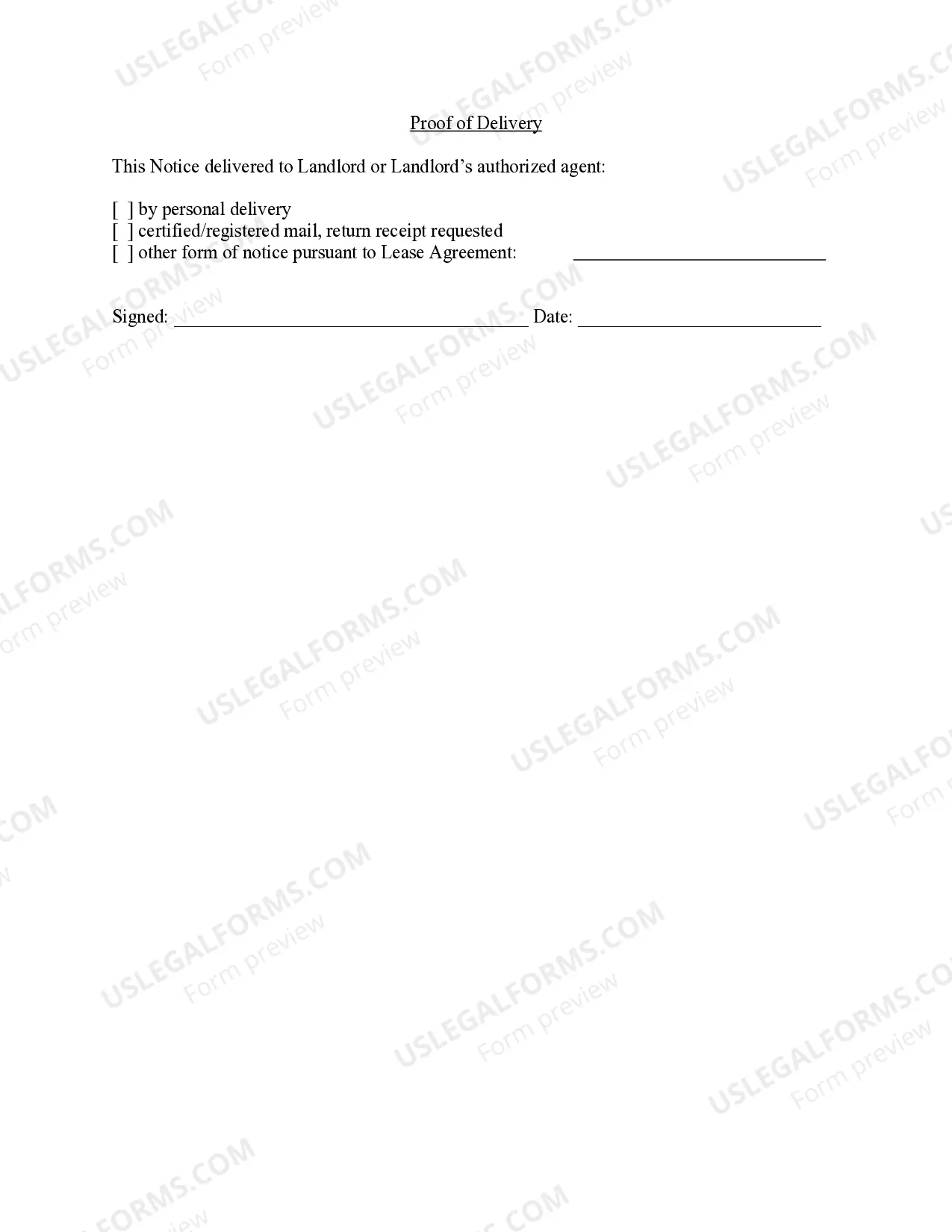
- Signature line for the tenant and date of notice delivery.
Common use cases
This form is useful when a tenant receives an improper notice of rent increase from their landlord. It should be used if the tenant believes the increase is unjustified or violates the terms of their lease agreement. This notice can help clarify the tenant's position and protect their rights in the event of a dispute regarding the rental terms.
Who needs this form
- Tenants who have received a notice of rent increase from their landlord.
- Individuals residing in rental properties and concerned about unauthorised rent hikes.
- Those who wish to formally communicate their objection to a landlord regarding a proposed rent increase.
- Renters wanting to preserve their legal rights under the lease agreement.
Steps to complete this form
- Identify the parties involved: the tenant and the landlord.
- Specify the property address in question.
- Clearly state your objection to the rent increase.
- Include a reservation of your legal rights under the lease.
- Sign and date the letter, then deliver it to the landlord or their authorized agent.
Does this document require notarization?
This form does not typically require notarization unless specified by local law. However, confirming your specific state requirements is advisable to ensure compliance.
Get your form ready online
Our built-in tools help you complete, sign, share, and store your documents in one place.
Make edits, fill in missing information, and update formatting in US Legal Forms—just like you would in MS Word.
Download a copy, print it, send it by email, or mail it via USPS—whatever works best for your next step.
Sign and collect signatures with our SignNow integration. Send to multiple recipients, set reminders, and more. Go Premium to unlock E-Sign.
If this form requires notarization, complete it online through a secure video call—no need to meet a notary in person or wait for an appointment.
We protect your documents and personal data by following strict security and privacy standards.

Make edits, fill in missing information, and update formatting in US Legal Forms—just like you would in MS Word.

Download a copy, print it, send it by email, or mail it via USPS—whatever works best for your next step.

Sign and collect signatures with our SignNow integration. Send to multiple recipients, set reminders, and more. Go Premium to unlock E-Sign.

If this form requires notarization, complete it online through a secure video call—no need to meet a notary in person or wait for an appointment.

We protect your documents and personal data by following strict security and privacy standards.
Typical mistakes to avoid
- Not clearly stating the objection to the rent increase.
- Failing to sign and date the notice.
- Omitting the property address.
- Not delivering the notice properly to the landlord.
Why complete this form online
- Convenient download and easy accessibility anytime, anywhere.
- Editability allows for customization to fit specific circumstances.
- Documents are drafted by licensed attorneys for reliability.
- Secure storage options for your information and completed forms.
Legal use & context
- The notice serves as documentation of the tenant's objection to assert their legal rights.
- It may be used as evidence if the dispute escalates to legal proceedings.
Quick recap
- This letter is essential for tenants wanting to formally contest a rent increase.
- Proper completion and delivery provide legal protection for the tenant's rights.
- Understanding state-specific rules can enhance the effectiveness of the communication.
Looking for another form?
Form popularity
FAQ
Your name, and the landlord's name and address. The date you're writing the letter. Informing the landlord you're breaking your lease early. The reason why you're breaking your lease. The building and apartment you're vacating. The date by which you're vacating.
The landlord verification form is a document used by a landlord when verifying the previous rental information of an applicant for tenancy. The requesting landlord must send the form to the applicant's current or past landlord in order to obtain all details related to the tenancy of the individual.
Tenant's name. Property address. Landlord name and contact information. Date the letter is written. Date the rent increase will take effect. Amount of rent increase. Current cost of rent.
The date that the tenant warning letter was written. The name and the basic personal information of the tenant. The name of the landlord or the owner of the property. The reason why a tenant warning letter has been written.
Notice to Pay or Quit. Another common landlord letter to tenants is the notice to pay or quit.Include the date by which the tenant must pay or fix the issues. Send this notice by certified mail, as this will act as a record of your attempt to correspond with your tenant.
State the purpose of the letter. In the first paragraph, explain that you are writing to verify that the tenants live on your property. Also include the address where they live. For example, you can write, I am writing to confirm that Mr.
The rental property address, including unit number (if applicable) The names of all tenants on the lease agreement. The date the lease violation notice was written. The specific reason for the notice. The time and date the violation occurred (if applicable)
A rental verification helps landlords and property managers to verify the rental history of their applicant. This is done through a background check combined with a phone call verification.Calling the previous and current landlord is an important step of the rental verification.
A lease is automatically void when it is against the law, such as a lease for an illegal purpose. In other circumstances, like fraud or duress, a lease can be declared void at the request of one party but not the other.