Oregon Revocation of Statutory Equivalent of Living Will or Declaration - Request for Medication to End Life
Understanding this form
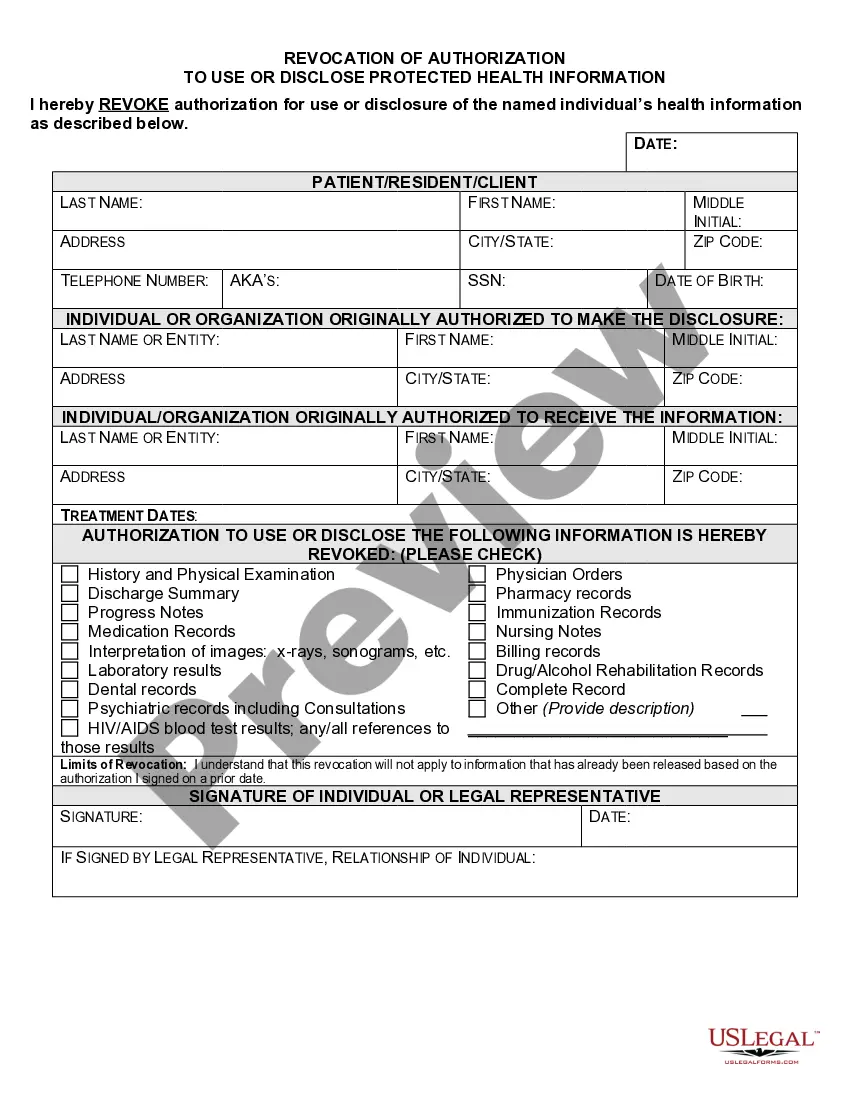
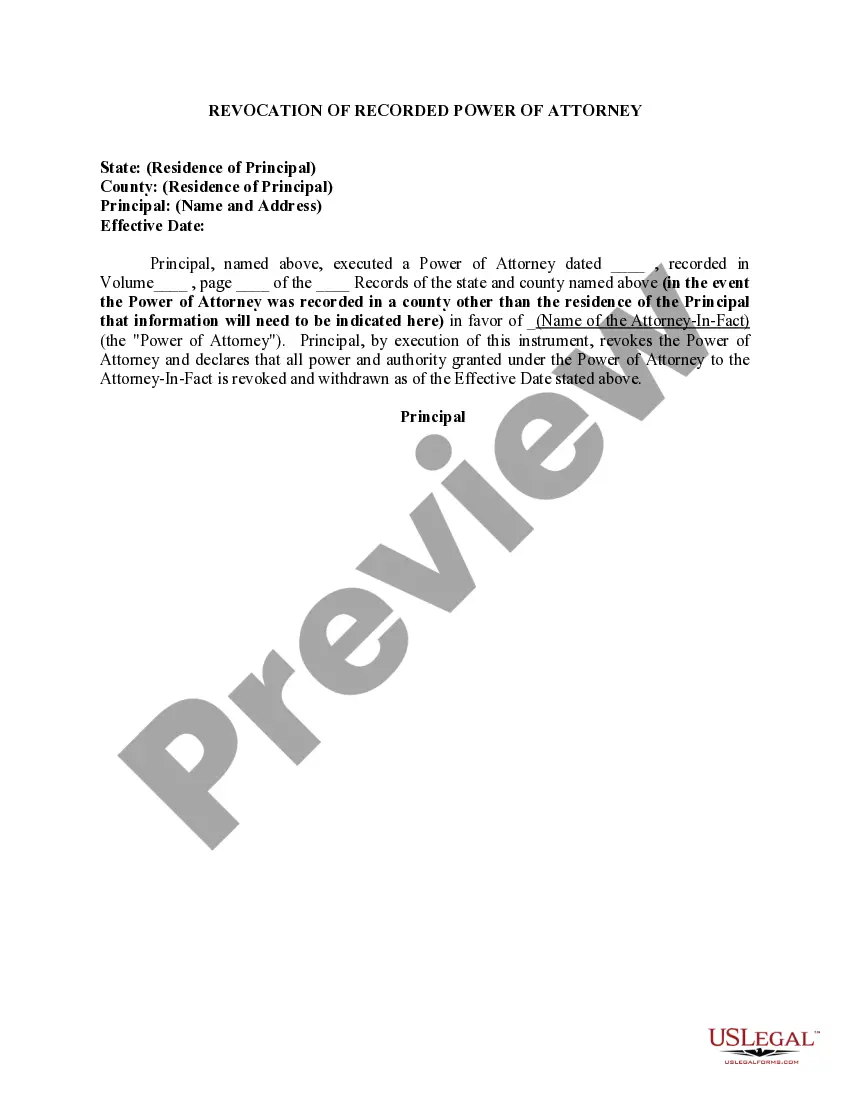
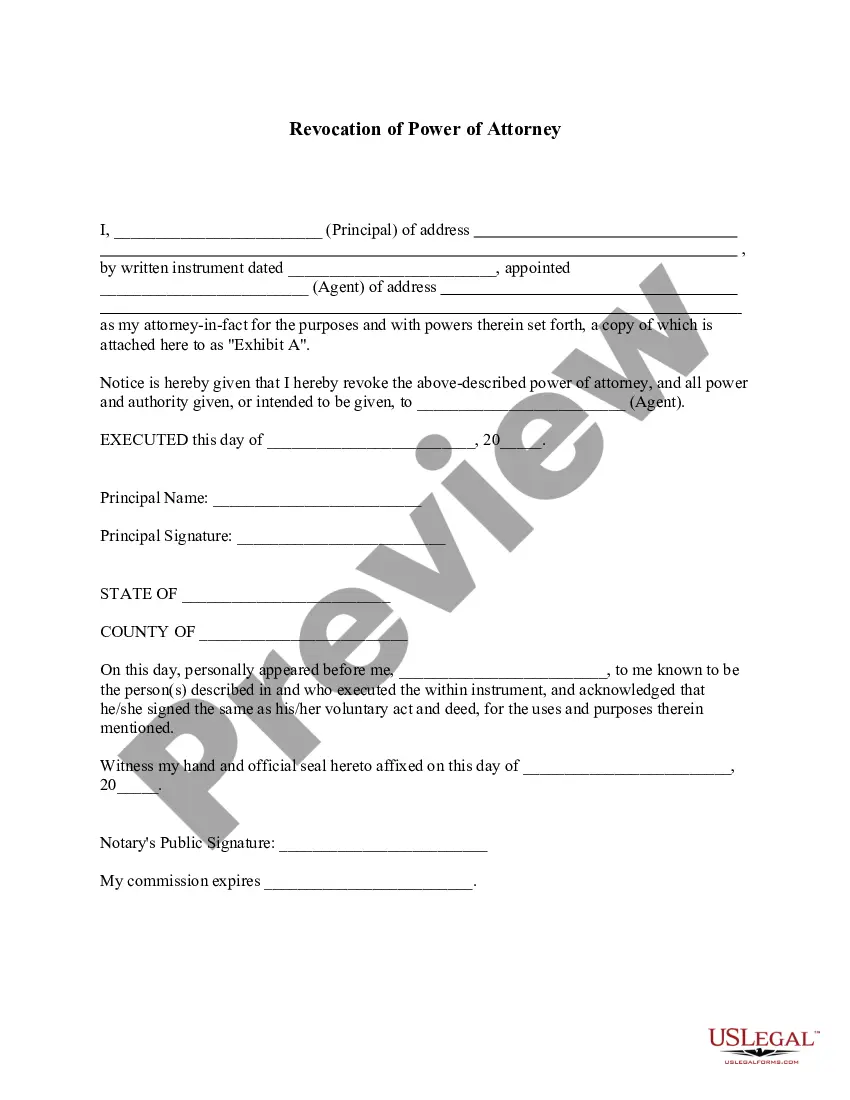
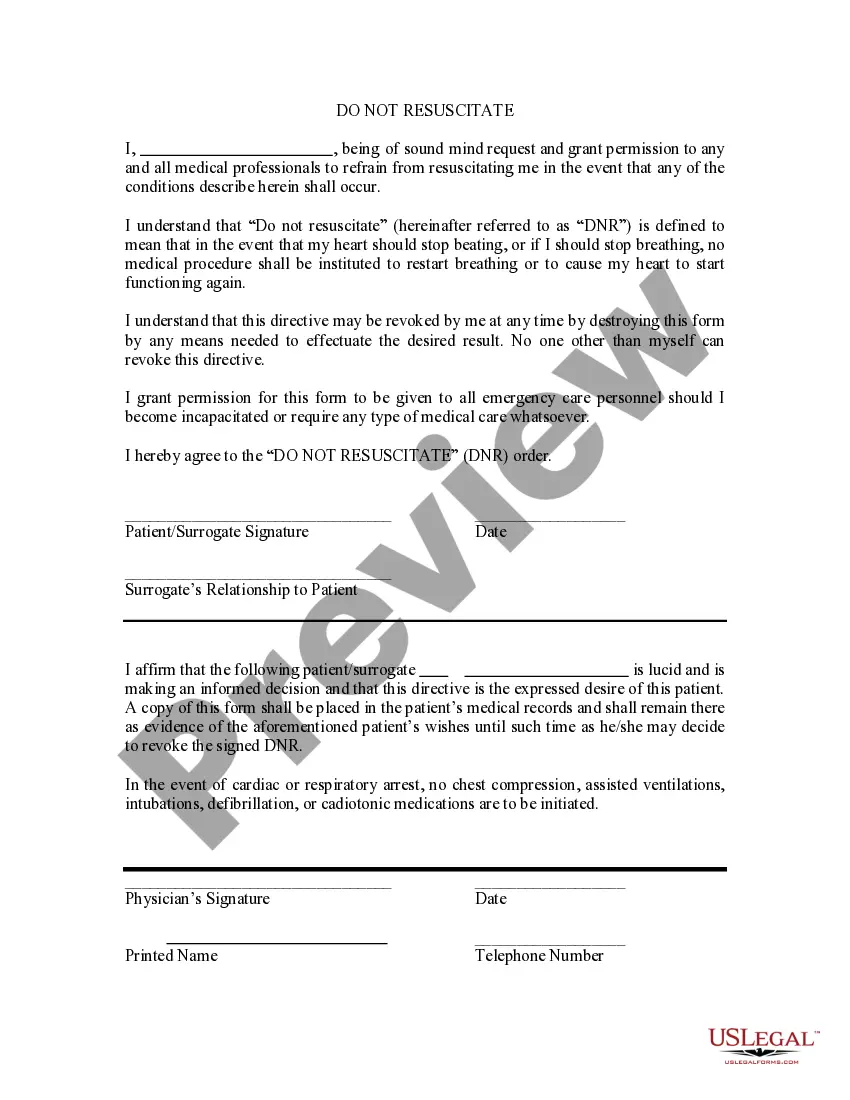
The Revocation of Statutory Equivalent of Living Will or Declaration - Request for Medication to End Life is a legal document that allows you to formally rescind a previous request to end your life through medical assistance. This form is designed for individuals who may have initially completed a Request for Medication to End Life in accordance with state law but have decided to withdraw that request. Unlike similar forms, this document specifically addresses the revocation of a living will, ensuring that your current wishes are clearly communicated and respected.
Main sections of this form
- Declarant's name and identification details
- Date of the original request for medication to end life
- Explicit statement of revocation of the previous request
- Date of revocation
- Signature and printed name of the declarant
- Declarant's address
When this form is needed
This form should be used if you have previously submitted a request for medication to end your life and wish to revoke that decision. You might consider using this form if your circumstances change, if you experience a shift in your health, or if you simply change your mind about the request.
Intended users of this form
- Individuals who have completed a Request for Medication to End Life
- Persons wanting to ensure their current wishes regarding end-of-life decisions are documented
- Patients with changing health conditions who want to withdraw their prior request for assisted death
- Families or representatives of individuals considering revoking such requests
How to complete this form
- Identify yourself by entering your full name in the designated field.
- Specify the date on which you submitted the original request.
- Clearly state your intention to revoke the previous request.
- Sign and date the revocation section to formally document your decision.
- Provide your address to ensure correct identification.
Notarization requirements for this form
This form does not typically require notarization unless specified by local law. However, it is advisable to keep a written record of your revocation to ensure your wishes are respected.
Get your form ready online
Our built-in tools help you complete, sign, share, and store your documents in one place.
Make edits, fill in missing information, and update formatting in US Legal Forms—just like you would in MS Word.
Download a copy, print it, send it by email, or mail it via USPS—whatever works best for your next step.
Sign and collect signatures with our SignNow integration. Send to multiple recipients, set reminders, and more. Go Premium to unlock E-Sign.
If this form requires notarization, complete it online through a secure video call—no need to meet a notary in person or wait for an appointment.
We protect your documents and personal data by following strict security and privacy standards.

Make edits, fill in missing information, and update formatting in US Legal Forms—just like you would in MS Word.

Download a copy, print it, send it by email, or mail it via USPS—whatever works best for your next step.

Sign and collect signatures with our SignNow integration. Send to multiple recipients, set reminders, and more. Go Premium to unlock E-Sign.

If this form requires notarization, complete it online through a secure video call—no need to meet a notary in person or wait for an appointment.

We protect your documents and personal data by following strict security and privacy standards.
Avoid these common issues
- Failing to sign or date the form, which can render it invalid.
- Not providing a complete name or identifying information.
- Overlooking the requirement to inform all parties involved of the revocation.
Advantages of online completion
- Easy access to legal forms drafted by licensed attorneys.
- Quick and convenient download, allowing for immediate use.
- Edit the form as necessary to reflect your personal information.
Legal use & context
- This form serves as a legally recognized method of revoking a previous end-of-life request.
- Completing this form ensures clear communication of your current wishes to healthcare providers and family members.
- Using this revocation form helps protect against the enforcement of outdated requests.
Key takeaways
- The form allows you to formally rescind a prior request for assisted end-of-life medication.
- Completing the form correctly is crucial for legal validity.
- It is important to communicate the revocation to all relevant parties.
Looking for another form?
Form popularity
FAQ
It is set in the U.S. state of Oregon and covers the state's Death with Dignity Act that allows terminally ill patients to self-administer barbiturates prescribed by their physician to end their own life, referred to as assisted suicide by opponents and medical aid in dying by proponents.
Washington state has reported 20 lab-confirmed influenza-related deaths for the 2017-2018 season, as of Dec.
Flu deaths rising, 2100 deaths nationwide in 2019. PORTLAND, Ore.
In a 6-3 decision the US Supreme Court last week upheld Oregon's law on doctor assisted suicide. The dissenters were the chief justice, John Roberts, and judges Anthony Scalia and Clarence Thomas.
The Oregon Death with Dignity Act (DWDA) allows a terminally ill person to get a prescription from a doctor that they can use to end their life. (The DWDA specifically says that people who use the DWDA are not committing suicide.)
Oregon, 546 U.S. 243 (2006), was a landmark decision of the US Supreme Court which ruled that the United States Attorney General cannot enforce the federal Controlled Substances Act against physicians who prescribed drugs, in compliance with Oregon state law, to terminally ill patients seeking to end their lives,
Today, the recommended protocol is a four-drug cocktail of diazepam (Valium), the painkiller morphine, the heart medication digoxin and the antidepressant amitriptyline, which costs around $700 to $750, said Robert Wood, a retired internist who has worked with the Seattle-based organization End of Life Washington for
On October 27, 1997, Oregon legalized physician-assisted suicide. We collected data on all terminally ill Oregon residents who received prescriptions for lethal medications under the Oregon Death with Dignity Act and who died in 1998.
