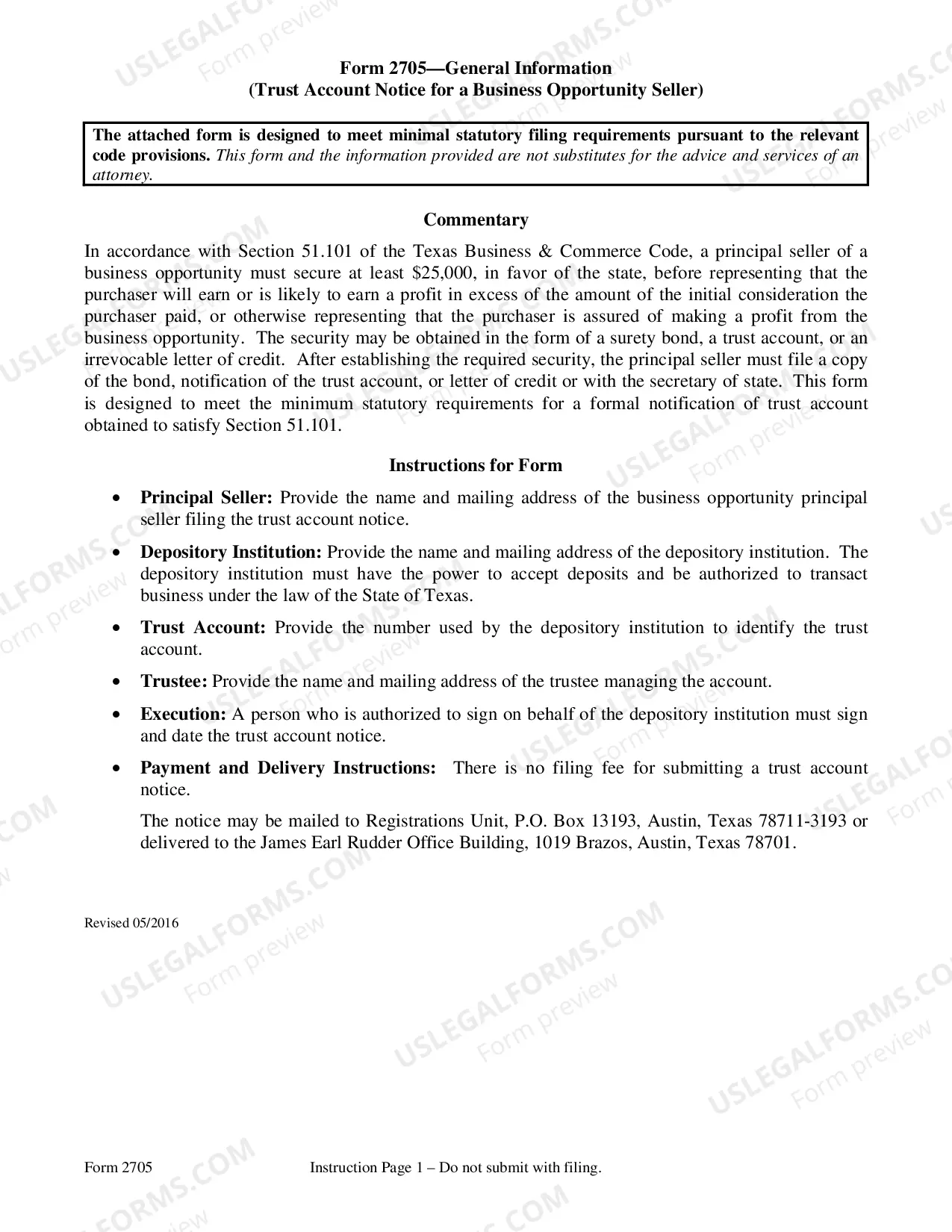
Nevada 5 Day Notice to Pay Rent or Lease Terminates - Residential
What is this form?
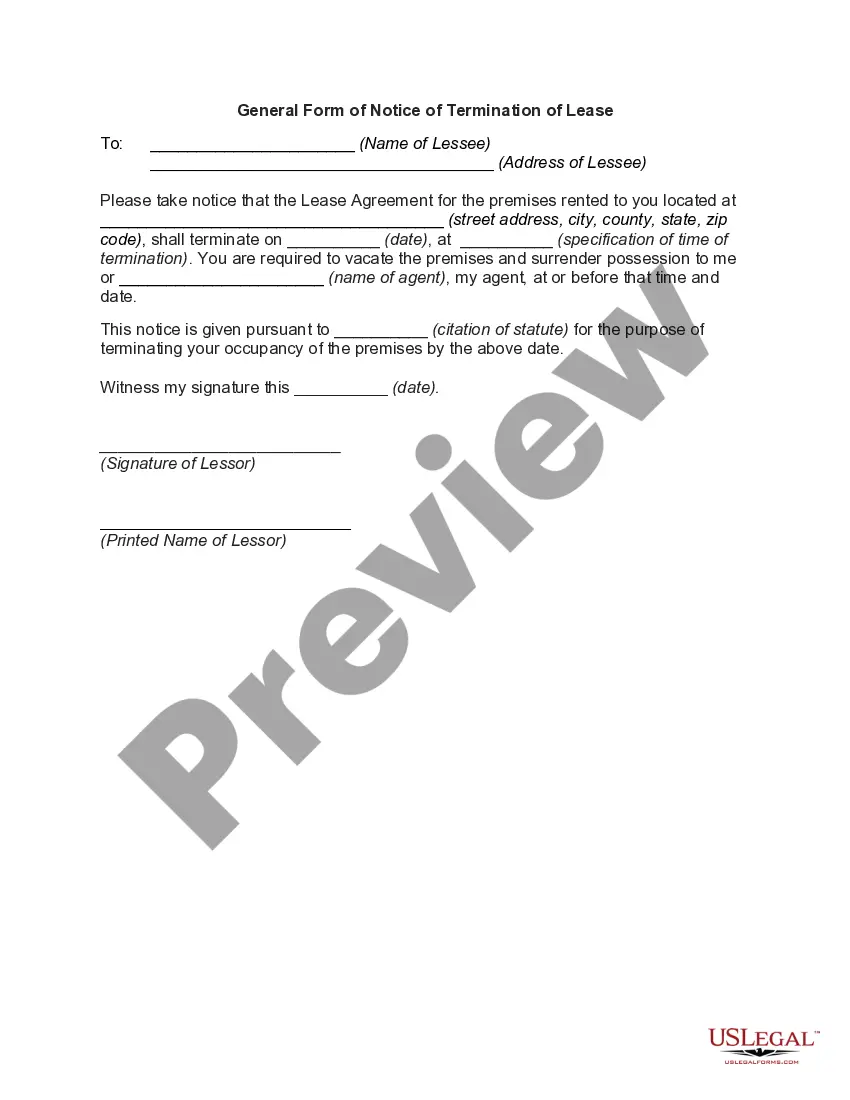
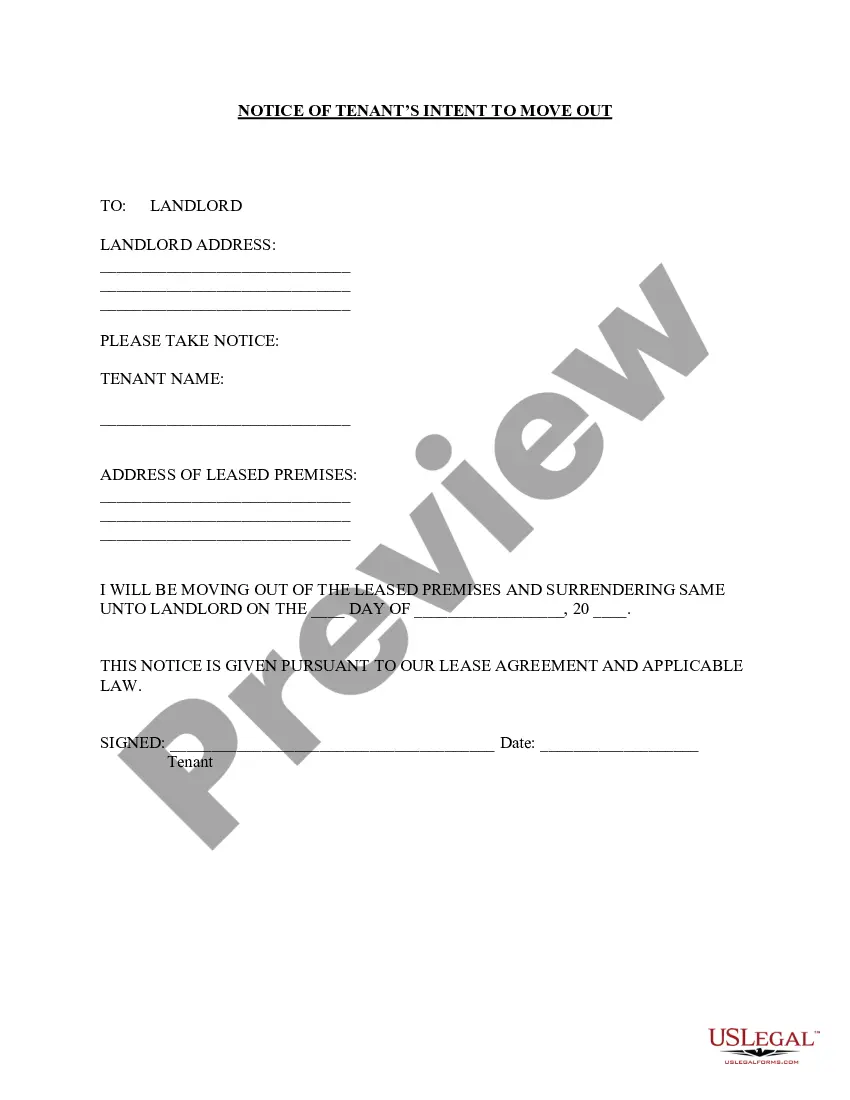
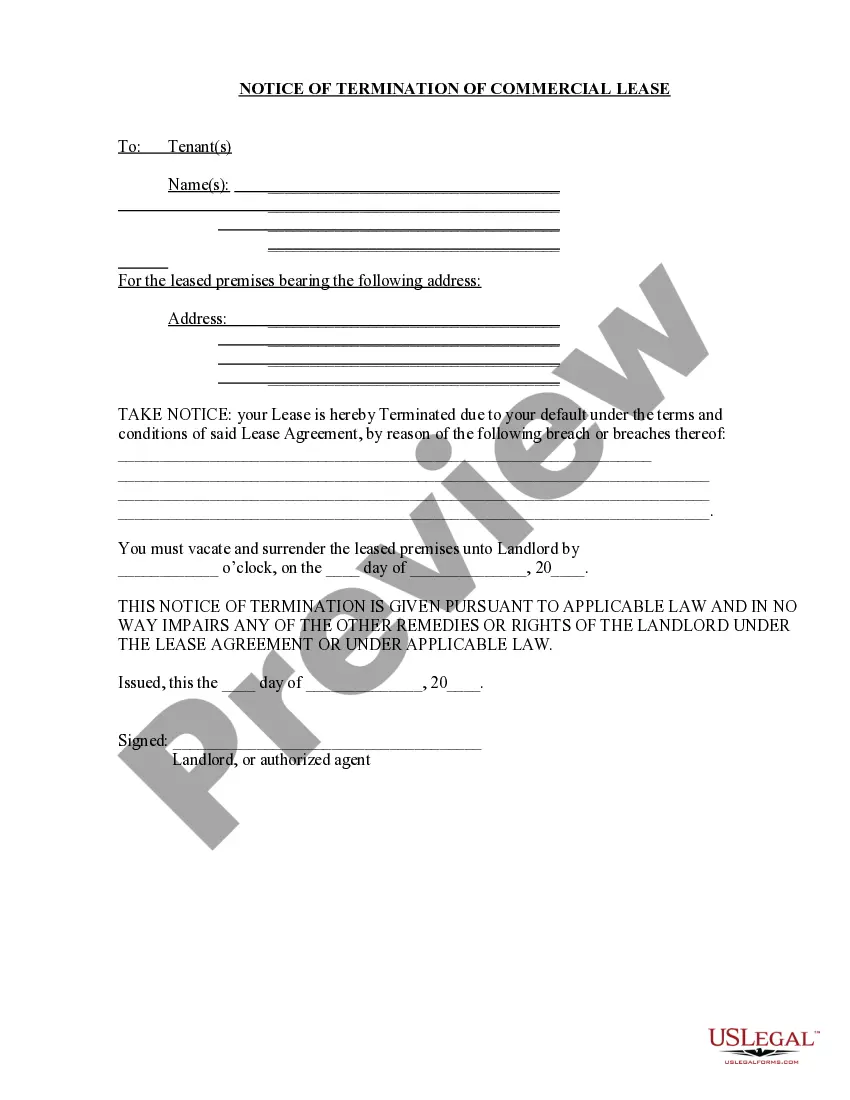
The 5 Day Notice to Pay Rent or Lease Terminates - Residential is a legal document used by landlords to formally request overdue rent from a residential tenant. This notice demands that the tenant pay the rent within five days or face possible termination of the lease. It informs the tenant of their rights and obligations, including the consequences of failing to pay, which can lead to eviction proceedings. This form is critical for landlords seeking to enforce lease agreements legally and efficiently.
Main sections of this form
- Identification of parties: Specifies the landlord and tenant names.
- Details of the leased premises: Includes the address of the rental property.
- Amounts due: Lists the overdue rent and any additional charges owed by the tenant.
- Payment instructions: Outlines acceptable methods of payment for overdue amounts.
- Consequences of non-payment: Details what will happen if the tenant fails to pay within the five-day period.
- Proof of delivery: Provides options for how the notice is delivered to the tenant.
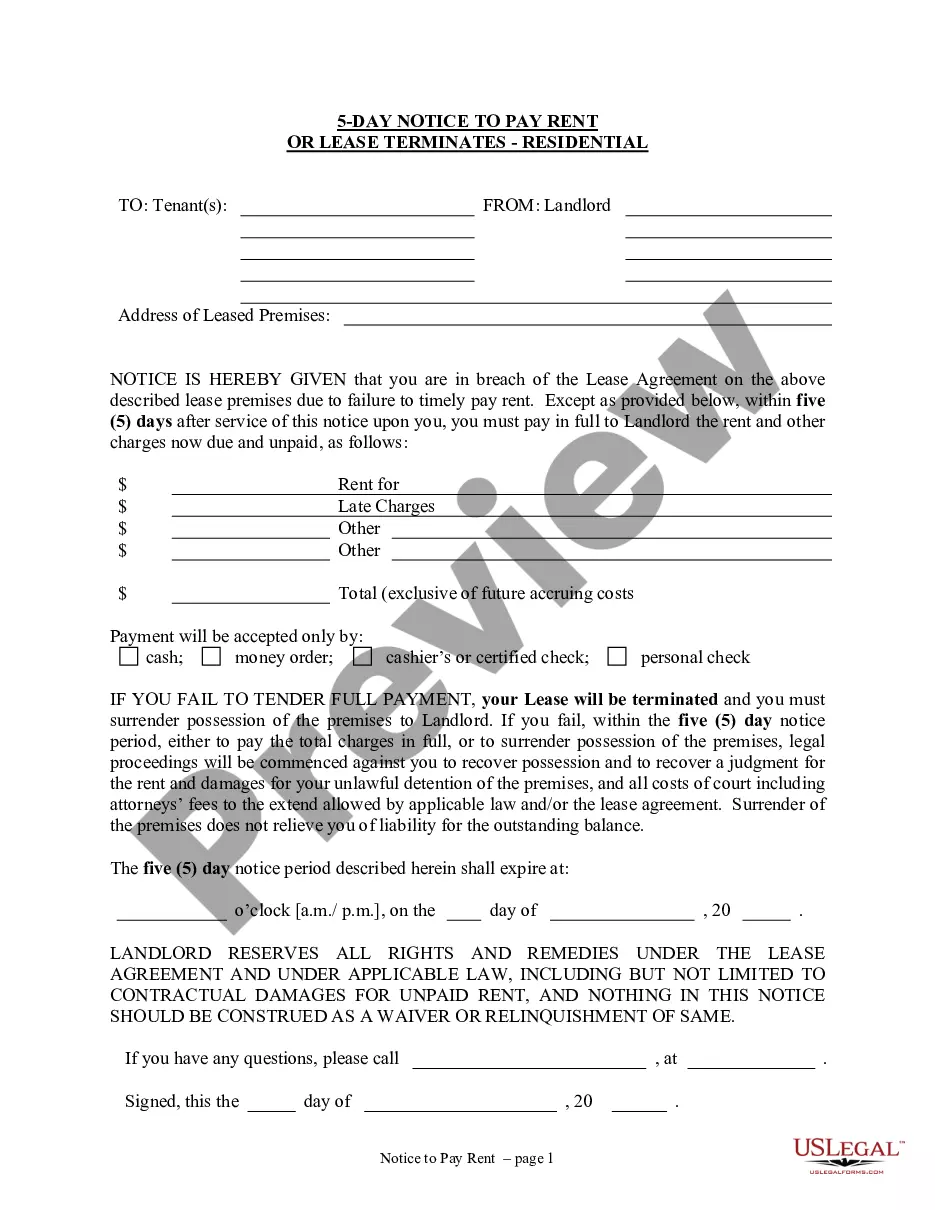

When to use this document
This form should be used when a landlord has not received rent payment from a tenant for a residential property. It is typically issued after the due date has passed, and the landlord wishes to take formal action to recover the overdue rent. If the tenant does not respond within the five-day notice period, the landlord may proceed with eviction or lease termination actions.
Who needs this form
- Residential landlords who need to collect overdue rent from tenants.
- Property managers acting on behalf of landlords to enforce lease terms.
- Landlords seeking to provide formal notification of lease violations regarding payment.
Completing this form step by step
- Identify the parties: Enter the names of the landlord and tenant.
- Specify the property: Include the address of the rental property.
- Enter amounts due: Clearly state the total rent, late charges, and any other amounts owed.
- Select payment methods: Indicate how payment can be made (cash, money order, checks).
- Set the deadline: Specify the exact date by which payment must be made.
- Sign the notice: The landlord must sign and date the notice to make it official.
Does this form need to be notarized?
This form does not typically require notarization to be legally valid. However, some jurisdictions or document types may still require it. US Legal Forms provides secure online notarization powered by Notarize, available 24/7 for added convenience.
Get your form ready online
Our built-in tools help you complete, sign, share, and store your documents in one place.
Make edits, fill in missing information, and update formatting in US Legal Forms—just like you would in MS Word.
Download a copy, print it, send it by email, or mail it via USPS—whatever works best for your next step.
Sign and collect signatures with our SignNow integration. Send to multiple recipients, set reminders, and more. Go Premium to unlock E-Sign.
If this form requires notarization, complete it online through a secure video call—no need to meet a notary in person or wait for an appointment.
We protect your documents and personal data by following strict security and privacy standards.

Make edits, fill in missing information, and update formatting in US Legal Forms—just like you would in MS Word.

Download a copy, print it, send it by email, or mail it via USPS—whatever works best for your next step.

Sign and collect signatures with our SignNow integration. Send to multiple recipients, set reminders, and more. Go Premium to unlock E-Sign.

If this form requires notarization, complete it online through a secure video call—no need to meet a notary in person or wait for an appointment.

We protect your documents and personal data by following strict security and privacy standards.
Typical mistakes to avoid
- Failing to provide proper delivery of the notice to the tenant.
- Not including all overdue amounts, such as late fees.
- Missing the deadline for issuing the notice based on state laws.
- Not retaining a copy of the notice for personal records.
Why complete this form online
- Convenience: Access and complete the form from anywhere without needing to visit a lawyer.
- Editability: Make changes easily if circumstances or amounts due change.
- Reliability: Forms are drafted by licensed attorneys to ensure legality and correctness.
- Time-saving: Downloadable format speeds up the process of issuing notices to tenants.
Legal use & context
- This form is enforceable in residential landlord-tenant disputes regarding unpaid rent.
- Landlords must follow state-specific regulations to avoid legal pitfalls during eviction processes.
- Using this form properly can help expedite the recovery of unpaid rent and protect the landlord's rights.
Key takeaways
- The 5 Day Notice to Pay Rent is a critical tool for landlords managing overdue rent.
- Timely delivery and proper completion of the form are essential for legal enforcement.
- Landlords should be aware of state-specific regulations concerning notice periods and tenant rights.
Looking for another form?
Form popularity
FAQ
A landlord cannot legally evict you without a court order, whether or not you have a lease.) How long does it take for a landlord to evict a tenant? A landlord can evict a tenant only by going through a formal eviction proceeding, which can take a few weeks from start to finish.
Evicting a tenant in Colorado can take around 2 weeks to 4 months, depending on whether the eviction is for illegal activity or another type of eviction. If the tenant files an answer with the court, the process could take longer (read more).
A landlord can evict a tenant in Nevada if the tenant fails to pay rent on time. The landlord must give the tenant a written eviction notice informing the tenant that rent is due and that the tenant has five days to pay the rent or move out of the rental unit.
Substantial Violation If the landlord is evicting the tenant for any of these reasons, the landlord must give the tenant a three-day notice to quit. (Colo. Rev.If the tenant does not move out of the rental unit by the end of three days, then the landlord can file an eviction lawsuit against the tenant.
Evictions may take anywhere from 10 to 180 days, depending on the circumstances of the case. You may use the Constable's Office or a licensed process server. Nevada Revised Statute 118A. 390 makes it illegal for a landlord to use "self-help evictions" to carry out an eviction.
In Colorado, evictions are sometimes referred to as forcible entry & detainer (FED). Before you can file for eviction, you must generally provide 10 days' notice (increased from 3 days prior) for tenants to correct a deficiency or leave the property, except in certain circumstances.
Nevada's new eviction ban prevents protected tenants from being evicted from residential properties through March 31, 2021. Importantly, the ban is not automatic so tenants must take action to protect themselves.
State law regulates several rent-related issues, including late and bounced-check fees, the amount of notice (at least 45 days in Nevada) landlords must give tenants to raise the rent, and how much time (five days in Nevada) a tenant has to pay overdue rent or move before a landlord can file for eviction.