Nevada Letter from Tenant to Landlord containing Notice to landlord to withdraw improper rent increase during lease
What is this form?
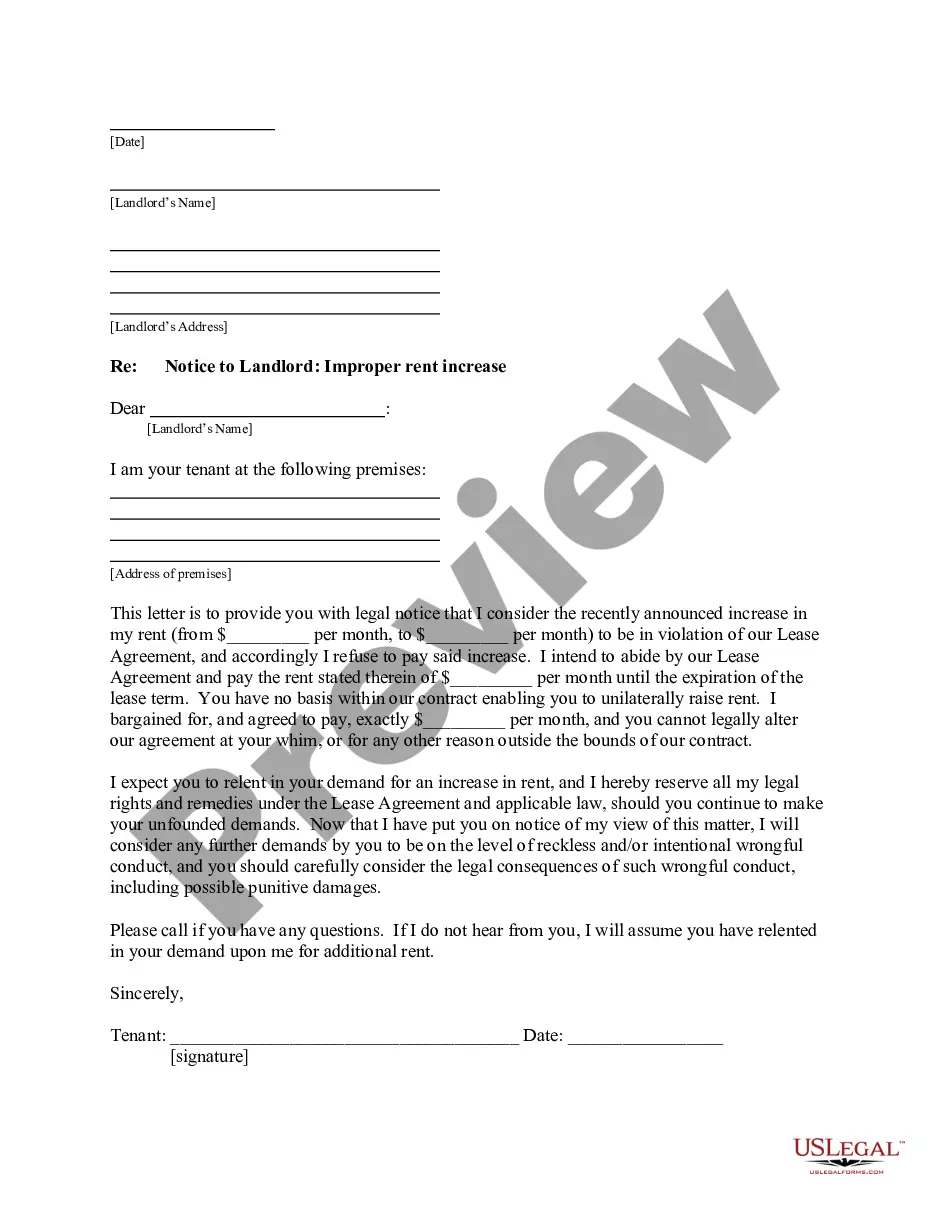
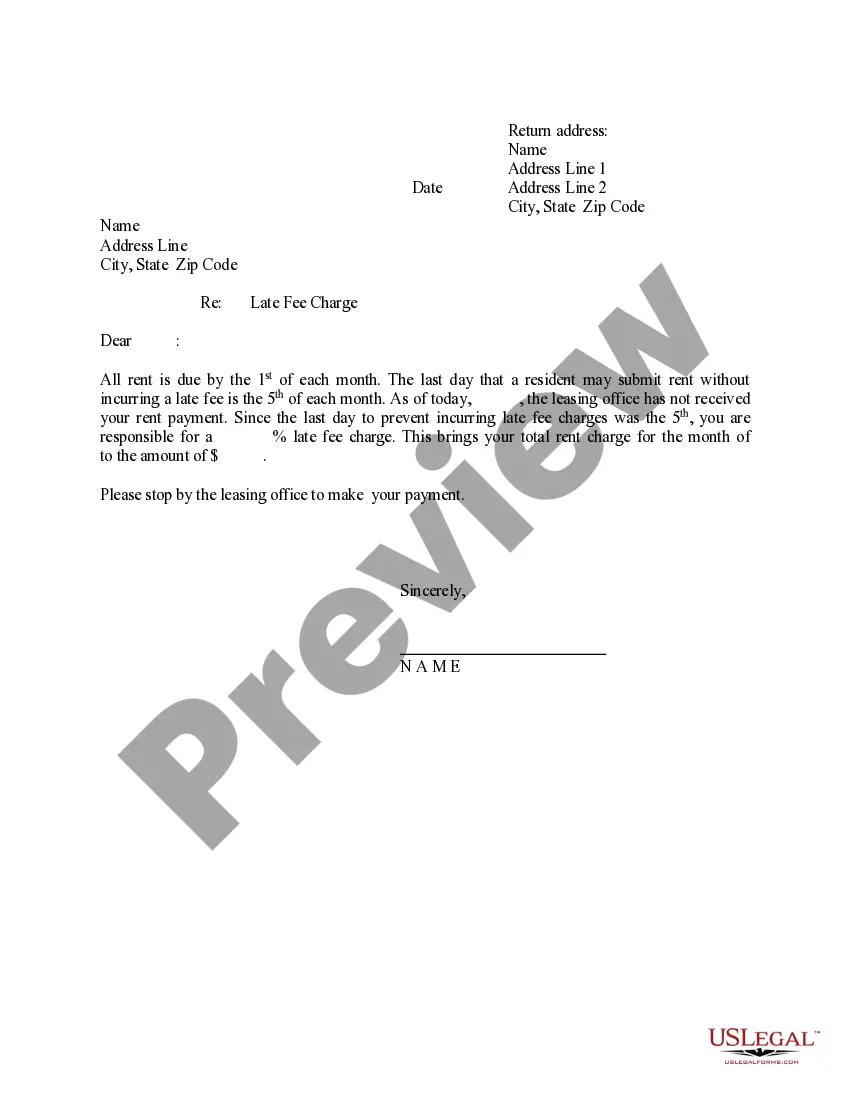
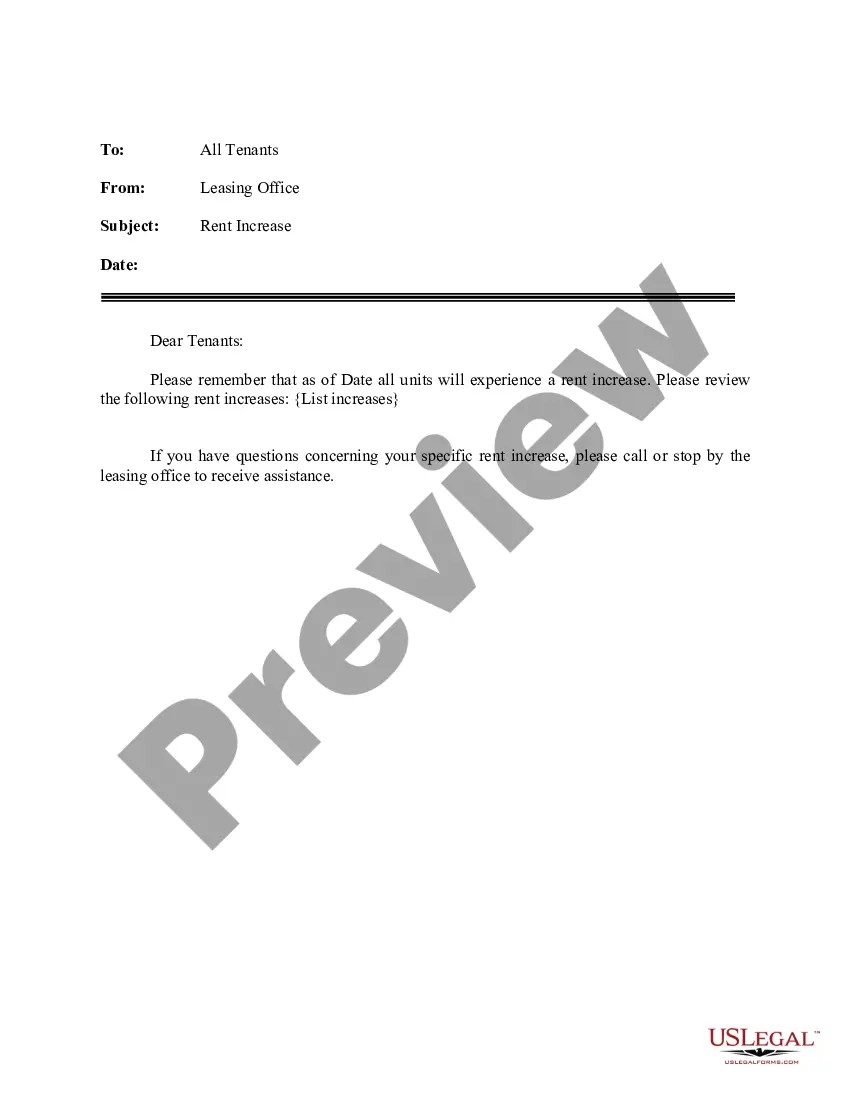
This document is a Letter from Tenant to Landlord containing Notice to withdraw an improper rent increase during a lease. It serves to formally notify the landlord of the tenant's objections to a proposed rent increase, asserting the tenant's rights under the lease agreement and local laws. This form differs from other landlord-tenant communication as it focuses specifically on disputing a rent hike while the lease is active or approaching renewal.
Key components of this form
- Identification of the tenant and landlord
- Statement of objection to the rent increase
- Reservation of rights under the lease agreement
- Implications of continued demands for increased rent
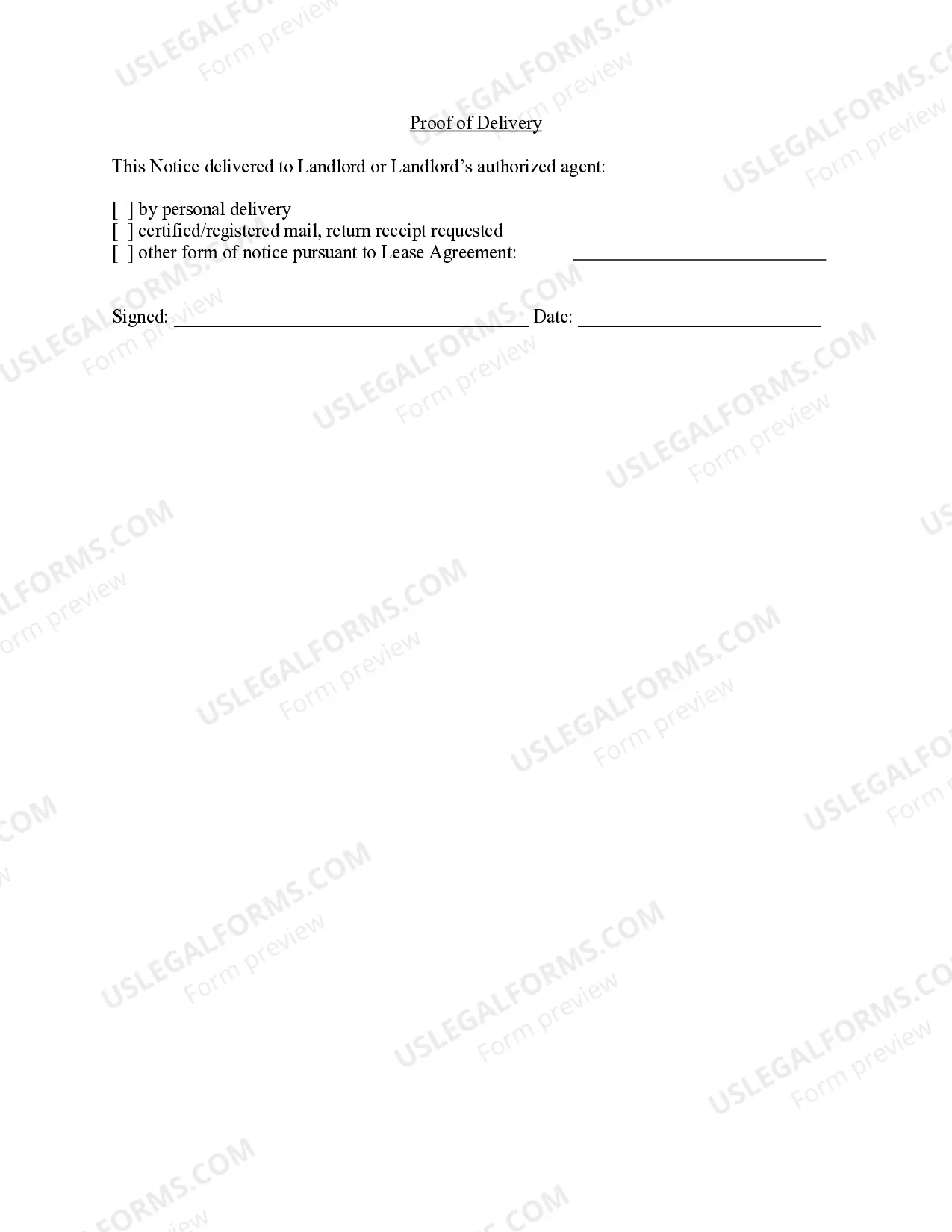
- Proof of delivery format for notifying the landlord

Situations where this form applies
This form should be used when a tenant receives notice from a landlord regarding an increase in rent that the tenant believes is improper or unjustifiable. It is particularly relevant when the tenant is still under a legally binding lease and wishes to formally communicate their intention to dispute the increase. This document notifies the landlord of the tenant's position and protects their rights moving forward.
Who can use this document
- Tenants facing an unjustified rent increase from their landlord
- Renters who have a lease agreement that is set to expire or has expired
- Individuals seeking to assert their legal rights regarding rent increases
- Tenants residing in states where increases require specific notice procedures
How to complete this form
- Identify the tenants by entering their names and address.
- Clearly state the date of the notice and the proposed rent increase details.
- Include a statement objecting to the increase, citing applicable lease terms.
- Specify the possible consequences of the landlord's actions regarding the demand.
- Sign and date the letter, and prepare for delivery to the landlord.
Does this form need to be notarized?
This form does not typically require notarization unless specified by local law. Ensure to check your stateâs specific regulations regarding notifications related to rental agreements.
Get your form ready online
Our built-in tools help you complete, sign, share, and store your documents in one place.
Make edits, fill in missing information, and update formatting in US Legal Forms—just like you would in MS Word.
Download a copy, print it, send it by email, or mail it via USPS—whatever works best for your next step.
Sign and collect signatures with our SignNow integration. Send to multiple recipients, set reminders, and more. Go Premium to unlock E-Sign.
If this form requires notarization, complete it online through a secure video call—no need to meet a notary in person or wait for an appointment.
We protect your documents and personal data by following strict security and privacy standards.

Make edits, fill in missing information, and update formatting in US Legal Forms—just like you would in MS Word.

Download a copy, print it, send it by email, or mail it via USPS—whatever works best for your next step.

Sign and collect signatures with our SignNow integration. Send to multiple recipients, set reminders, and more. Go Premium to unlock E-Sign.

If this form requires notarization, complete it online through a secure video call—no need to meet a notary in person or wait for an appointment.

We protect your documents and personal data by following strict security and privacy standards.
Common mistakes to avoid
- Failing to sign and date the letter, which invalidates the notice.
- Not providing adequate details about the proposed rent increase.
- Writing the letter too informally; it should maintain a professional tone.
- Delivering the notice without proof of delivery.
Benefits of using this form online
- Convenience of immediate access to download and customize the form.
- Editable templates that allow for specific adjustments to personal situations.
- Confidence in the legal language provided by licensed attorneys.
- Time-saving; eliminates the need for drafting letters from scratch.
Legal use & context
- This form acts as a formal notice; therefore, it can be used in court if disputes arise.
- It establishes a record of communication between the tenant and landlord, which can be critical in legal matters.
- Following the proper procedure outlined in this notice can strengthen the tenantâs legal position.
Key takeaways
- The form is essential for tenants disputing an improper rent increase.
- Professional wording and structure enhance legal standing.
- Proof of delivery is crucial for maintaining a record of the notice.
Looking for another form?
Form popularity
FAQ
Tenant's name. Property address. Landlord name and contact information. Date the letter is written. Date the rent increase will take effect. Amount of rent increase. Current cost of rent.
Currently, Nevada does not have any rent control laws and landlords may increase the rent to any amount which the market will bear. For space rentals in manufactured home parks under Chapter 118B, a landlord must give written notice to the tenant 90 days prior to the first increased payment (NRS 118B. 150(1)(a)(3)).
The landlord can enter the rental property, without the tenant's consent, if there is an emergency. (NRS 118A.Show the unit to potential or actual purchasers, mortgage companies, tenants, workers, contractors, or other people with a true interest in inspecting the property. (NRS 118A.
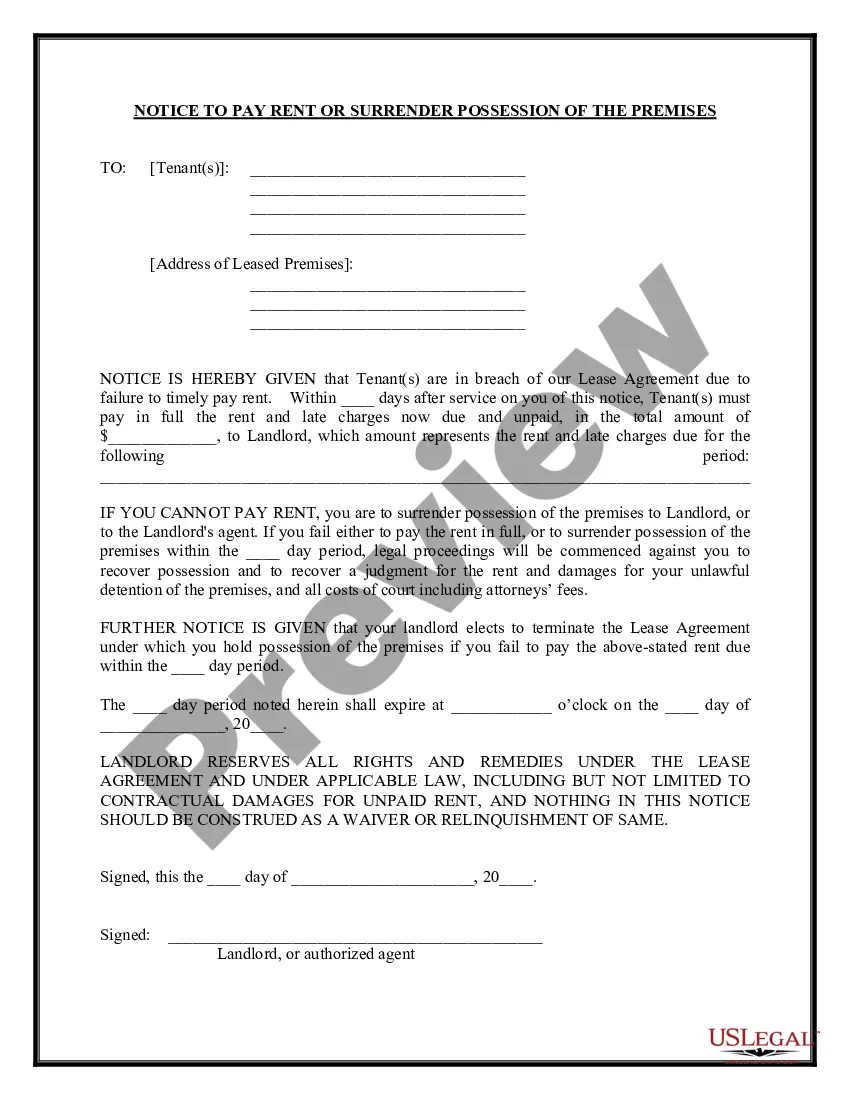
Nevada Revised Statutes require a seven-day notice to the tenant, instructing the tenant to either pay the rent or "quit" (leave) the rental property. To evict a tenant for nonpayment of rent, the landlord must "serve" (deliver) a Seven-Day Notice to Pay Rent or Quit to the tenant.
In most states, a landlord must give tenants notice at least 30 days before they'll enforce a rent increase. However, in other states like California, the notice can increase to 60 days' notice if the increase is more than 10% of the current rent rate.
Remember you're a business. Do your research. Raise the rent all at once or incrementally. Don't negotiate or ask tenants what they think a fair rent increase would be. Be courteous and firm. Find a template you like. Send a formal letter by certified mail. Give the tenant notice.
Nevada Revised Statutes require a seven-day notice to the tenant, instructing the tenant to either pay the rent or "quit" (leave) the rental property. To evict a tenant for nonpayment of rent, the landlord must "serve" (deliver) a Seven-Day Notice to Pay Rent or Quit to the tenant.
A no-cause eviction is when a tenant hasn't done anything wrong and the landlord does not want to renew a lease. A landlord cannot use a no-cause eviction before a lease is up. Currently, property owners have to give tenants a 30-days notice for normal renters.
State law regulates several rent-related issues, including late and bounced-check fees, the amount of notice (at least 45 days in Nevada) landlords must give tenants to raise the rent, and how much time (five days in Nevada) a tenant has to pay overdue rent or move before a landlord can file for eviction.