Mississippi Partial Release of Property From Deed of Trust for Individual
What this document covers
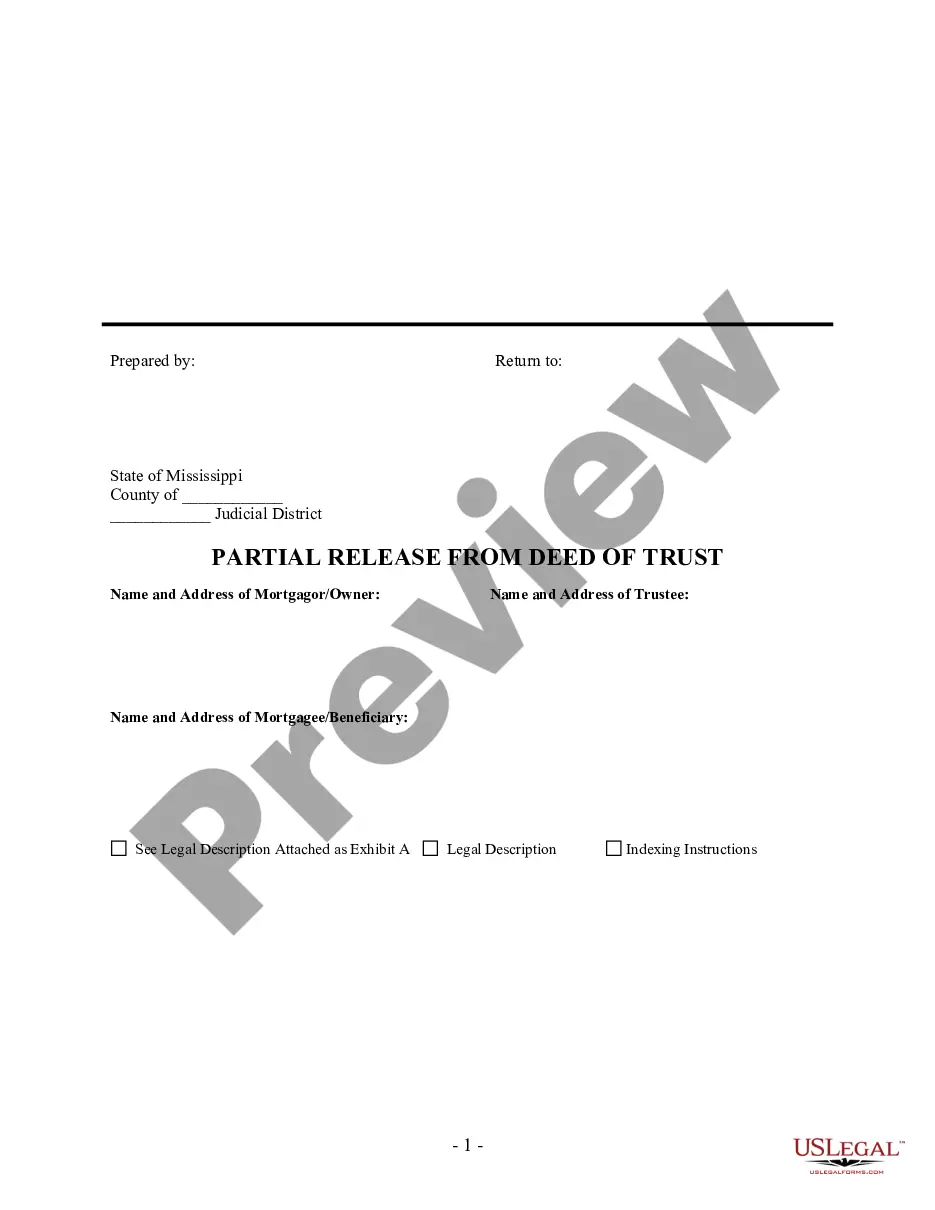
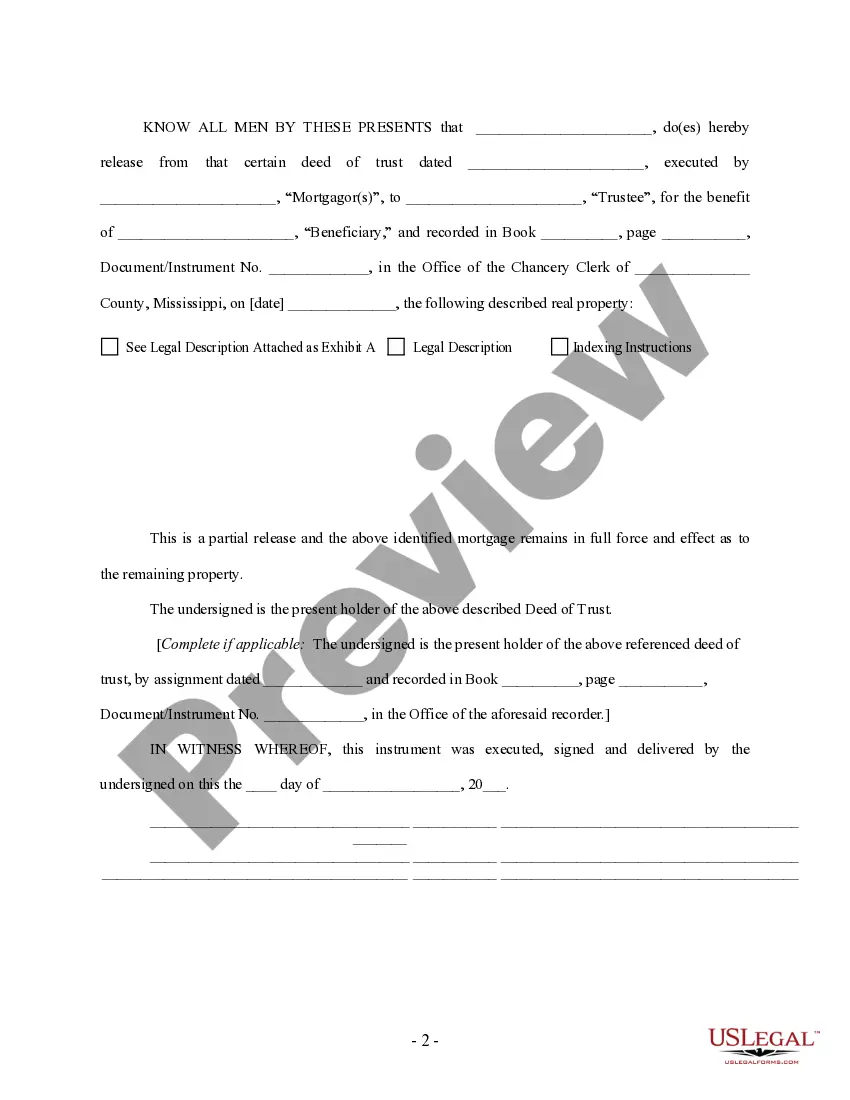
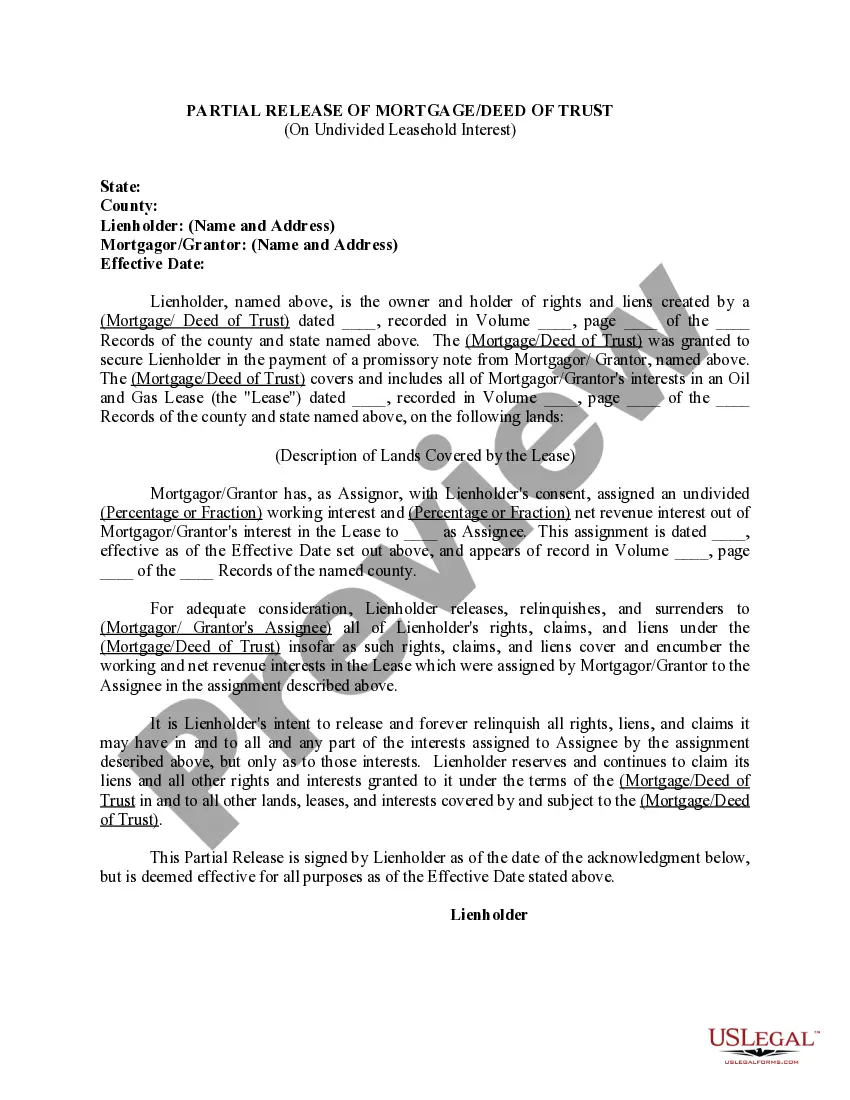
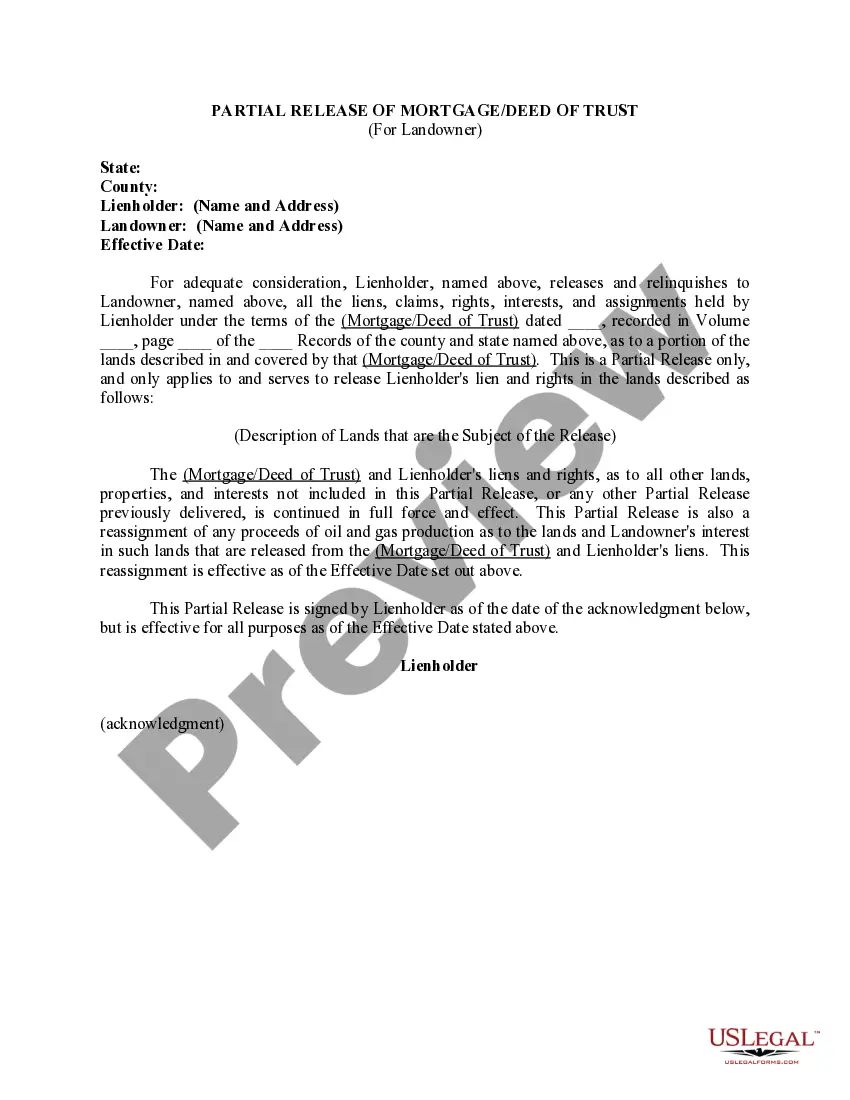
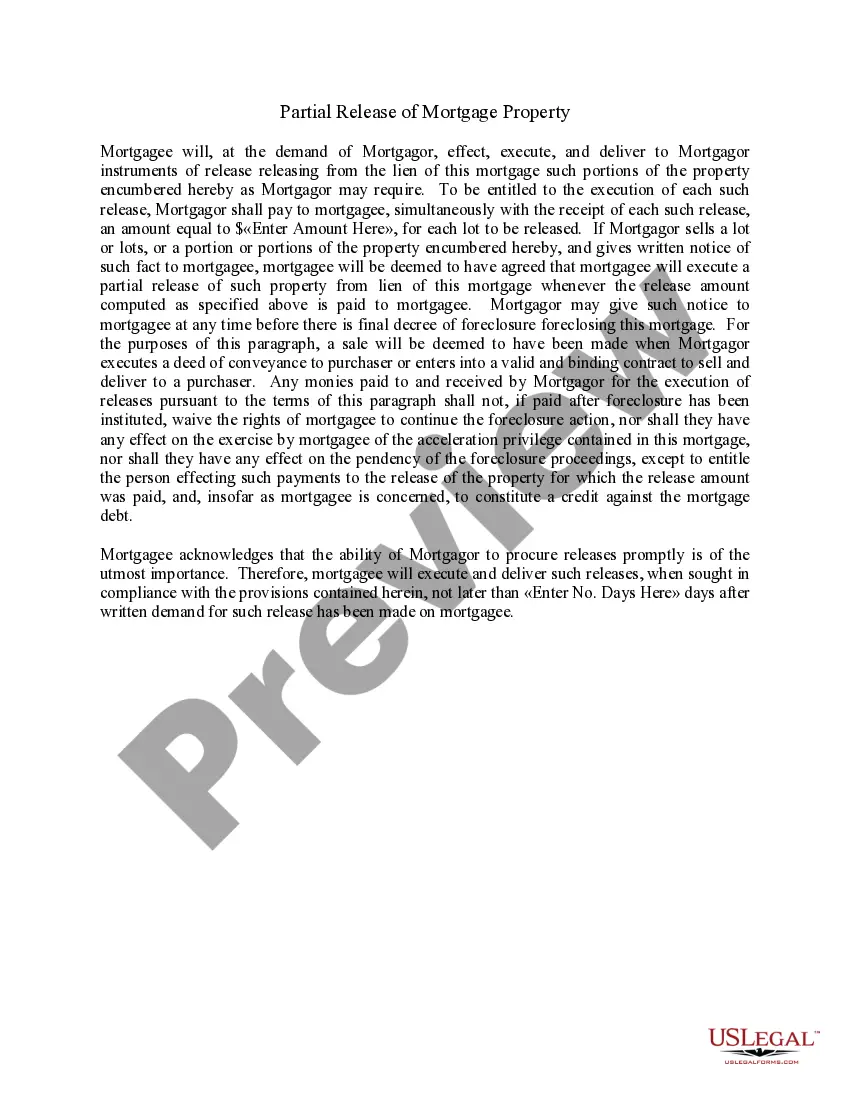
The Partial Release of Property From Deed of Trust for Individual is a legal document used by a holder of a deed of trust to release a specific portion of real property collateralizing a mortgage. This form is important because it allows the borrower to retain ownership of the released property while ensuring that the remaining property under the deed of trust continues to be secured. Unlike a complete release, this document only pertains to a fraction of the property, maintaining the legal obligations for the rest.
Form components explained
- Details of the present holder of the deed of trust.
- Information about the property being released.
- Reference to the original deed of trust including recording details.
- Space for signatures and dates.


When to use this document
This form should be used when a lender or mortgage holder needs to officially release a part of a property that was previously used as collateral for a loan. Typical scenarios include situations where the borrower sells a portion of their property but wants to keep the remaining portion under the original deed of trust. Using this form clarifies ownership and ensures the mortgage obligations apply to only the retained property.
Intended users of this form
- Mortgage holders who want to release a portion of property from a deed of trust.
- Borrowers who have sold part of their property but need to maintain the security on the remaining property.
- Real estate professionals involved in transactions that require partial releases.
Instructions for completing this form
- Identify the parties involved, including the lender and borrower.
- Clearly specify the property being released from the deed of trust.
- Include detailed references to the original deed of trust, including the assignment date and record details.
- Fill in the dates and sign to validate the document.
Is notarization required?
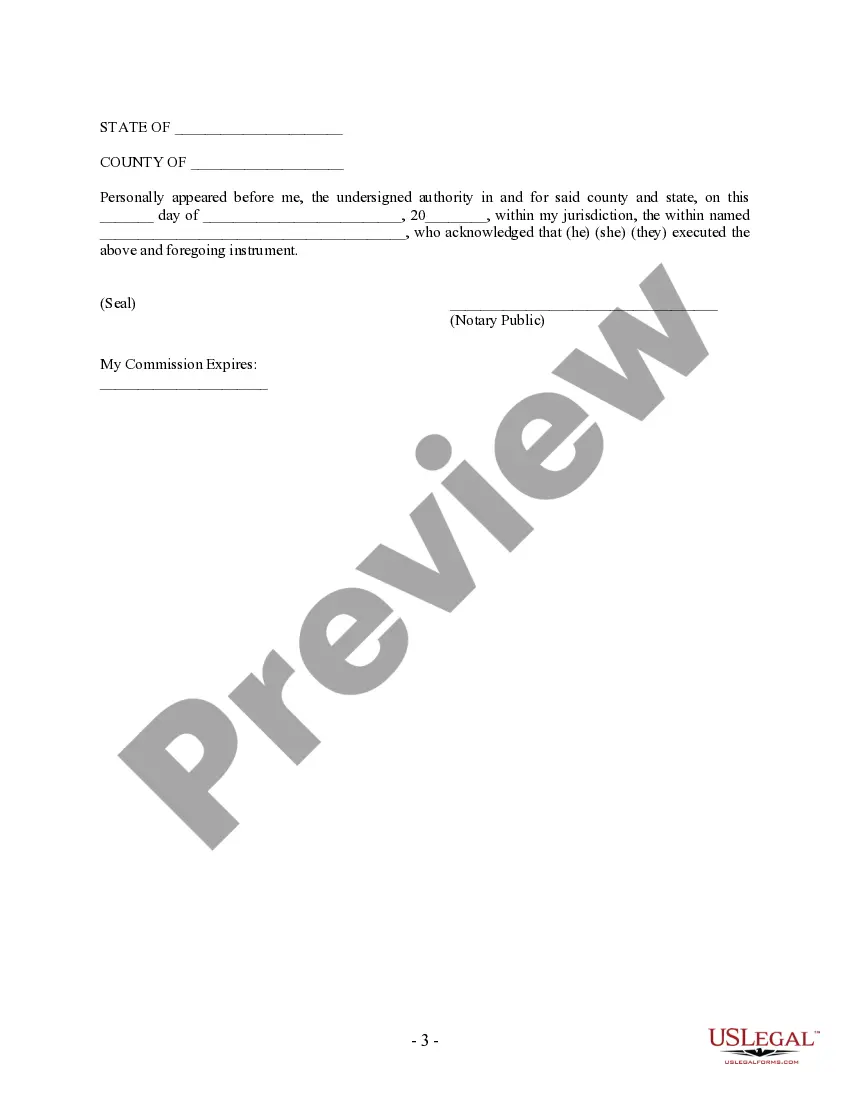
This form does not typically require notarization unless specified by local law. Always check with local regulations to ensure compliance.
Get your form ready online
Our built-in tools help you complete, sign, share, and store your documents in one place.
Make edits, fill in missing information, and update formatting in US Legal Forms—just like you would in MS Word.
Download a copy, print it, send it by email, or mail it via USPS—whatever works best for your next step.
Sign and collect signatures with our SignNow integration. Send to multiple recipients, set reminders, and more. Go Premium to unlock E-Sign.
If this form requires notarization, complete it online through a secure video call—no need to meet a notary in person or wait for an appointment.
We protect your documents and personal data by following strict security and privacy standards.

Make edits, fill in missing information, and update formatting in US Legal Forms—just like you would in MS Word.

Download a copy, print it, send it by email, or mail it via USPS—whatever works best for your next step.

Sign and collect signatures with our SignNow integration. Send to multiple recipients, set reminders, and more. Go Premium to unlock E-Sign.

If this form requires notarization, complete it online through a secure video call—no need to meet a notary in person or wait for an appointment.

We protect your documents and personal data by following strict security and privacy standards.
Avoid these common issues
- Failing to provide complete property details, which can lead to confusion about what is being released.
- Not including the correct recording information of the original deed of trust.
- Omitting signatures or dates, which may invalidate the form.
Benefits of using this form online
- Convenient download and immediate access from anywhere.
- Editability allows users to customize the form to fit their specific needs.
- Reliable templates drafted by licensed attorneys ensure compliance with legal standards.
Looking for another form?
Form popularity
FAQ
In the context of a California mortgage transaction, a trust deed also transfer ownership. Only this time, the title is being placed in the hands of a third-party trustee, who holds the property on behalf of the lender and the homeowner-borrower until the mortgage is paid.
Failure to record a deed effectively makes it impossible for the public to know about the transfer of a property. That means the legal owner of the property appears to be someone other than the buyer, a situation that can generate serious ramifications.
Giving the wrong legal address for the property or the wrong amount of the debt can render the deed unenforceable. In some cases, the error is easy to fix, and the court will rule the deed is enforceable.
An owner legally transfers his property to another person on an instrument known as a deed.However, failure to record a deed may cause problems for the new owner. For example, the lack of an official deed will make it nearly impossible to sell the property again or refinance a mortgage.
When you are ready to sign a deed of trust, the parties will need to sign in the presence of a notary public.The deed of trust must then be recorded with the county where the property is located, and each of the parties (the trustor, trustee, and lender) should keep a copy of the recorded document.
Although recording statutes vary between U.S. states, they virtually all require that an interest in real property be formally recorded in the appropriate county office in order to be valid.If your deed has not been recorded, you are not recognized as the legal owner of your property.
A deed conveys ownership; a deed of trust secures a loan.
The person who owns the property usually signs a promissory note and a deed of trust. The deed of trust does not have to be recorded to be valid.
A deed of trust is a written instrument with three parties: The trustor, who is the borrower and homeowner. The beneficiary, who is the lender. The trustee, who is a third party such as an insurance company or escrow management agency that holds actual title to the property in trust for the beneficiary.