Maryland Marital Domestic Separation and Property Settlement Agreement Adult Children Parties May have Joint Property or Debts effective Immediately
About this form
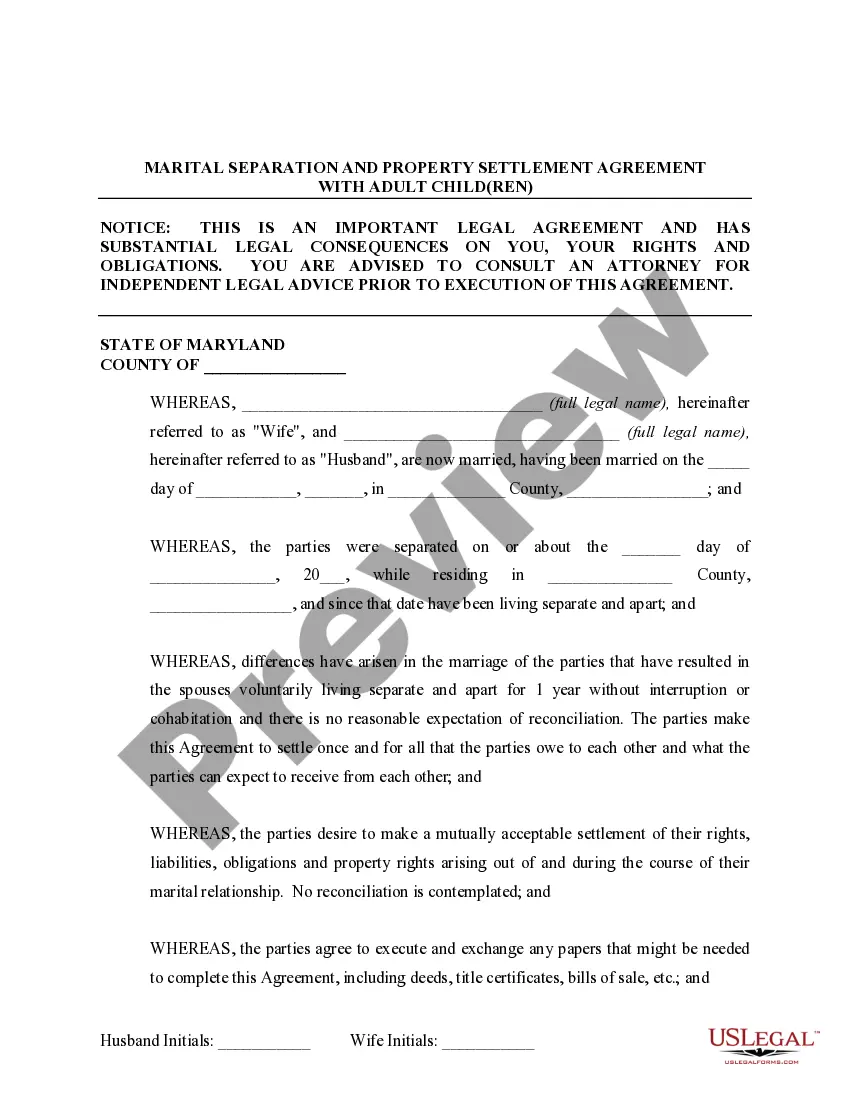
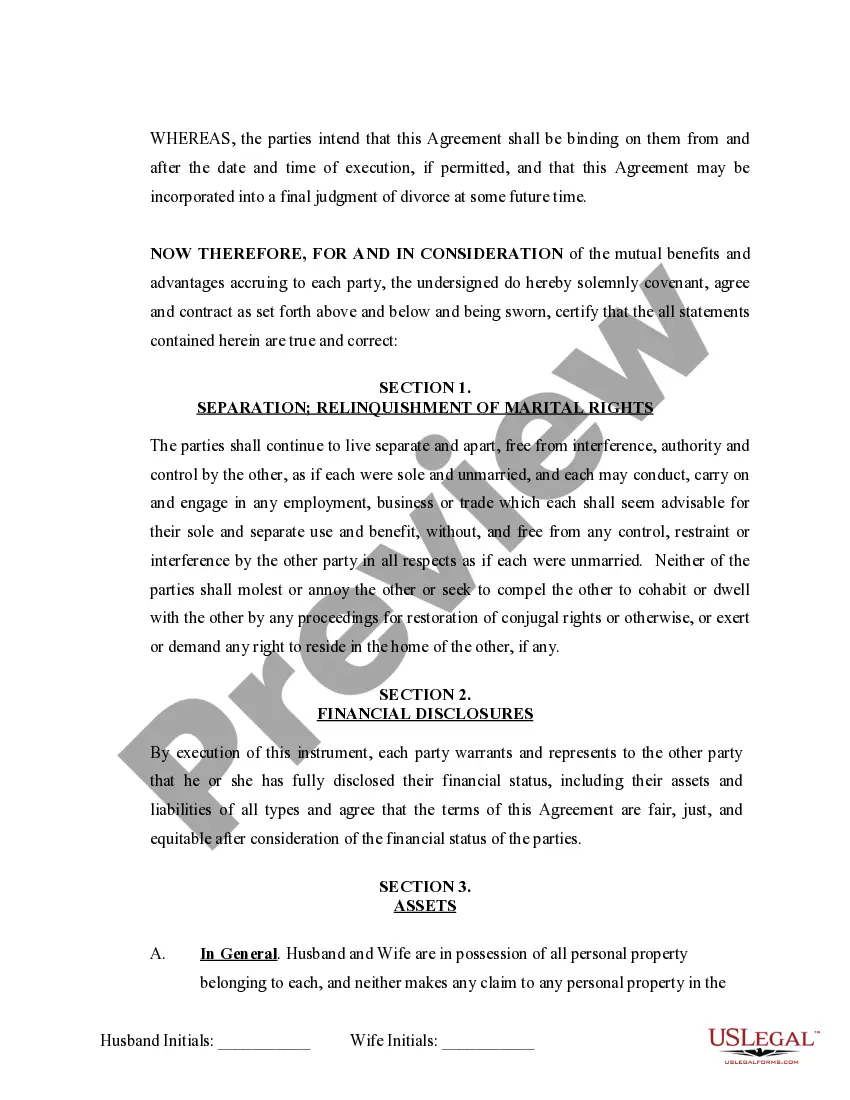
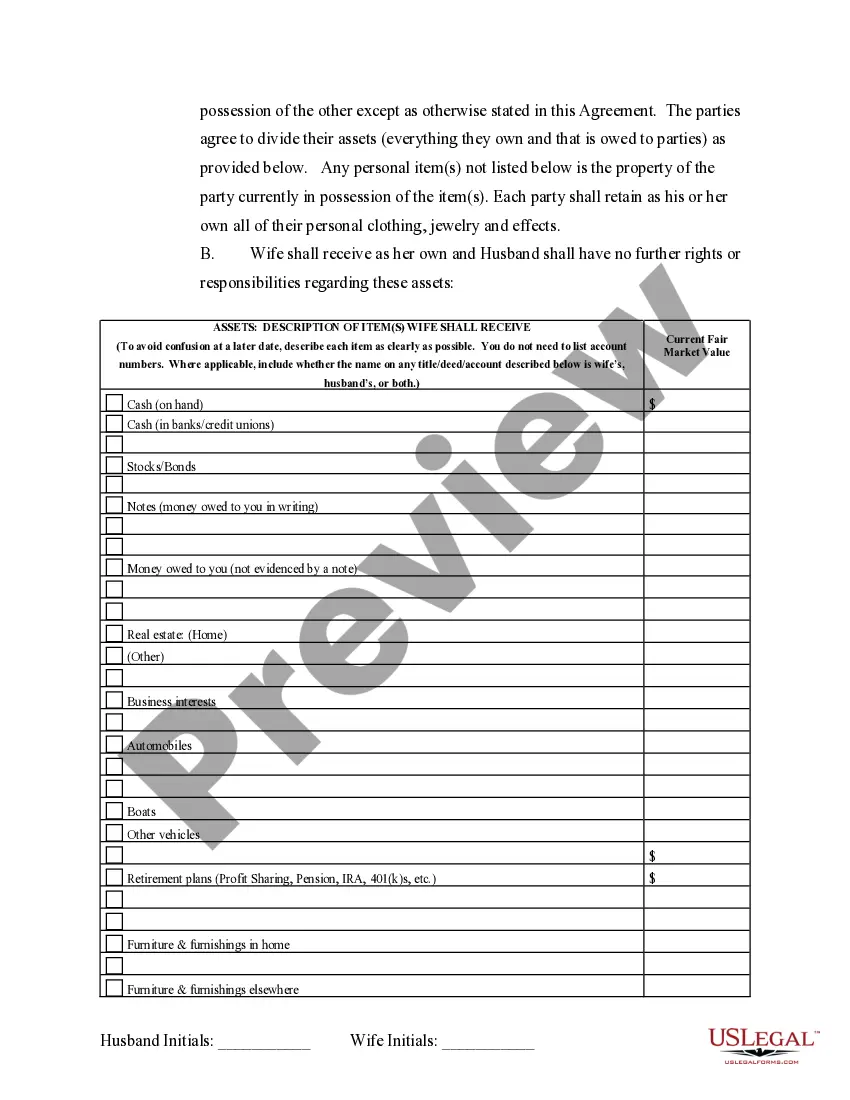
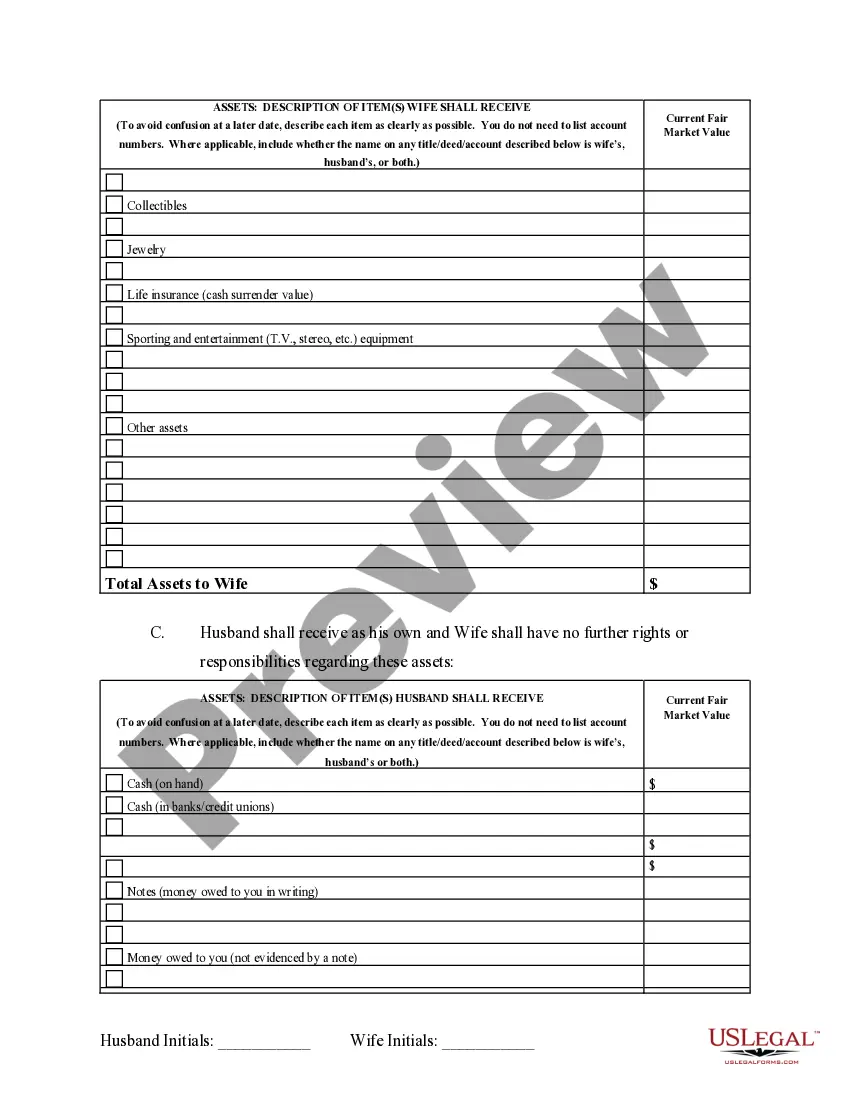
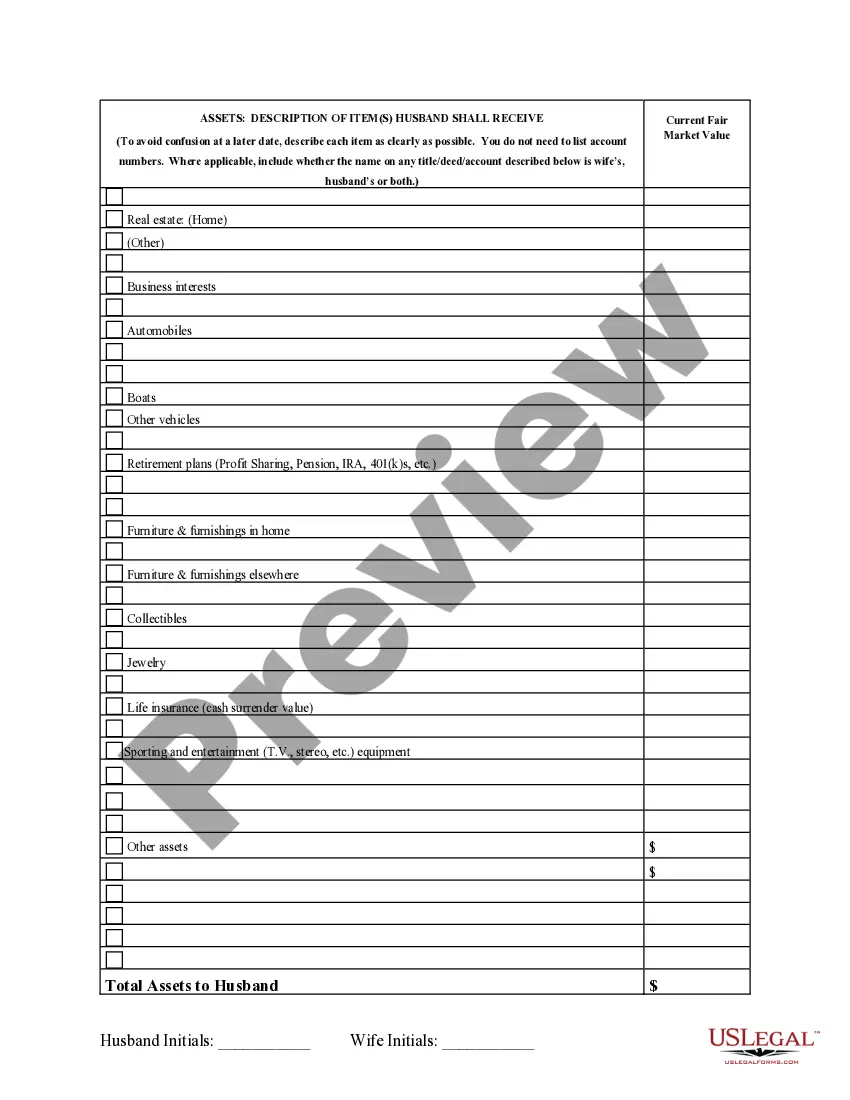
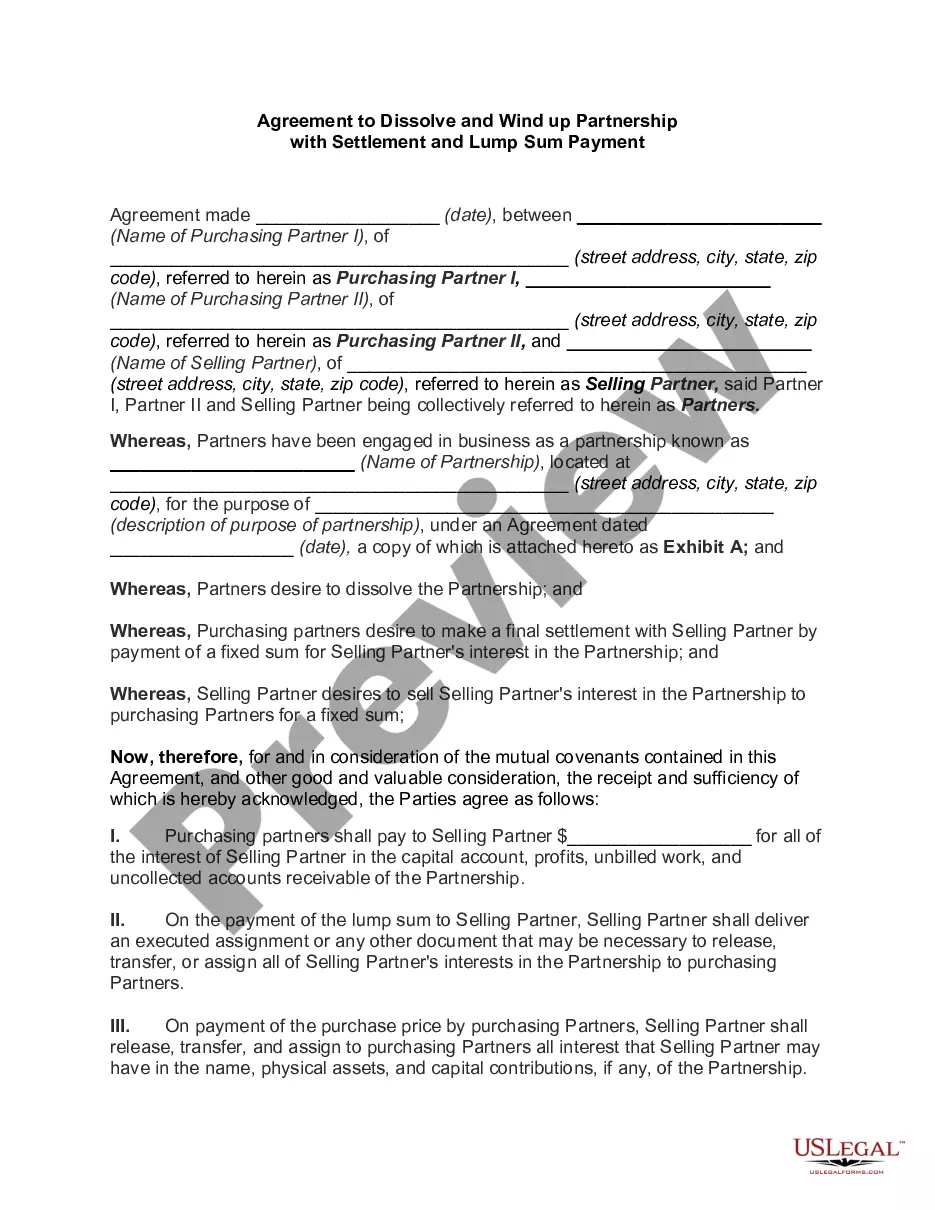
The Marital Domestic Separation and Property Settlement Agreement is a legal document for married couples whose children are adults. Designed for parties with joint property or debts, this agreement outlines the division of assets and liabilities following separation. Unlike traditional divorce agreements, this document addresses the financial aspects while allowing couples to remain friends post-separation, providing clarity and structure for both parties.
Form components explained
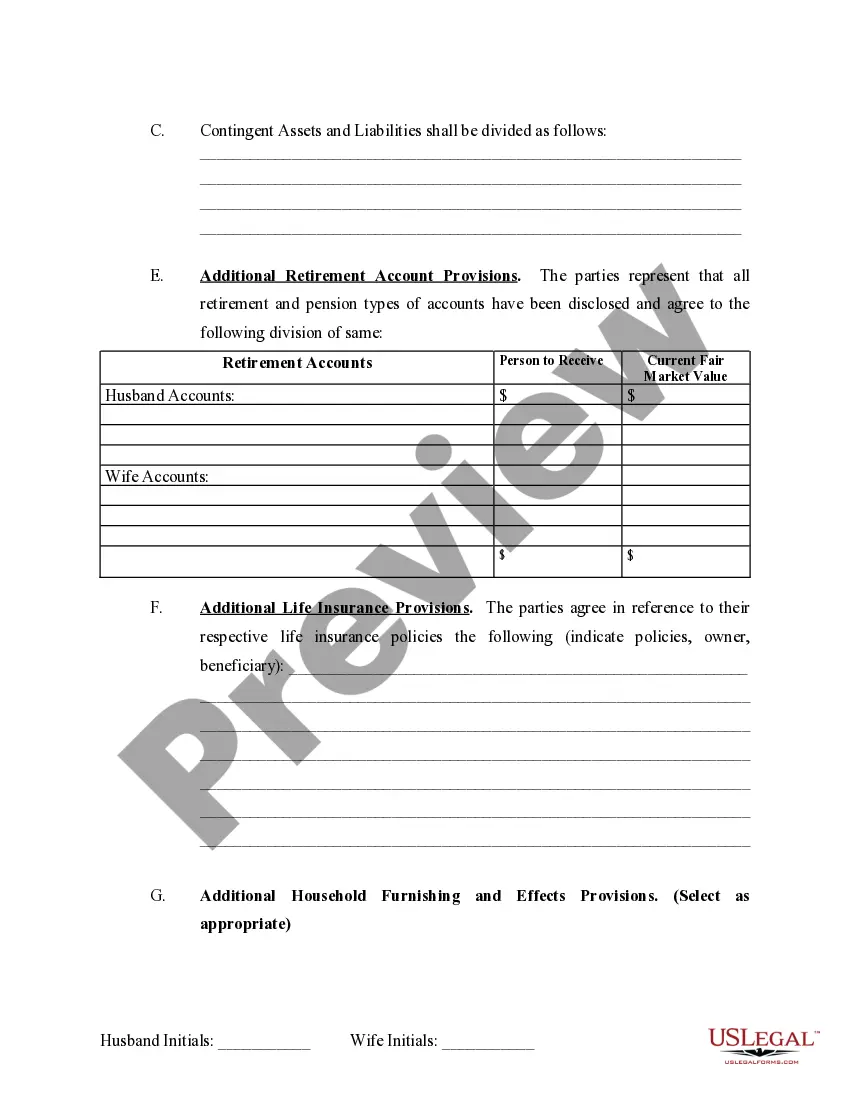
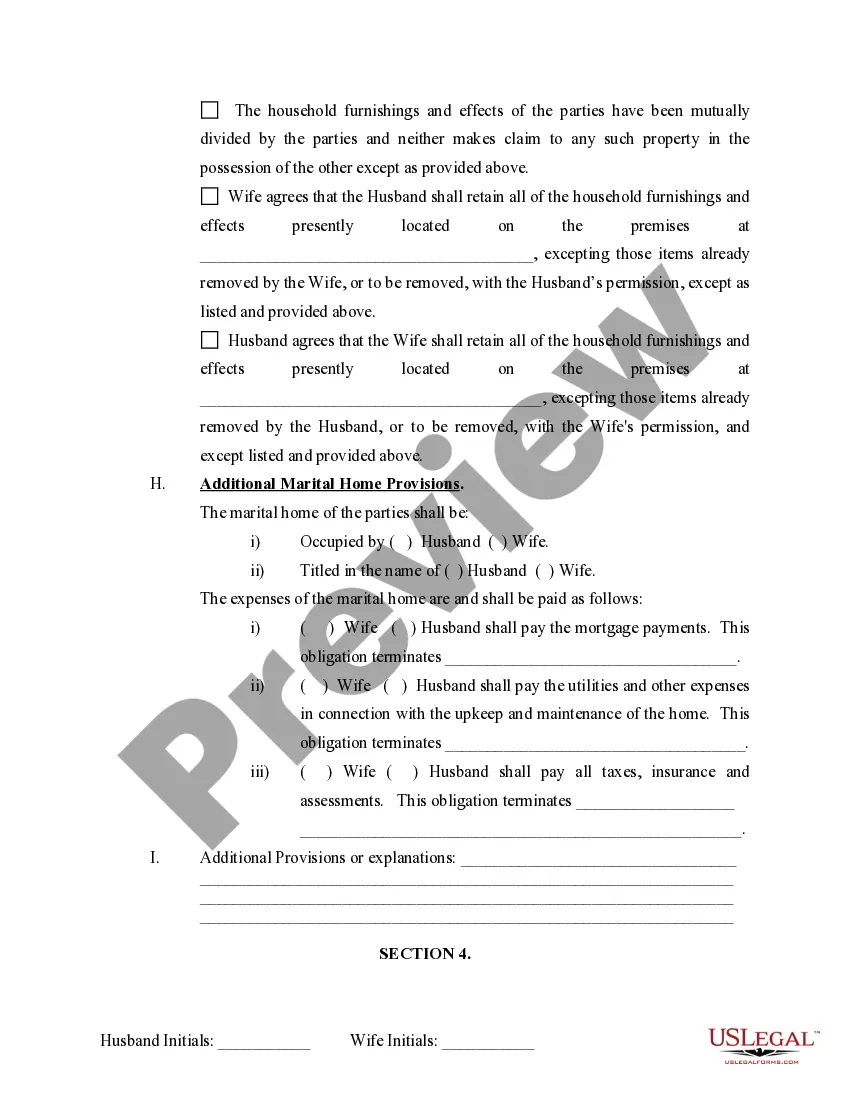
- Detailed provisions for asset division, including personal property, real estate, and financial accounts.
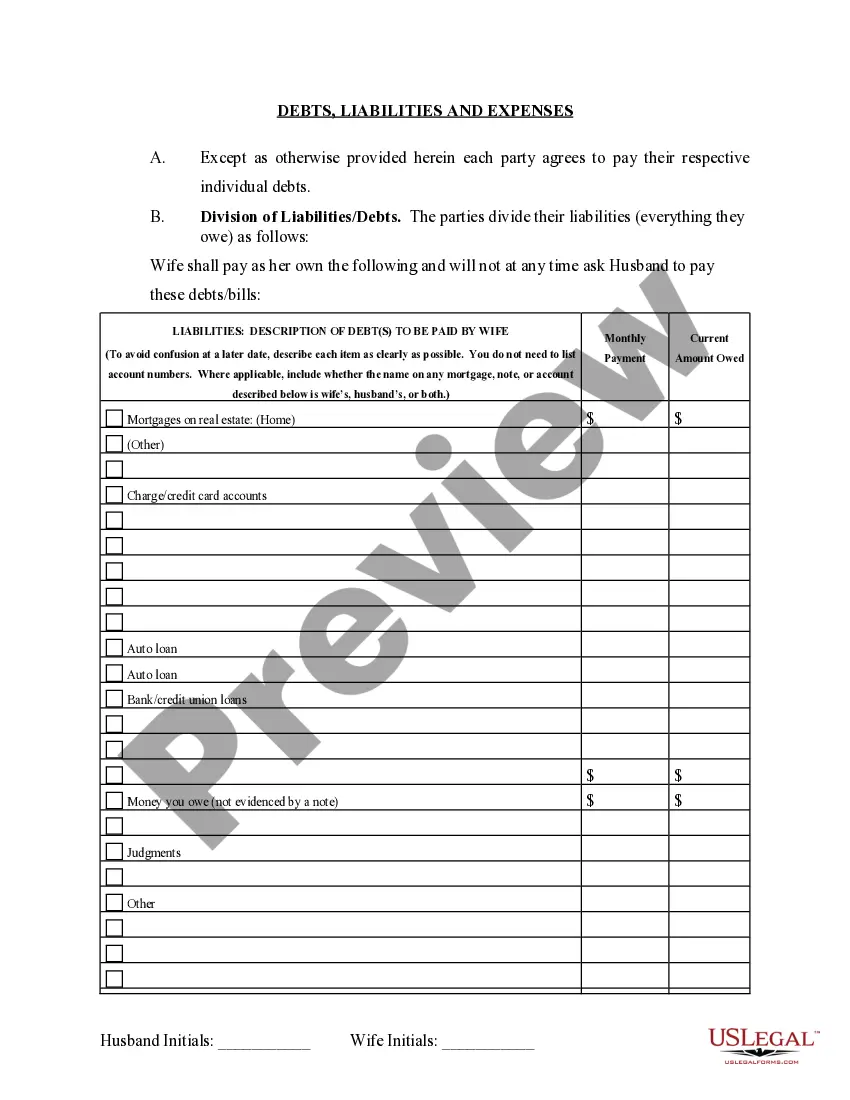
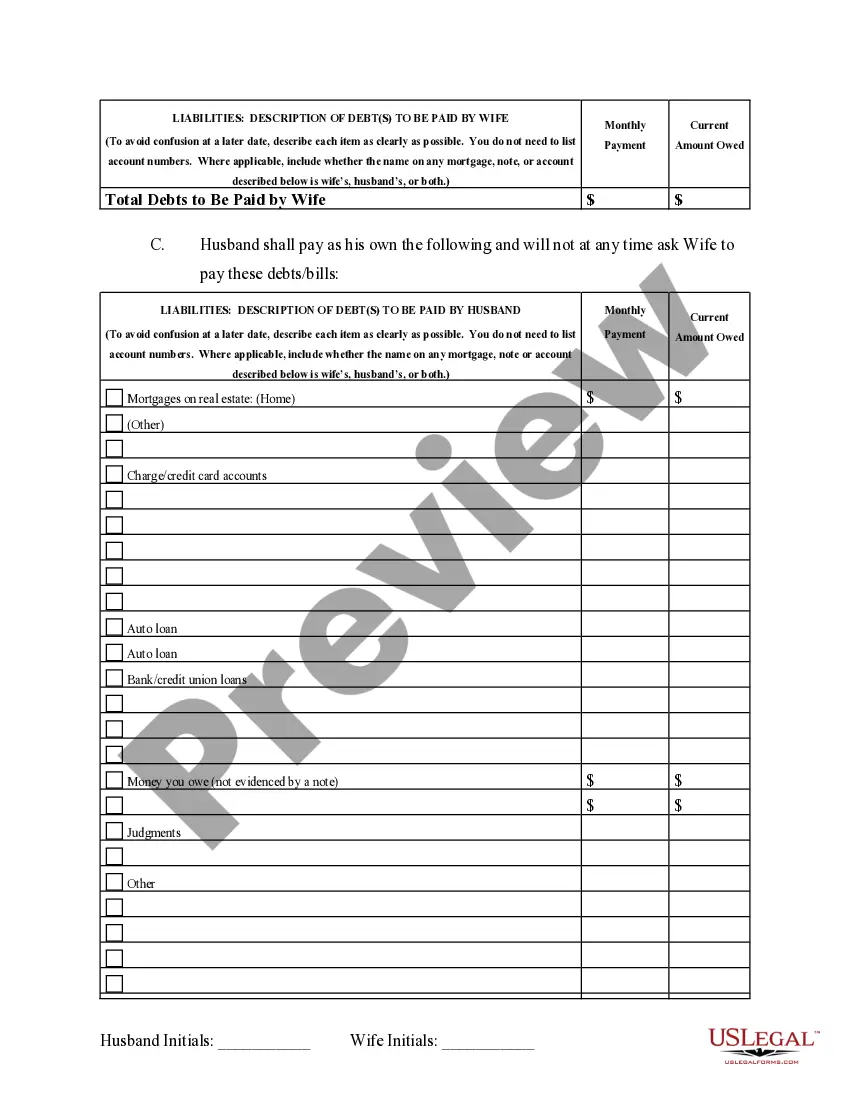
- Responsibilities for individual debts and liabilities.
- Alimony or spousal support agreements, if applicable.
- Disclosure of each partyâs financial status prior to agreement execution.
- Stipulation regarding the agreement's enforceability, with options for court incorporation if a divorce occurs.
- Sections addressing title transfers and mutual indemnity for liabilities.

When this form is needed
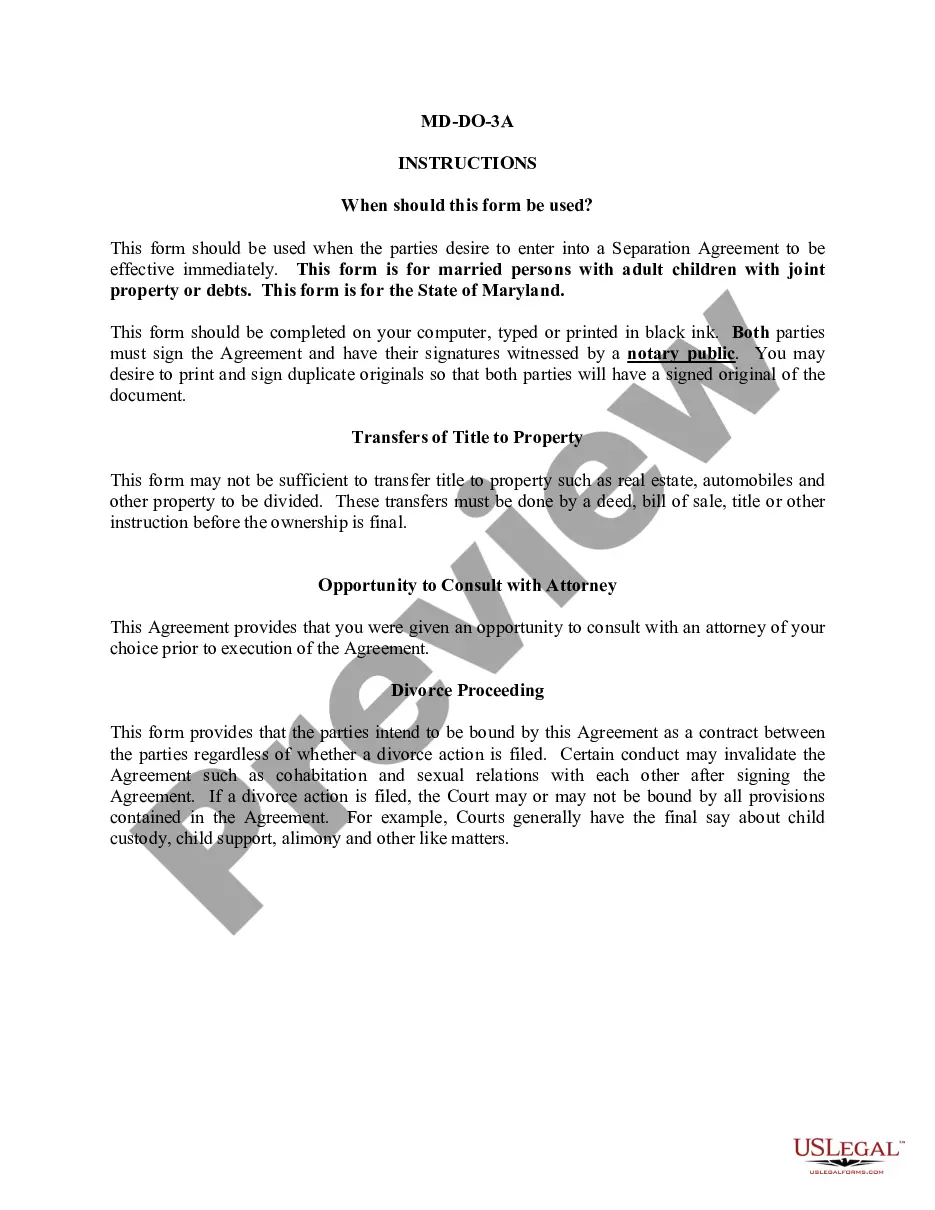
This form is appropriate when married couples with adult children decide to separate but wish to clarify the division of shared property and debts immediately. It is particularly useful if the parties aim to avoid lengthy divorce proceedings while maintaining clarity on their responsibilities and obligations to one another. It's essential for couples who have shared financial commitments and wish to formalize their arrangements without the immediate intent of divorce.
Who should use this form
- Married couples in the State of Maryland with adult children.
- Couples who want a clear understanding of the division of assets and debts following separation.
- Individuals who prefer to have their agreements effective immediately, regardless of pending divorce proceedings.
Completing this form step by step
- Identify both parties: include full legal names and their current marital status.
- Provide details about any joint property or debts that need to be divided.
- Clearly outline the financial disclosures of each party, listing assets and liabilities.
- Specify any agreements regarding spousal support, including amounts and duration.
- Have both parties sign the document in the presence of a notary public.
- Consider retaining duplicate originals of the signed agreement for personal records.
Does this document require notarization?
Yes, this form must be notarized to be legally valid. Both parties need to sign the agreement in front of a notary public to ensure its enforceability. US Legal Forms offers integrated online notarization services, making it easy and accessible through secure video calls, ensuring you complete the notarization without needing to travel.
Get your form ready online
Our built-in tools help you complete, sign, share, and store your documents in one place.
Make edits, fill in missing information, and update formatting in US Legal Forms—just like you would in MS Word.
Download a copy, print it, send it by email, or mail it via USPS—whatever works best for your next step.
Sign and collect signatures with our SignNow integration. Send to multiple recipients, set reminders, and more. Go Premium to unlock E-Sign.
If this form requires notarization, complete it online through a secure video call—no need to meet a notary in person or wait for an appointment.
We protect your documents and personal data by following strict security and privacy standards.

Make edits, fill in missing information, and update formatting in US Legal Forms—just like you would in MS Word.

Download a copy, print it, send it by email, or mail it via USPS—whatever works best for your next step.

Sign and collect signatures with our SignNow integration. Send to multiple recipients, set reminders, and more. Go Premium to unlock E-Sign.

If this form requires notarization, complete it online through a secure video call—no need to meet a notary in person or wait for an appointment.

We protect your documents and personal data by following strict security and privacy standards.
Common mistakes
- Failing to disclose all assets and liabilities, which may invalidate the agreement.
- Not having the document notarized, leading to issues in enforceability.
- Overlooking to include specific provisions for unique assets or debts.
- Not consulting an attorney before signing, which can lead to misunderstandings about rights and obligations.
Why use this form online
- Immediate access and convenience of downloading the form anytime.
- Editable fields for easy completion, reducing errors and ensuring clarity.
- Reliable source of legal forms drafted by licensed attorneys, giving users peace of mind.
- Secure storage options to keep important legal documents safe.
Legal use & context
- This agreement works as a binding contract between the parties, effective immediately upon signing.
- It provides clarity on asset division during separation, impacting future legal proceedings in divorce cases.
- It protects against claims from either party regarding shared assets or liabilities once the agreement is in effect.
Key takeaways
- The Marital Domestic Separation and Property Settlement Agreement is critical for couples with adult children who intend to separate while managing joint obligations.
- This form should be filled out correctly and notarized to ensure it is legally binding and serves its intended purpose effectively.
- Consulting with an attorney before completing the agreement is advisable to avoid common pitfalls and ensure fair terms for both parties.
Looking for another form?
Form popularity
FAQ
In California, each spouse or partner owns one-half of the community property. And, each spouse or partner is responsible for one-half of the debt. Community property and community debts are usually divided equally.And, in a divorce or legal separation in California, it will be treated as community property.
When a person buys a home before he or she is married, this property is usually considered his or her own separate property. However, the other spouse may have a right to some of the home's equity upon divorce despite this classification.
Marital Settlement Agreements, reached between the parties in writing and signed by the parties, become legally binding when approved by the court at the time of the final court hearing.Once approved by the court, such post judgment stipulations do become legally binding and enforceable between the parties.
The silver lining to this is that if you choose a buy out, you don't necessarily have to pay your spouse/civil partner half the value of your home. You can both come to a reasonable agreement, depending on other aspects of your joint finances such as savings and investments.
With a few important exceptions, all the property acquired during a marriage is considered marital property. Marital property normally includes such things as houses, cars, furniture, appliances, stocks, bonds, jewelry, bank accounts, pensions, retirement plans, and IRA's.
In California, there is a presumption that property acquired during the marriage is "community property," which means the property is owned by both spouses equally (unless one spouse acquired it through an inheritance or gift).In this case, the home is community property, and both spouses share an equal interest.
If you and your partner bought your house or flat together it is likely that you will both be entitled to share in any money made from its sale.If your partner is not willing to leave the property, you may need to ask the court for an occupation order to ask them to leave.
Enforcing an MSA must be done by filing a formal request or motion (legal paperwork) with the court. You will need to show the court how your ex-spouse failed to follow the terms of the agreement. There are many reasons you may need to ask the court to assist you with enforcing your agreement.
Maryland is not a Community Property state.For divorcing couples in Community Property states, any property that either spouse owned prior to their marriage or property acquired after the separation would not be considered marital. Additionally, all Community Property is split evenly, 50/50, between the spouses.