District of Columbia Assignment of Deed of Trust by Individual Mortgage Holder
What is this form?
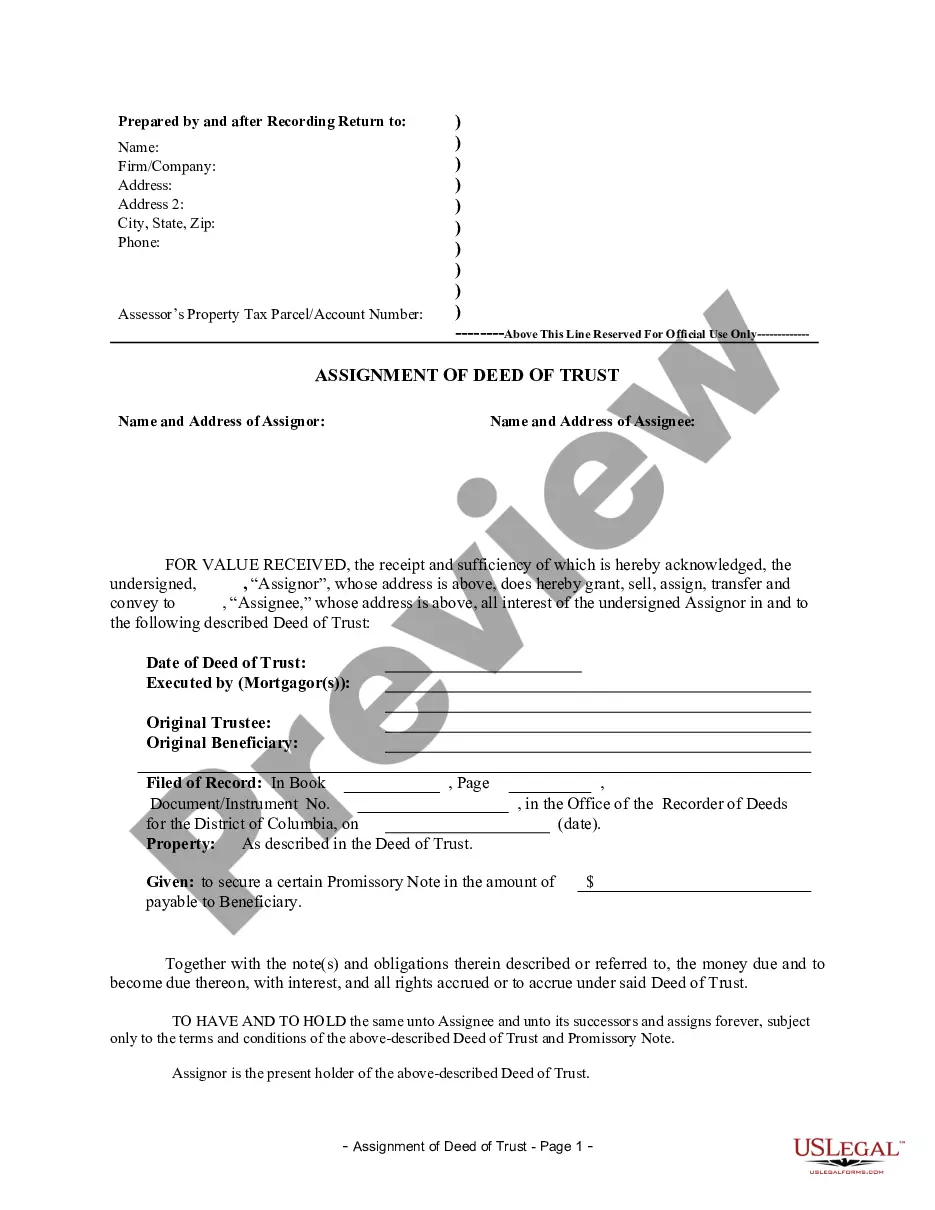
The Assignment of Deed of Trust by Individual Mortgage Holder is a legal document that allows the current holder of a deed of trust or mortgage to transfer their interest to a third party. This form is essential for individuals looking to assign their mortgage rights in a clear and legally recognized manner, differentiating it from other documents like a mortgage release or satisfaction.
Key parts of this document
- Date of deed of trust execution
- Details of the original mortgagor, trustee, and beneficiary
- Property description as referenced in the deed of trust
- Assignment clause transferring rights to the assignee
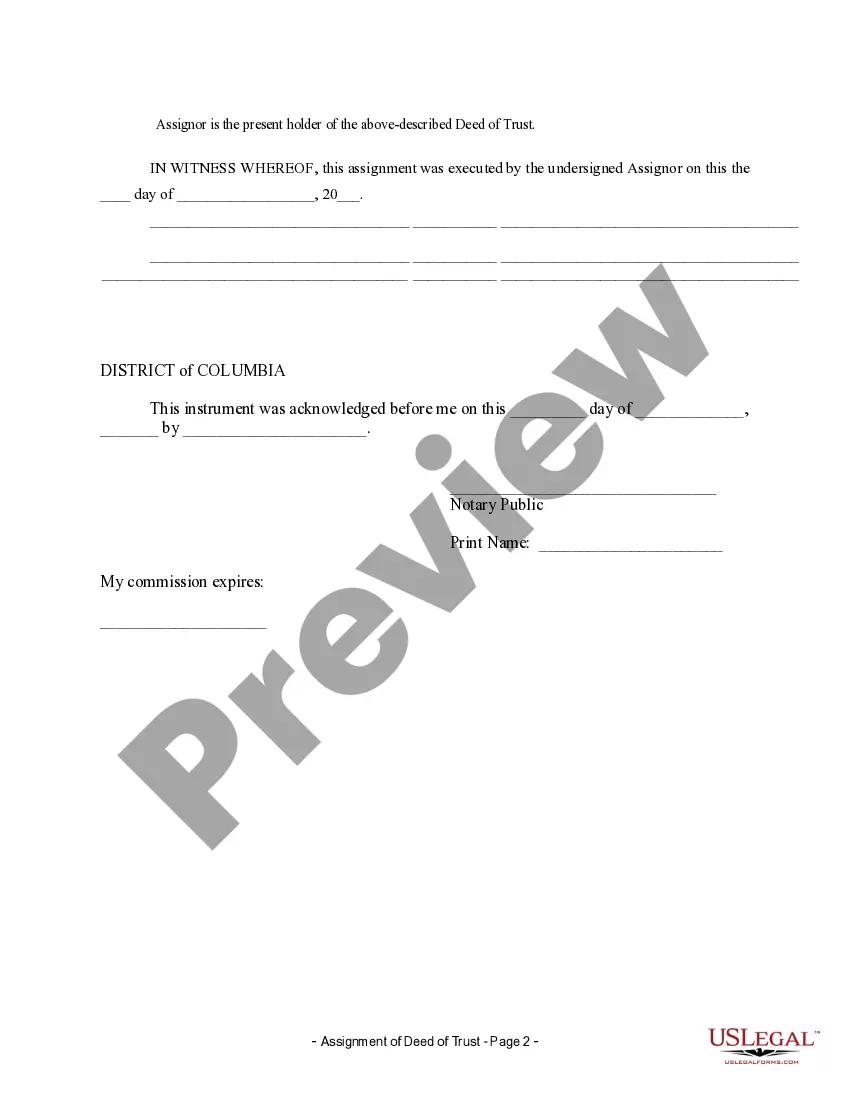
- Signature block for the assignor
- Notary acknowledgment section
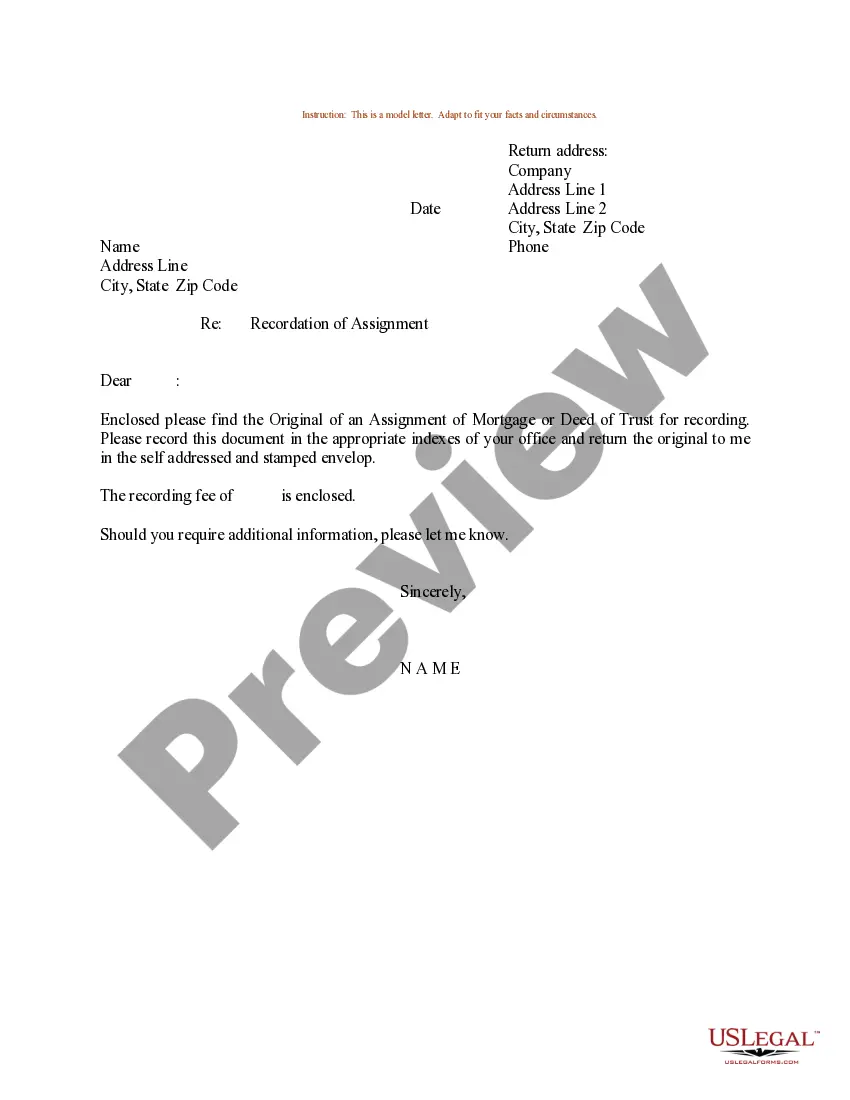



When to use this form
This form is used when an individual who currently holds a deed of trust wishes to assign their rights and obligations under that deed to another party. Common scenarios include selling the property to a buyer who will assume the existing mortgage or when the original mortgage holder wants to transfer the loan to an investor or a financial institution.
Who this form is for
This form is appropriate for:
- Individual mortgage holders looking to transfer their deed of trust
- Investors interested in acquiring mortgage-held interests
- Real estate professionals handling property transactions involving existing mortgages
Steps to complete this form
- Identify the parties involved, including the assignor and assignee.
- Enter the date of execution of the original deed of trust.
- Provide the property description as indicated in the deed of trust.
- Fill in the financial details related to the promissory note.
- Obtain all necessary signatures from the assignor and a notary public.
- Ensure proper filing with the Recorder of Deeds as required.
Does this document require notarization?
This form needs to be notarized to ensure legal validity. US Legal Forms provides secure online notarization powered by Notarize, allowing you to complete the process through a verified video call, available anytime.
Get your form ready online
Our built-in tools help you complete, sign, share, and store your documents in one place.
Make edits, fill in missing information, and update formatting in US Legal Forms—just like you would in MS Word.
Download a copy, print it, send it by email, or mail it via USPS—whatever works best for your next step.
Sign and collect signatures with our SignNow integration. Send to multiple recipients, set reminders, and more. Go Premium to unlock E-Sign.
If this form requires notarization, complete it online through a secure video call—no need to meet a notary in person or wait for an appointment.
We protect your documents and personal data by following strict security and privacy standards.

Make edits, fill in missing information, and update formatting in US Legal Forms—just like you would in MS Word.

Download a copy, print it, send it by email, or mail it via USPS—whatever works best for your next step.

Sign and collect signatures with our SignNow integration. Send to multiple recipients, set reminders, and more. Go Premium to unlock E-Sign.

If this form requires notarization, complete it online through a secure video call—no need to meet a notary in person or wait for an appointment.

We protect your documents and personal data by following strict security and privacy standards.
Typical mistakes to avoid
- Failing to correctly identify all parties involved in the assignment.
- Omitting required signatures or dates.
- Neglecting to include a full and accurate property description.
- Not having the form notarized when required.
Why complete this form online
- Convenient access to legally compliant templates that save time.
- Editable forms that allow you to input specific information easily.
- Reliable resources drafted by licensed attorneys to ensure legal validity.
Looking for another form?
Form popularity
FAQ
A deed of trust mortgage assignment is the process of transferring the benefits and obligations associated with a deed of trust to another party. This legal action is crucial in ensuring that all parties involved are clear about their rights and responsibilities. If you're navigating the District of Columbia Assignment of Deed of Trust by Individual Mortgage Holder, this understanding can pave the way for a smoother transaction process.
Yes, an individual can serve as a trustee on a deed of trust. This role involves holding the title of the property for the benefit of the lender until the mortgage obligation is fulfilled. It's important for individuals involved in the District of Columbia Assignment of Deed of Trust by Individual Mortgage Holder to understand this role and its implications in their mortgage agreement.
An assignment of a mortgage means that the original lender transfers its rights and responsibilities under the mortgage to another party. This assignment can occur for various reasons, such as selling the mortgage or transferring it due to other financial arrangements. When considering the District of Columbia Assignment of Deed of Trust by Individual Mortgage Holder, understanding this process is vital for ensuring the correct parties hold the mortgage rights.
Yes, Washington, D.C. is a deed of trust state, meaning that real estate transactions often utilize deeds of trust instead of traditional mortgages. In the context of the District of Columbia Assignment of Deed of Trust by Individual Mortgage Holder, this legal preference shapes the way lenders and borrowers approach financing and securing property. It's important to understand your rights and responsibilities under this framework.
Lenders typically prefer a deed of trust because it provides a faster way to initiate foreclosure if the borrower defaults. Under the District of Columbia Assignment of Deed of Trust by Individual Mortgage Holder, lenders can take advantage of non-judicial foreclosure, which saves time and legal costs. This efficiency makes it an attractive option for lenders in the District of Columbia.
The deed of Assignment of a mortgage is a legal document that transfers the mortgage rights from one lender to another. This process ensures that the new lender has the right to collect payments on the mortgage. Including the District of Columbia Assignment of Deed of Trust by Individual Mortgage Holder in your legal strategy can clarify the responsibilities and rights involved in your lending agreement. Understanding this deed is crucial for maintaining clear ownership and financial obligations.
You can place a house in a trust even if there is a mortgage on it. However, you should review your mortgage agreement beforehand, as some lenders may have specific stipulations regarding property transfer. The District of Columbia Assignment of Deed of Trust by Individual Mortgage Holder may interact with the trust arrangements, so consulting a legal professional can ensure this process goes smoothly.
Using a deed of trust can offer several advantages over a traditional mortgage. For one, it can streamline the foreclosure process, which is beneficial for lenders. By opting for the District of Columbia Assignment of Deed of Trust by Individual Mortgage Holder, borrowers may also benefit from greater flexibility in financing options. This can lead to a smoother transaction overall.
One significant disadvantage of a deed of trust is that it can lead to a non-judicial foreclosure process, which may occur faster than judicial ones. This speed may limit the time for borrowers to remedy their default situations in the District of Columbia Assignment of Deed of Trust by Individual Mortgage Holder. Borrowers should understand these risks and consider consulting with a legal professional before executing a deed of trust.
A deed of trust and a mortgage serve similar purposes but are not the same. In the District of Columbia Assignment of Deed of Trust by Individual Mortgage Holder, a deed of trust involves three parties: the borrower, the lender, and a neutral third party known as the trustee. Mortgages, on the other hand, typically involve only two parties and place the lender in a more direct position regarding foreclosure.