Alaska Notice to Tenant of Adoption of New Rule for Residential from Landlord to Tenant
What is this form?
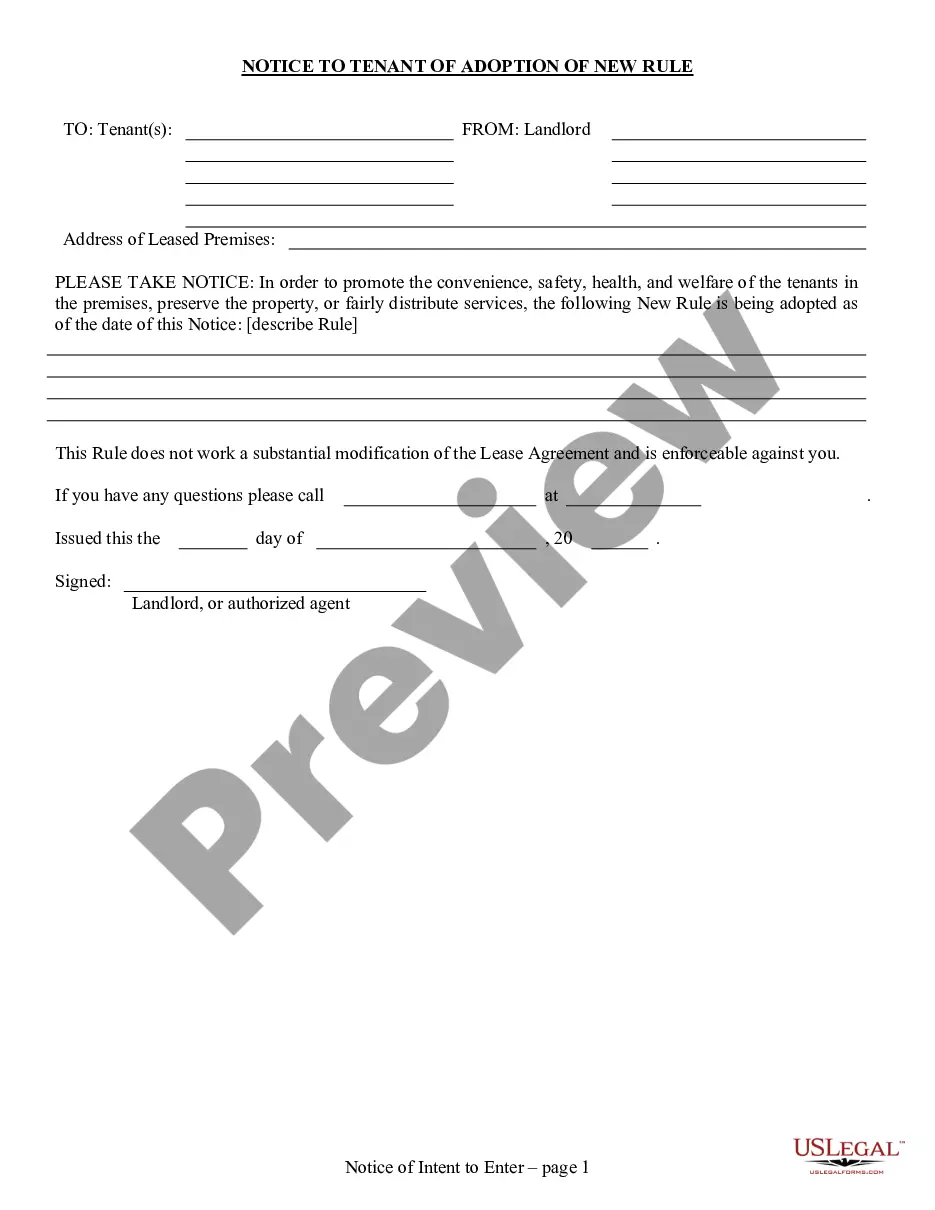
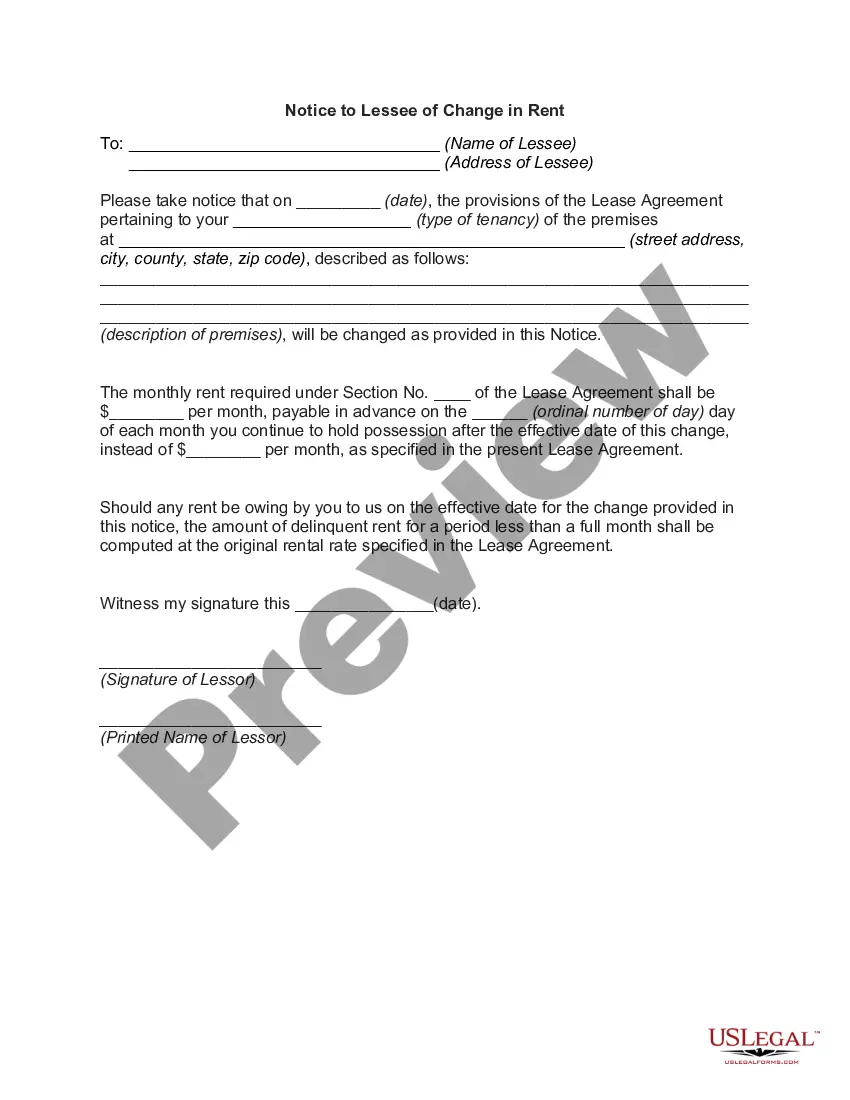
The Notice to Tenant of Adoption of New Rule for Residential from Landlord to Tenant is a legal document designed for landlords to inform tenants about new rules established for the property. This form serves to ensure that tenants are aware of any changes that affect their living conditions, promoting a safe and organized environment. Unlike other forms that may cover lease agreements or termination notices, this specific form focuses solely on the communication of new regulations that tenants are required to follow.
Form components explained
- Tenant and Landlord Information: Includes the names and addresses of both parties.
- Address of Leased Premises: Specifies the location of the rental property.
- New Rule Description: Clearly states the newly adopted rule that tenants must follow.
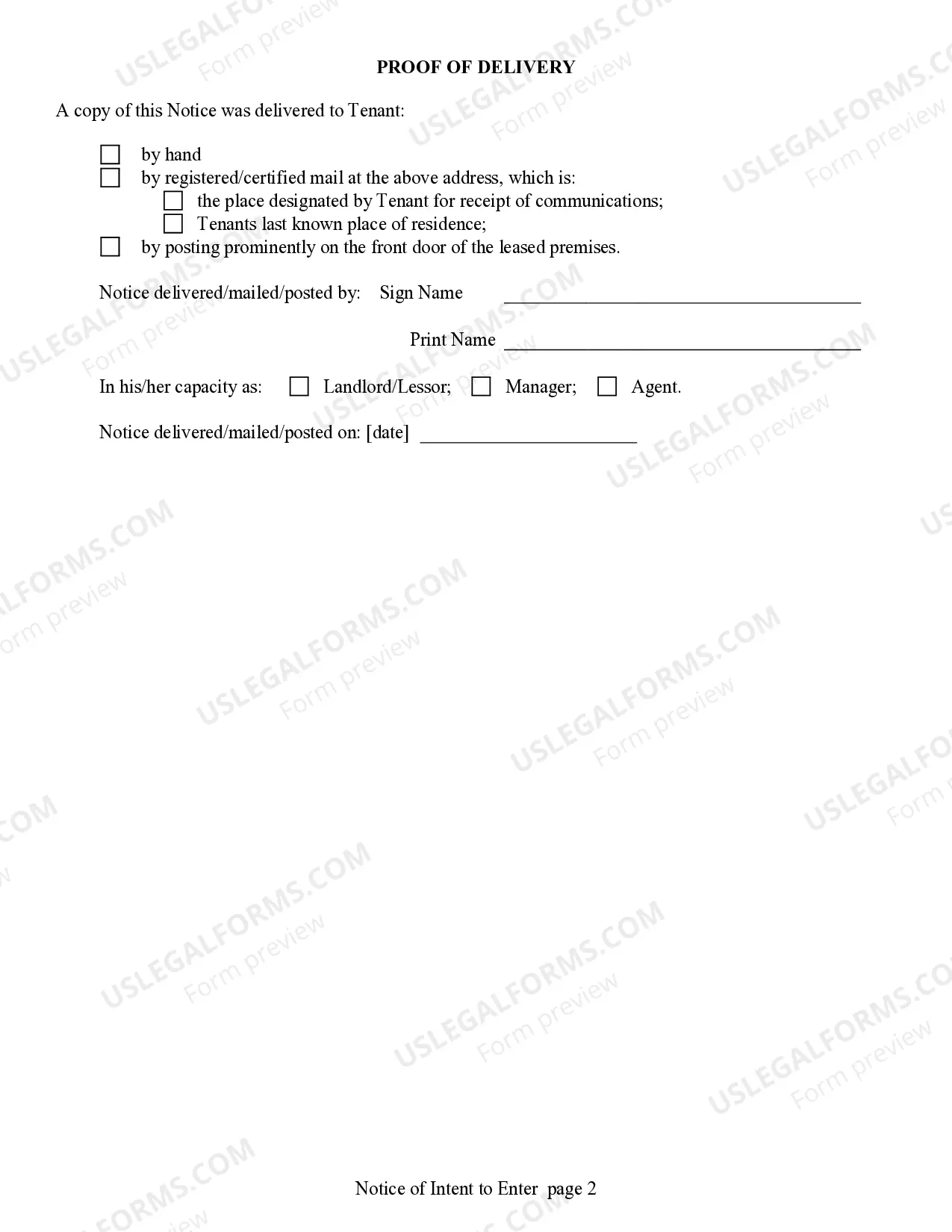
- Proof of Delivery: Details on how the notice was delivered to the tenant, including options for hand delivery, mail, or posting.
- Signature Section: Provides space for the landlord or authorized agent to sign and date the notice.
When to use this document
This form should be used when a landlord has decided to implement a new rule or regulation that will affect tenants living in a residential property. Common situations include changes in policies regarding property use, safety guidelines, or maintenance responsibilities. Using this notice helps ensure that tenants are properly informed, reducing the likelihood of misunderstandings or disputes related to new rules.
Who needs this form
- Residential landlords seeking to implement new rules for tenants.
- Property managers acting on behalf of landlords.
- Residential leaseholders wanting to maintain clarity and communication with their tenants.
How to prepare this document
- Identify the tenants and landlords involved, entering names and addresses.
- Specify the address of the leased premises where the new rule applies.
- Clearly describe the new rule that tenants are required to follow.
- Provide the date of issuance and space for the landlord's signature.
- Complete the proof of delivery section, noting how the notice was delivered to the tenant.
Does this document require notarization?
This form does not typically require notarization unless specified by local law. It is advisable for landlords to check their state's requirements regarding tenant notifications.
Get your form ready online
Our built-in tools help you complete, sign, share, and store your documents in one place.
Make edits, fill in missing information, and update formatting in US Legal Forms—just like you would in MS Word.
Download a copy, print it, send it by email, or mail it via USPS—whatever works best for your next step.
Sign and collect signatures with our SignNow integration. Send to multiple recipients, set reminders, and more. Go Premium to unlock E-Sign.
If this form requires notarization, complete it online through a secure video call—no need to meet a notary in person or wait for an appointment.
We protect your documents and personal data by following strict security and privacy standards.

Make edits, fill in missing information, and update formatting in US Legal Forms—just like you would in MS Word.

Download a copy, print it, send it by email, or mail it via USPS—whatever works best for your next step.

Sign and collect signatures with our SignNow integration. Send to multiple recipients, set reminders, and more. Go Premium to unlock E-Sign.

If this form requires notarization, complete it online through a secure video call—no need to meet a notary in person or wait for an appointment.

We protect your documents and personal data by following strict security and privacy standards.
Typical mistakes to avoid
- Failing to include the date of issuance, which can create confusion about when the rule takes effect.
- Not providing a clear and detailed description of the new rule, leading to misunderstandings.
- Neglecting to sign the form, which can invalidate the delivery of the notice.
Benefits of completing this form online
- Convenient access to templates that can be customized quickly.
- Editability allows landlords to tailor the notice to specific rules or tenant situations.
- Reliable legal framework, ensuring compliance with common landlord-tenant laws.
Legal use & context
- This notice is legally binding and ensures tenants are informed about new rules.
- Failure to provide proper notice could result in disputes regarding enforcement of the new rule.
Key takeaways
- The form serves as an official notice for new rules affecting residential tenants.
- Clear communication about new rules helps maintain a healthy landlord-tenant relationship.
- Properly filling out the form and delivering it ensures legal compliance.
Looking for another form?
Form popularity
FAQ
Lease Provisions If the property is sold with nine months remaining on a one-year lease, the tenant has the right to occupy the unit for the remaining nine months. He or she is still responsible for paying rent and carrying out the terms of the original lease, although rents will generally be paid to the new owner.
If you are a leaseholder, you cannot change the lease terms without agreeing such change with your landlord. The reason for this is that as the lease is a contract between two parties, the leaseholder and the landlord, both parties must agree to change (referred to also as variation) of the terms of the lease.
If the tenant and landlord both agree to the change, the parties can either (1) execute a new lease or rental agreement that includes the new clause, or (2) amend the existing lease or rental agreement.If the tenant will not agree to the change, the landlord cannot change the lease during a fixed term.
If you are not keeping your obligations, your landlord only needs to give you 28 days' notice, regardless of the length of your tenancy. However, if your behaviour is seriously anti-social or threatens the fabric of the property, the landlord only needs to give you 7 days' notice.
Notice Requirements for California Landlords A landlord can simply give you a written notice to move, allowing you 30 days (60 days if you've lived in the rental a year or more) as required by California law and specifying the date on which your tenancy will end.
If you're an assured tenant or a protected tenant Your landlord will have to give you notice if they want you to leave. They have to give the reasons why they want to evict you - for example, if you have rent arrears or you've damaged the property. Your landlord will have to go to court and get a court order.
Your landlord can end the let at any time by serving a written 'notice to quit'. The notice period will depend on the tenancy or agreement, but is often at least 4 weeks.
During the lease period, no landlord old or new may terminate the lease, raise the rent or change any terms without the tenant's consent, unless otherwise specified in the lease. At the end of the lease term, however, the landlord may raise rent and change lease terms dependent upon state and local laws.
The notice required to end a month-to-month tenancy in California is typically 30 days for both the tenant and landlord.Unlike many states, tenants in California can give notice in the middle of a month and move out in the middle of the following month.