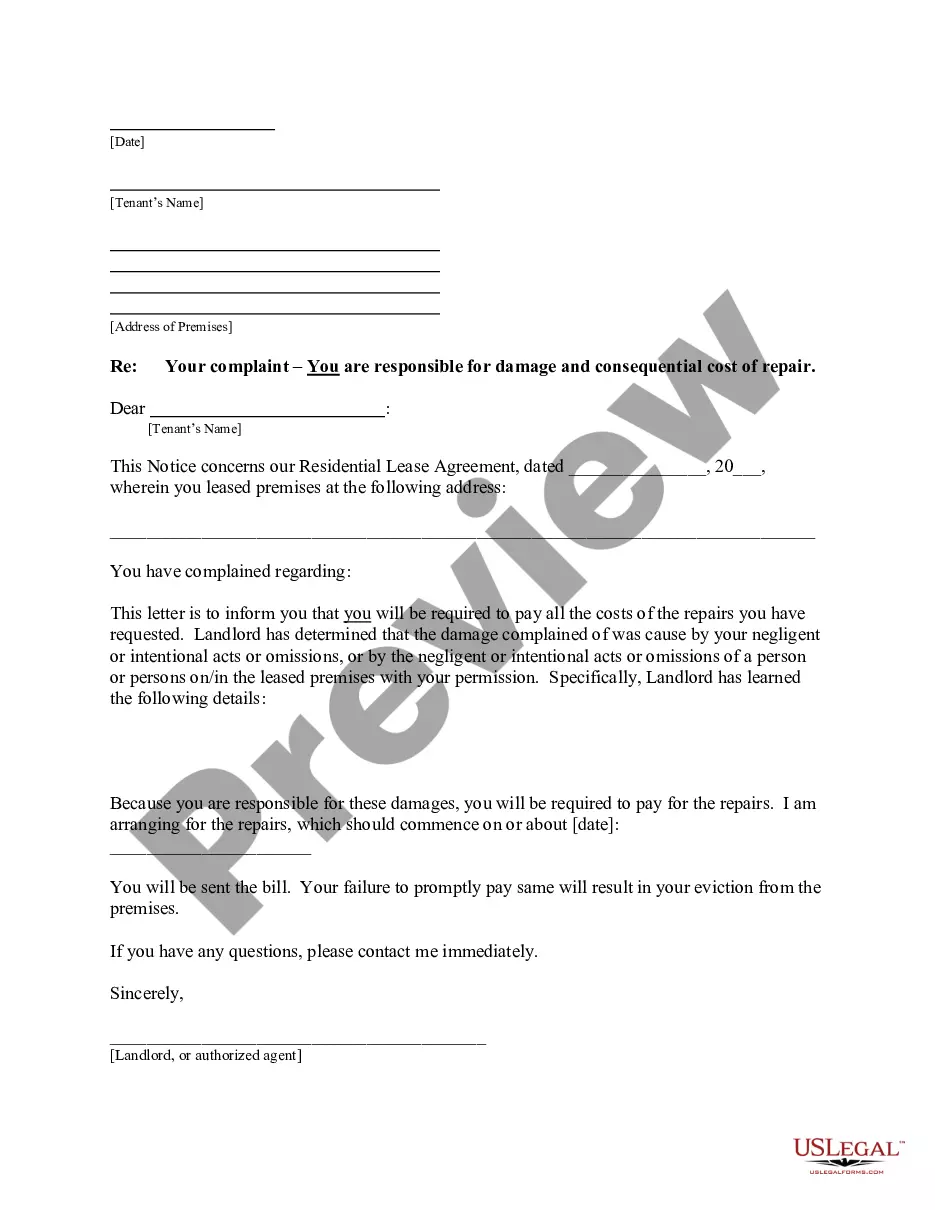
Agreement to Sell Certified Public Accountancy Firm
Overview of this form
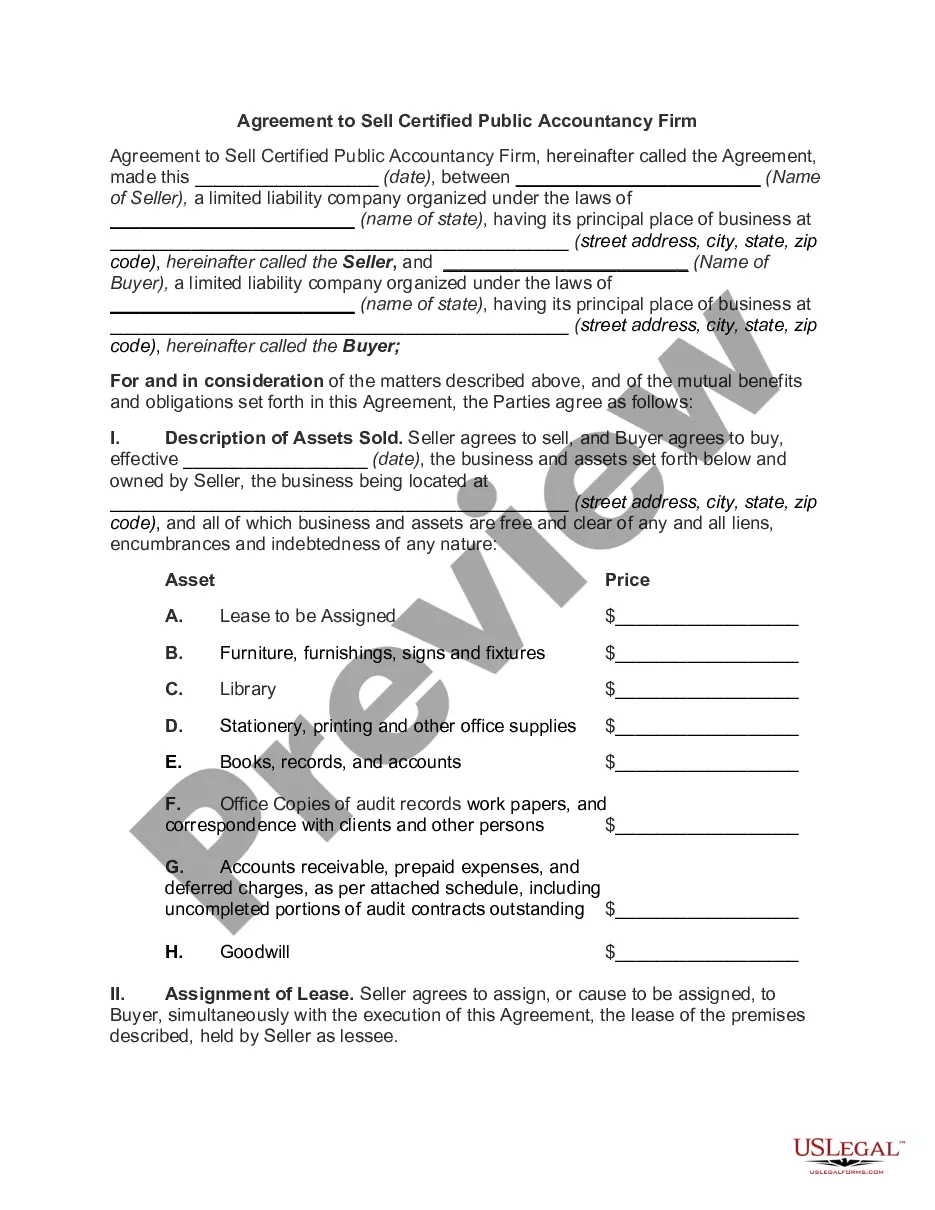
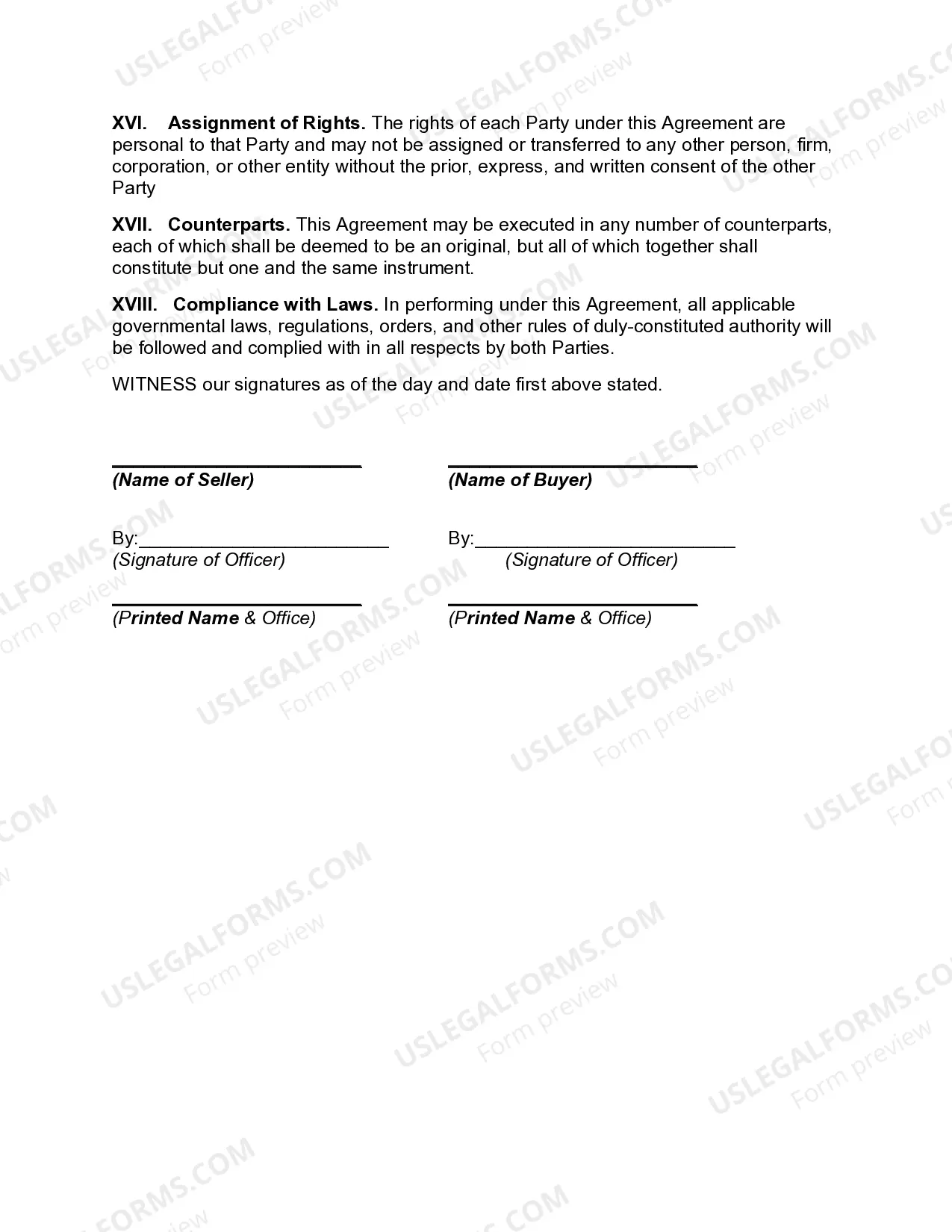
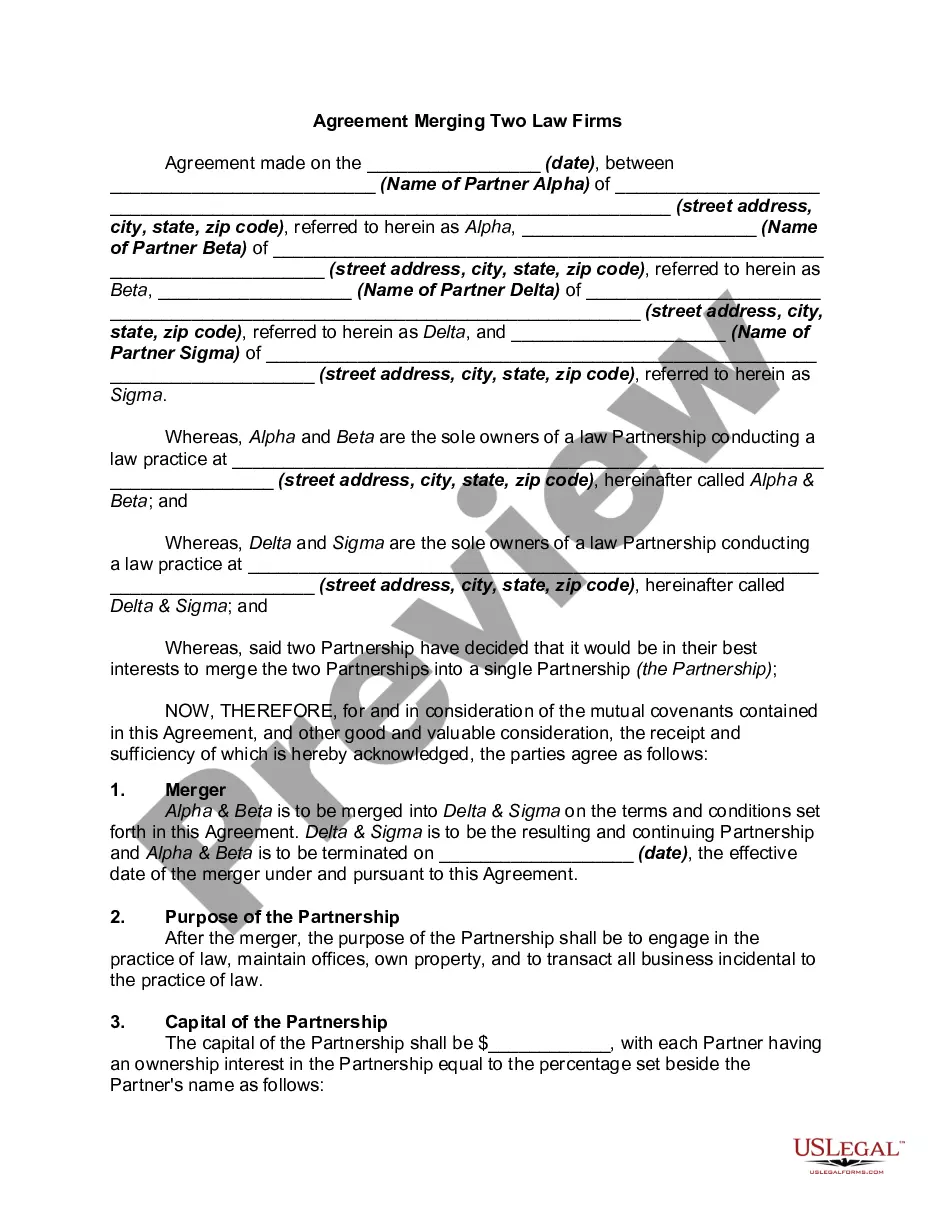
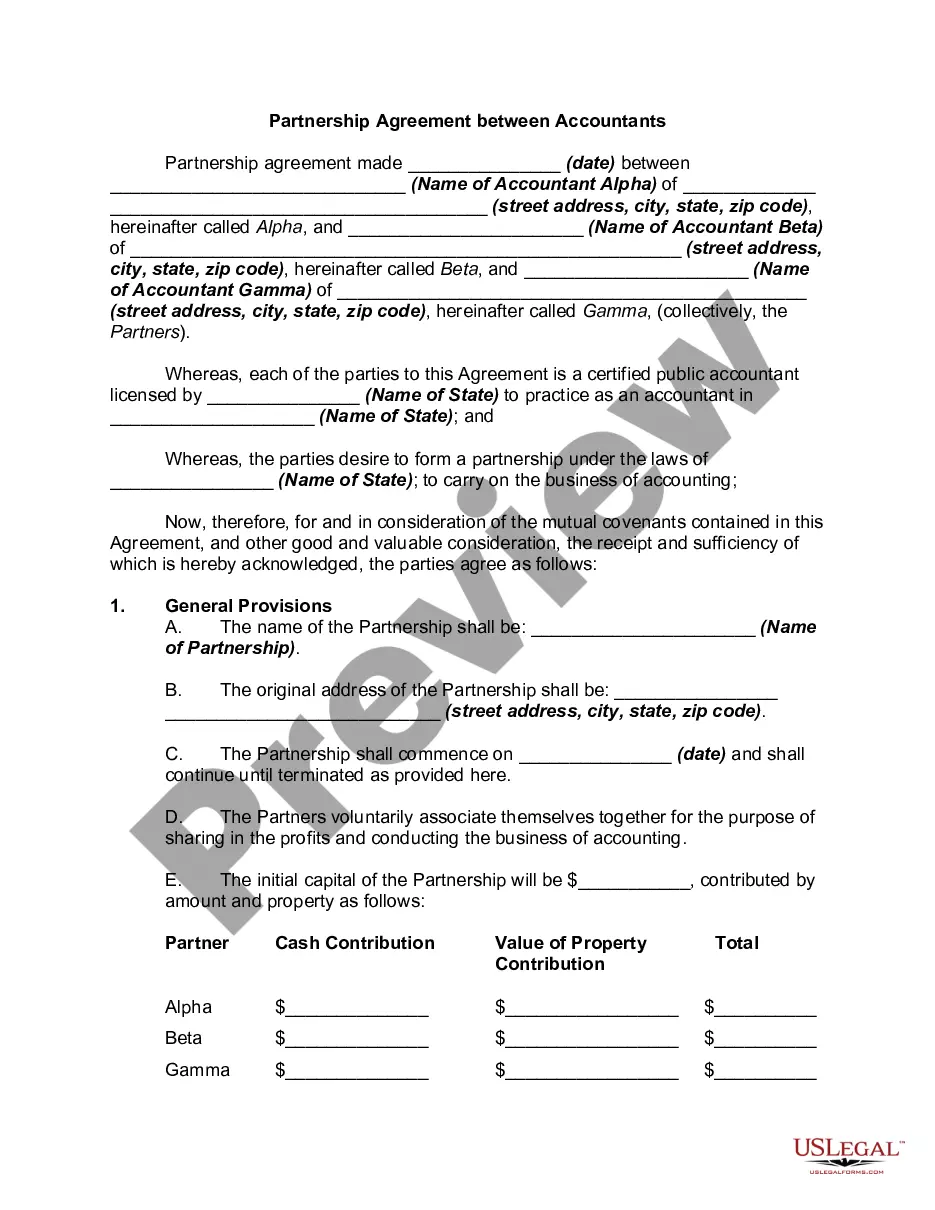
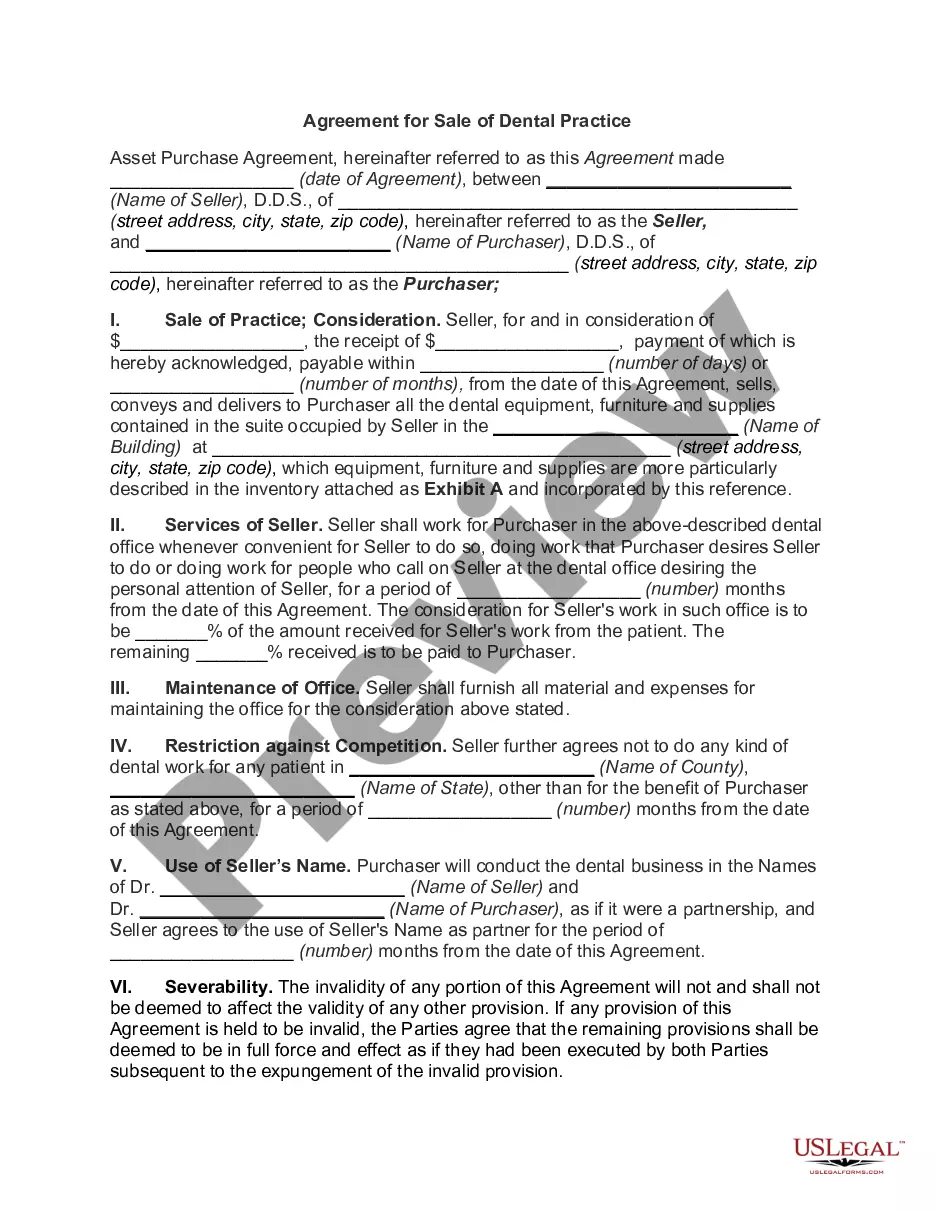
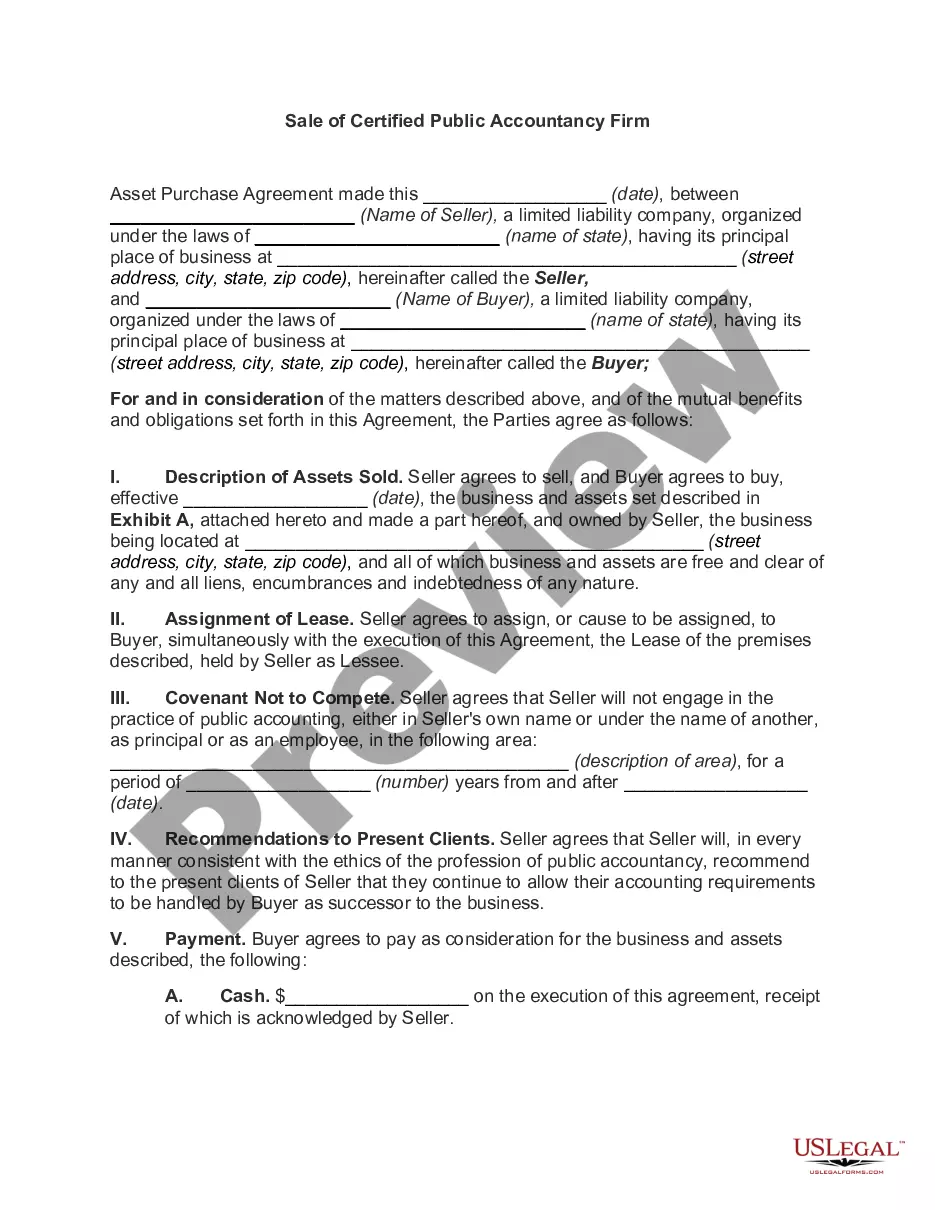
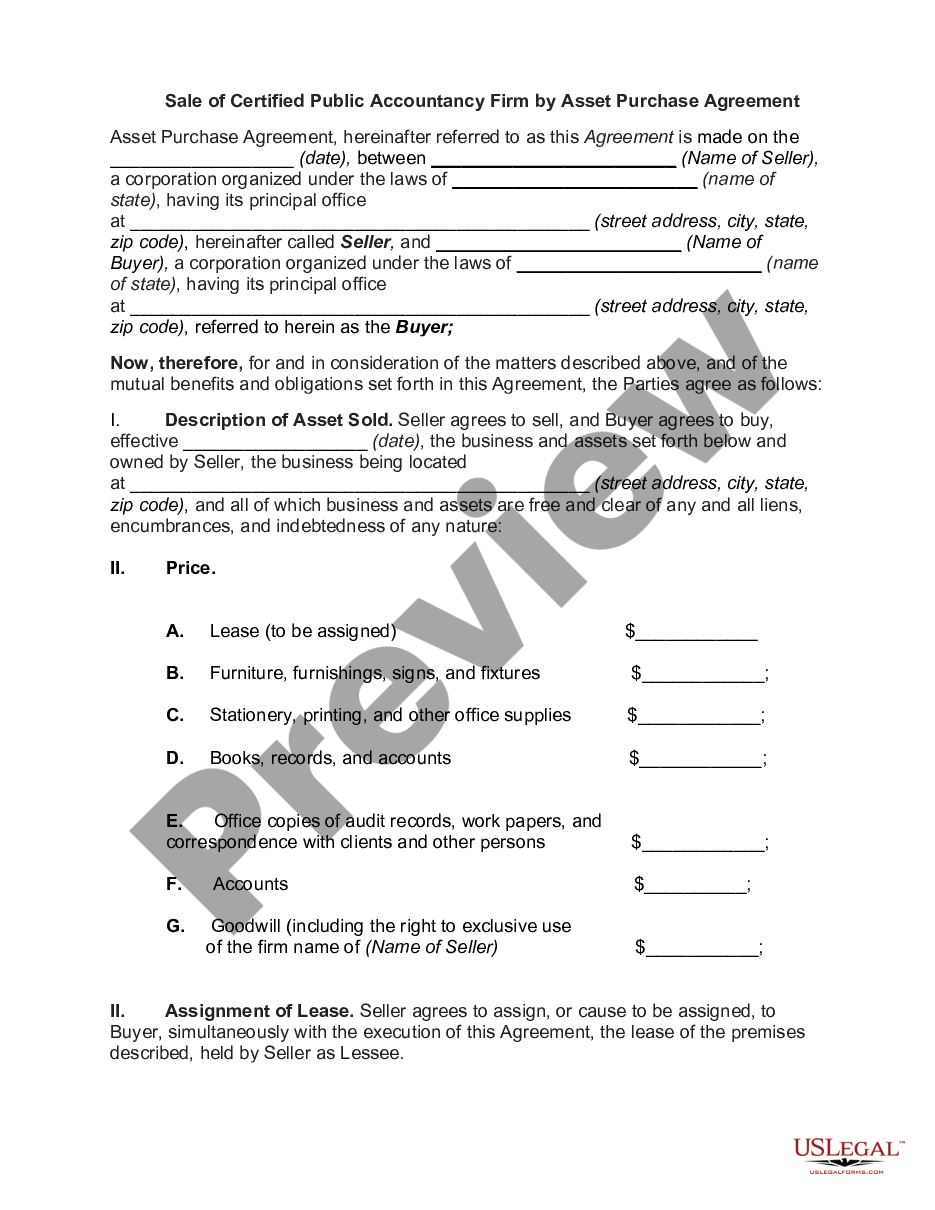
The Agreement to Sell Certified Public Accountancy Firm is a legal document that outlines the terms under which one party (the Seller) agrees to sell their accounting business to another party (the Buyer). This agreement details the transaction specifics, including the assets involved, payment terms, and any covenants such as non-compete clauses. This form is essential for ensuring both parties have a clear understanding of their rights and obligations in the sale of the business, helping to differentiate it from generic sales agreements by focusing specifically on the context of accountancy firms.
Key parts of this document
- Description of assets sold, including detailed listings and their prices.
- Assignment of lease terms related to the premises of the accounting practice.
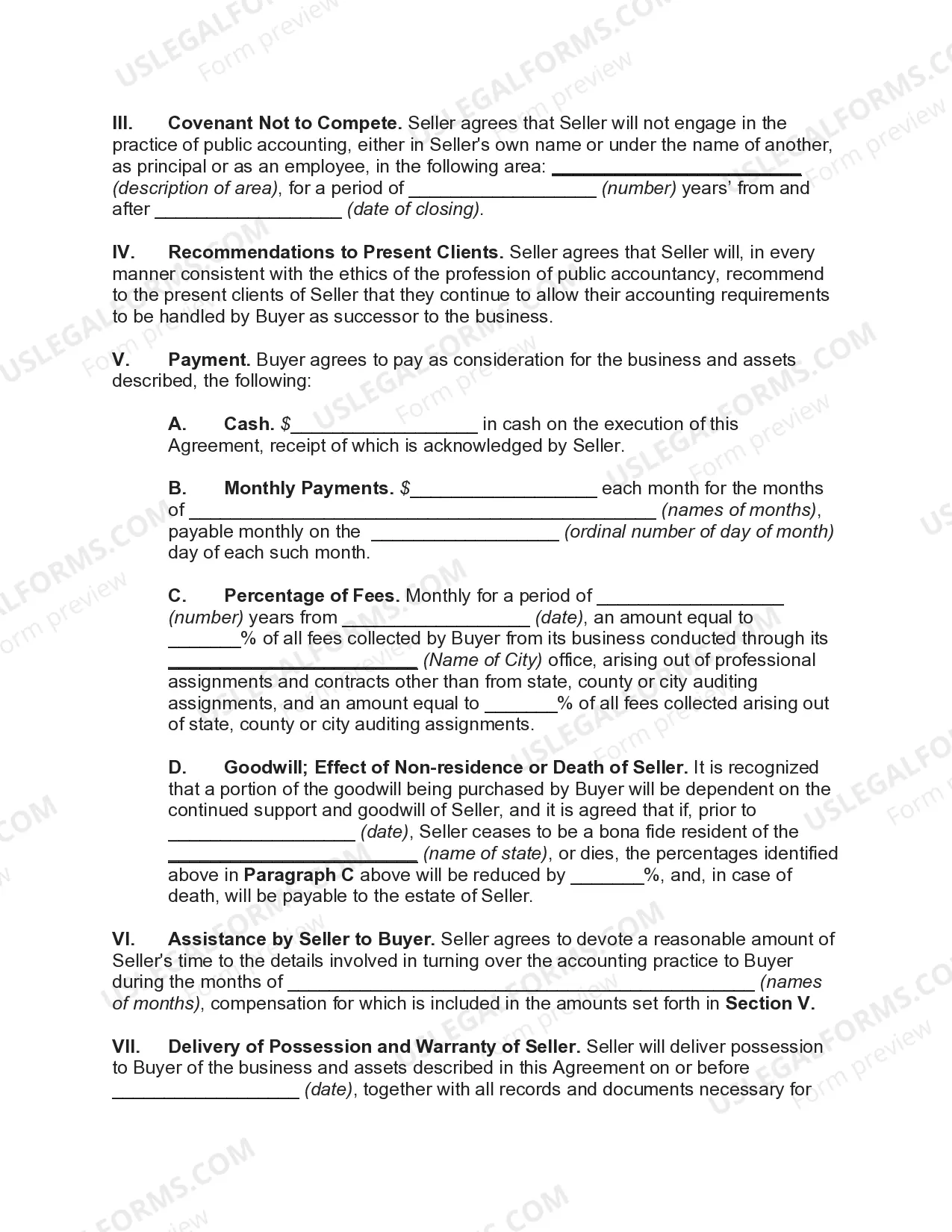
- Non-compete agreement which restricts the Seller from engaging in similar business activity for a certain period.
- Payment terms outlining cash payments, monthly payments, and percentage fees.
- Provisions for the Sellerâs assistance during the transition of the business.
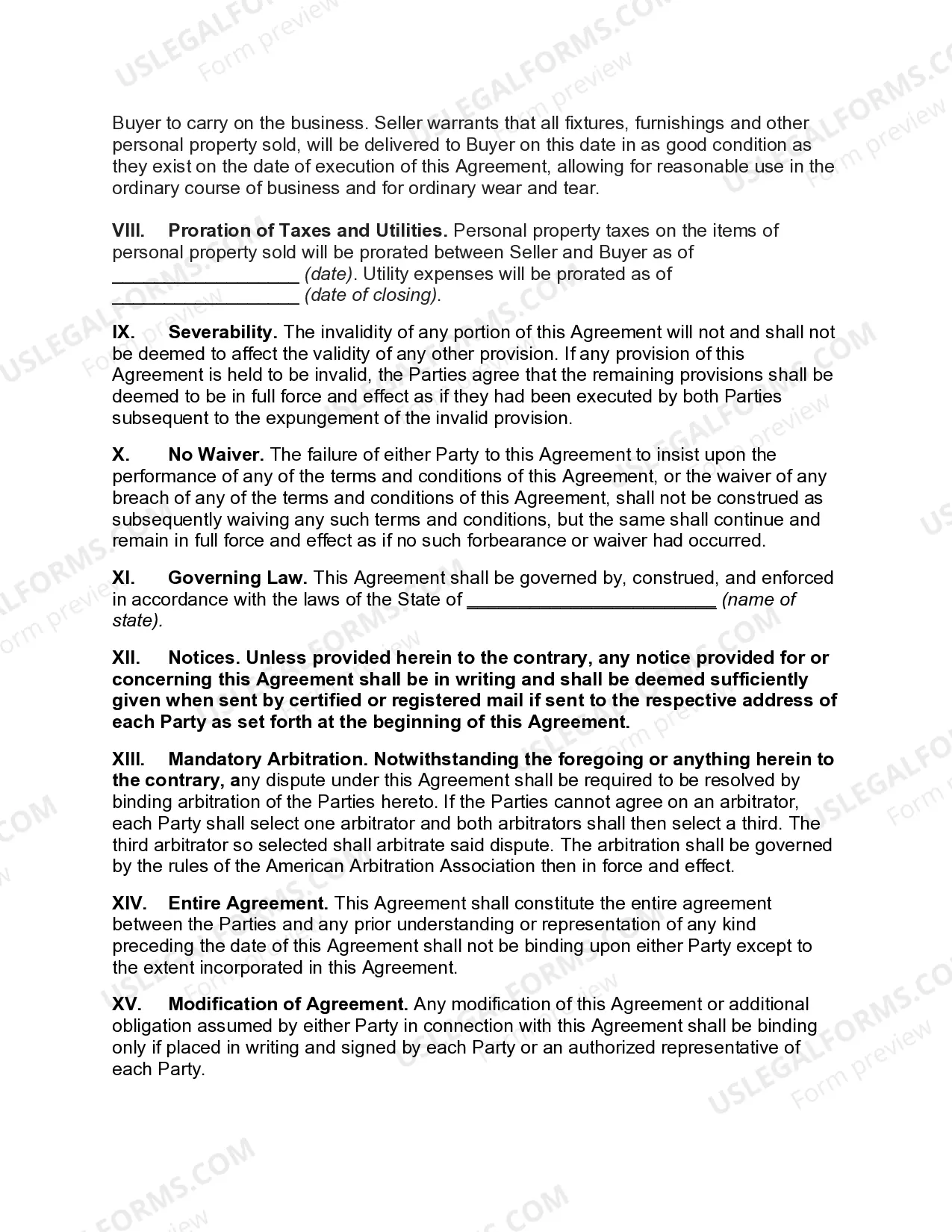
- Conditions regarding proration of taxes and utilities, as well as warranties regarding the condition of sold assets.
When this form is needed
This form should be used when a certified public accountancy firm is being sold. It is particularly important during the transfer of ownership where the Seller and Buyer want to ensure clear terms regarding business assets, payment structure, and future operations. Common situations include retirement sales, mergers, or business relocations where the firm name, clientele, and operational assets are distinctly valuable and must be formally transferred.
Who can use this document
This form is intended for:
- Sellers of a certified public accountancy firm looking to legally transfer ownership of their practice.
- Buyers interested in acquiring a practiced, established accounting business.
- Legal professionals representing either party in the sale to ensure compliance with legal standards and protections.
How to prepare this document
- Identify the parties involved by entering the names and addresses of both the Seller and the Buyer.
- Detail the assets being sold with their respective prices to clearly outline what is included in the sale.
- Specify the payment terms including any upfront cash and structured payment arrangements.
- Fill in the non-compete clause by defining the geographic area and duration of the restriction.
- Ensure both parties sign the agreement once all terms are complete and agreed upon.
Notarization requirements for this form
This form typically does not require notarization unless specified by local law. However, having a notarized agreement can provide added legitimacy and may be necessary for specific jurisdictions to validate the details of the transaction.
Get your form ready online
Our built-in tools help you complete, sign, share, and store your documents in one place.
Make edits, fill in missing information, and update formatting in US Legal Forms—just like you would in MS Word.
Download a copy, print it, send it by email, or mail it via USPS—whatever works best for your next step.
Sign and collect signatures with our SignNow integration. Send to multiple recipients, set reminders, and more. Go Premium to unlock E-Sign.
If this form requires notarization, complete it online through a secure video call—no need to meet a notary in person or wait for an appointment.
We protect your documents and personal data by following strict security and privacy standards.

Make edits, fill in missing information, and update formatting in US Legal Forms—just like you would in MS Word.

Download a copy, print it, send it by email, or mail it via USPS—whatever works best for your next step.

Sign and collect signatures with our SignNow integration. Send to multiple recipients, set reminders, and more. Go Premium to unlock E-Sign.

If this form requires notarization, complete it online through a secure video call—no need to meet a notary in person or wait for an appointment.

We protect your documents and personal data by following strict security and privacy standards.
Typical mistakes to avoid
- Failing to list all assets and their values accurately, which may lead to disputes later.
- Neglecting to specify the geographical area and time frame in the non-compete clause.
- Not including a provision for Seller assistance, which could complicate the transition.
- Overlooking state-specific compliance that may invalidate the agreement.
Advantages of online completion
- Convenience of downloading and filling out the form at your own pace.
- Editability allows for easy adjustments as necessary to fit your specific situation.
- Reliability of a legally vetted document that adheres to standard practices.
Looking for another form?
Form popularity
FAQ
Accounting, tax, and CPA practices are still sold based on gross revenues. Terms: Pricing and terms cannot be separated.
Before Purchasing a CPA Firm, Use This Due Diligence Checklist. Structure of the Firm.Check the Financial Statements.Get to Know the Employees.Know Your Client's Needs.Prepare Legal Information.Investigate the Cash Flow.Maintain Fair Billing and Pricing.File Paperwork and Client Information.
Some CPA practice valuations start at 150% of a firm's total revenue and deduct for any negative aspects. Whichever method you end up using to value your practice, the average firm will sell for approximately 70-130% of revenues. Another method includes starting at net profit and multiplying by 2-2.5%.
Accounting practices are worth one times annual gross revenue. This is a belief that has been around our profession for decades and, in fact, still drives the marketplace. No one can really explain why one times gross is such an accepted formula.
How to Value a CPA Firm Upfront Cash Investment. Upfront cash investment refers to how much the buyer is willing to pay as a down payment.Retention Period.Duration of The Payout Period.Profitability.Size of the Firm.Profitability.Location.Terms of the sale.
Price = Net Profit before tax x 100/ROI What's ROI? Theoretically, it's the buyer's desired return on investment but in practice, business brokers tend to have a sliding scale based on the net profit of the practice using a high ROI percentage at low profit numbers, and lower percentages as the profit increases.
How does an accounting firm make money? An accounting service makes money by charging clients fees. Some work on an hourly basis while others accept a flat rate for project work. Other accounting services are paid an annual sum of money that covers the entire year's worth of accounting work.
One can determine accounting practice valuation by pulling practice comparable sales for the last ten years, and the average will be one time gross. While most industries sell as a function of profit or cash flow, accounting sells ing to their gross revenue.