Uniquely packaged forms and information for Chapter 7 or 13 bankruptcies, including detailed instructions and other resources. Click and view the Free Preview for the latest revision dates and a complete overview of contents.
New York Northern District Bankruptcy Guide and Forms Package for Chapters 7 or 13
Instant download
This website is not affiliated with any governmental entity
Public form
Description
How to fill out New York Northern District Bankruptcy Guide And Forms Package For Chapters 7 Or 13?
When it comes to submitting New York Northern District Bankruptcy Guide and Forms Package for Chapters 7 or 13, you probably think about an extensive process that involves getting a perfect sample among countless similar ones and after that needing to pay a lawyer to fill it out to suit your needs. On the whole, that’s a slow and expensive choice. Use US Legal Forms and choose the state-specific template within just clicks.
In case you have a subscription, just log in and click on Download button to have the New York Northern District Bankruptcy Guide and Forms Package for Chapters 7 or 13 sample.
If you don’t have an account yet but need one, follow the step-by-step guideline below:
- Be sure the document you’re downloading applies in your state (or the state it’s needed in).
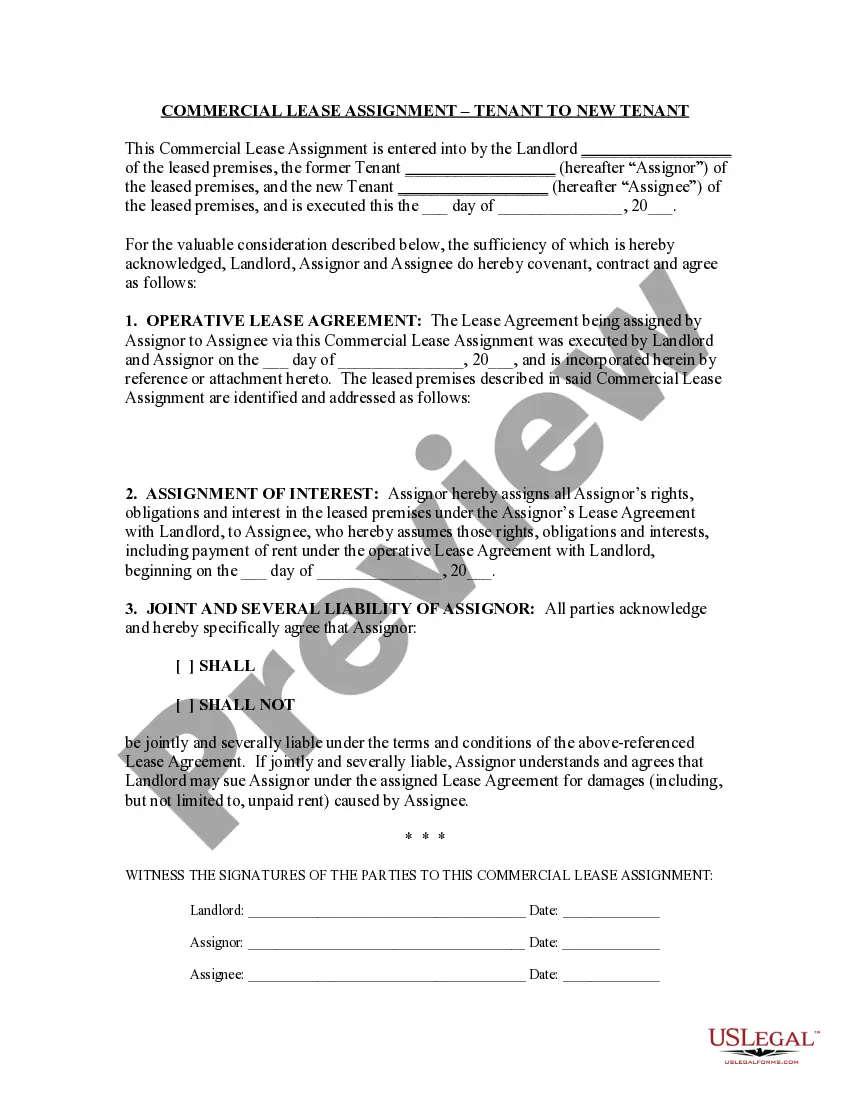
- Do this by reading the form’s description and also by visiting the Preview option (if offered) to see the form’s information.
- Click on Buy Now button.
- Pick the appropriate plan for your financial budget.
- Sign up for an account and choose how you want to pay out: by PayPal or by credit card.
- Download the file in .pdf or .docx file format.
- Find the record on the device or in your My Forms folder.
Professional attorneys draw up our templates so that after saving, you don't need to worry about modifying content outside of your personal info or your business’s info. Sign up for US Legal Forms and get your New York Northern District Bankruptcy Guide and Forms Package for Chapters 7 or 13 sample now.