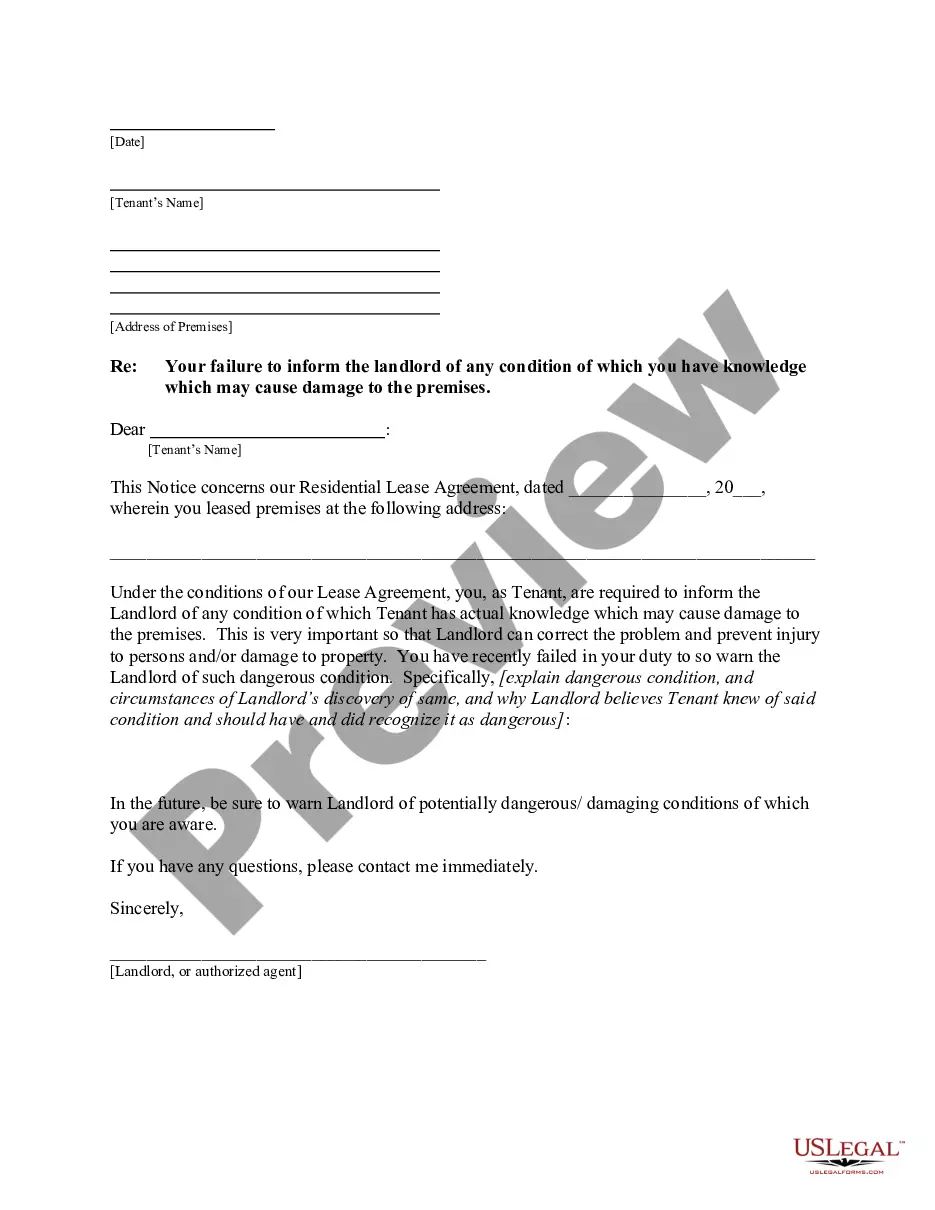
Michigan Notice of Breach of Written Lease for Violating Specific Provisions of Lease with Right to Cure for Residential Property from Landlord to Tenant
Understanding this form
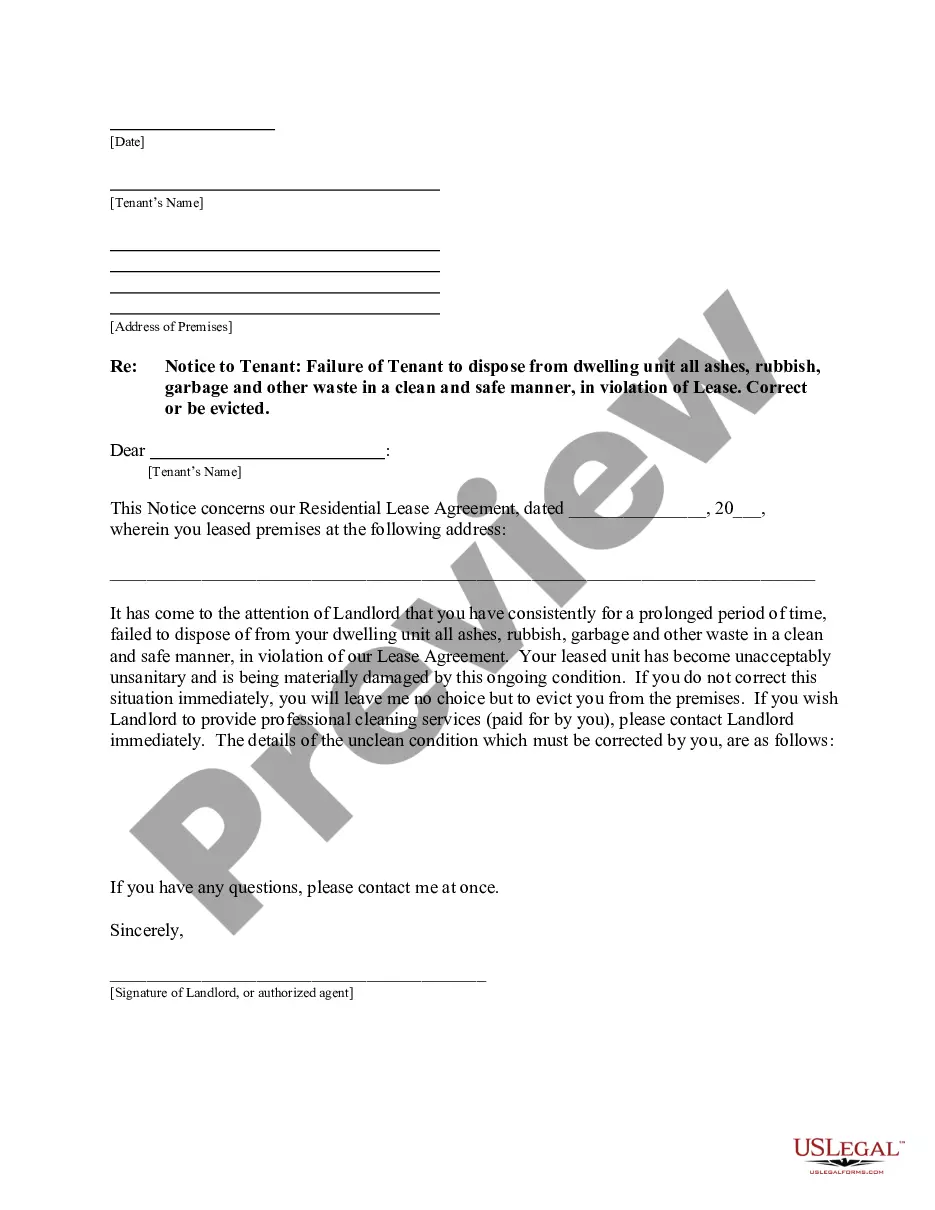
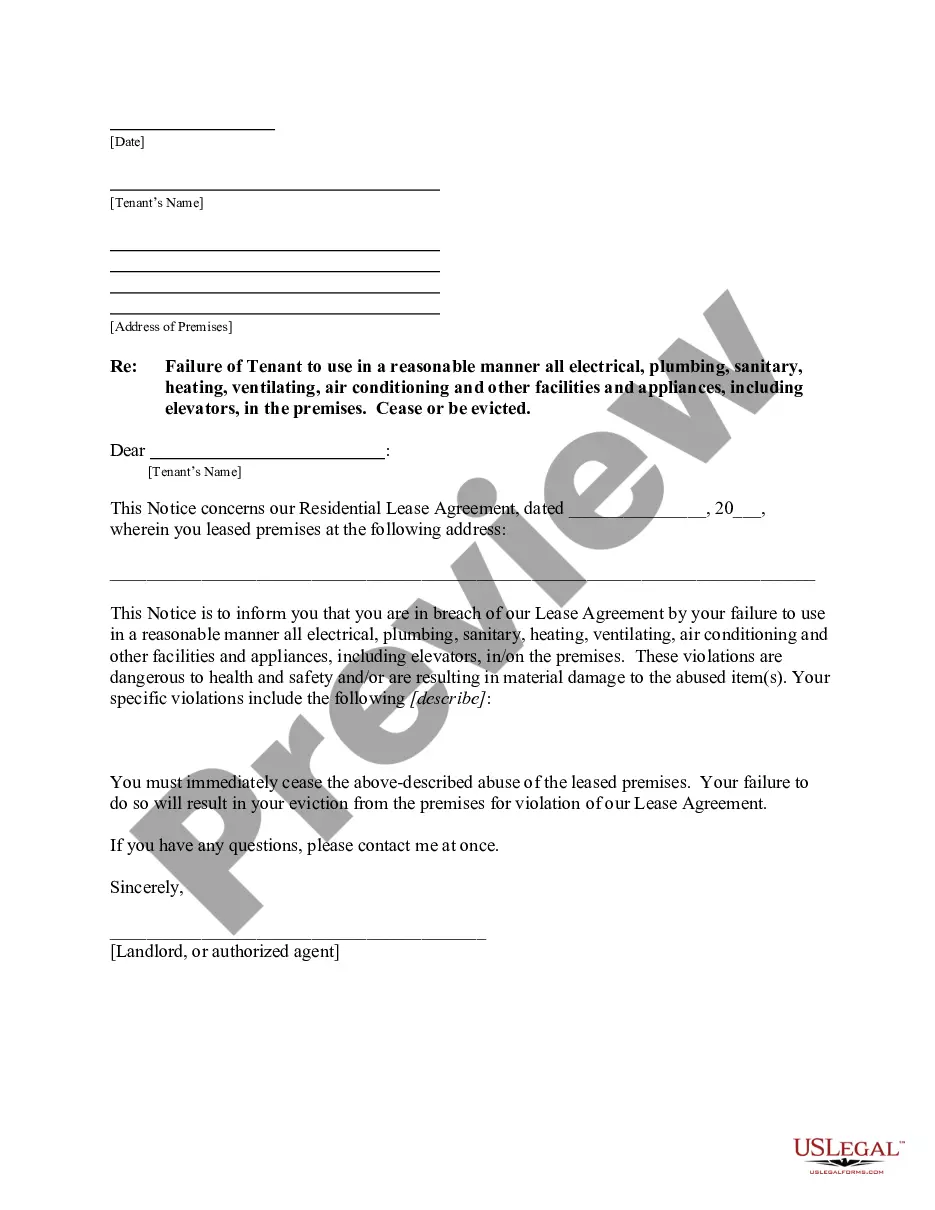
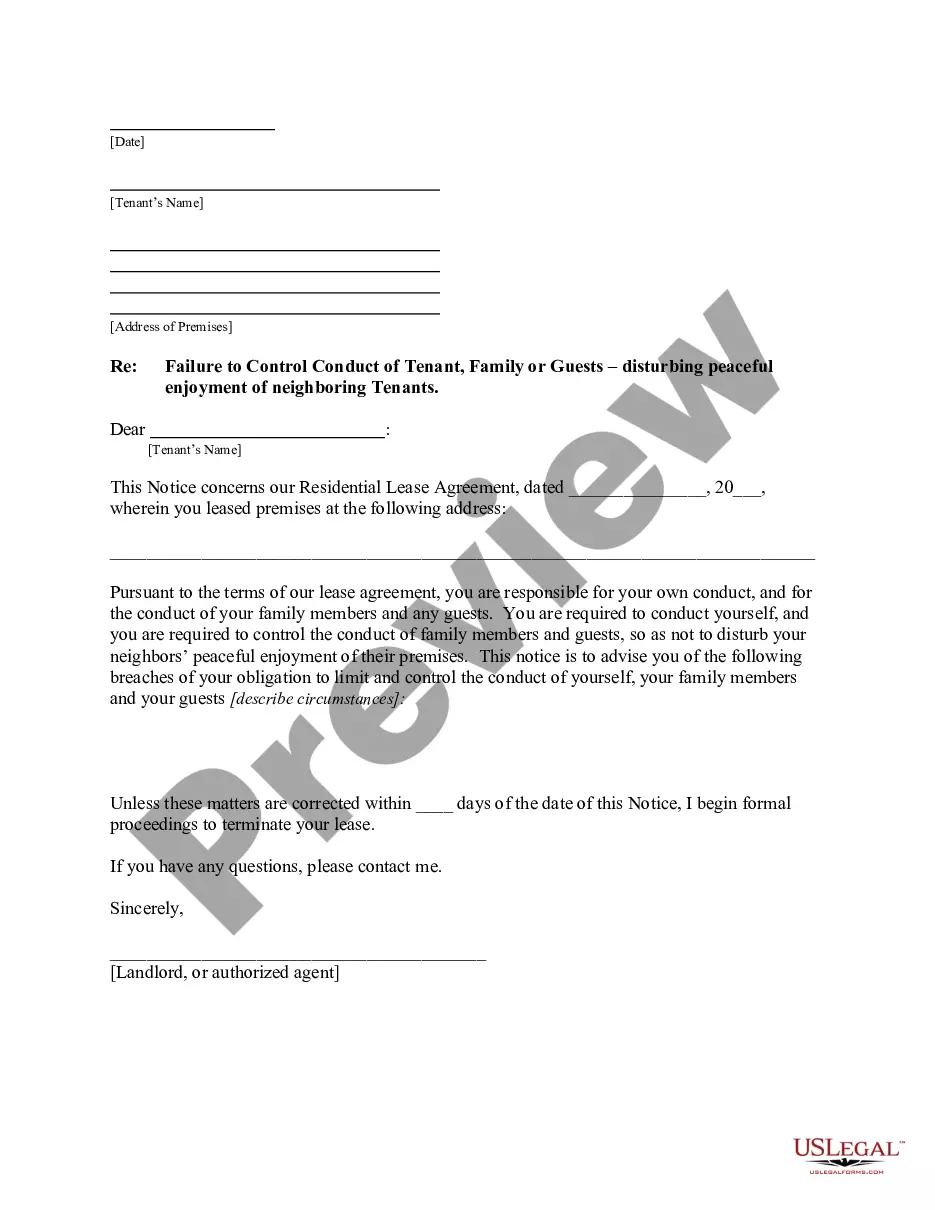
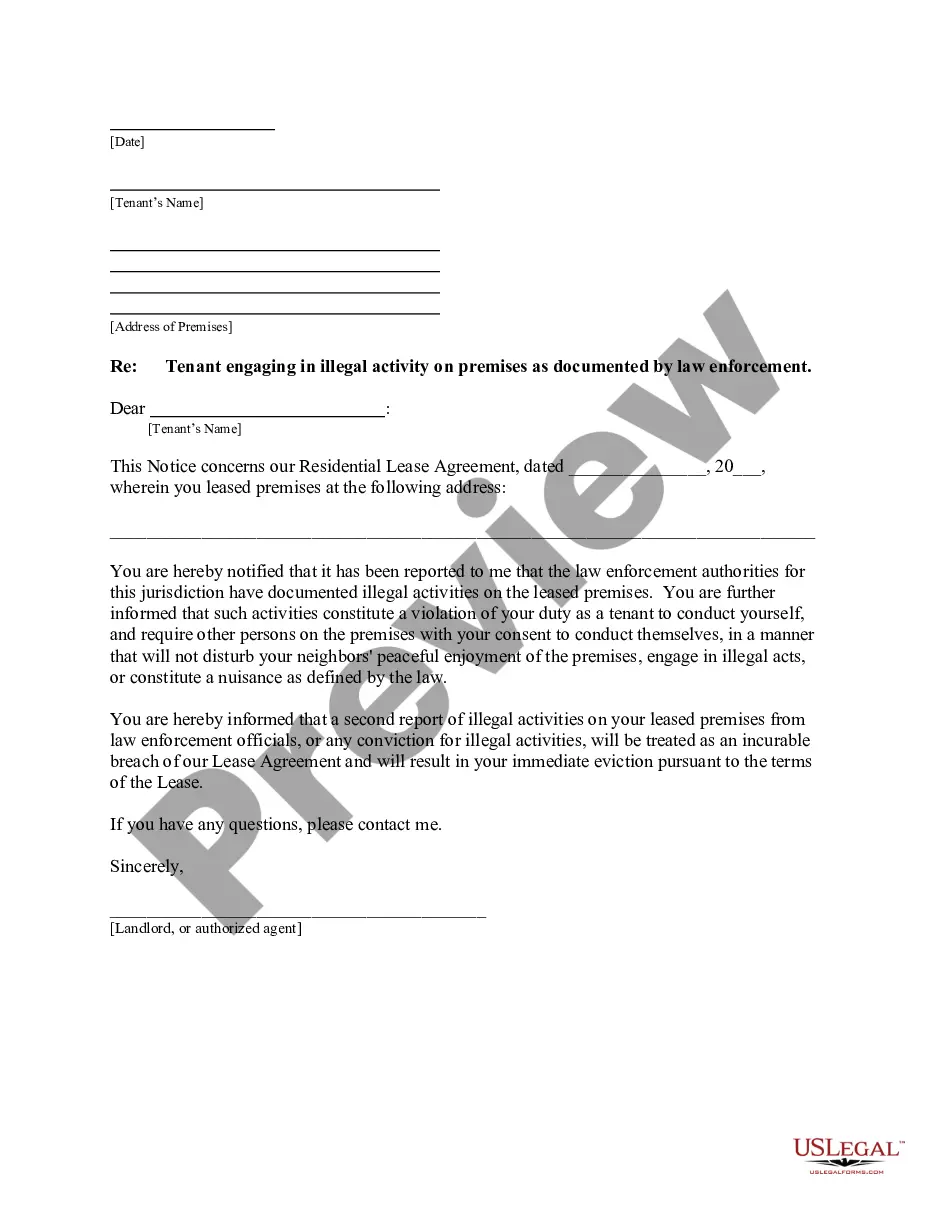
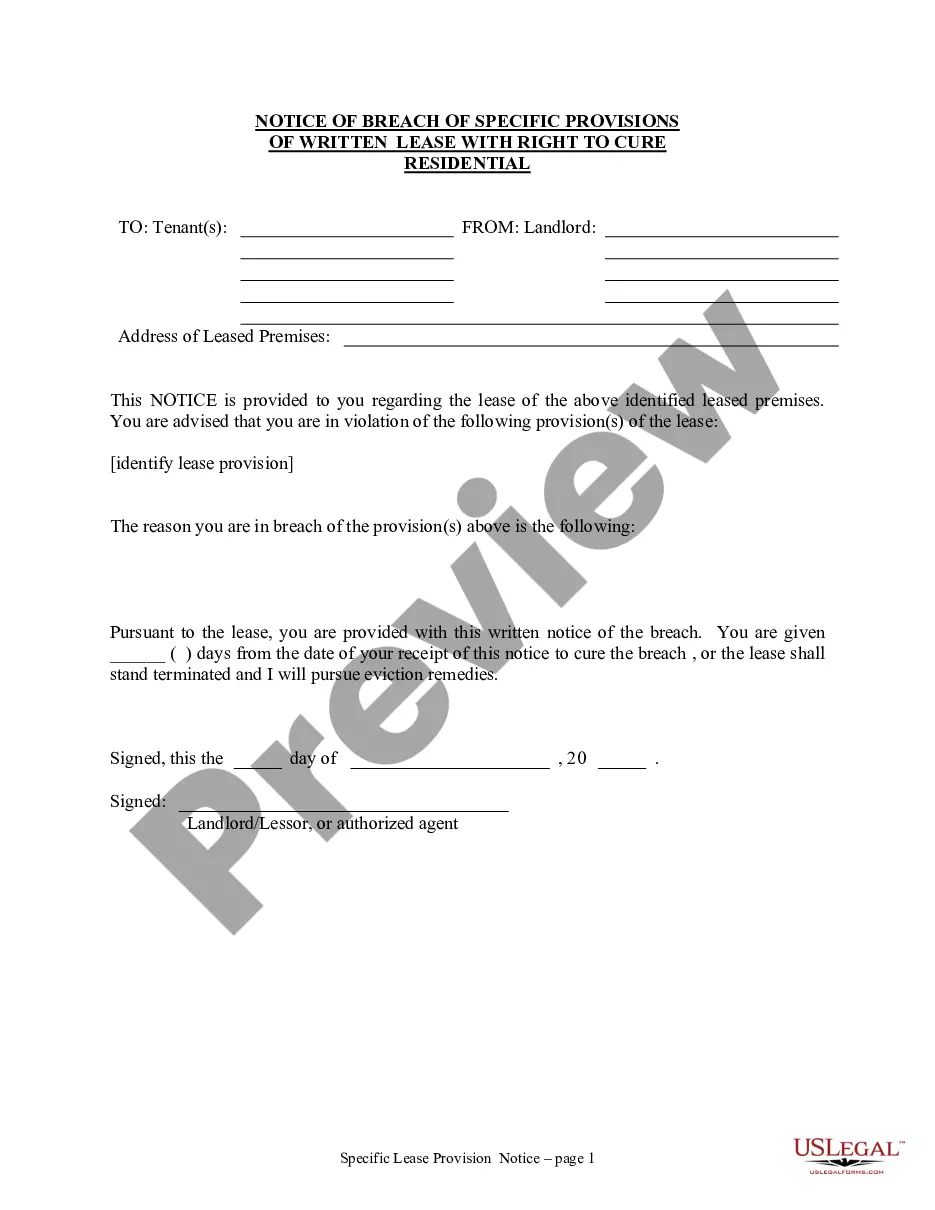
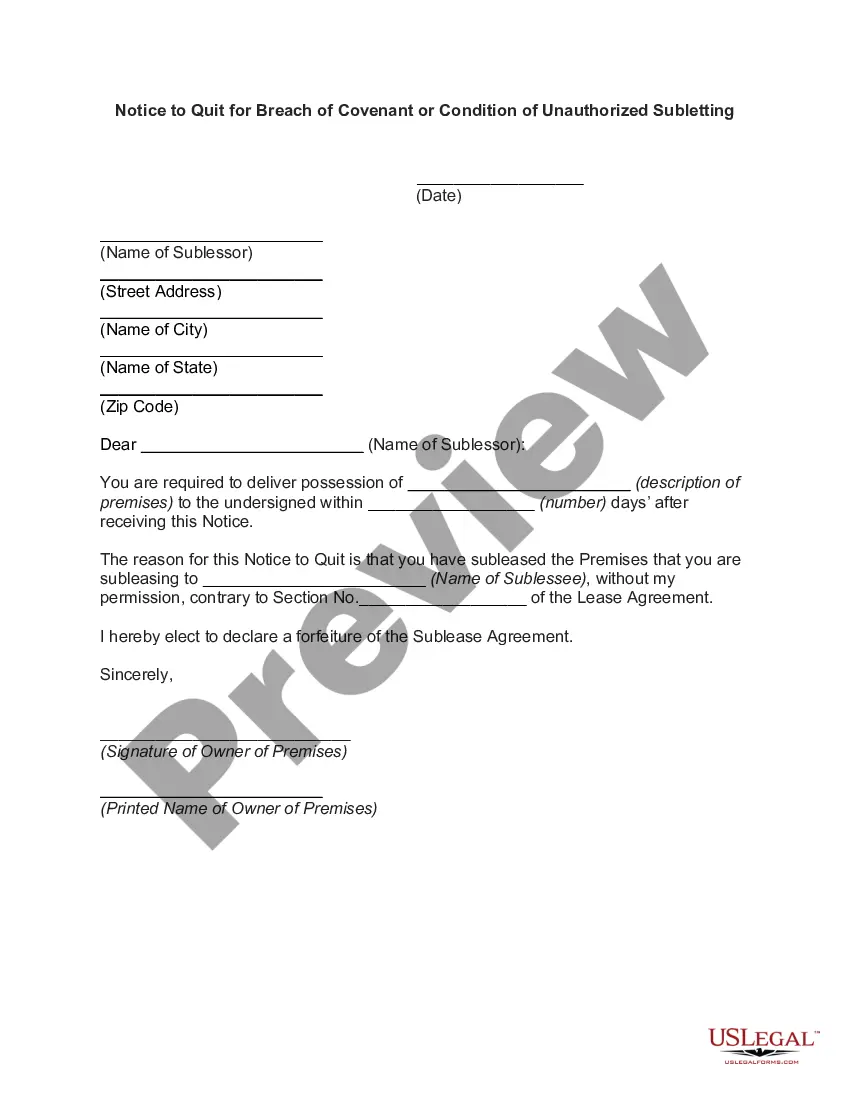
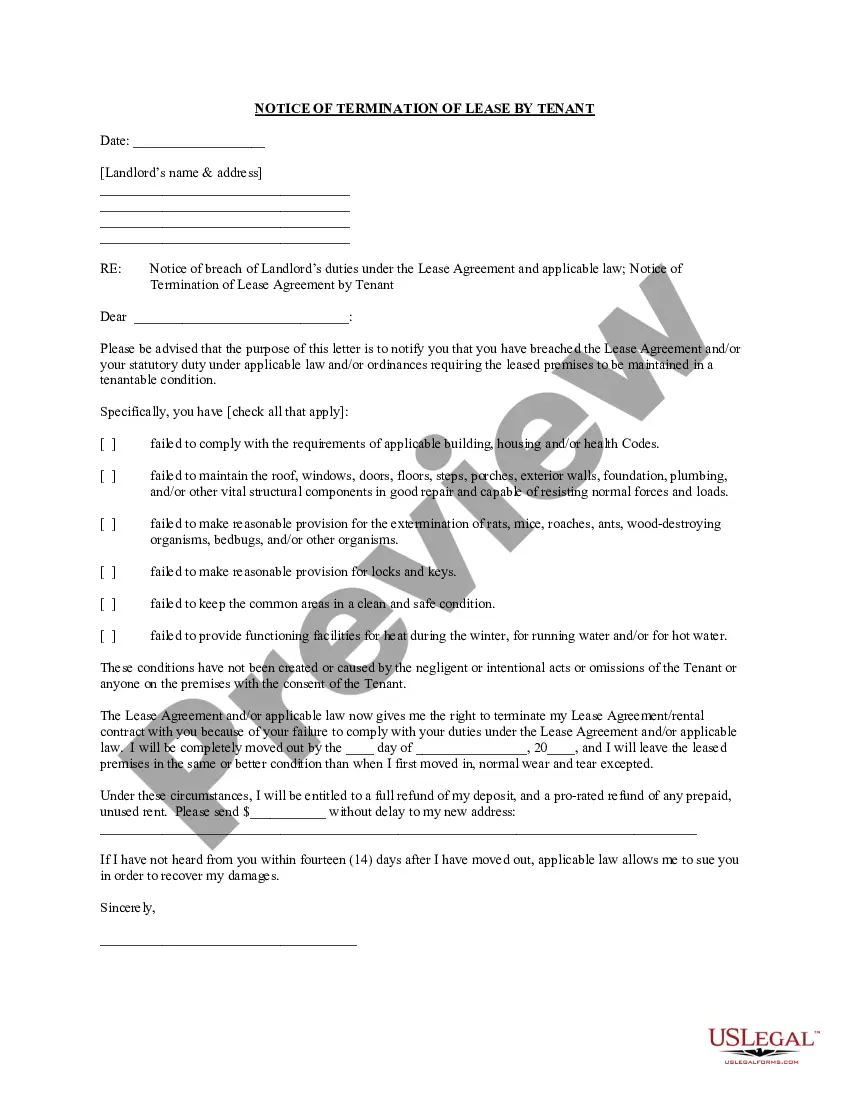
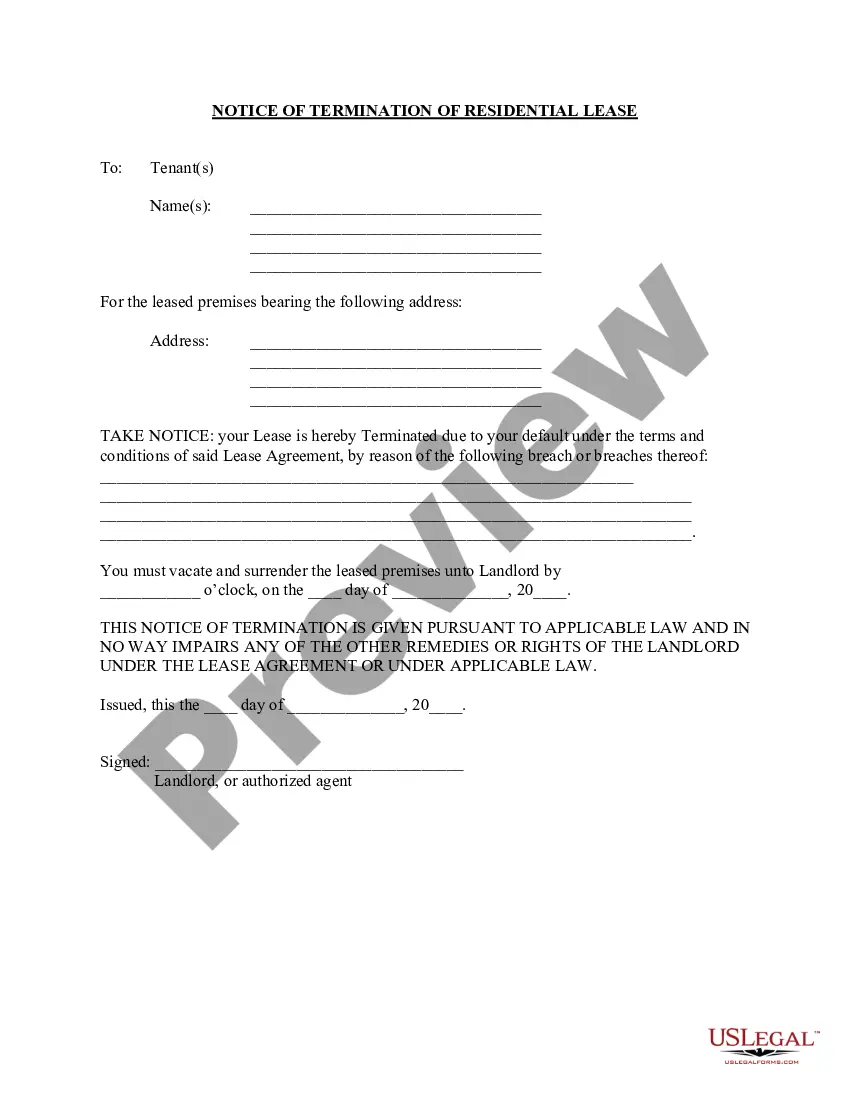
The Notice of Breach of Written Lease for Violating Specific Provisions of Lease with Right to Cure for Residential Property from Landlord to Tenant is a legal document used by landlords to formally notify tenants of a breach in their written lease agreement. This form specifically details the provision that has been violated and grants the tenant a specified period to correct the issue. Unlike other notices, this form includes the right to cure the breach, allowing tenants the opportunity to rectify their violation before further action is taken.
What’s included in this form
- Identification of the landlord and tenant.
- Address of the leased premises.
- Specific lease provision being violated.
- Explanation of the breach.
- Deadline for curing the breach.
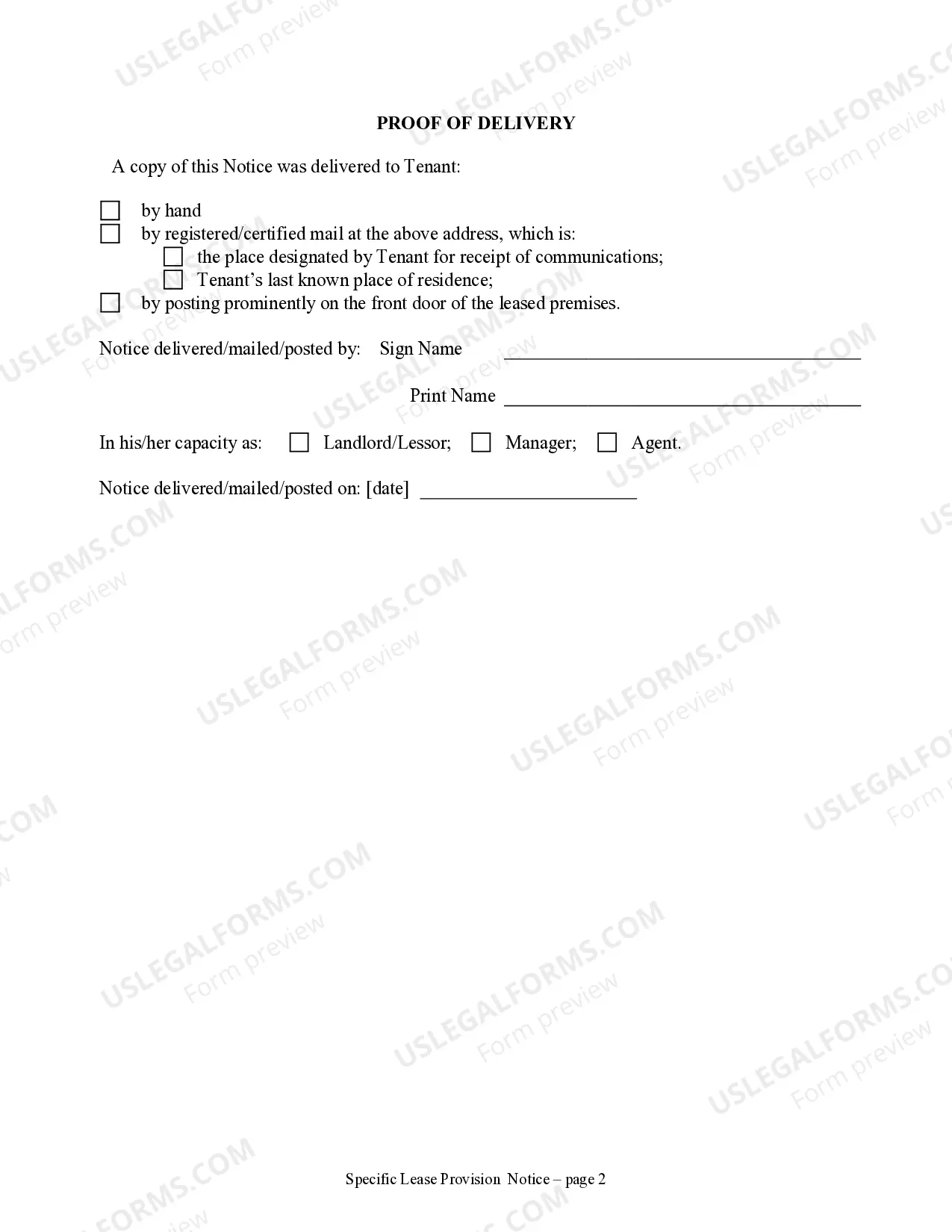
- Proof of delivery method for the notice.
When to use this form
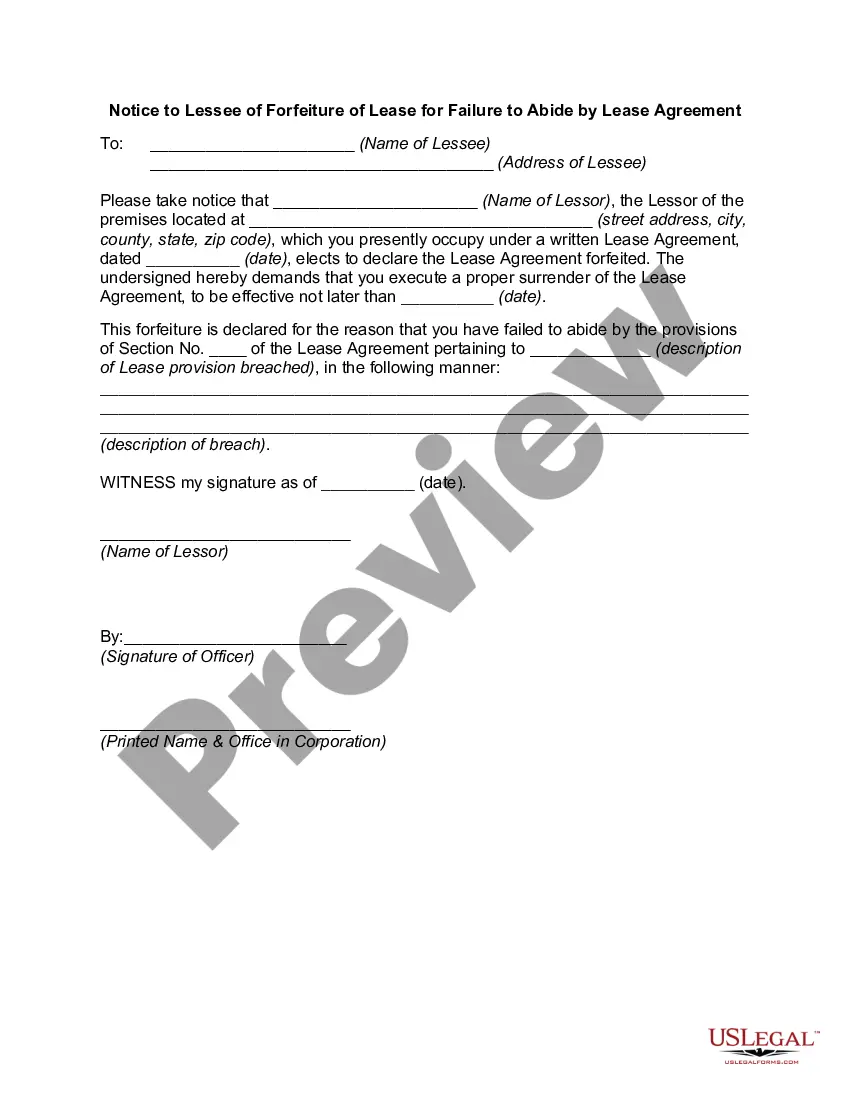
This form is essential for landlords who need to notify a tenant about a specific violation of the lease terms. It is commonly used in situations such as when a tenant fails to pay rent on time, violates property rules, or engages in prohibited activities. This notice serves to formally document the breach and initiate the process for the tenant to correct the issue before facing possible termination of the lease or eviction proceedings.
Who this form is for
This form is intended for:
- Residential landlords seeking to enforce terms of a lease.
- Property managers representing landlords in lease agreements.
- Tenant advocates looking to understand their rights and obligations.
Completing this form step by step
- Identify the landlord and tenant by providing their names and contact information.
- Specify the address of the leased property.
- Detail the specific lease provision that has been violated.
- Explain the reason for the breach clearly and concisely.
- Enter the number of days the tenant has to cure the breach.
- Sign and date the notice, ensuring it is delivered according to the chosen method.
Is notarization required?
Notarization is generally not required for this form. However, certain states or situations might demand it. You can complete notarization online through US Legal Forms, powered by Notarize, using a verified video call available anytime.
Get your form ready online
Our built-in tools help you complete, sign, share, and store your documents in one place.
Make edits, fill in missing information, and update formatting in US Legal Forms—just like you would in MS Word.
Download a copy, print it, send it by email, or mail it via USPS—whatever works best for your next step.
Sign and collect signatures with our SignNow integration. Send to multiple recipients, set reminders, and more. Go Premium to unlock E-Sign.
If this form requires notarization, complete it online through a secure video call—no need to meet a notary in person or wait for an appointment.
We protect your documents and personal data by following strict security and privacy standards.
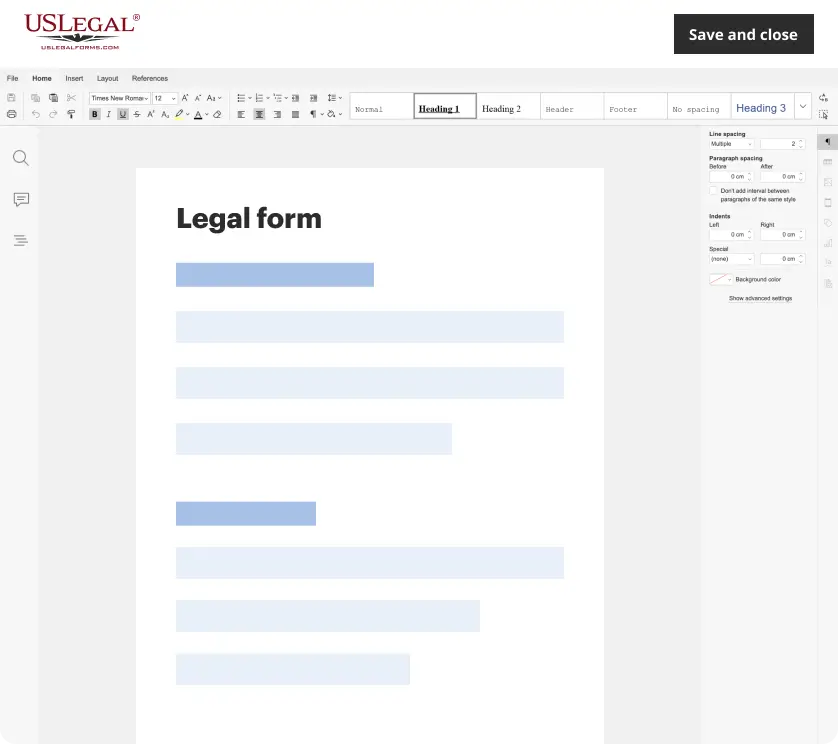
Make edits, fill in missing information, and update formatting in US Legal Forms—just like you would in MS Word.
Download a copy, print it, send it by email, or mail it via USPS—whatever works best for your next step.
Sign and collect signatures with our SignNow integration. Send to multiple recipients, set reminders, and more. Go Premium to unlock E-Sign.
If this form requires notarization, complete it online through a secure video call—no need to meet a notary in person or wait for an appointment.
We protect your documents and personal data by following strict security and privacy standards.
Mistakes to watch out for
- Failing to clearly specify the breach, which can lead to confusion for the tenant.
- Not providing the correct delivery method as outlined in the lease agreement.
- Missing the signature or date, rendering the notice invalid.
- Overlooking local laws that dictate required notice periods.
Why use this form online
- Instant access to a legally compliant template suitable for your needs.
- Conveniently fill out the form from home, saving time.
- Editable fields that ensure you can customize the document as necessary.
- Reliability from templates drafted by licensed attorneys, ensuring legal accuracy.
Looking for another form?
Form popularity
FAQ
In some circumstances, a tenant can break a fixed-term agreement early without penalty. A tenant can give 14 days' written notice to end an agreement early without penalty if: they have accepted an offer of social housing (e.g. from DCJ Housing)
Your name, and the landlord's name and address. The date you're writing the letter. Informing the landlord you're breaking your lease early. The reason why you're breaking your lease. The building and apartment you're vacating. The date by which you're vacating.
A tenant must pay the rent up to and including the day their termination notice period ends and they vacate the property. If a tenant does not owe the landlord money at the end of their tenancy and there is no damage to the property, the bond paid at the beginning of the tenancy should be refunded in full.
If a resident fails to abide by the agreed-upon terms, legal action can be taken. If an eviction is the end-result of this action, it will stay listed on the resident's record for up to seven years. The most common reason evictions are requested involves failure to pay rent.
If you break a lease and stop paying rent, your landlord might decide to take legal action against you. Your landlord can file a civil lawsuit to make you pay off the lease balance. If the judge rules against you, you will have to pay out your debt. Lowered credit score.
The rental property address, including unit number (if applicable) The names of all tenants on the lease agreement. The date the lease violation notice was written. The specific reason for the notice. The time and date the violation occurred (if applicable)
In many cases, the lease may give the tenant the option to pay an early termination fee. If this is the case, tenants can expect to pay one to two months' rent in order to exit the lease agreement.
Under California law, a lease does have to be in writing to be enforceable, but only when the lease is for a period of more than a year.
While some jurisdictions may have provisions that allow consumers to change their minds with no consequences, generally there is no cooling-off period for leasing real property. Once the landlord and tenant sign a lease and a copy is delivered to the both parties, it becomes a valid contract.