Sample Collection Letter For Returned Check
Description
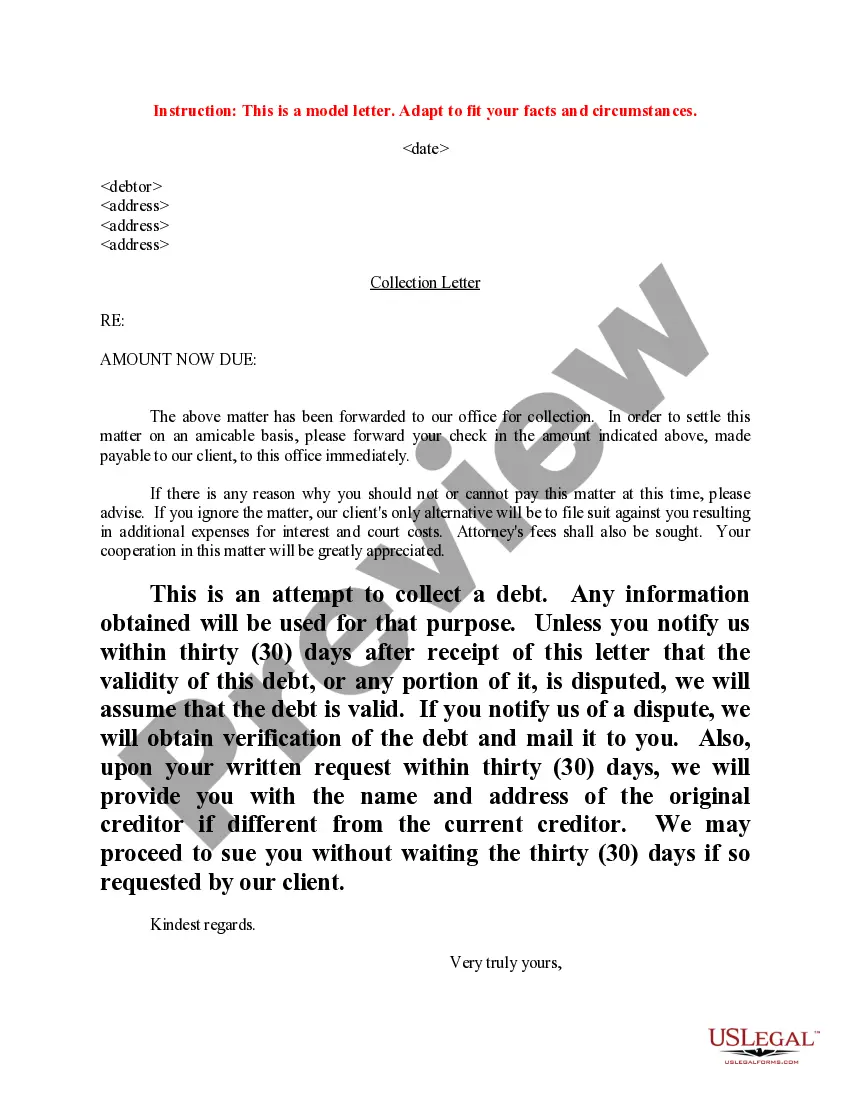
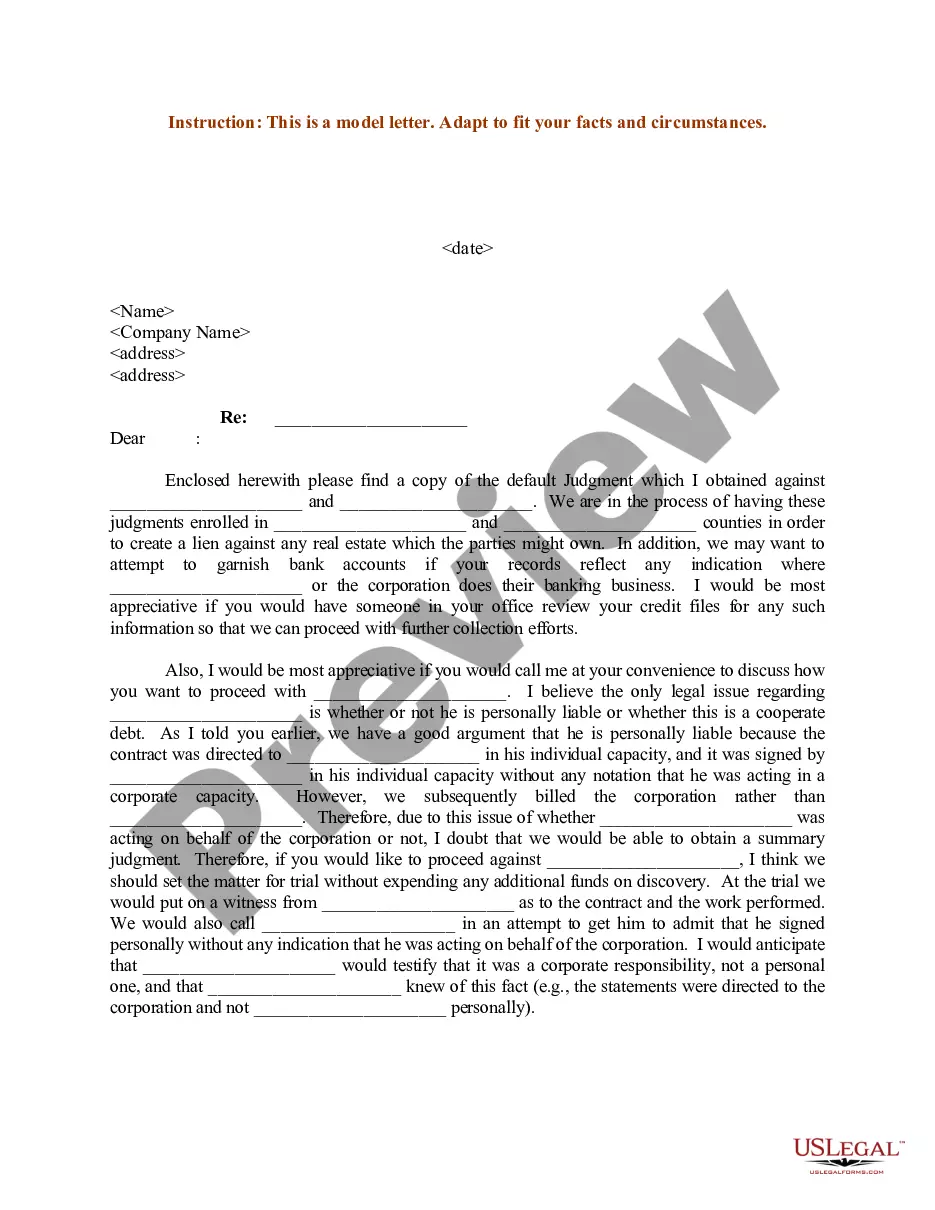
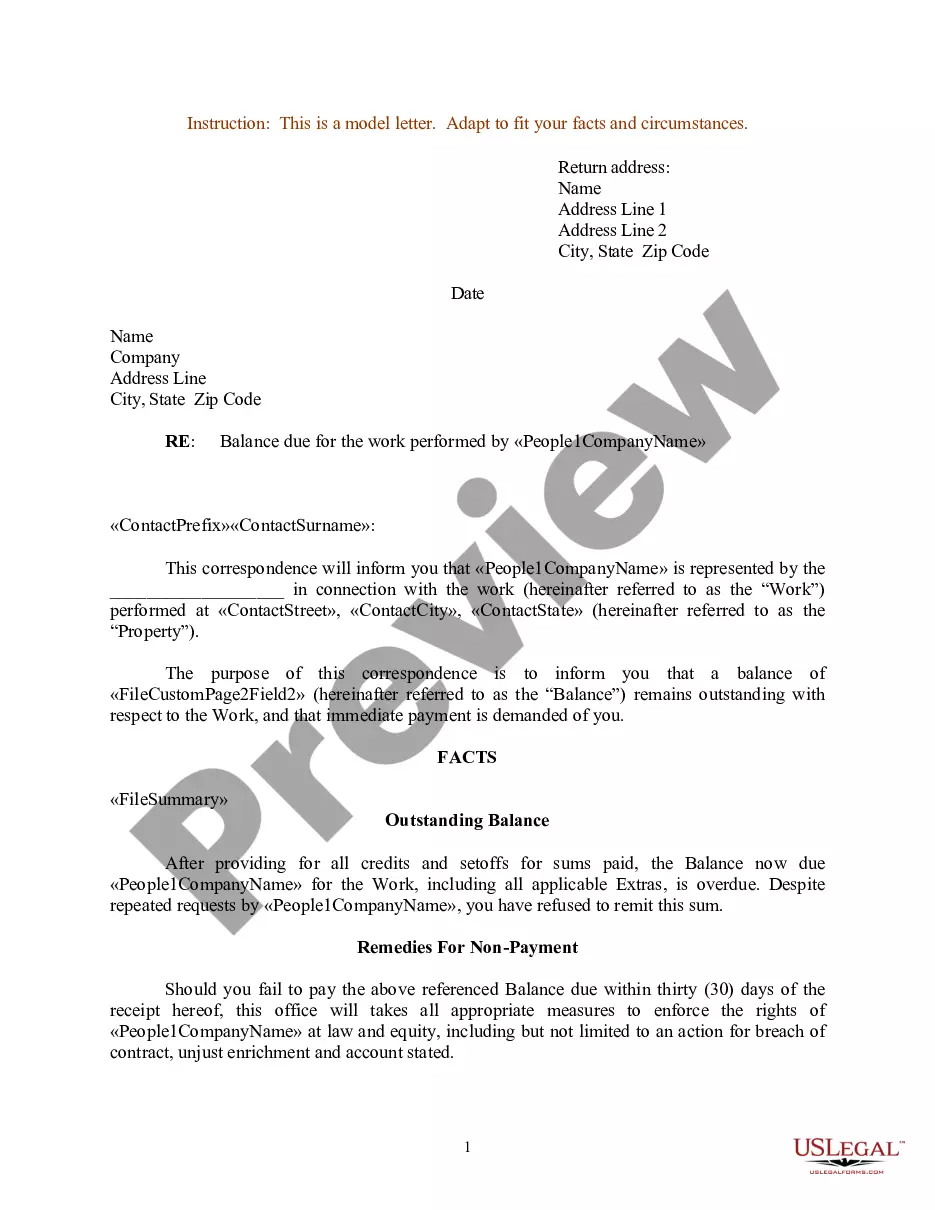
Get your form ready online
Our built-in tools help you complete, sign, share, and store your documents in one place.
Make edits, fill in missing information, and update formatting in US Legal Forms—just like you would in MS Word.
Download a copy, print it, send it by email, or mail it via USPS—whatever works best for your next step.
Sign and collect signatures with our SignNow integration. Send to multiple recipients, set reminders, and more. Go Premium to unlock E-Sign.
If this form requires notarization, complete it online through a secure video call—no need to meet a notary in person or wait for an appointment.
We protect your documents and personal data by following strict security and privacy standards.

Make edits, fill in missing information, and update formatting in US Legal Forms—just like you would in MS Word.

Download a copy, print it, send it by email, or mail it via USPS—whatever works best for your next step.

Sign and collect signatures with our SignNow integration. Send to multiple recipients, set reminders, and more. Go Premium to unlock E-Sign.

If this form requires notarization, complete it online through a secure video call—no need to meet a notary in person or wait for an appointment.

We protect your documents and personal data by following strict security and privacy standards.
Looking for another form?
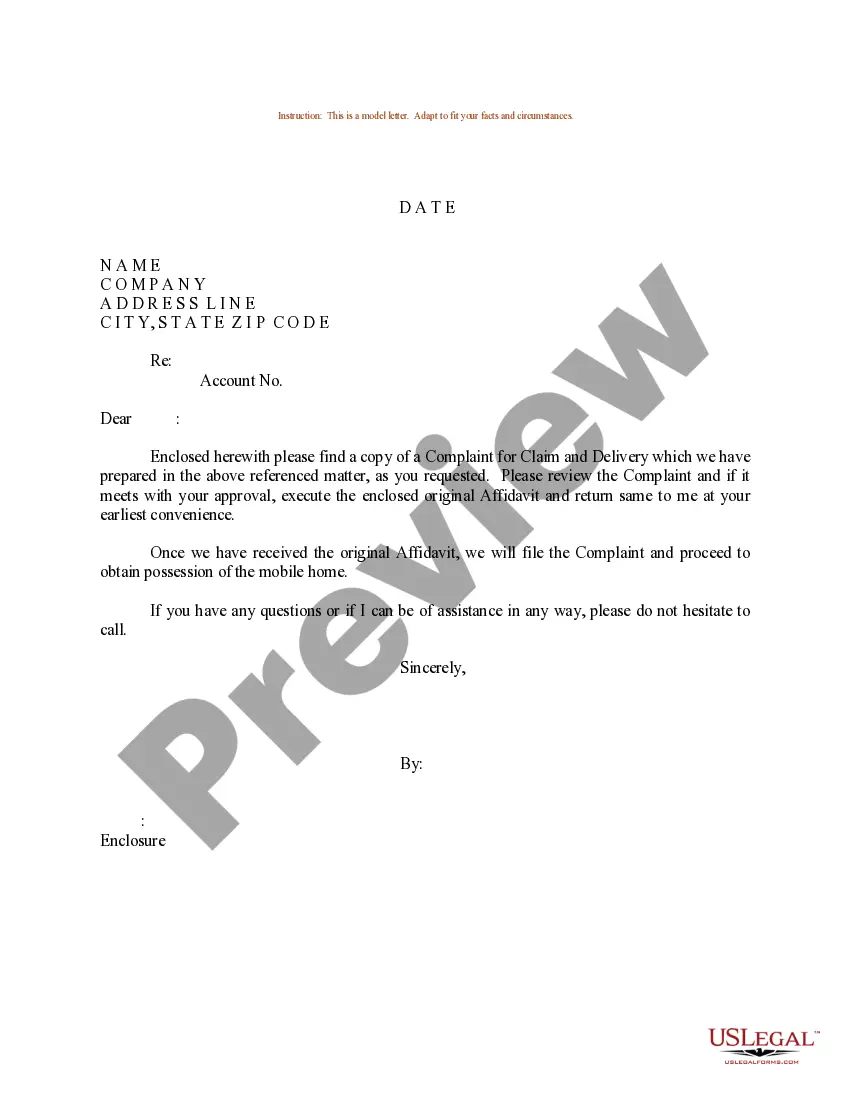
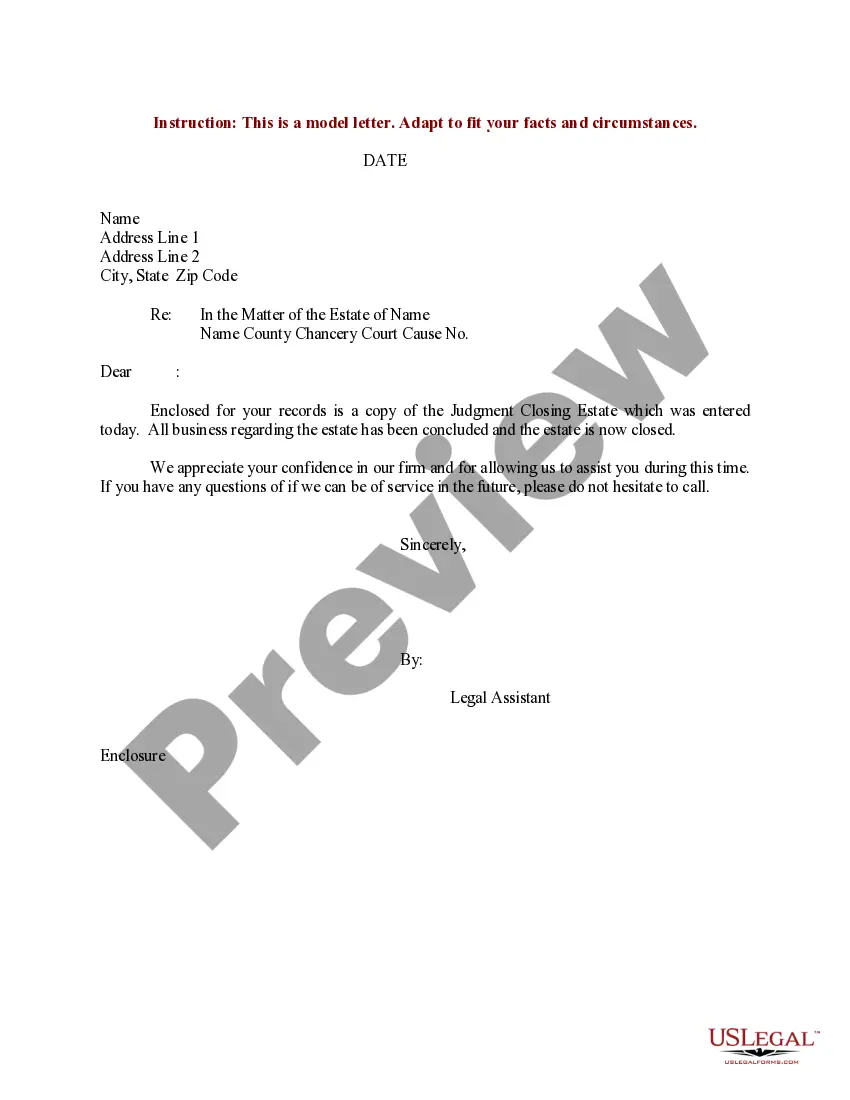
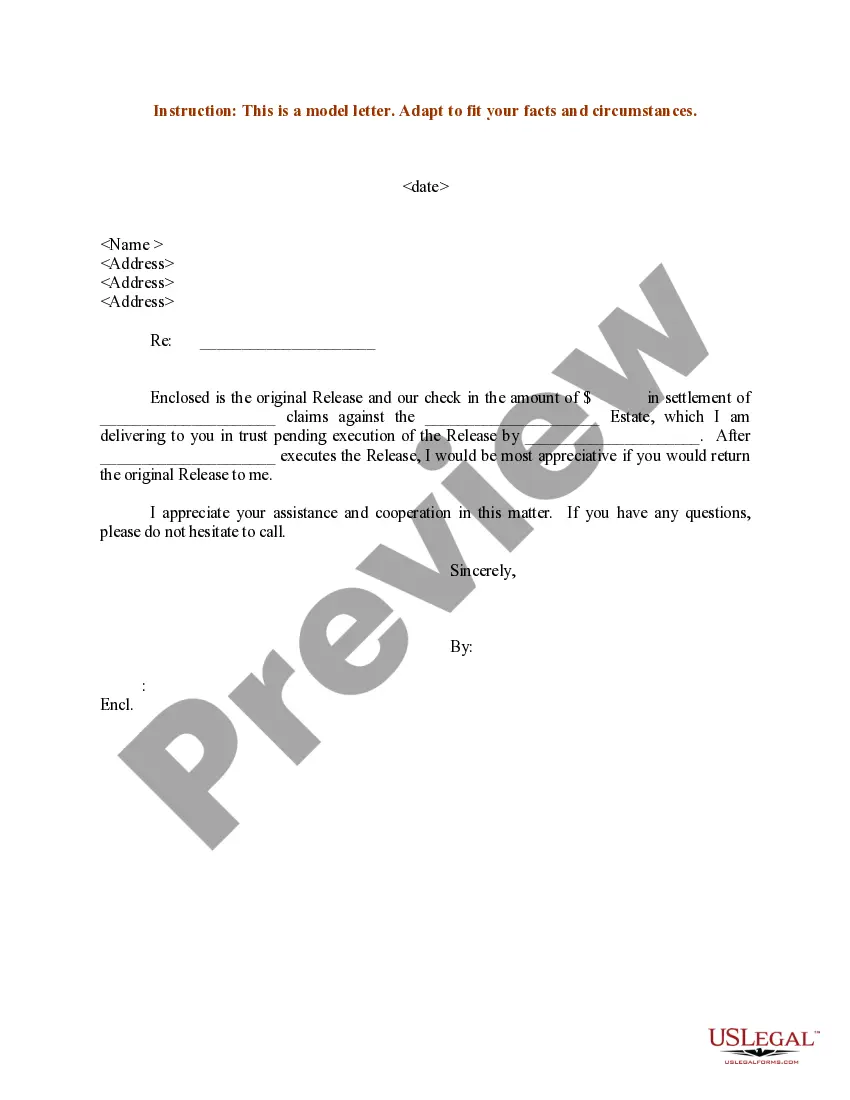
How to fill out Sample Letter For Collection?
Whether for commercial objectives or for personal issues, everyone must confront legal circumstances at some stage in their lives.
Finalizing legal documents necessitates meticulous attention, beginning with selecting the correct template.
Choose your payment method: either use a credit card or a PayPal account. Select the desired document format and download the Sample Collection Letter For Returned Check. Once saved, you can complete the form using editing software or print it out and finish it by hand. With a vast catalog from US Legal Forms available, you never need to waste time hunting for the right sample online. Utilize the library's user-friendly navigation to find the suitable template for any situation.
- For example, if you choose an incorrect version of the Sample Collection Letter For Returned Check, it will be rejected upon submission.
- Thus, it is crucial to have a trustworthy source for legal documents like US Legal Forms.
- If you wish to acquire a Sample Collection Letter For Returned Check template, follow these straightforward steps.
- Locate the sample you require by employing the search option or catalog browsing.
- Review the description of the form to confirm its suitability for your circumstances, state, and locality.
- Click on the form's preview to examine it.
- If it is the wrong document, return to the search feature to find the Sample Collection Letter For Returned Check template you need.
- Download the file if it fulfills your requirements.
- If you already possess a US Legal Forms account, click Log in to access files you have previously saved in My documents.
- If you don't have an account yet, you may download the form by clicking Buy now.
- Select the suitable pricing option.
- Fill out the account registration form.
Form popularity
FAQ
The Copyright Act allows anyone to photocopy copyrighted works without securing permission from the copyright owner when the photocopying amounts to a ?fair use? of the material (17 U.S.C.
In general, all you need to do is create a work of authorship and write it down or otherwise record it somewhere. This will automatically create copyright protections. In theory, you do not need to own the original copy in order to own the copyright.
An assignment is the legal transfer of ownership of any property such as a trademark or copyright from one owner to another. The transferee or "assignee" is the person who acquires ownership, and the transferor or "assignor" is the person who transfers ownership rights.
Copyright Assignment: The copyright must be officially assigned to the trust. This is typically done through a legal document called an Assignment of Copyright. Record the Transfer: For the transfer to be legally effective, it must be recorded with the U.S. Copyright Office.
Transfer of copyright is made using a copyright assignment contract, which is a written agreement of the transfer of property rights. You may wish to use a copyright license agreement template. An assignment of copyright should contain several key features.
The assignment must be done in writing to be valid. Although notarization isn't required, it's a good idea to have someone witness the assignor and assignee signing and dating the agreement. Transfer of ownership usually involves monetary exchange, although that's not a requirement.
A valid assignment of copyright must be in writing and signed by, or on behalf of, the copyright owner/assignor. The subject of the assignment must be clear as to what copyright is being assigned in which work(s).