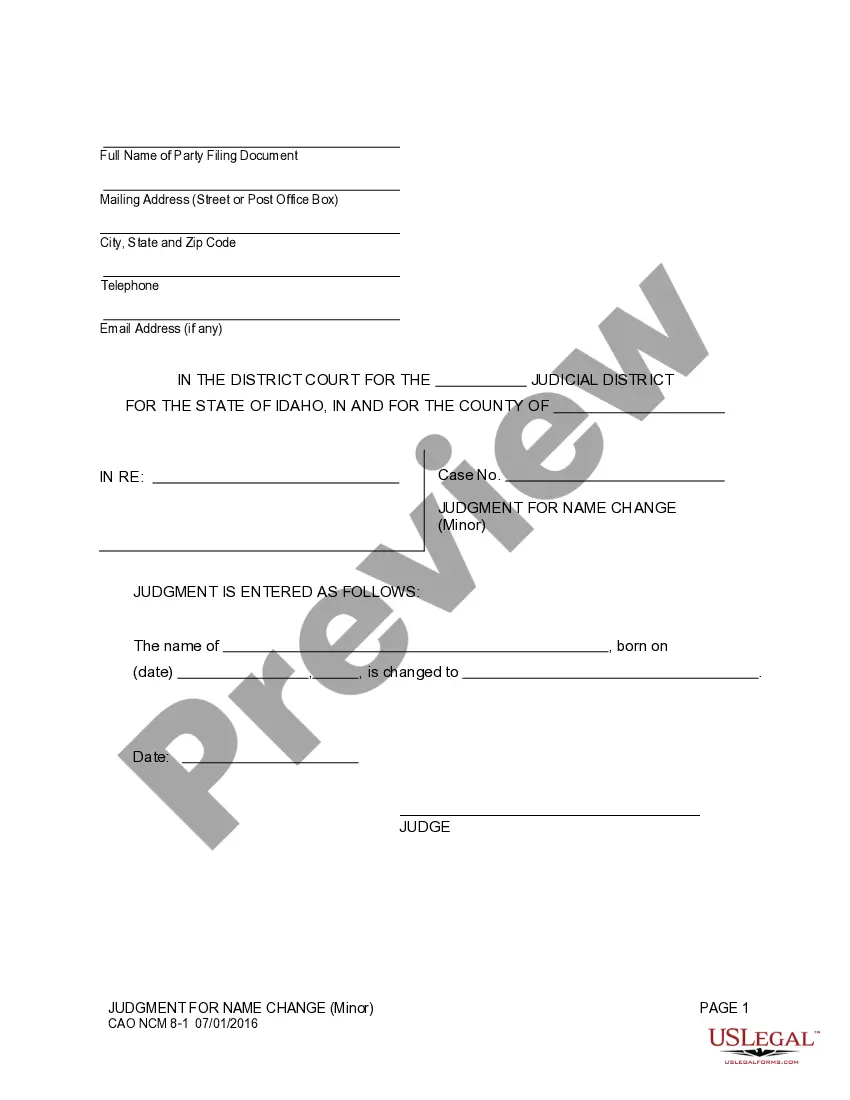
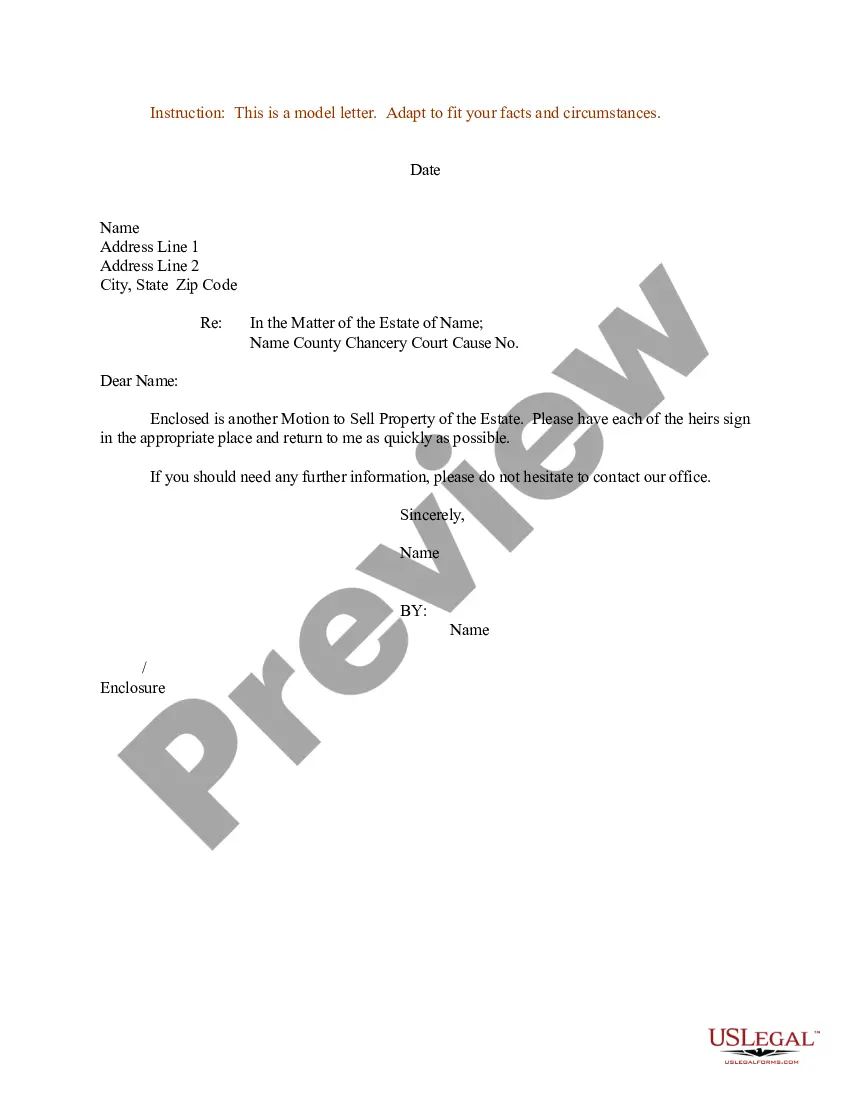
Sample Letter regarding Motion to Sell Property of an Estate
Understanding this form
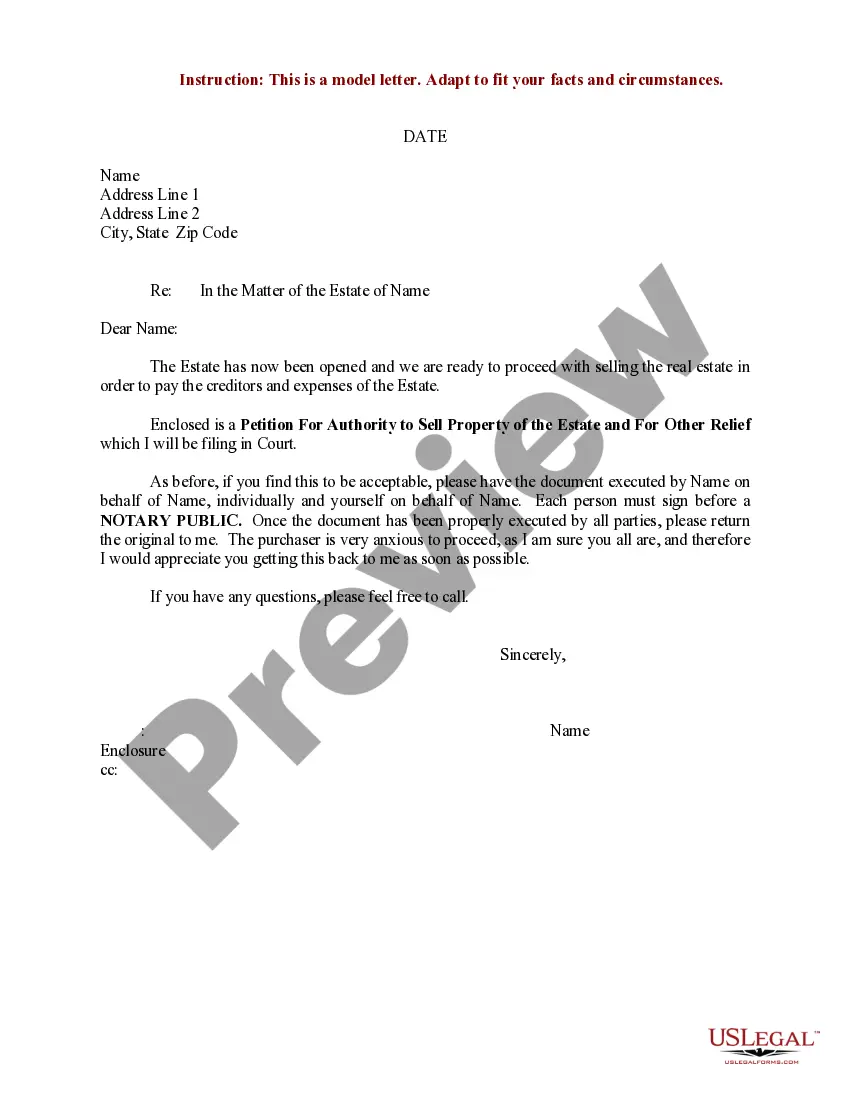
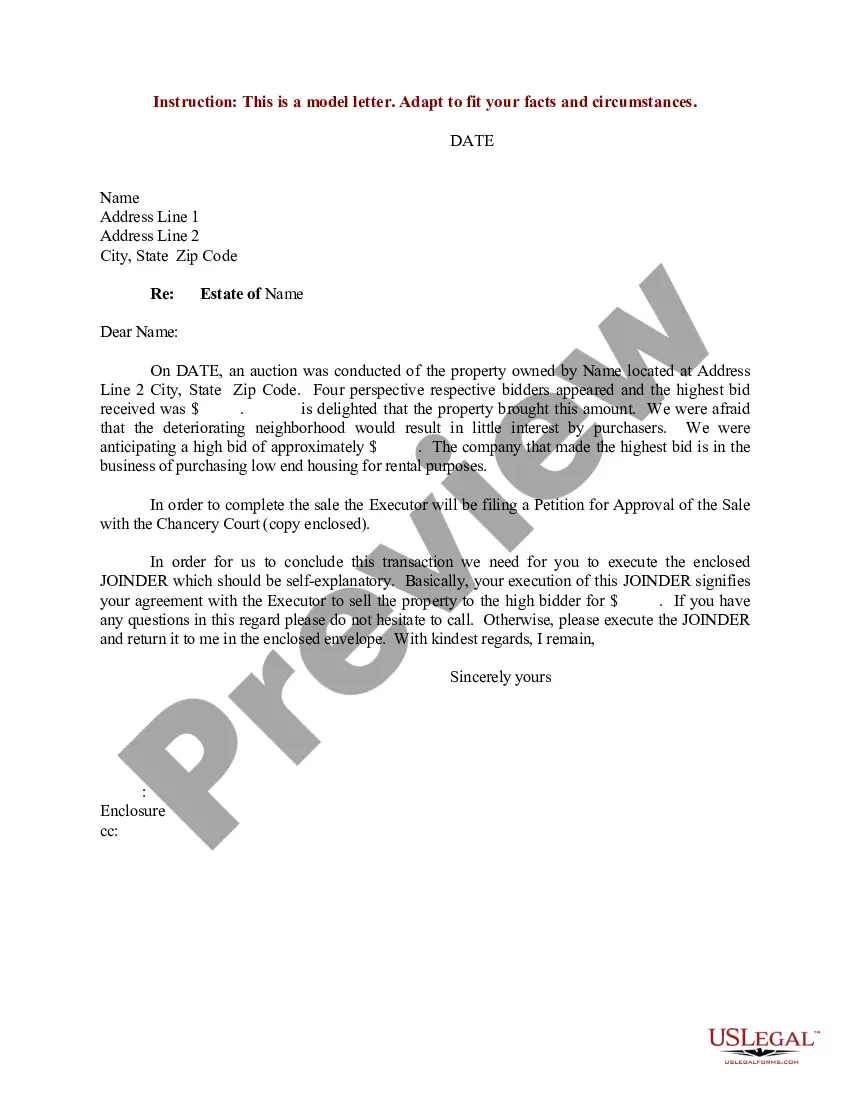
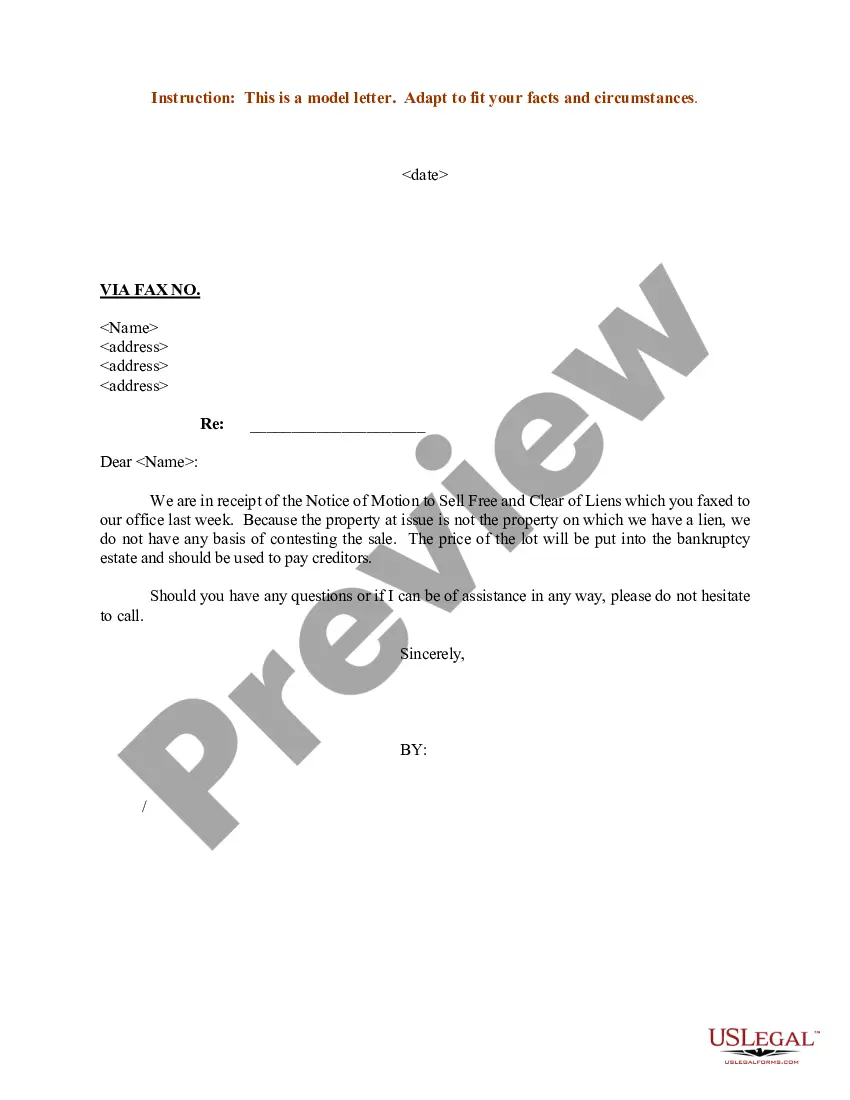
The Sample Letter regarding Motion to Sell Property of an Estate is a legal document used to communicate the intent to sell property that belongs to a deceased personâs estate. This letter serves as a sample template that can be customized to fit specific circumstances. It is particularly useful in probate cases, setting it apart from other property-related forms, as it formalizes the request to the court for approval to sell estate property.
Main sections of this form
- Date of the letter.
- Recipient's name and address.
- Subject line indicating the matter of the estate.
- Details about the estate, including the name of the deceased.
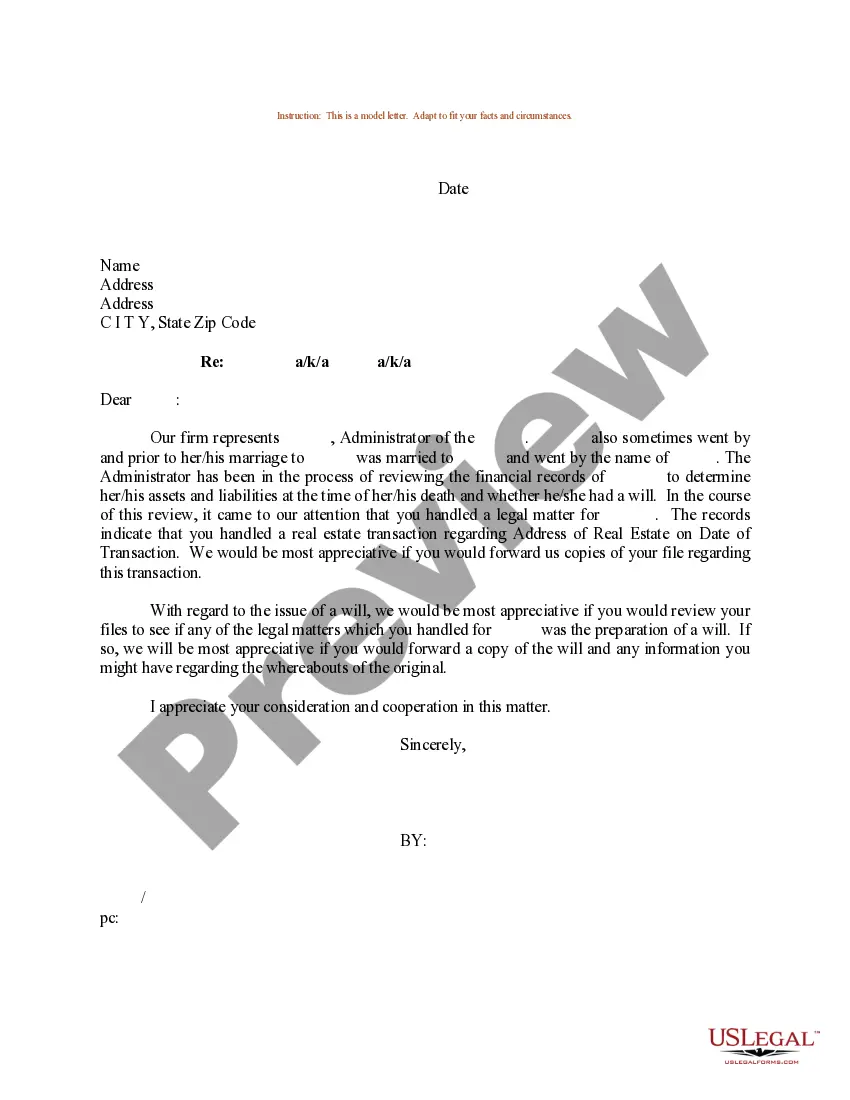
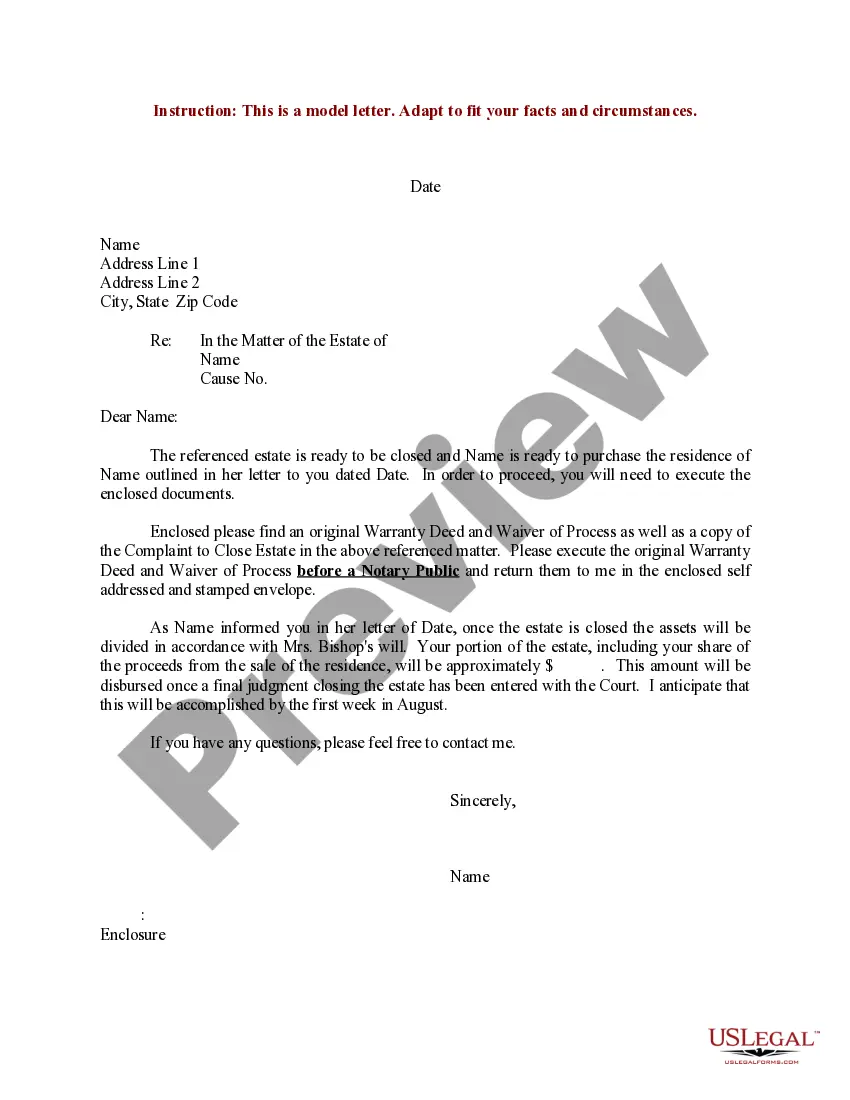
Situations where this form applies
This form is necessary when an executor or administrator of an estate needs to sell property to settle debts, distribute assets, or manage the estate's interests. It is typically used during the probate process when approval from the court is required to proceed with the sale.
Who should use this form
Who should use this form:
- Executors or administrators of an estate.
- Heirs or beneficiaries involved in the estate's administration.
- Legal representatives handling estate matters.
How to prepare this document
Steps to complete this form:
- Enter the date of the letter at the top of the document.
- Fill in the name and address of the recipient.
- Specify the subject line to indicate the estate in question.
- Provide the name of the deceased and any relevant estate details.
- Sign and date the letter as the executor or administrator.
Notarization requirements for this form
This form does not typically require notarization unless specified by local law. It is advisable to consult with a legal professional if there are any uncertainties regarding notarization requirements in a specific state.
Get your form ready online
Our built-in tools help you complete, sign, share, and store your documents in one place.
Make edits, fill in missing information, and update formatting in US Legal Forms—just like you would in MS Word.
Download a copy, print it, send it by email, or mail it via USPS—whatever works best for your next step.
Sign and collect signatures with our SignNow integration. Send to multiple recipients, set reminders, and more. Go Premium to unlock E-Sign.
If this form requires notarization, complete it online through a secure video call—no need to meet a notary in person or wait for an appointment.
We protect your documents and personal data by following strict security and privacy standards.

Make edits, fill in missing information, and update formatting in US Legal Forms—just like you would in MS Word.

Download a copy, print it, send it by email, or mail it via USPS—whatever works best for your next step.

Sign and collect signatures with our SignNow integration. Send to multiple recipients, set reminders, and more. Go Premium to unlock E-Sign.

If this form requires notarization, complete it online through a secure video call—no need to meet a notary in person or wait for an appointment.

We protect your documents and personal data by following strict security and privacy standards.
Common mistakes
- Failing to include all necessary details about the deceased and the estate.
- Not addressing the letter to the appropriate party.
- Neglecting to sign the letter, which can invalidate the request.
Why use this form online
- Conveniently downloadable and editable in Word format.
- Formulated by licensed attorneys to ensure legal accuracy.
- Can be customized to meet individual estate needs.
Looking for another form?

Form popularity
FAQ
A simple estate with just a few, easy-to-find assets may be all wrapped up in six to eight months. A more complicated affair may take three years or more to fully settle.
The executor can sell property without getting all of the beneficiaries to approve.Once the executor is named there is a person appointed, called a probate referee, who will appraise the estate assets. Among those assets will be the real estate and the probate referee will appraise the real estate.
The Executor's Final Act, Closing an Estate The personal representative, now without any estate funds to pay his lawyer, must respond. Even if the charges are baseless, the executor is stuck paying the legal bill. Instead, before making any distribution, the administrator should insist on receiving a release.
If only one person is heir to the house, other heirs of the estate generally can't force the sale of the home. If multiple siblings inherit the property jointly, they each have a say in what happens to it.
Yes, siblings can force the sale of inherited property with the help of a partition action. If you don't want to hold on to an inheritance given to you by parents, you might want to sell. But you'll need all the cards in your hand if you have to convince your brothers and sisters to sell, too.
Generally the heirs don't decide if the house is sold unless somehow it is titled in all their names. If is a specific gift and the will requires it be transferred to all six, and one does not want to sell, that person can buy out the other 5. There of course is always a partition Acton.
Unfortunately, there is not much you can do if the person will not agree to settle or sell the home. There may be other legal tactics you can do, but generally, if the property must get sold (or you want to sell the home) and the other heirs do not, then a partition action may be your only option.
The executor can sell property without getting all of the beneficiaries to approve. However, notice will be sent to all the beneficiaries so that they know of the sale but they don't have to approve of the sale.Among those assets will be the real estate and the probate referee will appraise the real estate.
Motions to sell are often filed by debtors and trustees. These motions seek permission to sell property of the estate. Motions to lease property are filed generally by trustees or debtors in Chapter 11 cases and request approval of a lease under Federal Rule of Bankruptcy Procedure 6004.