Get Ct Jd-jm-106s 2011-2026
How it works
-

Open form follow the instructions
-

Easily sign the form with your finger
-

Send filled & signed form or save
How to fill out the CT JD-JM-106S online
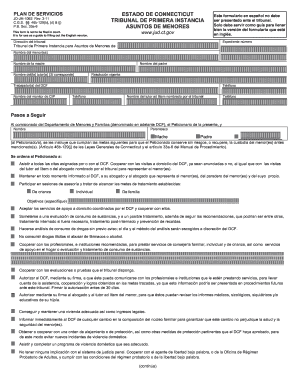
The CT JD-JM-106S form is an essential document for ensuring the safety and well-being of minors in Connecticut. This guide provides clear instructions on how to effectively complete this form online, enabling users to navigate the process with confidence.
Follow the steps to fill out the form accurately and efficiently.
- Click the ‘Get Form’ button to access and open the CT JD-JM-106S form in your preferred online editor.
- Fill in the case number in the designated section at the top of the form. Ensure that the number corresponds with the court's records for accurate processing.
- Indicate the address of the court where the case is being heard. This information is crucial for identifying the correct jurisdiction.
- List the names of the minor(s) involved in the case. Be sure to spell each name correctly to avoid any legal complications.
- Fill in the names of the mother, father, and any guardian if applicable. This section helps clarify the relationships involved.
- Document the relevant resolutions currently in effect. This provides a historical context for the court's orders and actions.
- Include the names and contact information for all relevant DCF workers, including the case monitor. This enables coordinated communication.
- Outline the specific goals set for the petitioner. This section clearly states what is required for the custody and care of the minor(s) to ensure compliance.
- After completing all required sections, review the document for accuracy and ensure all fields are filled appropriately.
- Once you are satisfied with the information provided, you can save changes, download the completed form, print it, or share it with the required parties.
Begin the process of completing your documents online today to ensure the well-being of the minors involved.
Juvenile court typically handles three main types of cases. Firstly, delinquency cases involve offenses committed by minors, such as theft or vandalism. Secondly, status offenses refer to behaviors that are only deemed illegal due to the individual's age, like truancy or curfew violations. Lastly, dependency cases involve circumstances where a juvenile's welfare is at risk, often requiring forms like the CT JD-JM-106S to frame the situation.