Loading
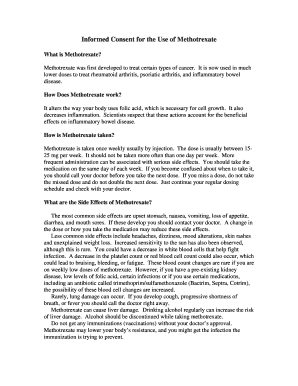
Get Informed Consent For The Use Of - Norton Healthcare
How it works
-

Open form follow the instructions
-

Easily sign the form with your finger
-

Send filled & signed form or save
How to fill out the Informed Consent For The Use Of - Norton Healthcare online
Informed consent is an essential process to ensure that patients understand the treatment they are receiving. This guide will help you navigate the Informed Consent For The Use Of at Norton Healthcare, detailing how to appropriately fill out the form online.
Follow the steps to complete the informed consent form effectively.
- Press the ‘Get Form’ button to access the Informed Consent For The Use Of and open it in your preferred editor.
- Carefully read through the entire document to familiarize yourself with the information regarding , including its uses, dosage, side effects, and monitoring requirements. Understanding this information is crucial for informed decision-making.
- Fill in your printed name in the designated area provided for the patient. Ensure that it matches your official identification, as this will be part of the consent verification process.
- In the section for the witness's printed name, enter the name of the individual who will witness your signature on the consent form. This person should be someone who is not related to you and is over 18 years old.
- Sign the document in the area marked for the patient's signature, indicating that you have read, understood, and agreed to the terms outlined in the Informed Consent For The Use Of .
- Have the witness sign the document in the designated space. This signature confirms that the witness observed you signing the consent form.
- Review the completed form to ensure all information is correct and legible. After verifying, you can choose to save changes, download, print, or share the completed document as necessary.
Complete your informed consent form online today to ensure a seamless process.
There are two well-recognized exceptions to the need for informed consent to medical treatment. The more common is a medical emergency, in which an unconscious or delirious patient cannot consent. The second is rare and involves certain court-ordered treatments or treatments and tests mandated by law.
Industry-leading security and compliance
US Legal Forms protects your data by complying with industry-specific security standards.
-
In businnes since 199725+ years providing professional legal documents.
-
Accredited businessGuarantees that a business meets BBB accreditation standards in the US and Canada.
-
Secured by BraintreeValidated Level 1 PCI DSS compliant payment gateway that accepts most major credit and debit card brands from across the globe.