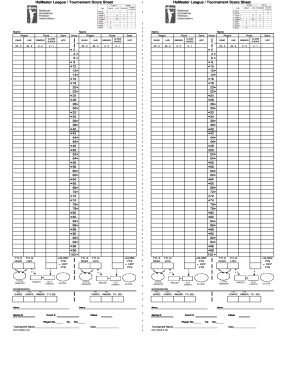
Open form follow the instructions
Easily sign the form with your finger
Send filled & signed form or save
How to use or fill out the NHPA KCS-2.12 online
Filling out the NHPA KCS-2.12 form online can seem daunting, but with the right guidance, the process becomes straightforward and manageable. This guide will provide clear, step-by-step instructions to assist users in completing the form accurately and efficiently.
Follow the steps to successfully complete the NHPA KCS-2.12 form.
- Use the 'Get Form' button to access the NHPA KCS-2.12 document and open it in your preferred online document editor.
- Begin by entering the game number in the designated field. This helps to identify the specific match for accurate record-keeping.
- Next, fill in the date of the tournament. Ensure that this is the correct date where the scoring takes place to maintain clarity in record-keeping.
- Input the court number where the game is being held. This allows for clear identification of the location of the match.
- Enter the player numbers for all competitors participating in the game. Ensure that you use the correct sequence to avoid confusion.
- Fill in the names of the participants in the fields provided. Be sure to double-check for spelling accuracy.
- Document the scores for both the live and dead scores in the relevant sections. It's important to record all points accurately for fair play assessment.
- Calculate the total ringers scored by each player. This section may involve summing various score components, so take your time to ensure accuracy.
- Review all inputted information for errors or omissions. Make necessary corrections to ensure the form is complete.
- Once all fields are correctly filled out and double-checked, save your changes, and if required, download, print, or share the NHPA KCS-2.12 form.
Start completing your documents online today for a more efficient process.
Experience a faster way to fill out and sign forms on the web. Access the most extensive library of templates available.
Related content
Aug 31, 2025 — Legally binding regulatory requirements are stated only in laws; NRC...
2.12 Aerial image of Sweet Hall Marsh Reserve component delineating core and buffer areas...
Get answers to your most pressing questions about US Legal Forms API.
What is the meaning of section 106?
The meaning of Section 106 lies in its mandate for federal agencies to consider the impact of their actions on historic properties. This requirement is part of the broader goals of the NHPA, aiming to safeguard America’s historic and cultural landscapes. By understanding and implementing NHPA KCS-2.12, agencies ensure that history is respected and preserved. Engaging with resources, like the uslegalforms platform, can aid in navigating these obligations efficiently.
What is the 106 process?
The 106 process refers to the steps federal agencies take to assess potential impacts on historic resources during project planning. This process includes consultation with stakeholders, identifying affected properties, and developing mitigation strategies. By adhering to NHPA KCS-2.12 guidelines, agencies can ensure thorough reviews and protect meaningful sites. This structured approach helps maintain a balance between development and heritage preservation.
What is the S106 process?
The S106 process is essentially synonymous with the Section 106 review process, designed to engage federal agencies in evaluating how their projects can affect historic properties. It is vital for upholding the principles of the NHPA. When agencies apply NHPA KCS-2.12, they prioritize cultural integrity and accountability. This method promotes a clear pathway for protecting the nation’s historical landscape.
What is the Section 106 guidance?
Section 106 guidance consists of regulations and recommendations that federal agencies use to fulfill their responsibilities under the NHPA. This guidance outlines the steps involved, from initial project planning to the final impact assessment. By following NHPA KCS-2.12, agencies can ensure compliance and establish transparent communication with stakeholders. This fosters a collaborative atmosphere while protecting historic sites.
What is the 106 review process?
The 106 review process is a systematic approach that federal agencies must follow to assess potential impacts on historic properties. It includes identifying properties, evaluating effects, and consulting with relevant parties. By incorporating NHPA KCS-2.12 guidelines, agencies can effectively navigate this process, ensuring thorough consideration of cultural sites. This comprehensive review promotes informed decision-making and protects invaluable resources.
What is section 106?
Section 106 is part of the National Historic Preservation Act (NHPA), which requires federal agencies to consider the effects of their projects on historic properties. It is an essential step to ensure that cultural resources are protected during development. By adhering to NHPA KCS-2.12, agencies engage with stakeholders and initiate the review process. This helps preserve the nation’s heritage for future generations.
Use professional pre-built templates to fill in and sign documents online faster. Get access to thousands of forms.
If you believe that this page should be taken down, please follow our DMCA take down process here.