South Carolina Probate
Probate involves managing a deceased person's estate. Using attorney-drafted templates can make this process quick and easy.

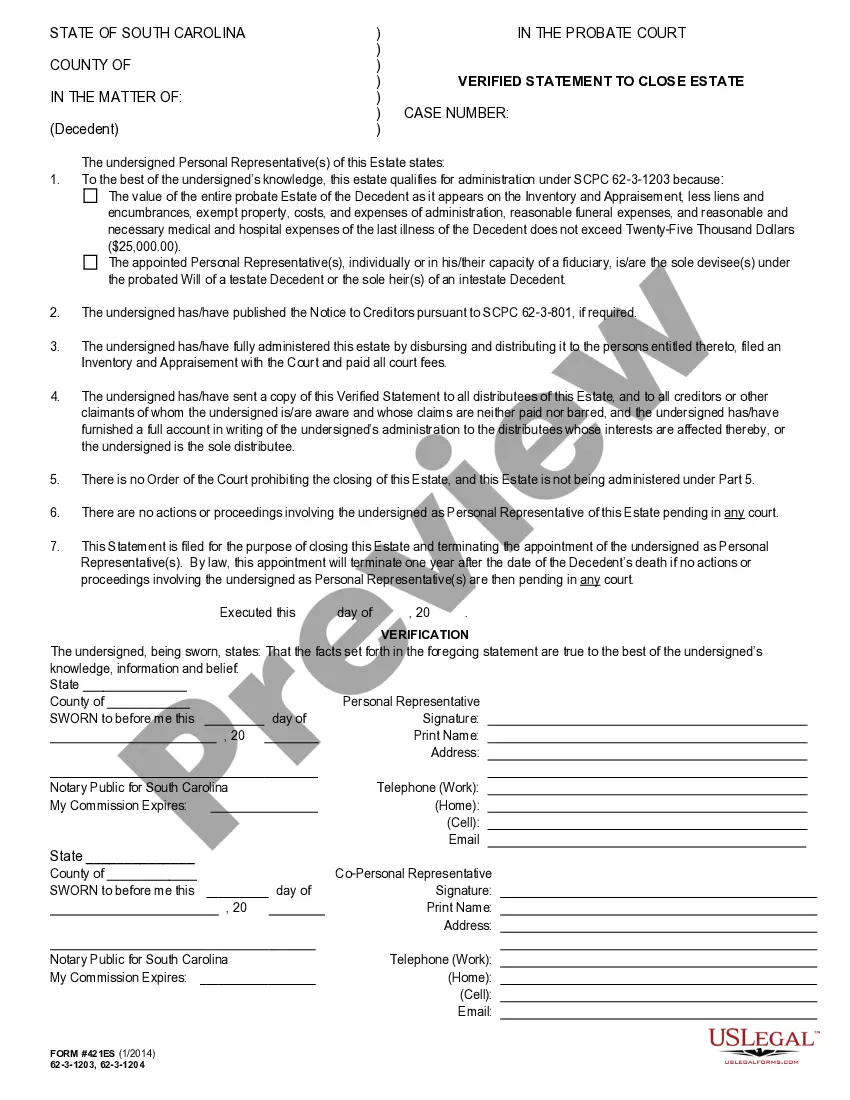
Small Estates Summary Administration Package
PopularA state-specific probate package for small estates qualifying for simplified court administration — petition, inventory, accounting, and distribution forms.
Similar documents: key differences
- Executor vs. Administrator — an executor manages an estate per a will; an administrator does so without one.
- Will vs. Trust — a will distributes assets after death; a trust can manage assets during life and after.
- Letters Testamentary vs. Letters of Administration — the former is issued when there's a will; the latter when there isn't.
- Probate vs. Non-Probate Assets — probate assets go through court; non-probate assets pass directly to beneficiaries.
Search for more forms
Types of Probate forms
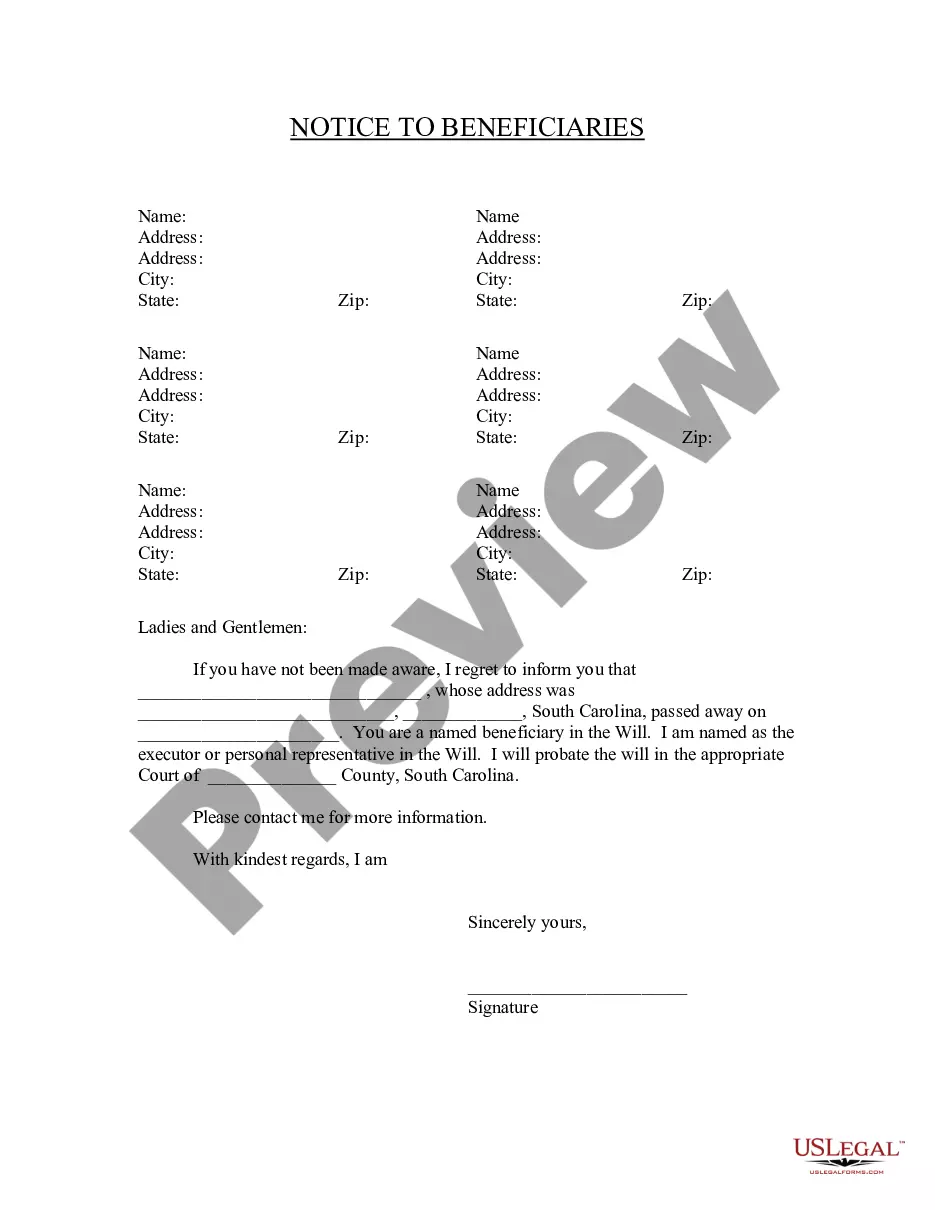
Notice to Beneficiaries of Being Named in Will
Inform beneficiaries of their status in a will and provide vital contact details about the deceased.
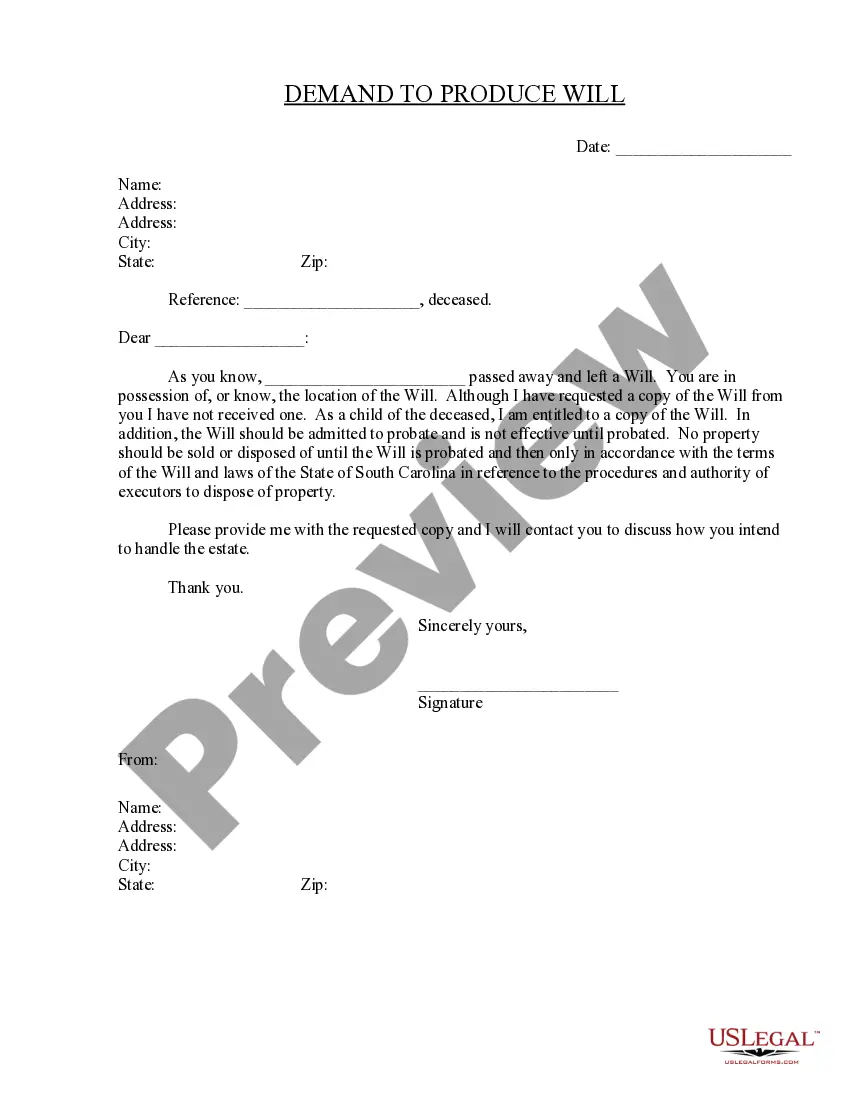
Demand to Produce Copy of Will from Heir
Request a copy of a deceased person's Will to ensure your rights as an heir are protected.
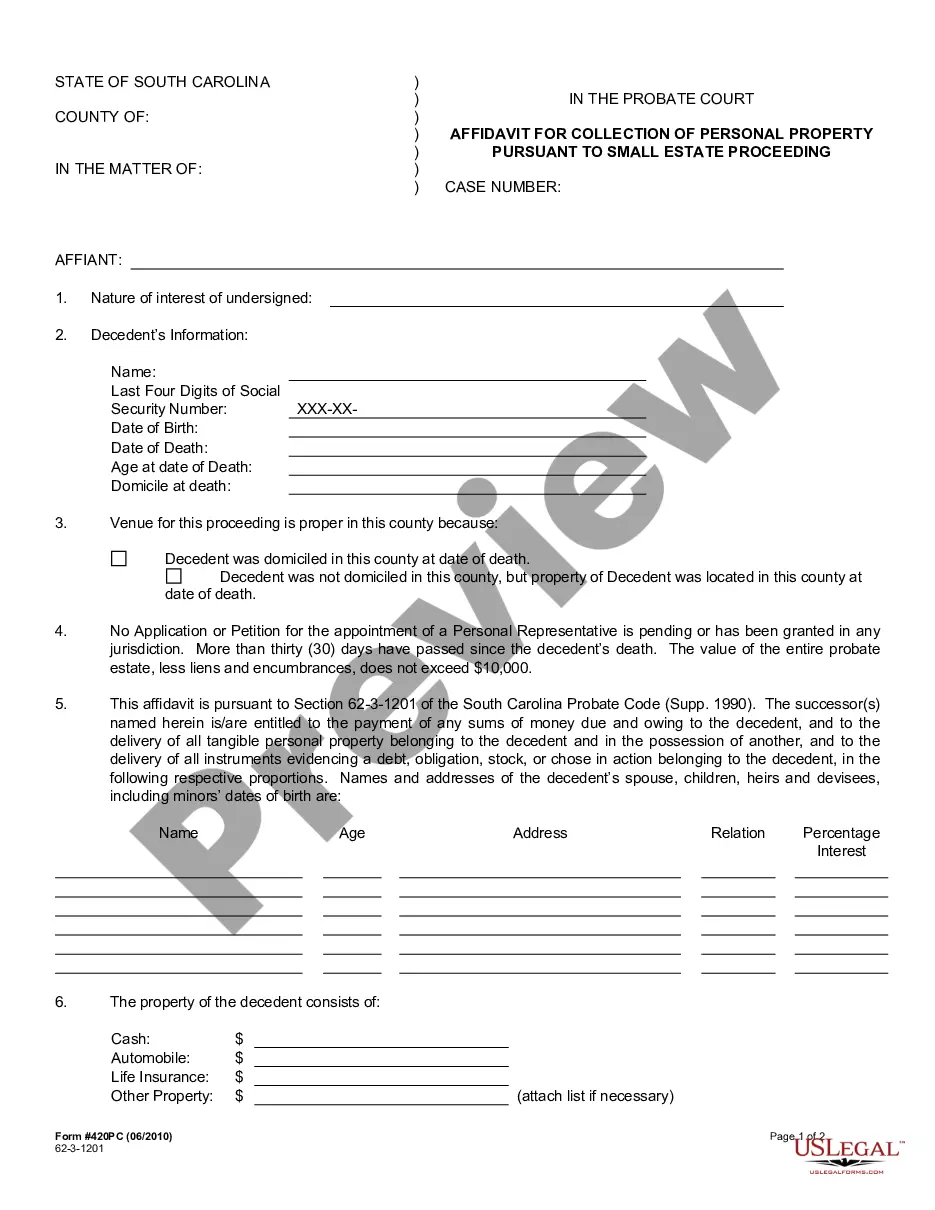
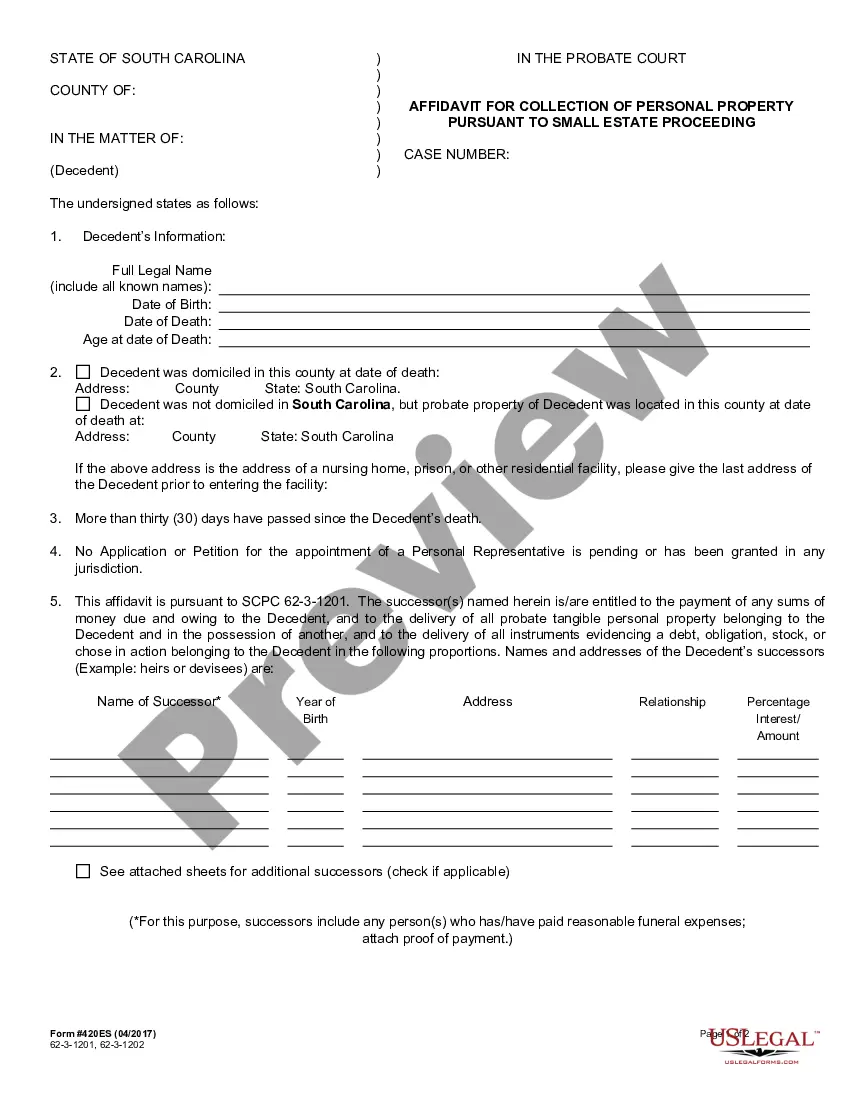
Small Estate Affidavit: Collect Personal Property
Useful for gathering personal property from a decedent's estate without extensive probate proceedings, especially when the estate's value is under $10,000.
Inheritance Waiver: Spouses in Favor of Prior-Marriage Children
Protect your children's inheritance rights by waiving claims to each other's property in favor of children from prior marriages.
Affidavit: Attorney-In-Fact Acting as Executor
Use this document to affirm your role as an executor and validate a will after the deceased's passing.
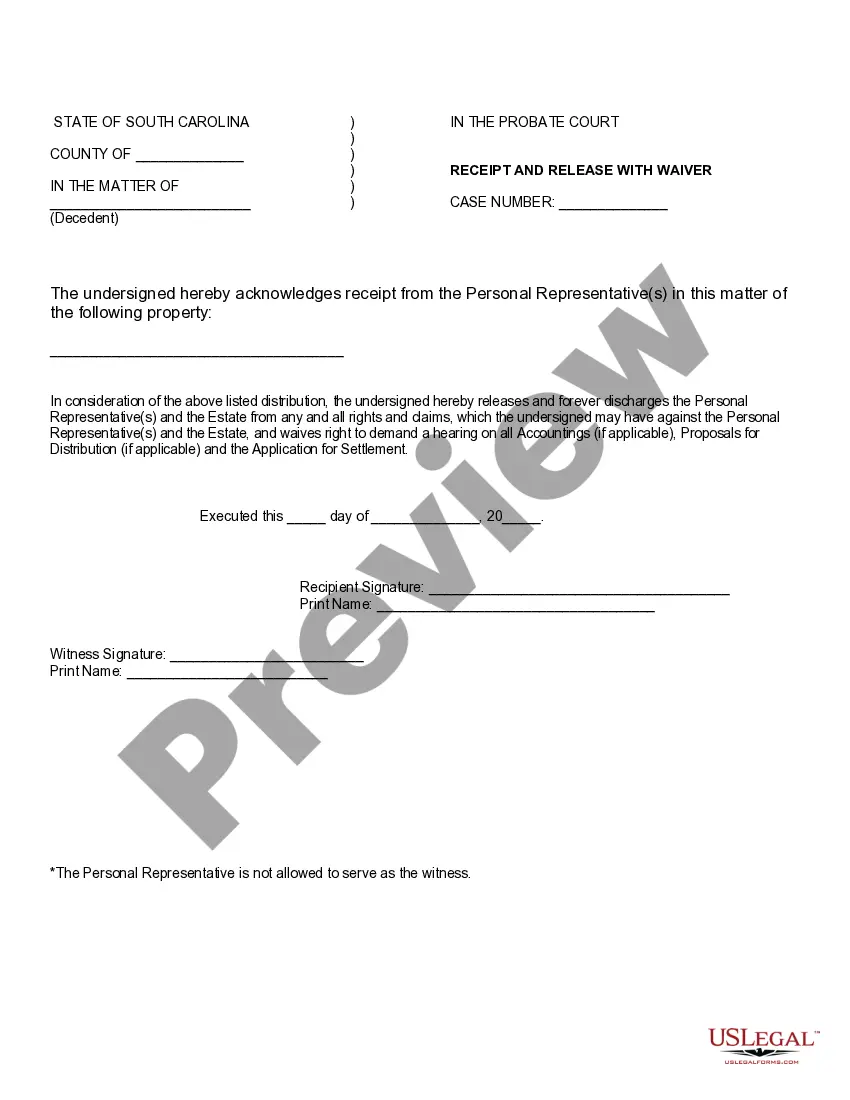
Receipt and Release with Waiver
Use this document to acknowledge receipt of property from an estate while releasing any claims against the estate or personal representatives.
Amended Order Establishing Heirs
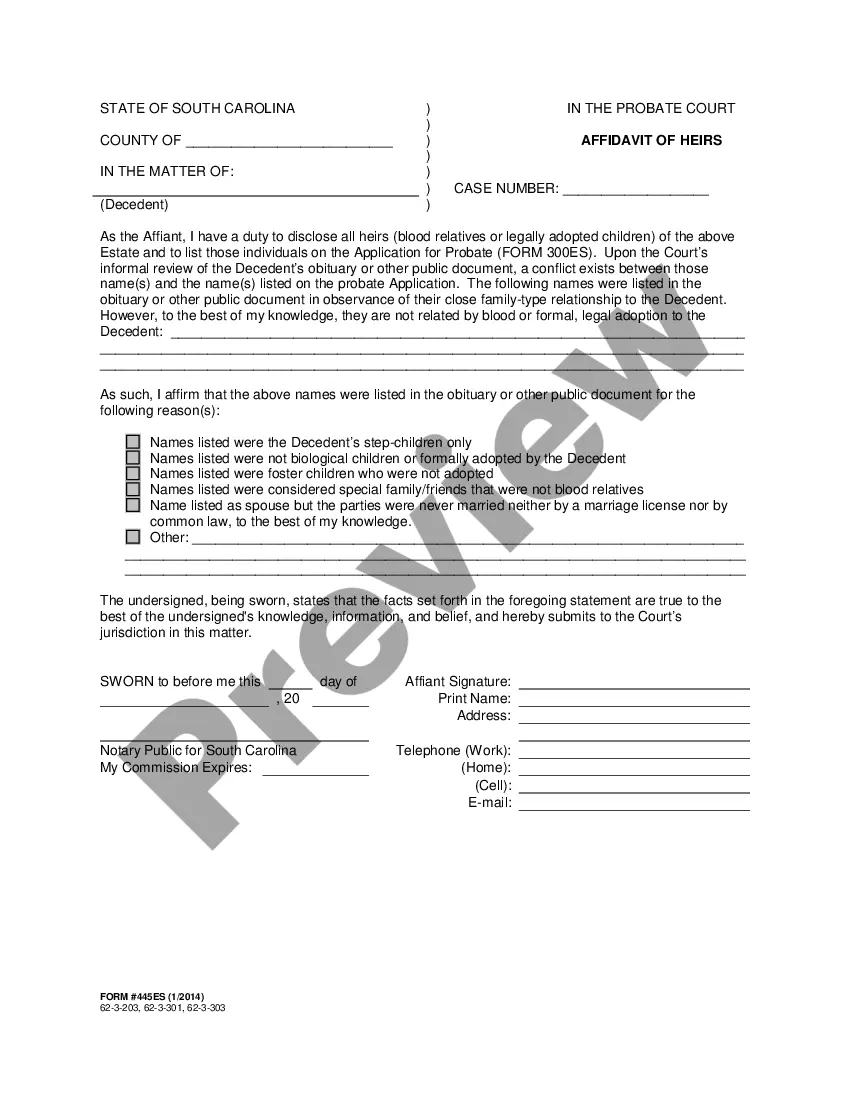
Determine and establish the legal heirs of a deceased person who died without a will.
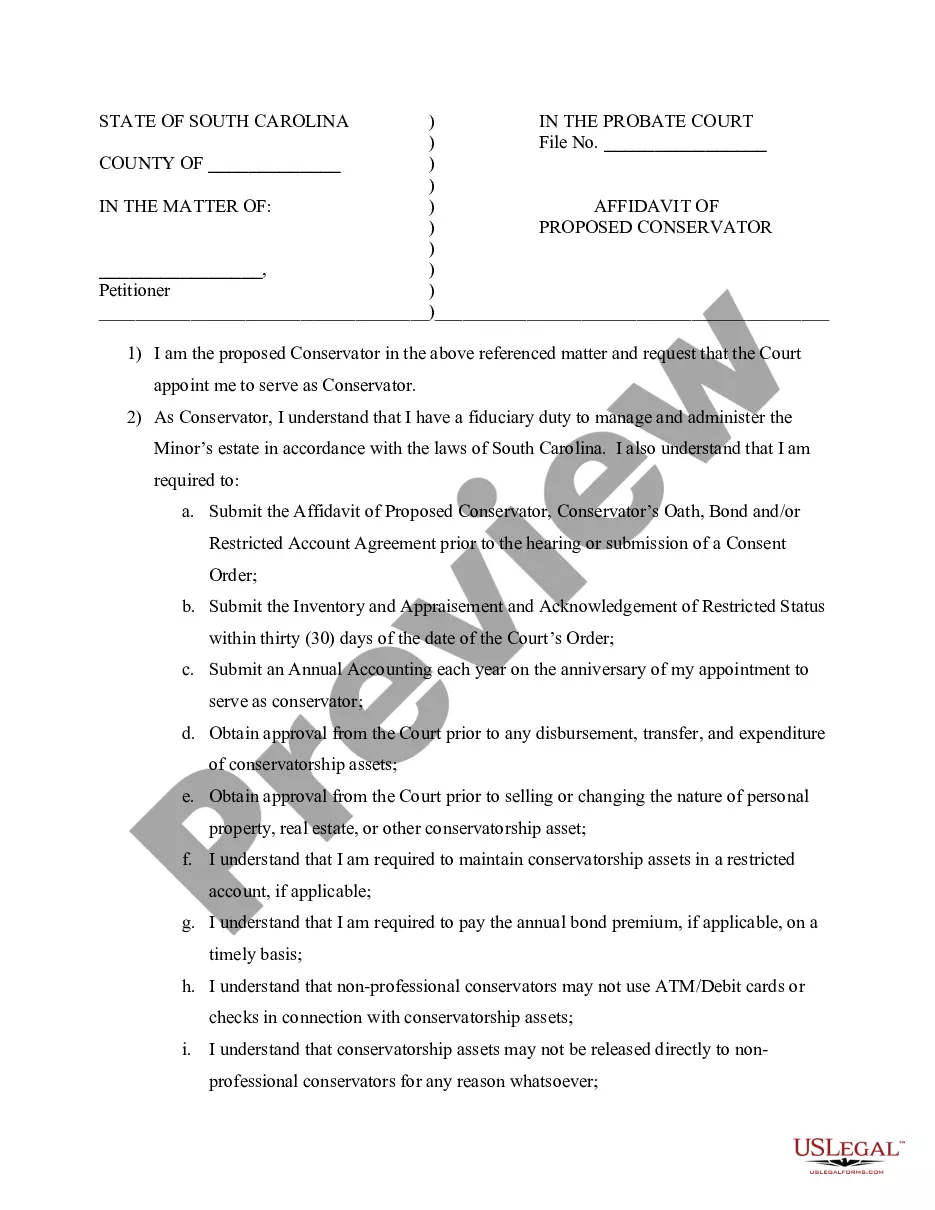
Affidavit of Proposed Conservator
Use this form to request appointment as a conservator, ensuring responsible management of a minor's estate under South Carolina law.
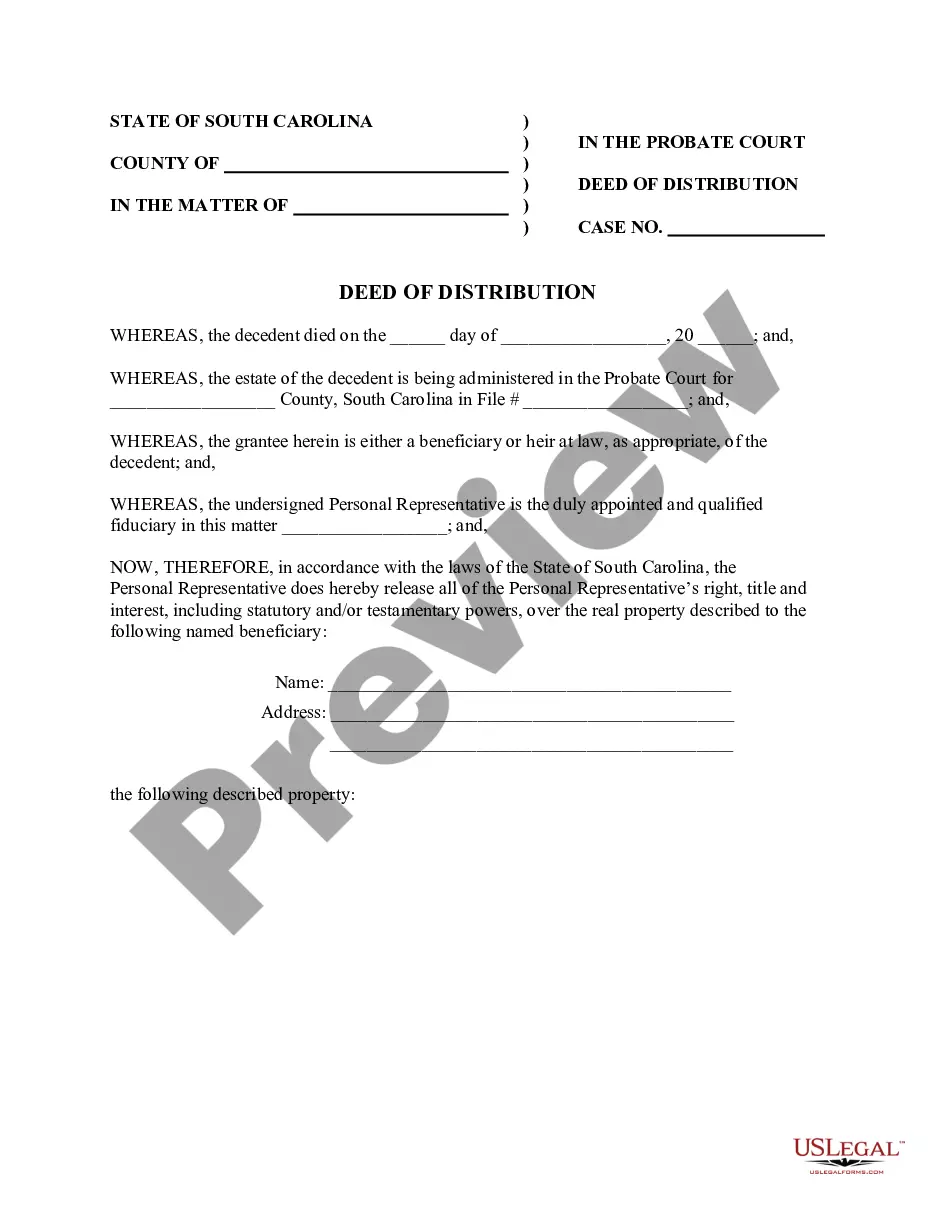
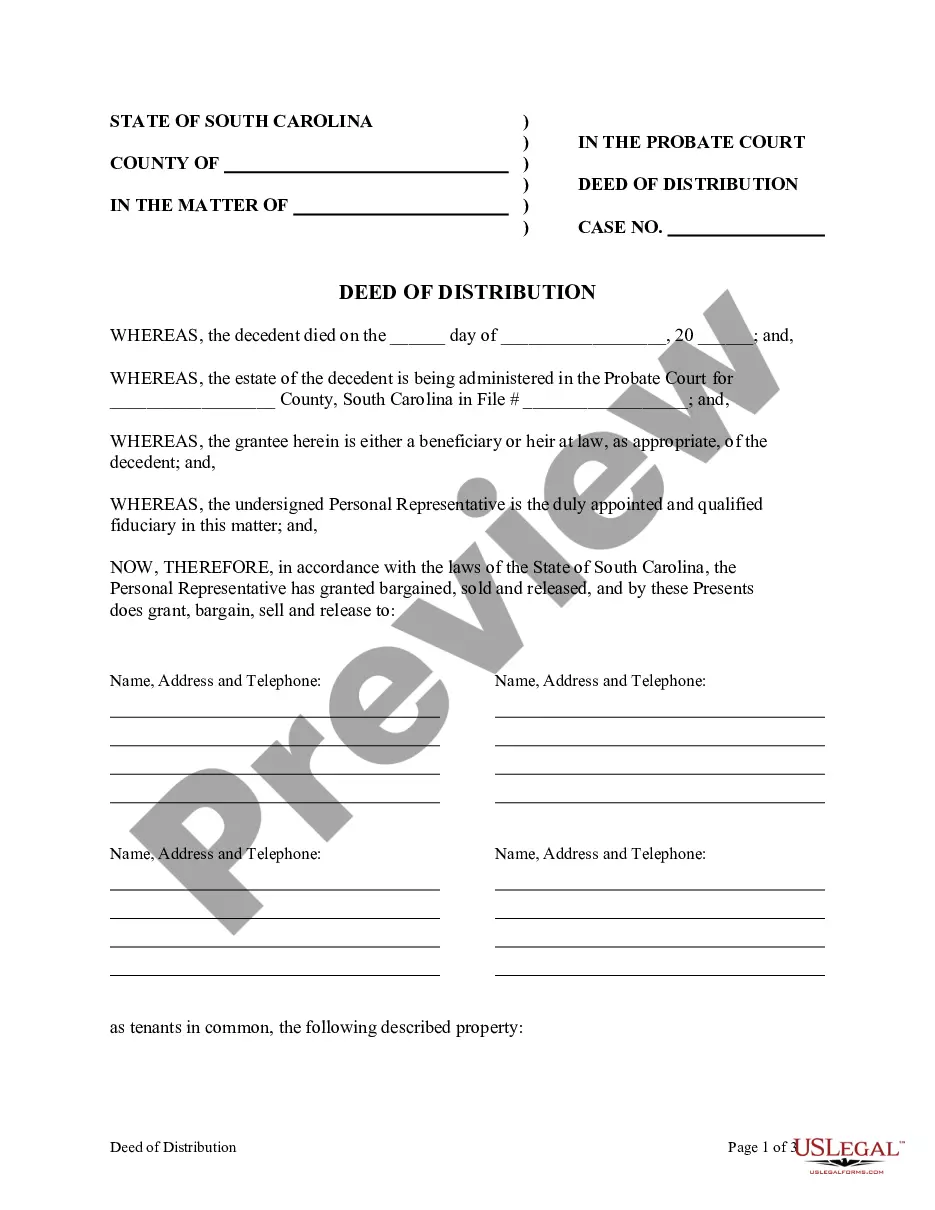
Deed of Distribution - Personal Representative to Beneficiary
Use this document to formally transfer property from an estate to a beneficiary or heir after probate.
Deed of Distribution - Personal Representative to Four Beneficiaries
Facilitate the distribution of an estate's assets among beneficiaries, ensuring a legal transfer of ownership after probate.
Common South Carolina Probate documents
- Will — a document outlining how a person's assets should be distributed.
- Petition for Probate — a request to the court to validate a will.
- Letters Testamentary — a document authorizing an executor to manage the estate.
- Inventory and Appraisement Forms — lists of estate assets and their values.
- Notice of Probate — informs interested parties that a will has been probated.
- Final Accounting Forms — detailed accounts of all transactions during probate.
FAQs
A trust is not necessary if a will meets your estate planning goals.
If no estate plan exists, state laws will determine asset distribution.
It's wise to review your plan every few years or after major life changes.
Beneficiary designations can override your will for certain assets.
Yes, you can designate separate individuals for financial and healthcare decisions.
Key legal points
- Probate is necessary to validate a will in most cases.
- Not all assets require probate; many can bypass the process.
- The probate process can vary significantly by state.
- Heirs and beneficiaries may need to be notified during probate.
- Debts of the deceased generally must be settled before assets are distributed.
How to get started
Begin the process with these simple steps.
- Find a template or package that fits your situation.
- Review the description, preview, and signing requirements.
- Get full access with a subscription.
- Complete it in the online editor.
- Export or send: download, email, USPS mail, notarize online, or send for e-signature.
Practical tip
Consider creating a will before establishing a trust to clarify asset distribution.