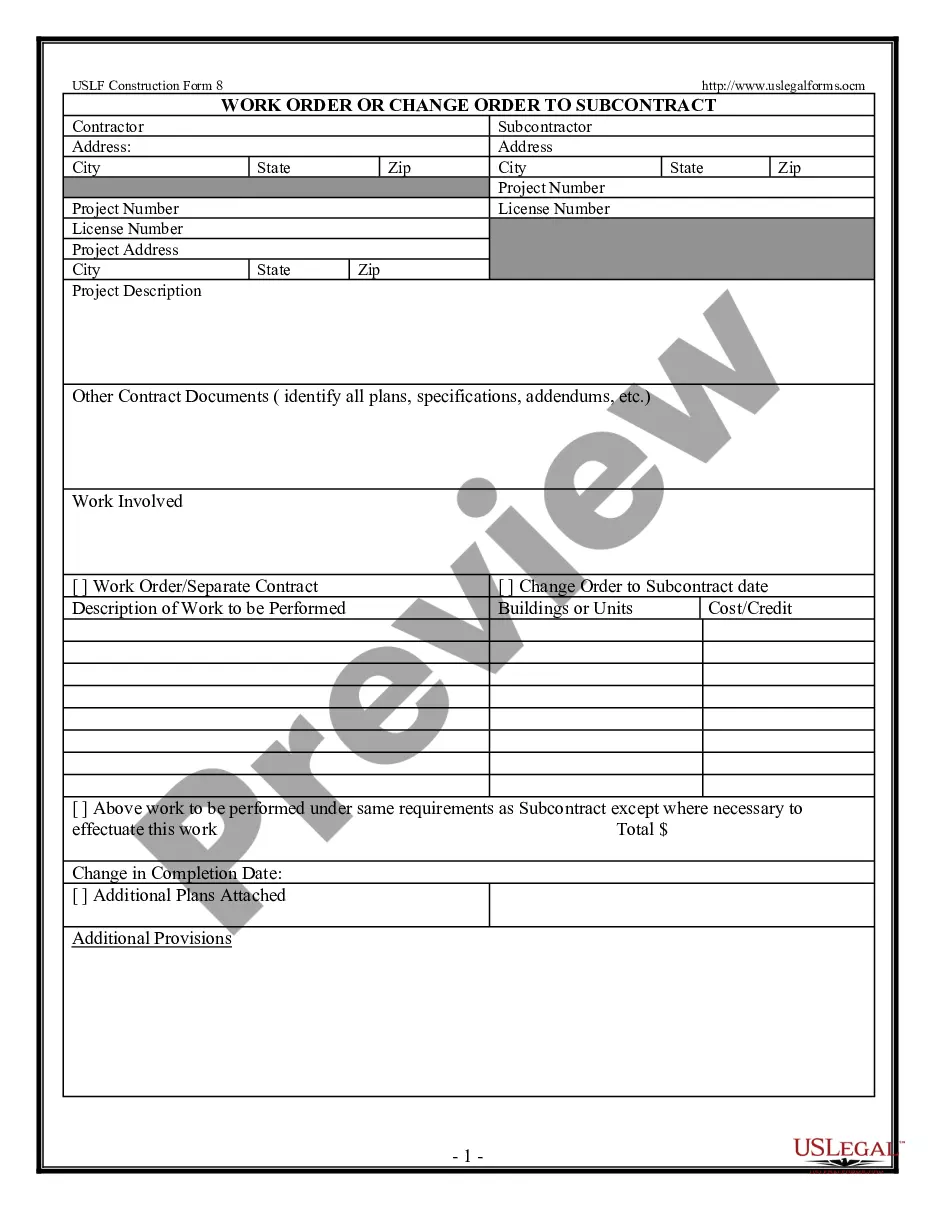
Philadelphia Pennsylvania Work or Change Order to Subcontract by Contractor
Description
How to fill out Work Or Change Order To Subcontract By Contractor?
Laws and guidelines in every sector differ throughout the nation.
If you're not a lawyer, it can be challenging to navigate numerous standards when it comes to creating legal documents.
To prevent costly legal support while drafting the Philadelphia Work or Change Order to Subcontract by Contractor, you require a validated template applicable to your area.
This is the simplest and most economical method to obtain current templates for any legal purposes. Access them all with a few clicks and maintain your documents organized with the US Legal Forms!
- Review the page content to ensure you have located the correct template.
- Utilize the Preview option or check the form description if provided.
- Look for another document if there are discrepancies with any of your criteria.
- Press the Buy Now button to acquire the template when you find the right one.
- Choose one of the subscription plans and Log In or register for an account.
- Decide how you would like to pay for your subscription (using a credit card or PayPal).
- Select the format you wish to save the document in and click Download.
- Complete and sign the template in writing after printing it or handle it all electronically.
Form popularity
FAQ
A contractor should perform change order work when project conditions change or when additional tasks are necessary. This ensures that project timelines are maintained and that all parties are on the same page regarding expectations. Appropriately managing these changes protects both the contractor and the client from potential disputes in Philadelphia, Pennsylvania. Furthermore, documenting these alterations builds a clear record for future reference.
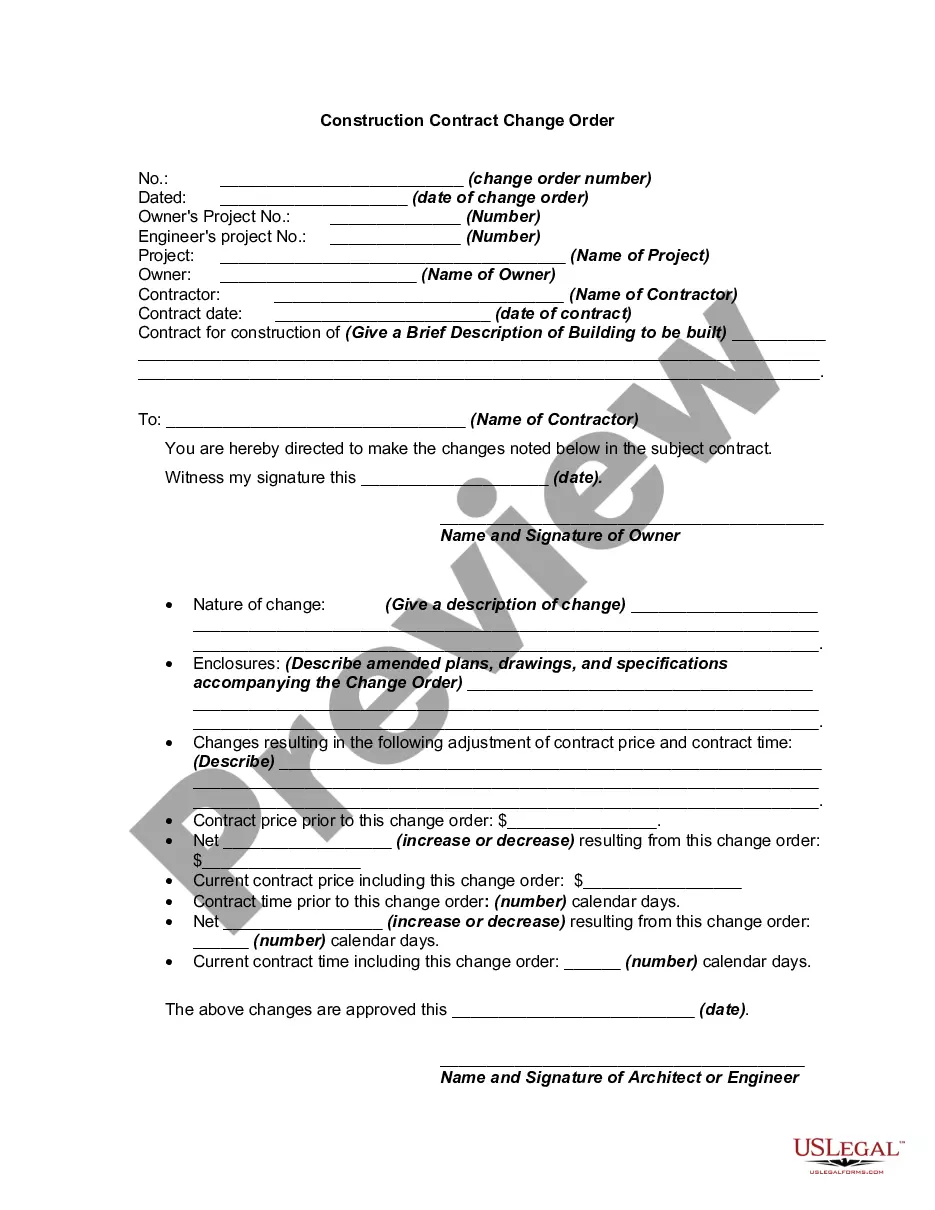
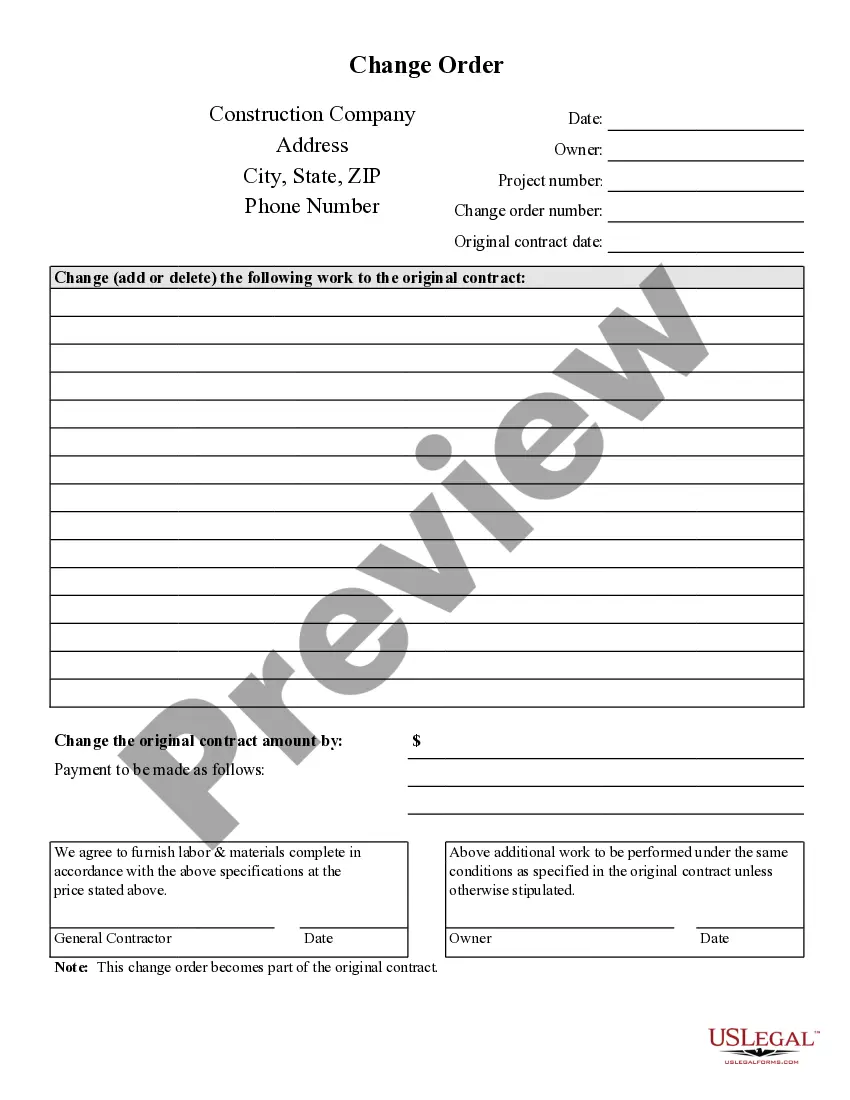
What Is a Change Order in Construction? In construction, a change order refers to the documentation of an agreement to add or subtract work, alter the design, revise the schedule, modify the price, or deviate from the original project in some other way.
A direct payment clause says that if you have paid the main contractor for work done by subcontractors and your money is not passed on to them, you can pay the subcontractor directly and deduct the payment from any other monies due to the main contractor.
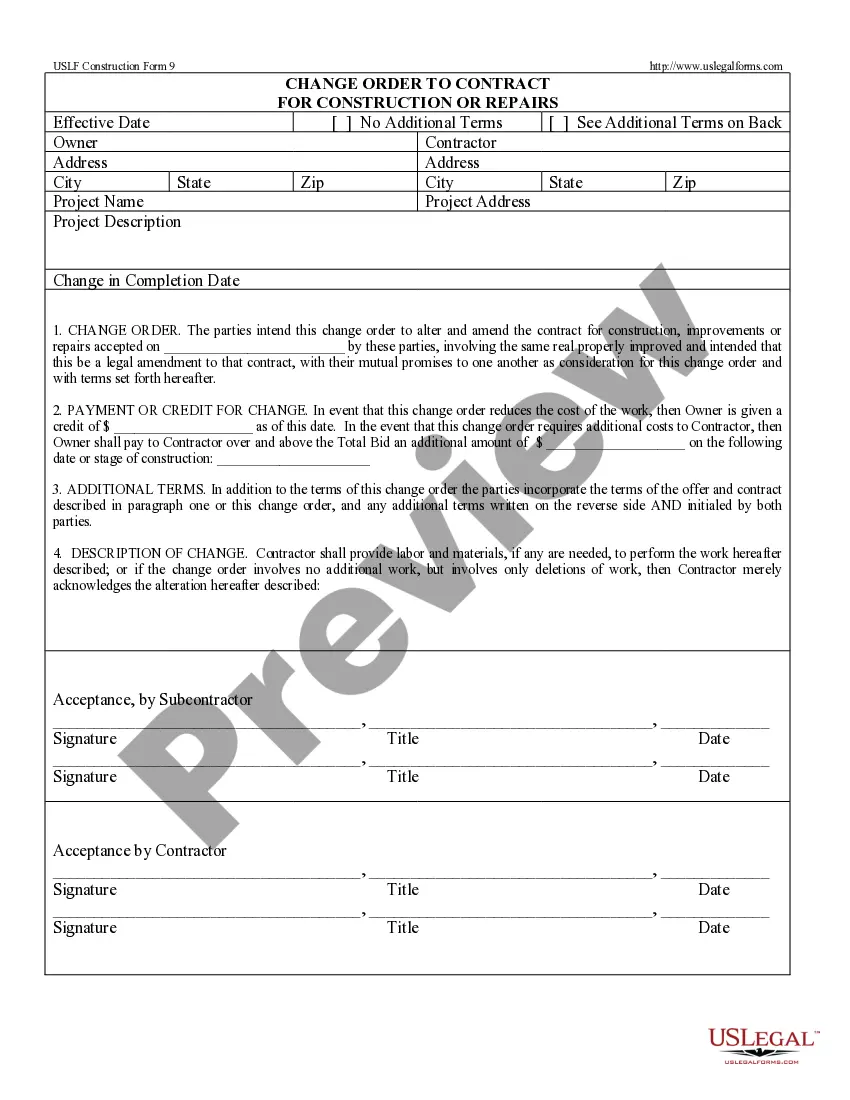
The purpose of a Subcontract Change Order (SCO) is to modify the original Subcontract due to a changed condition and work scope. Changes can be initiated by the Prime Contracting firm (i.e. GC) or Subcontractor and can affect the Subcontract amount and time.
Change orders are original contract amendments that come up often, with an estimated 35% of projects requiring at least one. A change order represents a mutual agreement to change the work, schedule, price, or other term of the contract.
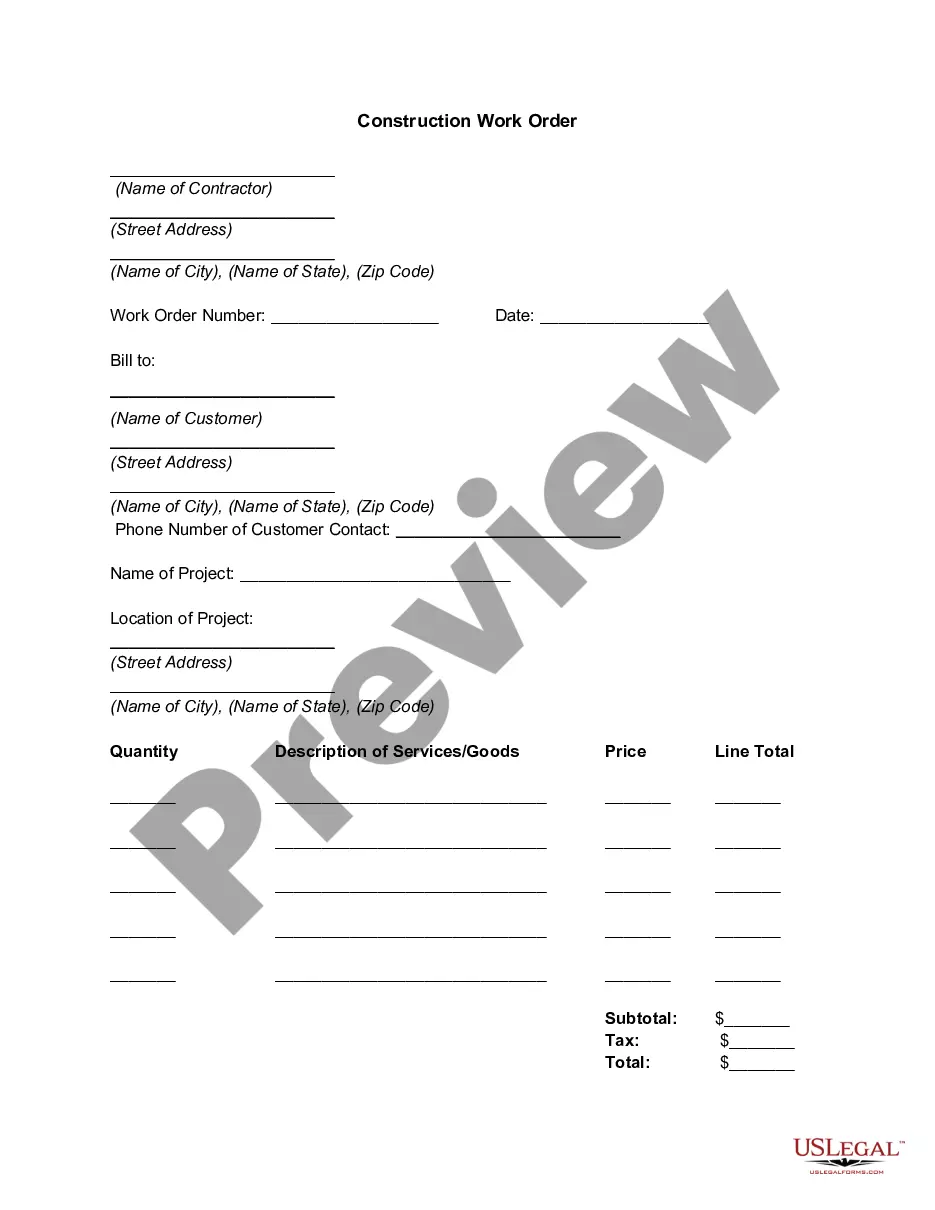
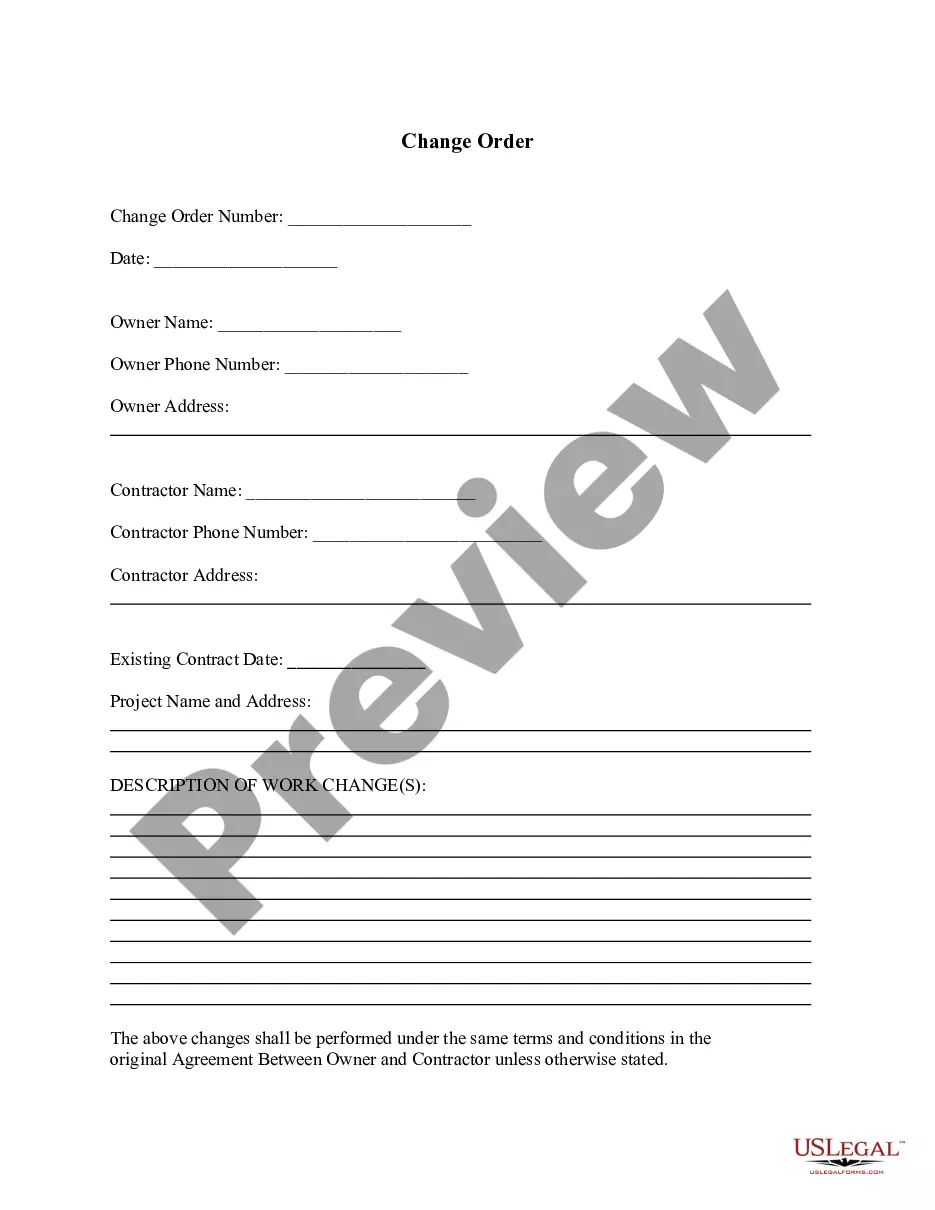
At a minimum, all change order forms should identify the following: The name and address of the project. The owner's name. The name and phone number of the person requesting the change. A complete description of the planned work. The price of the change (including a breakdown of the costs as well as the total)
"Change order" is just the industry term for an amendment to a construction contract that changes the contractor's scope of work.
Change Order Request (COR) means a Contractor generated document which describes a change in the scope of Work, including a detailed description, Drawings and Specifications, and a request for changes to costs or time, as necessary, to inform Owner of the nature of the requested change to the Contract.
The purpose of a change order It acts as an extension of the contract and ensures that all parties understand their new duties and expectations. It codifies the specific changes the client wants, and provides legal notice of any adjustments to the price and timeline that the client should expect.
Generally, there are four types of change orders. These are Time and Material, Lump Sum, Zero Cost, and Unitary Cost change orders. A lump sum change order is used when the defined change in the work scope is quantifiable, and a definite price developed.