How to amend a will with a codicil: A step-by-step guide
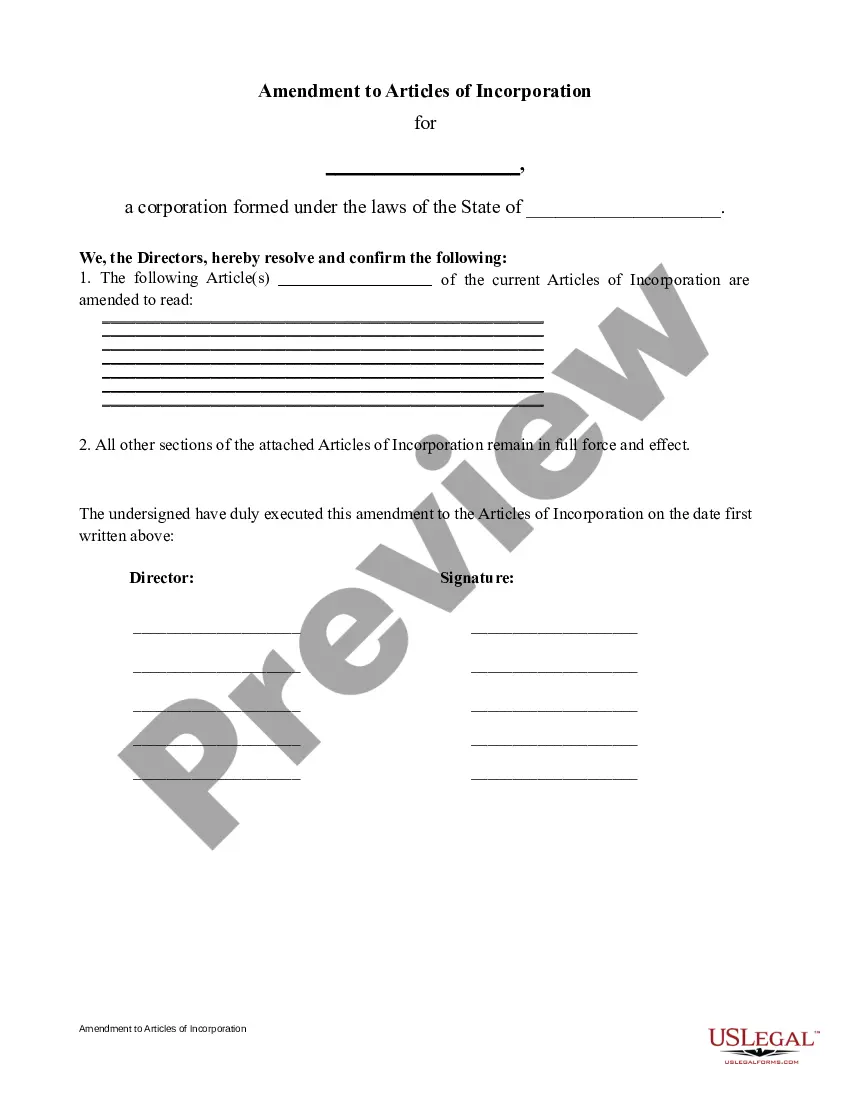
A codicil is a legal document that modifies an existing last will and testament without the need to create an entirely new will. It allows the testator to add, change, or revoke portions of their will while keeping the remainder intact. Codicils must be properly executed and adhere to state laws to be valid. In essence, it acts as an amendment to the will, ensuring that any desired updates are acknowledged and legally recognized.
How to complete a form
To amend a will using a codicil, follow these steps:
- Begin with a clear declaration that the document is a codicil to your existing will.
- Reference the date of the original will to avoid confusion.
- Clearly outline the specific changes you wish to make, such as new beneficiaries or altered asset distributions.
- Specify any articles from the original will that you are modifying or revoking.
- Sign the codicil in the presence of witnesses and have them sign as well.
- Consider having the codicil notarized to enhance its validity.
Ensure all information is accurate to prevent any potential disputes regarding your estate in the future.
Who should use this form
This form is intended for individuals who have an existing last will and wish to make changes without rewriting the entire document. Those experiencing life changes such as marriage, divorce, the birth of a child, or changes in asset ownership might find it particularly useful. By using a codicil, the testator can easily adapt their will to reflect their current wishes and ensure that their legal concerns are addressed accordingly.
Common mistakes to avoid when using this form
When completing a codicil, avoid the following errors:
- Failing to reference the original will explicitly can lead to confusion.
- Not signing the codicil in the presence of the required witnesses.
- Making vague changes that could lead to misinterpretation.
- Neglecting to have the document notarized, which can add legitimacy to the amendments.
- Not keeping the codicil with the original will, making it difficult to find when needed.
By avoiding these common pitfalls, individuals can create a valid codicil that accurately reflects their intentions.
What to expect during notarization or witnessing
When finalizing a codicil, it must be signed in the presence of at least two witnesses, who should not be beneficiaries of the will. During the witnessing process:
- All parties must be present in the same location.
- The testator will sign the codicil, after which witnesses will also sign to confirm they observed the signing.
- In some jurisdictions, notarization is recommended or required to enhance the legal standing of the document.
A notary public will verify identities, and signatures will be collected to ensure that the codicil is properly executed.
Key components of the form
When drafting a codicil, several key components must be included for it to be valid:
- A clear title indicating that it is a codicil to the last will.
- Full identification of the testator, including name and address.
- The date of the original will being amended.
- A description of the intended changes or modifications.
- Signatures of the testator alongside the signatures of witnesses.
These elements are crucial for ensuring the codicil serves its purpose effectively and withstands any legal scrutiny.