Rhode Island Quitclaim Deed from Husband and Wife to Limited Liability Company

What this document covers
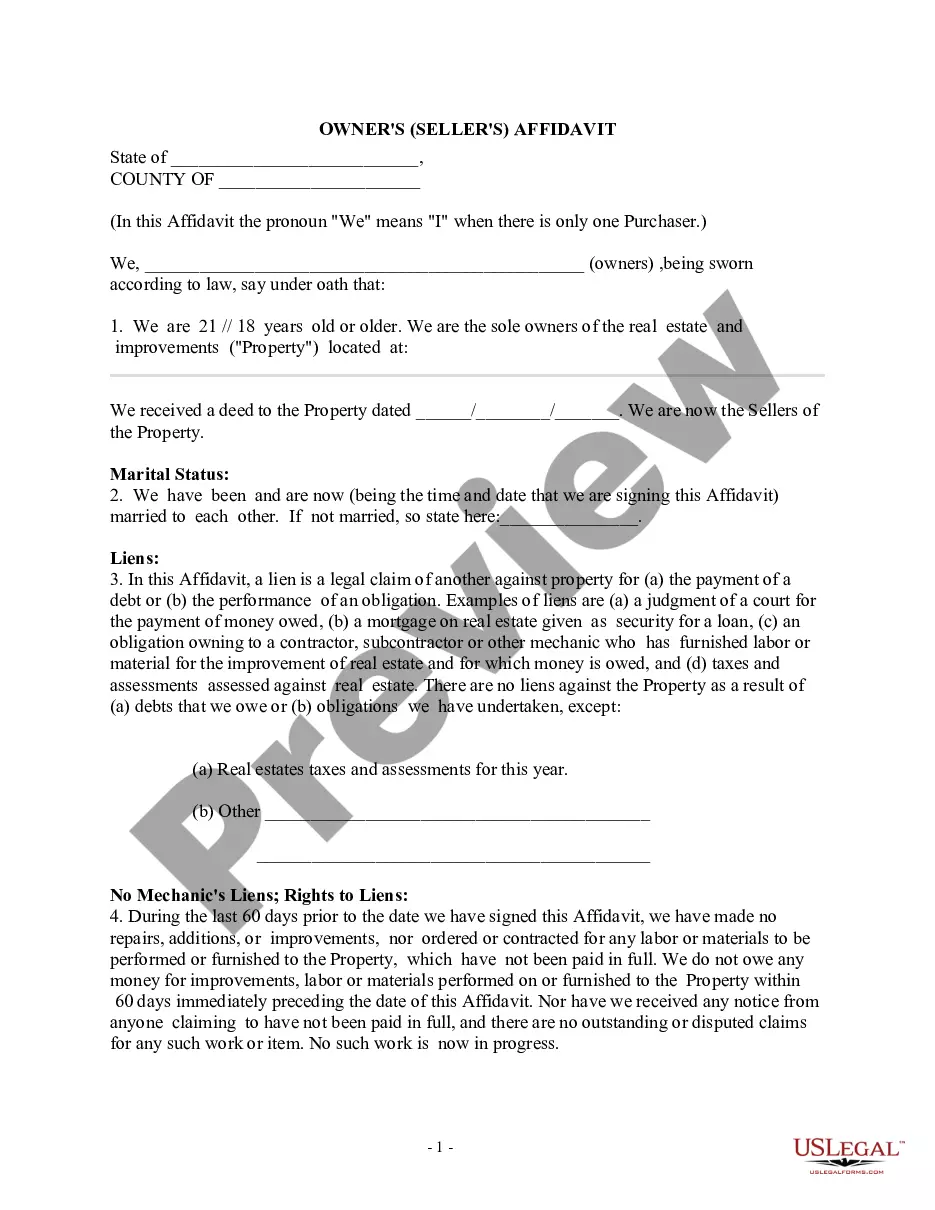
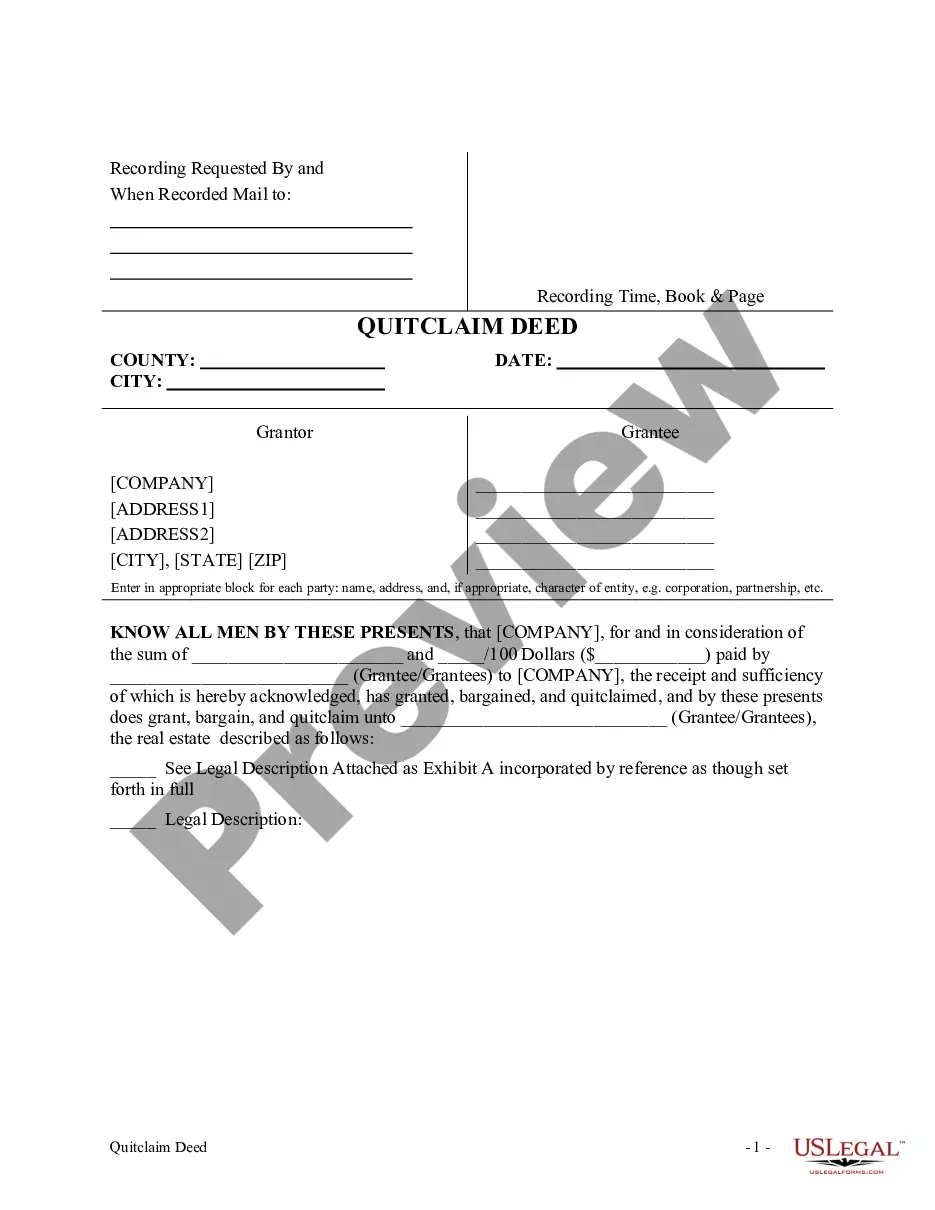
The Quitclaim Deed from Husband and Wife to Limited Liability Company is a legal document used to transfer ownership of real property from a married couple to a limited liability company (LLC). Unlike a warranty deed, a quitclaim deed does not guarantee that the grantors hold clear title to the property. This form is especially useful when the owners wish to convey property ownership to a business entity for various reasons, such as asset protection or tax benefits.
Key parts of this document
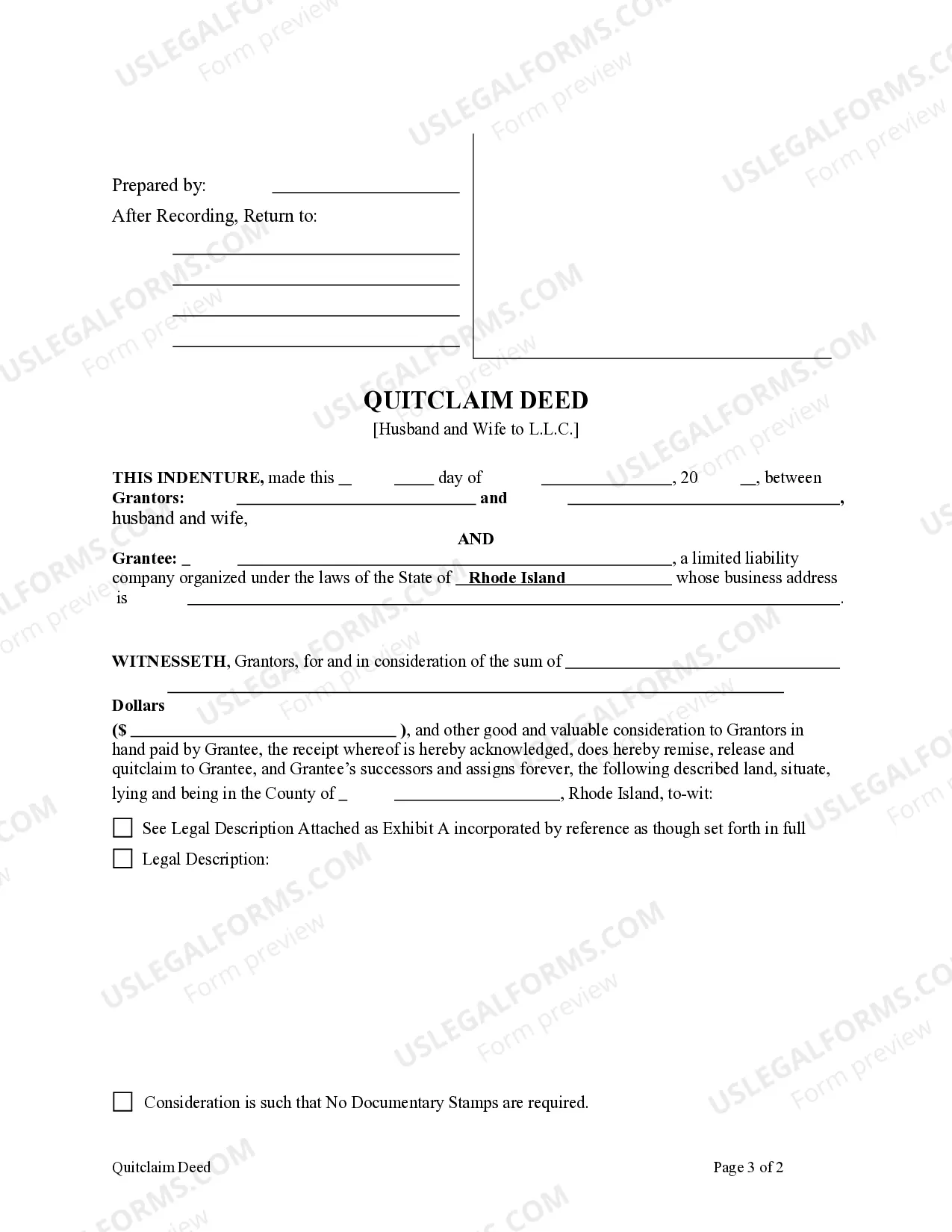
- Identification of grantors (husband and wife) and grantee (LLC).
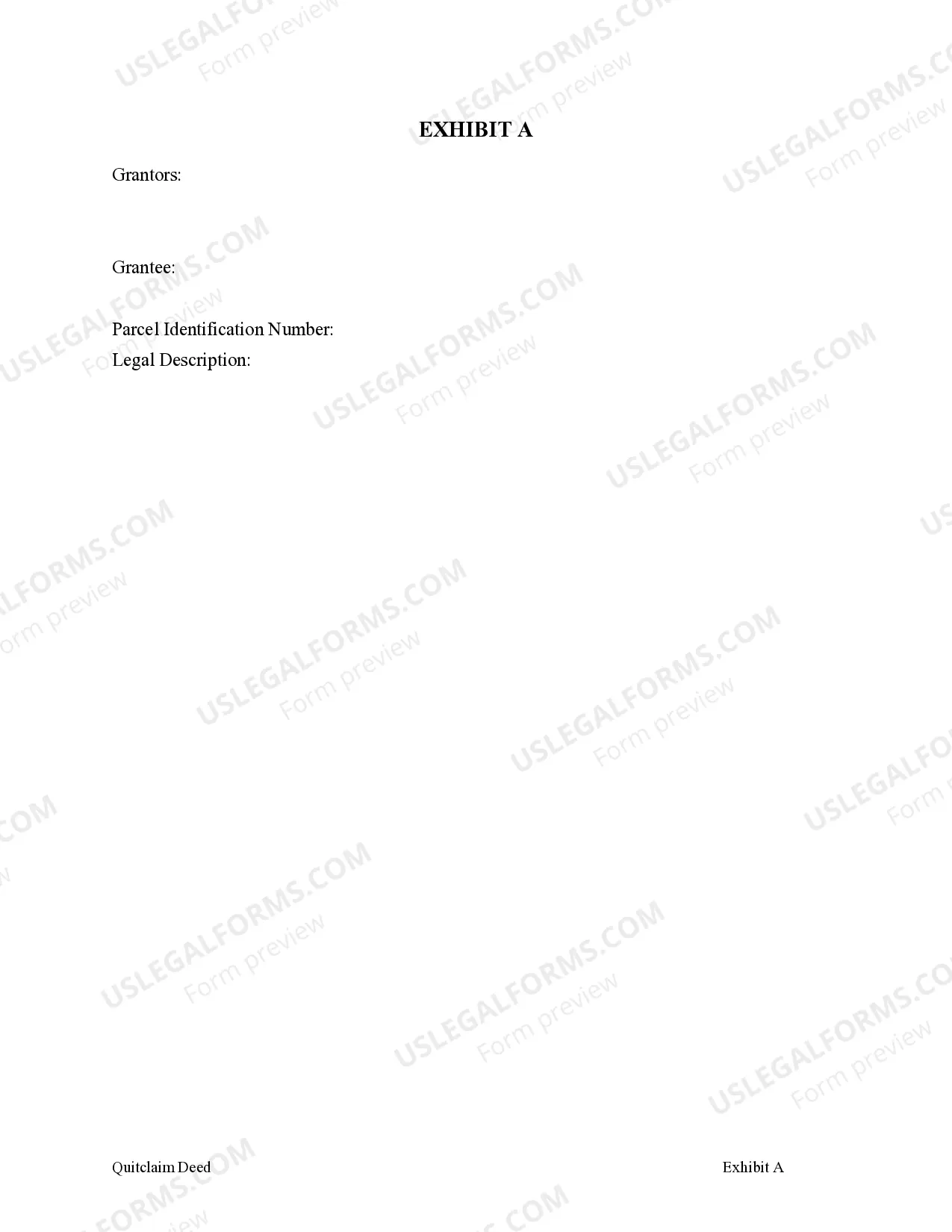
- Description of the property being transferred.
- Consideration statement, indicating whether any monetary exchange occurs.
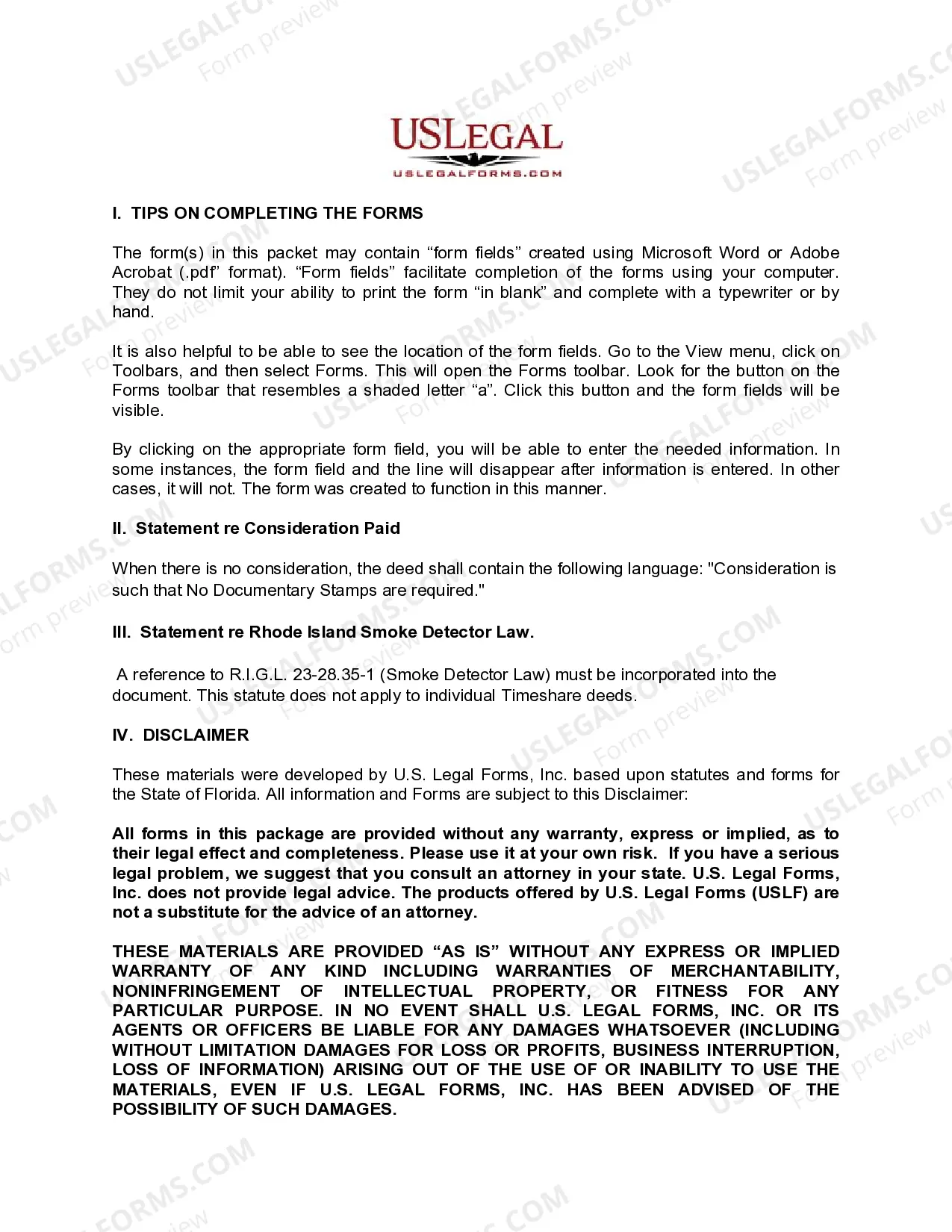
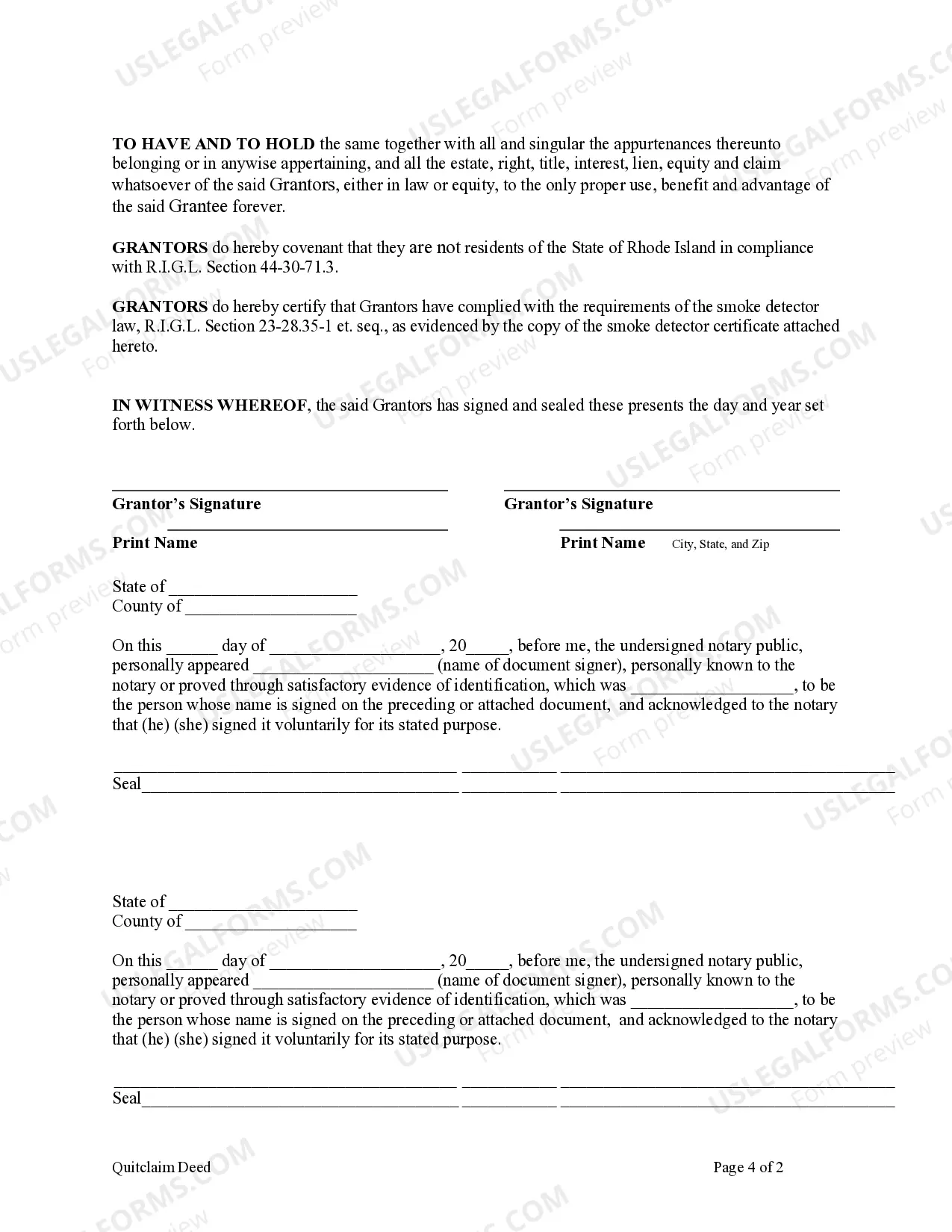
- Compliance statement regarding smoke detector laws in Rhode Island.
- Signature lines for both grantors.

Situations where this form applies
This form is useful in scenarios where a married couple wants to transfer ownership of their property to an LLC. Common situations include forming a real estate investment group, establishing a family business, or protecting assets in the event of a divorce or lawsuit. It is also appropriate when there is no financial consideration involved in the transaction.
Who needs this form
This form is intended for:
- Married couples who co-own property and want to transfer it to an LLC.
- Individuals looking to protect their personal assets by placing them in a business entity.
- Real estate investors who wish to manage property through an LLC.
Instructions for completing this form
- Identify the parties involved: the husband, the wife, and the limited liability company.
- Provide a clear legal description of the property being conveyed.
- State whether any consideration is being paid for the transfer, or use the specified language if no consideration is involved.
- Include any required compliance statements, such as the smoke detector law if applicable.
- Both grantors should sign and date the deed.
Is notarization required?
This form does not typically require notarization unless specified by local law. However, having a notary public witness the signing may provide an added layer of validity and help prevent disputes regarding the authenticity of the signatures.
Get your form ready online
Our built-in tools help you complete, sign, share, and store your documents in one place.
Make edits, fill in missing information, and update formatting in US Legal Forms—just like you would in MS Word.
Download a copy, print it, send it by email, or mail it via USPS—whatever works best for your next step.
Sign and collect signatures with our SignNow integration. Send to multiple recipients, set reminders, and more. Go Premium to unlock E-Sign.
If this form requires notarization, complete it online through a secure video call—no need to meet a notary in person or wait for an appointment.
We protect your documents and personal data by following strict security and privacy standards.
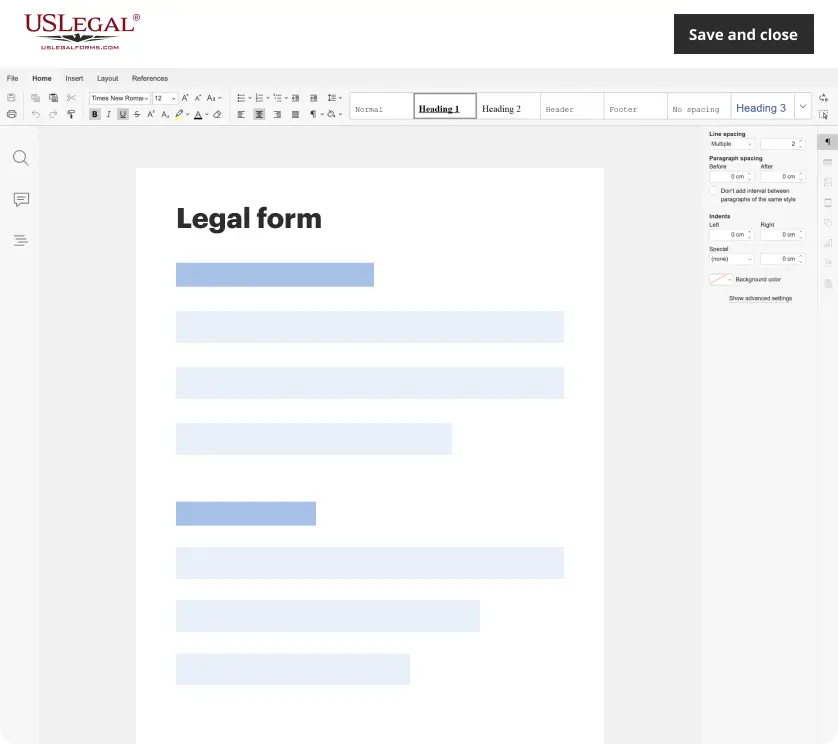
Make edits, fill in missing information, and update formatting in US Legal Forms—just like you would in MS Word.
Download a copy, print it, send it by email, or mail it via USPS—whatever works best for your next step.
Sign and collect signatures with our SignNow integration. Send to multiple recipients, set reminders, and more. Go Premium to unlock E-Sign.

If this form requires notarization, complete it online through a secure video call—no need to meet a notary in person or wait for an appointment.
We protect your documents and personal data by following strict security and privacy standards.
Mistakes to watch out for
- Failing to include a complete legal description of the property.
- Not having both spouses sign the deed.
- Ignoring state-specific requirements, such as smoke detector compliance statements.
Why use this form online
- Easy access to customizable templates that ensure compliance with legal requirements.
- Convenient completion and editing through computer software.
- Ability to save and download the form for future use or record-keeping.
Main things to remember
- The Quitclaim Deed allows a married couple to transfer property to a limited liability company.
- It is essential to include all necessary information, such as property description and compliance statements.
- While notarization is generally not required, it may enhance the form's legality.
Looking for another form?
Form popularity
FAQ
Retrieve your original deed. Get the appropriate deed form. Draft the deed. Sign the deed before a notary. Record the deed with the county recorder. Obtain the new original deed.
To use a Quitclaim Deed to add someone to a property deed or title, you would need to create a Quitclaim Deed and list all of the current owners in the grantor section. In the grantee section, you would list all of the current owners as well as the person you would like to add.
The drawback, quite simply, is that quitclaim deeds offer the grantee/recipient no protection or guarantees whatsoever about the property or their ownership of it. Maybe the grantor did not own the property at all, or maybe they only had partial ownership.
Quitclaim deeds are most often used to transfer property between family members. Examples include when an owner gets married and wants to add a spouse's name to the title or deed, or when the owners get divorced and one spouse's name is removed from the title or deed.
A quitclaim deed is a legal instrument that is used to transfer interest in real property.The owner/grantor terminates (quits) any right and claim to the property, thereby allowing the right or claim to transfer to the recipient/grantee.
How to Quitclaim Deed to LLC. A quitclaim deed to LLC is actually a very simple process. You will need a deed form and a copy of the existing deed to make sure you identify titles properly and get the legal description of the property.
It is a legal document, hence should be short and precise. The letter must be addressed to the concerned authority. The letter must contain all the required details. You must mention your contact details for any queries or doubts.
Although it's possible to change the names on title deeds yourself, we recommend that you seek professional help from a solicitor. The value of property is sufficiently high to make it worthwhile getting the transfer right.
However, there are substantial downsides associated with transferring your primary home into an LLC.If you are using your personal residence for estate planning purposes, a qualified personal residence trust (QPRT) may be more effective than transferring your property to a limited liability company.