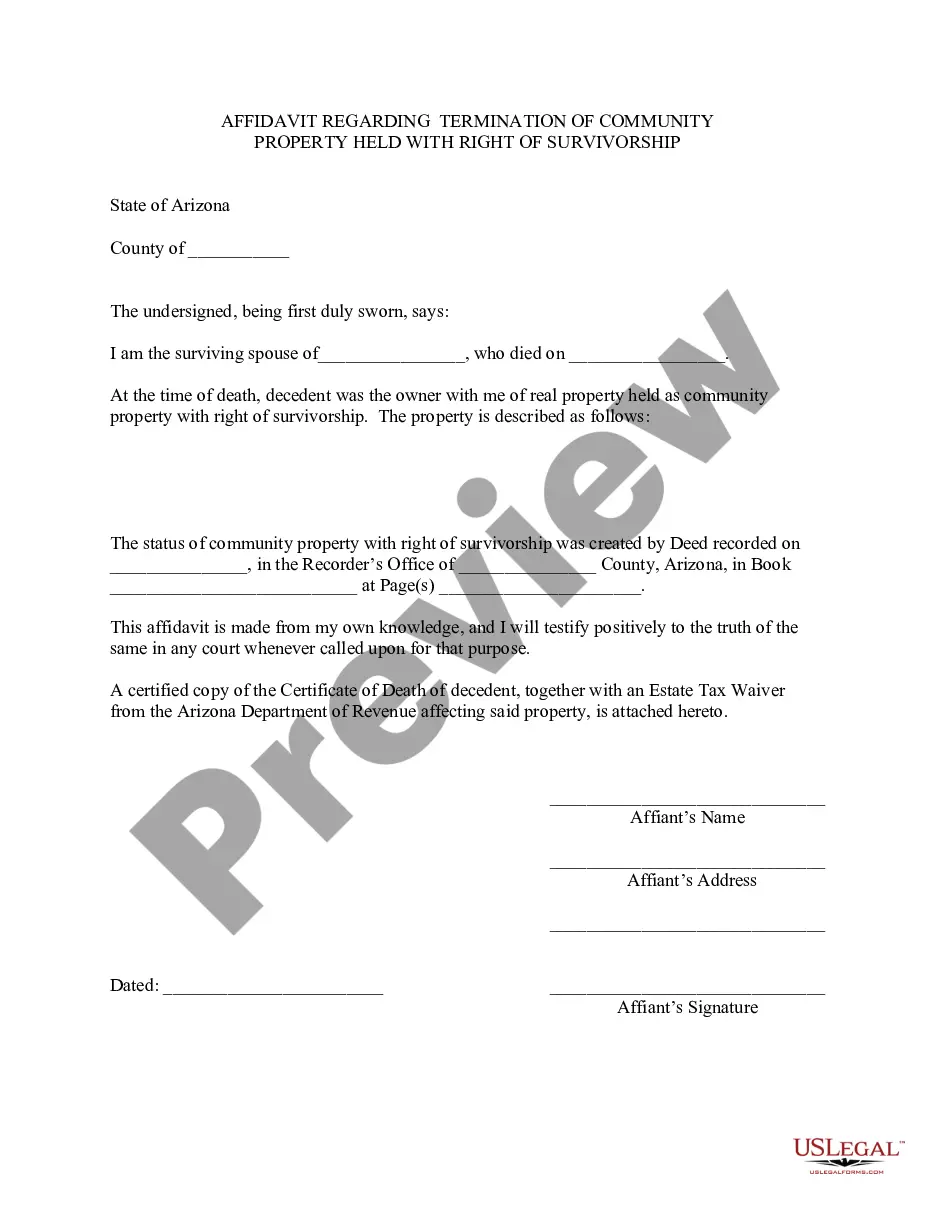
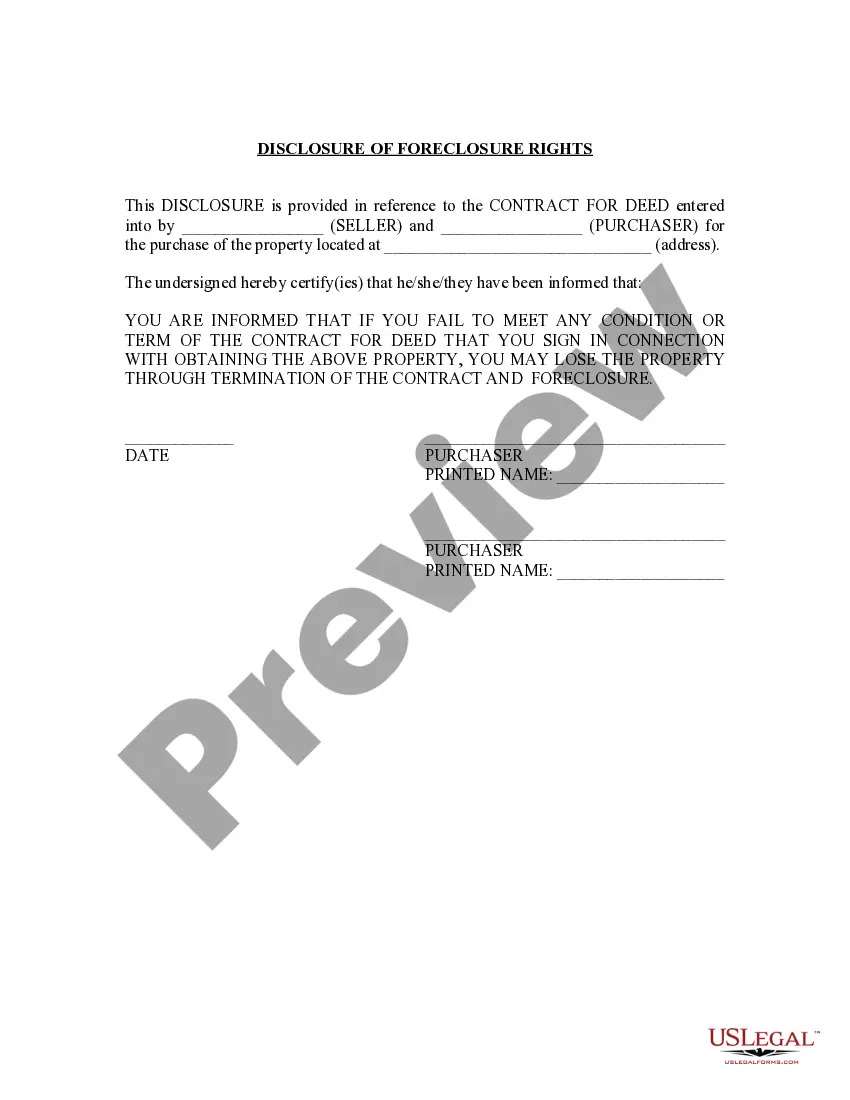
Oklahoma Seller's Disclosure of Forfeiture Rights for Contract for Deed
What is this form?
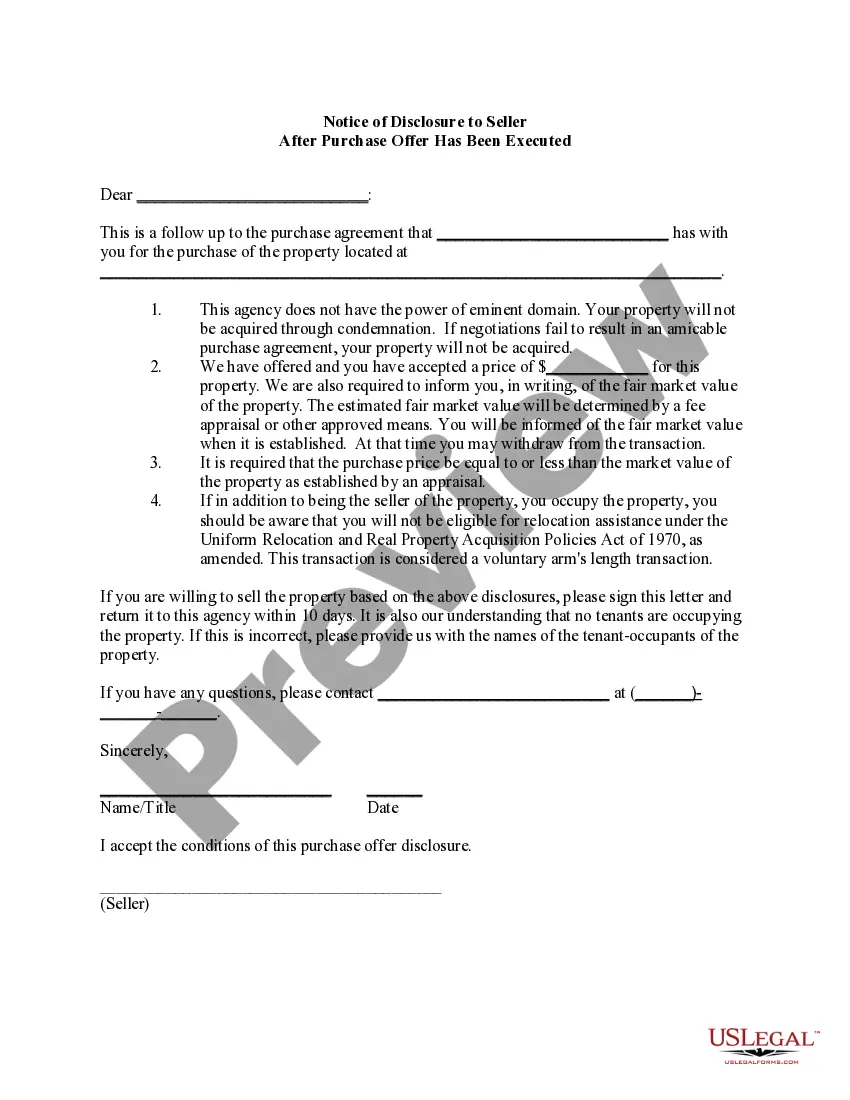
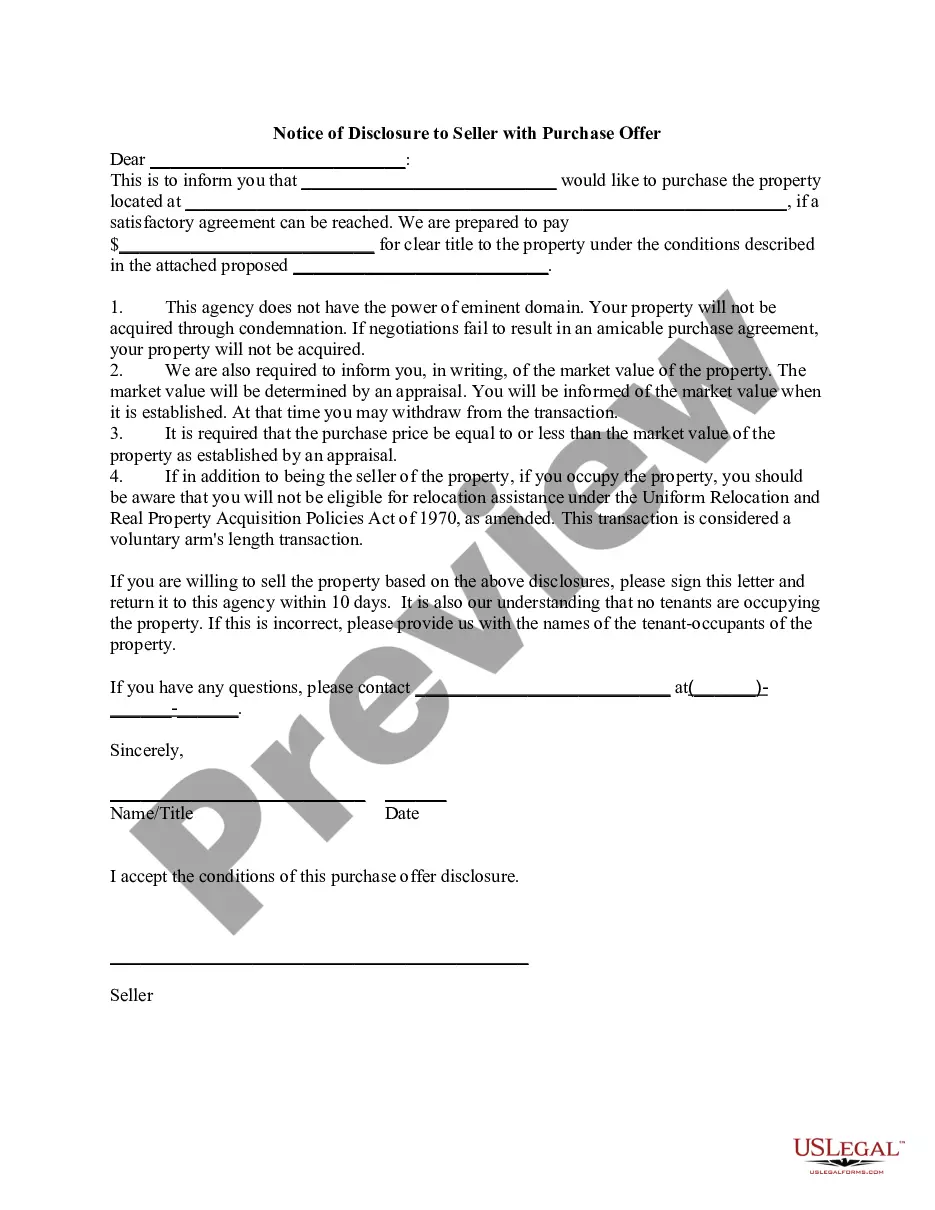
The Seller's Disclosure of Forfeiture Rights for Contract for Deed is a legal document provided by the seller to the purchaser at the time of signing the contract. This form outlines the potential consequences of failing to meet the terms of the contract, particularly regarding forfeiture of the property. While not always legally required, this disclosure enhances transparency and helps ensure that the purchaser understands their obligations, offering protection to both parties should legal issues arise in the future.
Main sections of this form
- Certification of understanding regarding forfeiture rights
- Detailed explanation of consequences for failing to meet contract terms
- Space for signatures of both the seller and purchaser
- Reference to the specific property involved in the transaction
When to use this document
This form should be used when entering into a contract for deed to purchase property. It is essential when the seller wants to clarify the implications of defaulting on the contract. This document is particularly useful in scenarios where the purchaser may be unfamiliar with forfeiture and its potential legal ramifications.
Who needs this form
This form is intended for:
- Property sellers who are offering a contract for deed
- Purchasers entering into a contract for deed
- Real estate professionals looking to facilitate transactions involving contracts for deed
Instructions for completing this form
- Identify the parties involved: seller and purchaser.
- Specify the property being discussed in the contract.
- Clearly state the potential for forfeiture in case of default.
- Both parties should review the document for understanding.
- Sign and date the form to finalize the acknowledgment.
Does this form need to be notarized?
This form usually doesn’t need to be notarized. However, local laws or specific transactions may require it. Our online notarization service, powered by Notarize, lets you complete it remotely through a secure video session, available 24/7.
Get your form ready online
Our built-in tools help you complete, sign, share, and store your documents in one place.
Make edits, fill in missing information, and update formatting in US Legal Forms—just like you would in MS Word.
Download a copy, print it, send it by email, or mail it via USPS—whatever works best for your next step.
Sign and collect signatures with our SignNow integration. Send to multiple recipients, set reminders, and more. Go Premium to unlock E-Sign.
If this form requires notarization, complete it online through a secure video call—no need to meet a notary in person or wait for an appointment.
We protect your documents and personal data by following strict security and privacy standards.

Make edits, fill in missing information, and update formatting in US Legal Forms—just like you would in MS Word.

Download a copy, print it, send it by email, or mail it via USPS—whatever works best for your next step.

Sign and collect signatures with our SignNow integration. Send to multiple recipients, set reminders, and more. Go Premium to unlock E-Sign.

If this form requires notarization, complete it online through a secure video call—no need to meet a notary in person or wait for an appointment.

We protect your documents and personal data by following strict security and privacy standards.
Common mistakes
- Failing to explain the form's contents clearly to the purchaser.
- Not having all parties sign the document at the time of contract signing.
- Using outdated versions of the form that may not comply with current laws.
Why complete this form online
- Immediate access to legally vetted templates drafted by licensed attorneys.
- Conveniently editable to meet specific transaction requirements.
- Available for download and use at your own pace without the need for an appointment.
Key takeaways
- The Seller's Disclosure of Forfeiture Rights for Contract for Deed is essential for informing buyers of their rights.
- Both parties must understand the implications of forfeiture prior to signing a contract for deed.
- Ensure that the form is completed accurately to prevent future disputes.
- Consult local regulations to verify any additional state-specific requirements.
Looking for another form?
Form popularity
FAQ
If a seller defaults, he must return all deposits, plus added reasonable expenses, to the buyer. The other party may also seek to compel the erring party to complete the deal under specific performance. From a buyer's point of view, it is advisable to get the sale agreement registered.
Other benefits include: no loan qualifying, low or flexible down payment, favorable interest rates and flexible terms, and a quicker settlement. The biggest risk when buying a home contract for deed is that you really don?t have a legal claim to the property until you have paid off the entire purchase price.
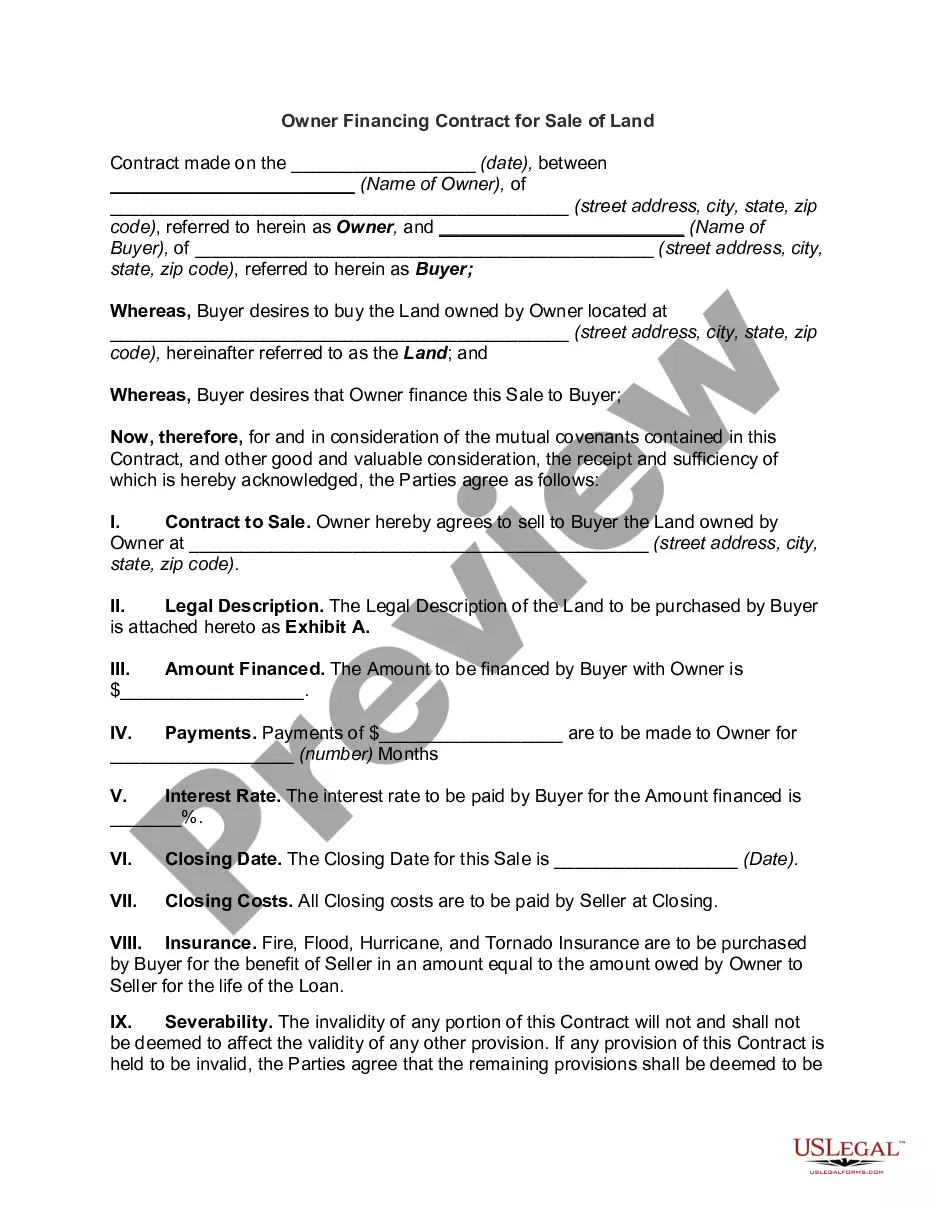
Under a Contract for Deed, the buyer makes regular payments to the seller until the amount owed is paid in full or the buyer finds another means to pay off the balance. The seller retains legal title to the property until the balance is paid; the buyer gets legal title to the property once the final payment is made.
A disadvantage to the seller is that a contract for deed is frequently characterized by a low down payment and the purchase price is paid in installments instead of one lump sum. If a seller needs funds from the sale to buy another property, this would not be a beneficial method of selling real estate.
If the Seller decides to breach the contract and keep their home, they may do so, but the court may order the Buyer receive money for the resulting breach. Generally, the money owed to Buyer may include reimbursing the Buyer with: The buyer's temporary housing costs. The buyer's inspection and survey fees.
But unlike buyers, sellers can't back out and forfeit their earnest deposit money (usually 1-3 percent of the offer price). If you decide to cancel a deal when the home is already under contract, you can be either legally forced to close anyway or sued for financial damages.
Failure to record a deed effectively makes it impossible for the public to know about the transfer of a property. That means the legal owner of the property appears to be someone other than the buyer, a situation that can generate serious ramifications.
In the first instance, if your deed is not recorded, there is nothing in the public record to stop the seller from conveying the property to another person.The second situation could happen if your seller fails to pay his or her debts and the seller's creditors file liens or judgments against your property.