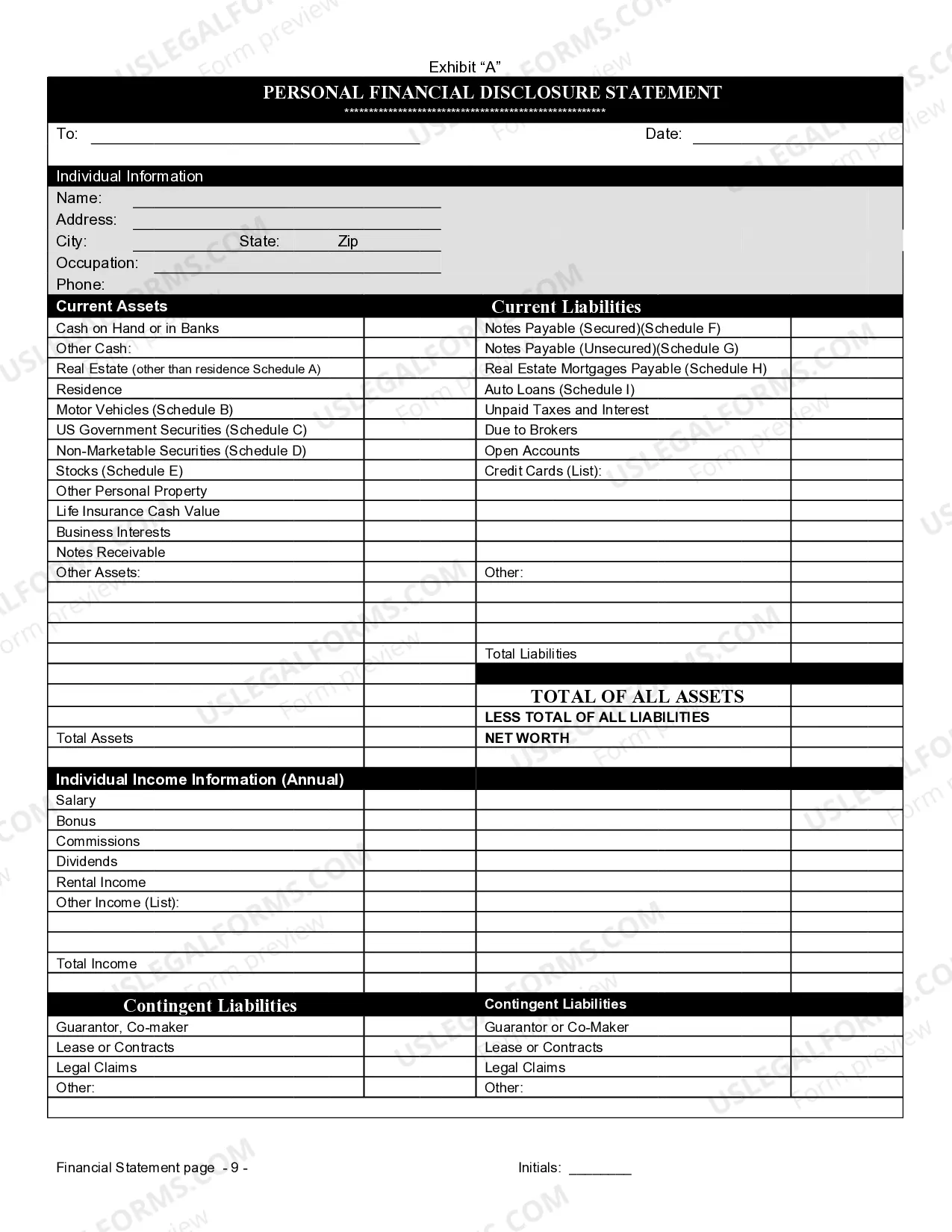
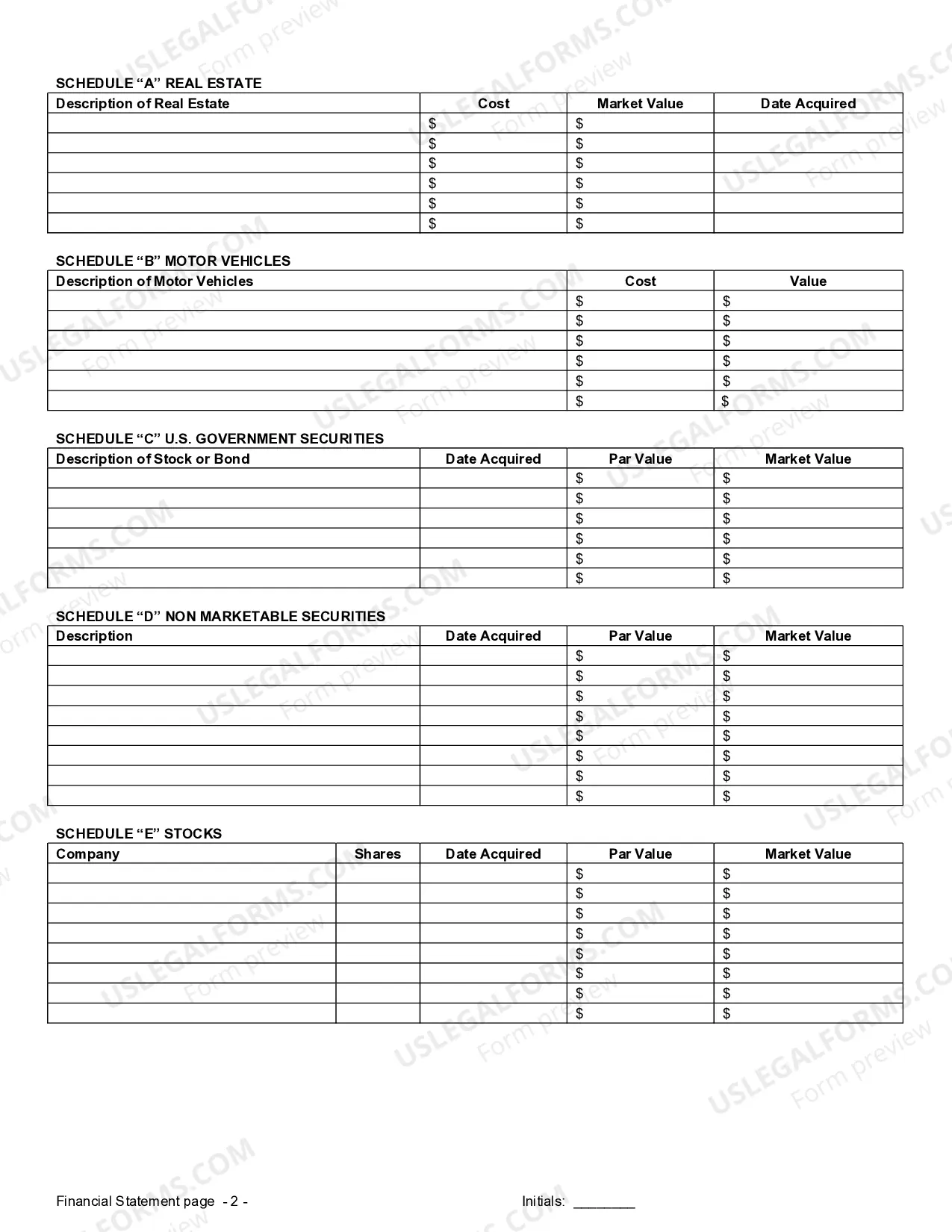
Nevada Non-Marital Cohabitation Living Together Agreement

State:
Nevada
Control #:
NV-513R
Format:
Word; 
Rich Text
Instant download

Overview of this form

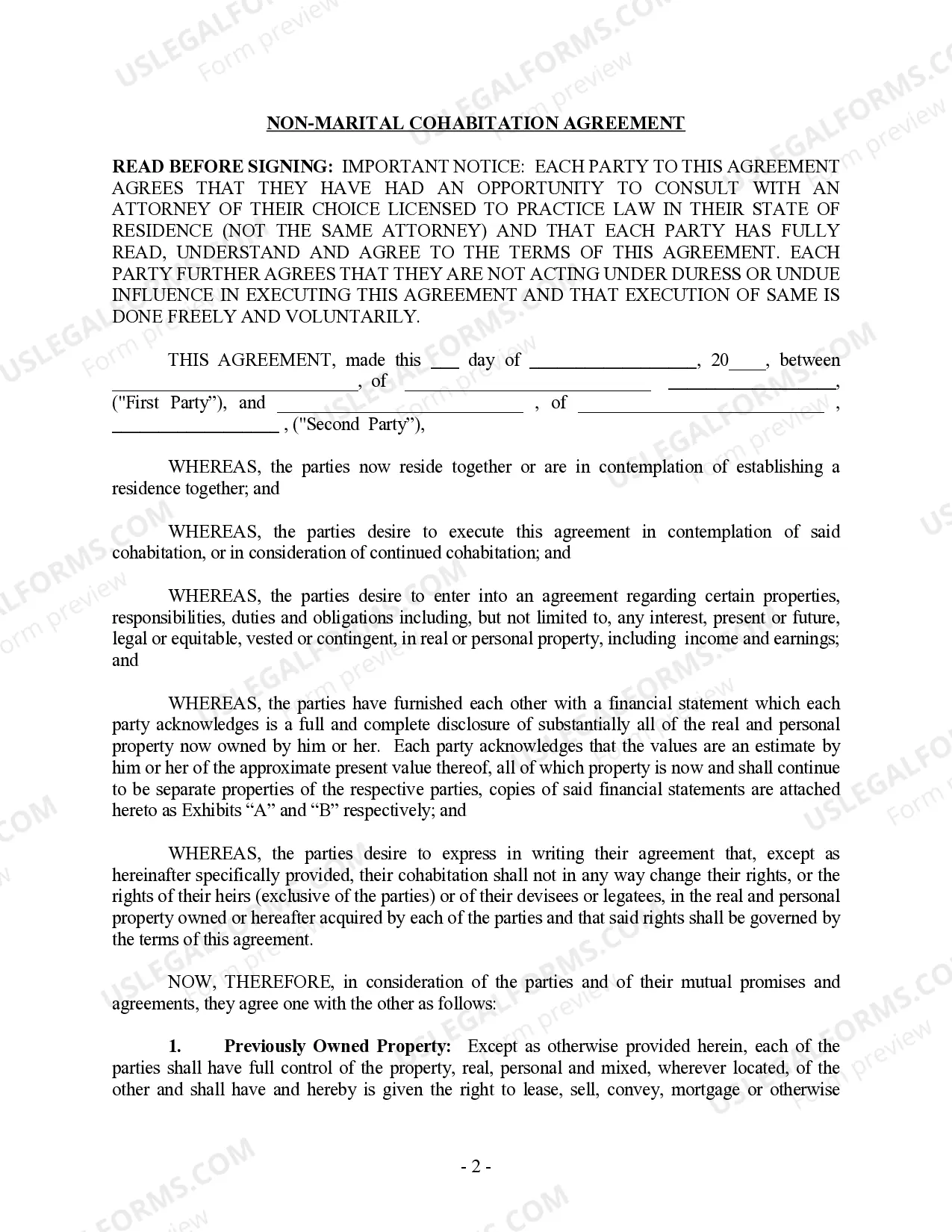
The Non-Marital Cohabitation Living Together Agreement is a legal document that outlines the rights and responsibilities of two individuals who live together but are not married. This agreement is essential for clarifying expectations around finances, property ownership, and other aspects of the relationship. Unlike marriage contracts, this form specifically addresses cohabiting couples' needs and protects their interests before issues arise.

Key parts of this document

  • Identification of the parties involved, including their names and addresses.
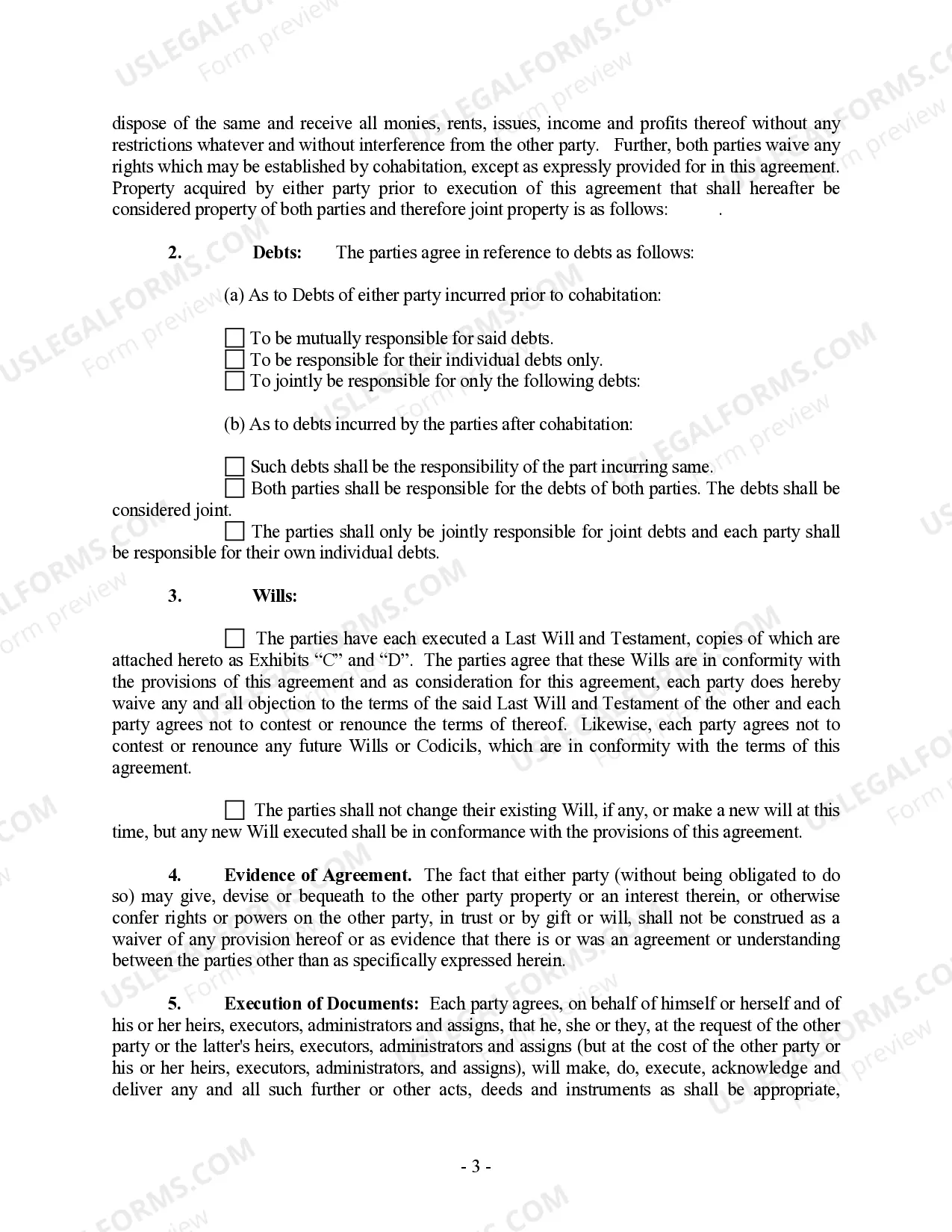
  • Details about property ownership and division of assets acquired during cohabitation.
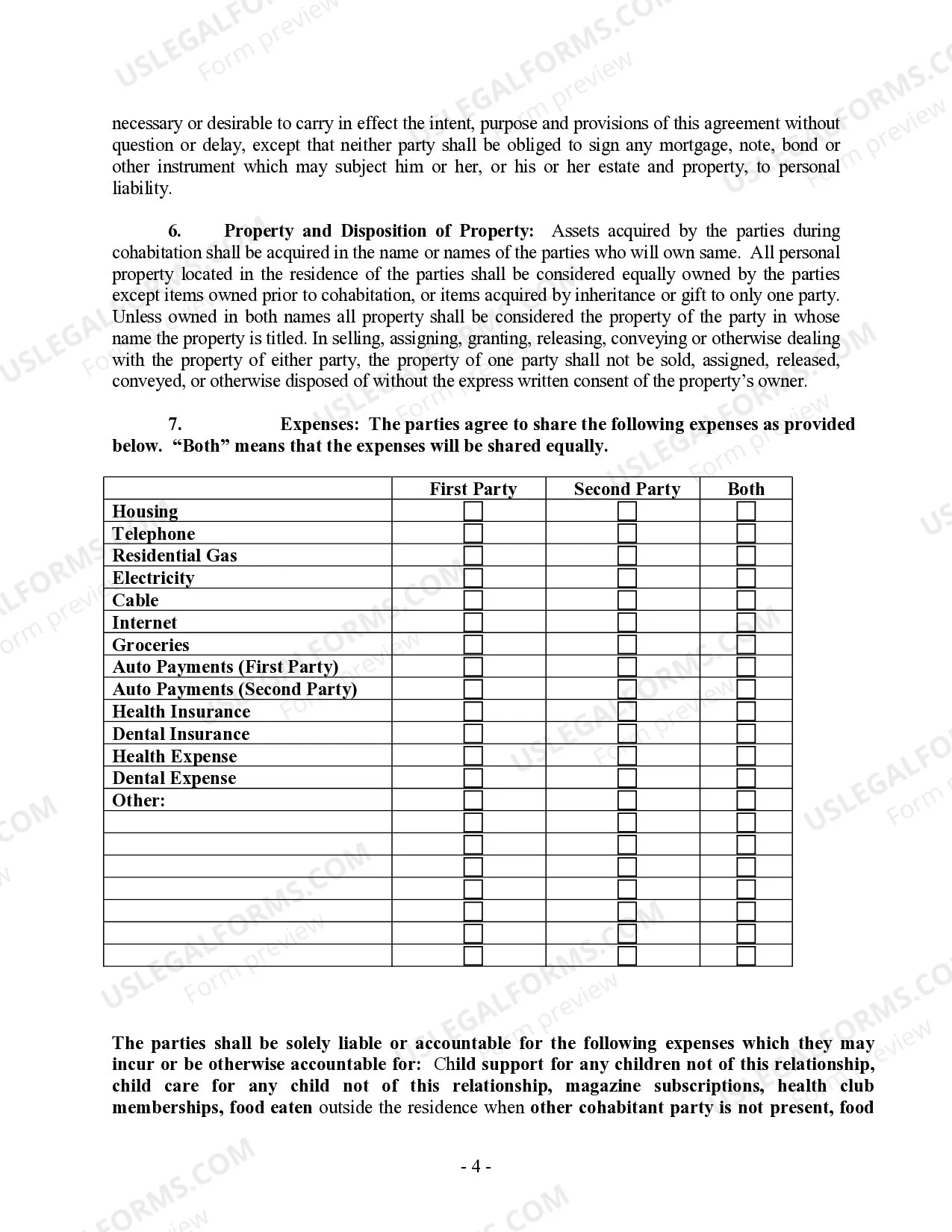
  • Provisions regarding shared expenses and individual financial responsibilities.
  • Health care decision-making agreements between the parties.
  • Clarifications on post-cohabitation support and obligations.
  • Signature provisions, including notary acknowledgment for legal validation.
Free preview
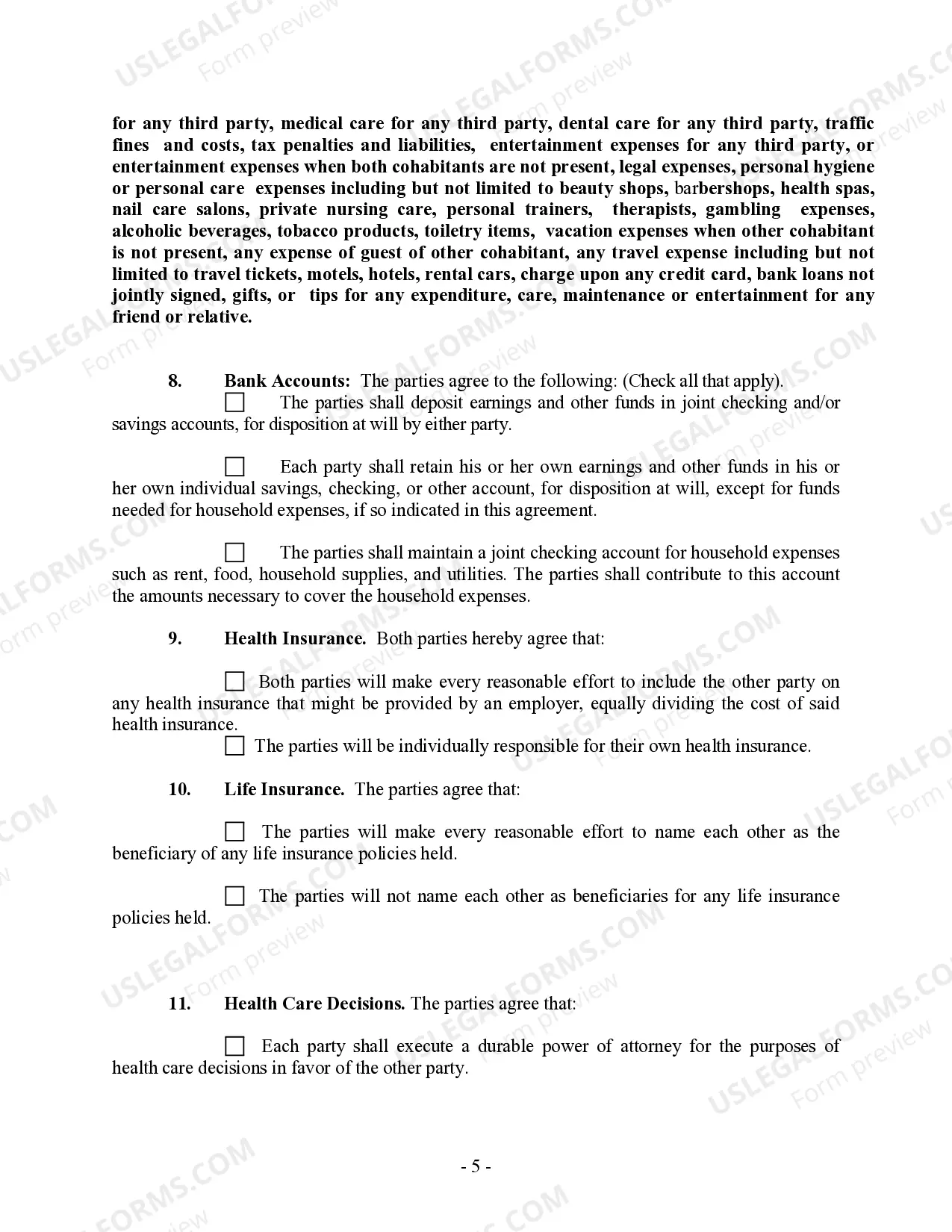
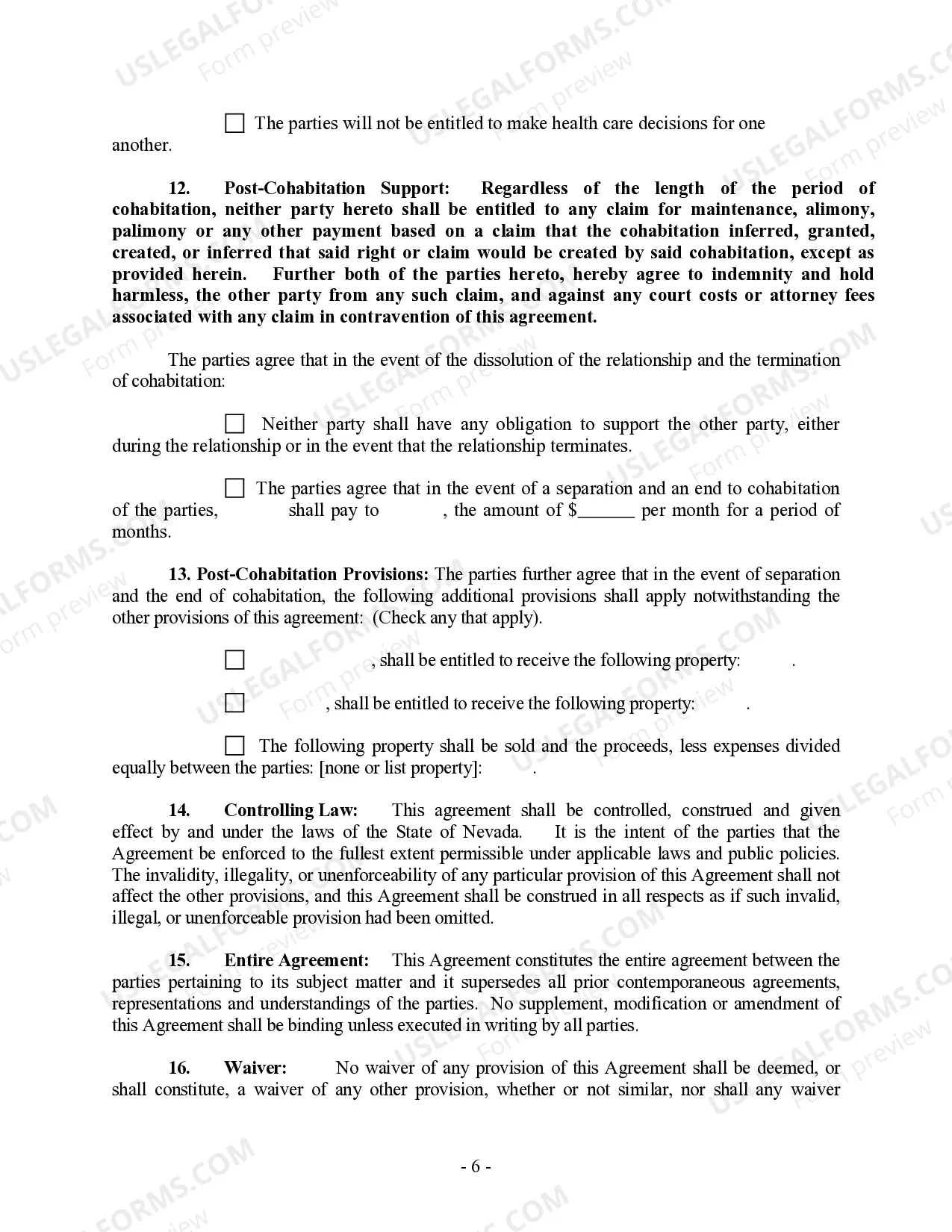
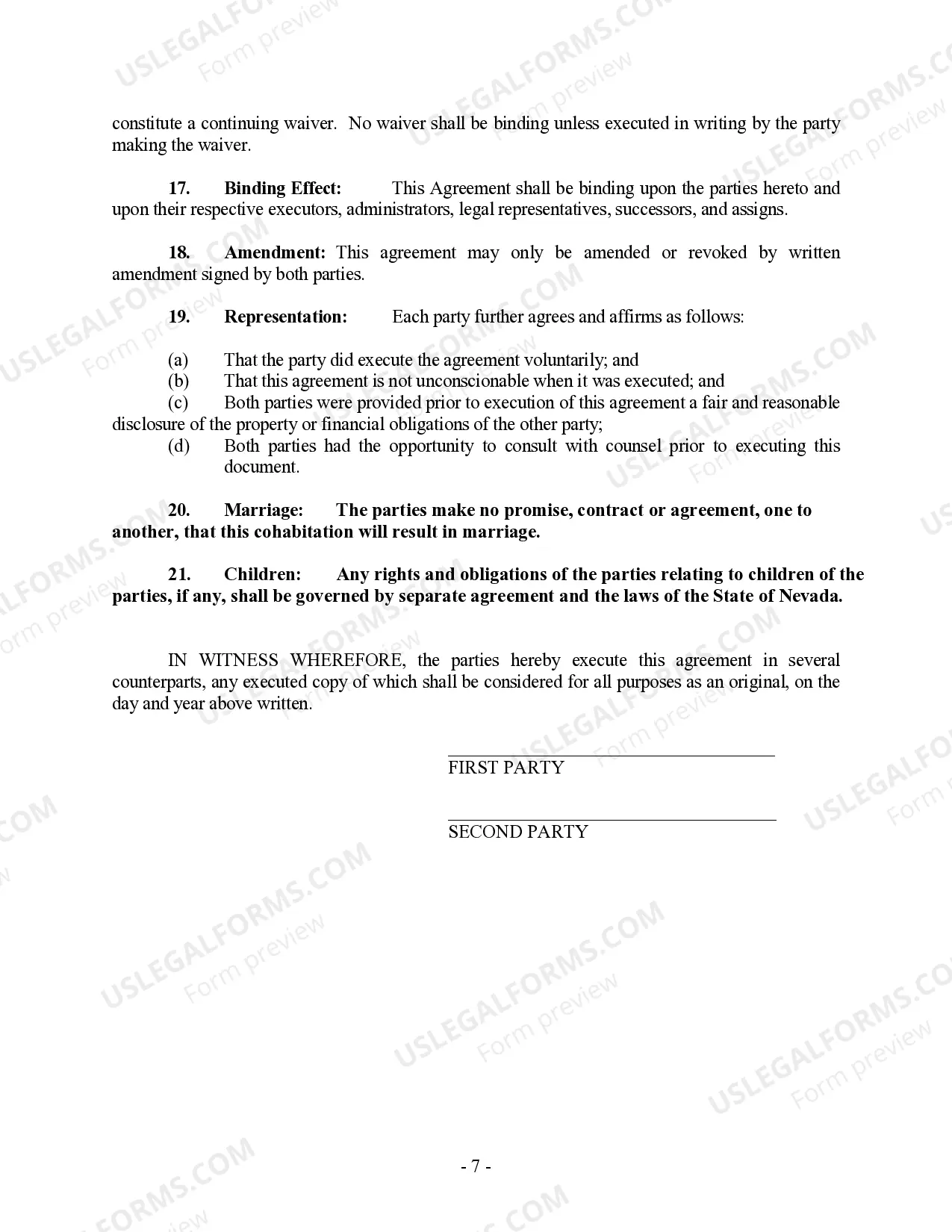
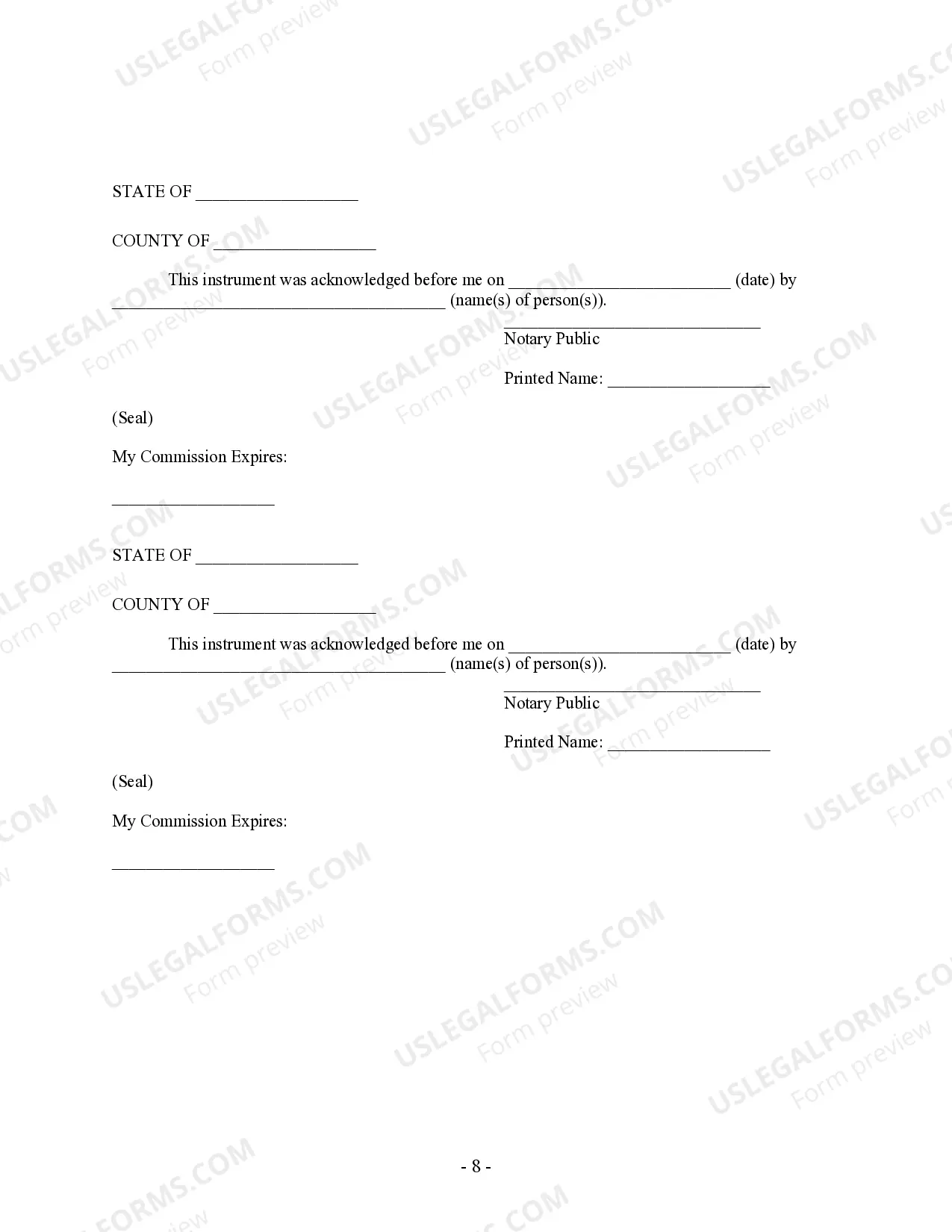
  • Preview Non-Marital Cohabitation Living Together Agreement
  • Preview Non-Marital Cohabitation Living Together Agreement
  • Preview Non-Marital Cohabitation Living Together Agreement
  • Preview Non-Marital Cohabitation Living Together Agreement
  • Preview Non-Marital Cohabitation Living Together Agreement
  • Preview Non-Marital Cohabitation Living Together Agreement
  • Preview Non-Marital Cohabitation Living Together Agreement
  • Preview Non-Marital Cohabitation Living Together Agreement
  • Preview Non-Marital Cohabitation Living Together Agreement
  • Preview Non-Marital Cohabitation Living Together Agreement
  • Preview Non-Marital Cohabitation Living Together Agreement

When this form is needed

This form is used when two individuals decide to live together in a non-marital relationship. It is particularly beneficial for couples who wish to establish clear financial responsibilities and property rights. Use this form to avoid misunderstandings and disputes regarding shared expenses, asset ownership, and support obligations should the relationship end.

Who should use this form

  • Unmarried couples planning to cohabit and looking to protect their individual rights and assets.
  • Partners who wish to outline their financial responsibilities in living arrangements.
  • Individuals with significant assets or debts that want to prevent future disputes with their cohabiting partner.
  • Couples who wish to clarify decision-making roles regarding health care and other responsibilities.

Instructions for completing this form

  • Identify the parties by entering their names and addresses at the beginning of the document.
  • Specify all financial responsibilities, including shared and individual expenses.
  • Detail property ownership by listing assets acquired jointly or separately.
  • Have both parties review and acknowledge their understanding of the terms outlined in the document.
  • Sign the agreement in the presence of a notary public if required for validity.

Does this form need to be notarized?

This form must be notarized to be legally valid. US Legal Forms provides secure online notarization powered by Notarize, allowing you to complete the process through a verified video call.

Get your form ready online

Our built-in tools help you complete, sign, share, and store your documents in one place.

Built-in online Word editor

Make edits, fill in missing information, and update formatting in US Legal Forms—just like you would in MS Word.

Export easily

Download a copy, print it, send it by email, or mail it via USPS—whatever works best for your next step.

E-sign your document

Sign and collect signatures with our SignNow integration. Send to multiple recipients, set reminders, and more. Go Premium to unlock E-Sign.

Notarize online 24/7

If this form requires notarization, complete it online through a secure video call—no need to meet a notary in person or wait for an appointment.

Store your document securely

We protect your documents and personal data by following strict security and privacy standards.

Form selector

Make edits, fill in missing information, and update formatting in US Legal Forms—just like you would in MS Word.

Form selector

Download a copy, print it, send it by email, or mail it via USPS—whatever works best for your next step.

Form selector

Sign and collect signatures with our SignNow integration. Send to multiple recipients, set reminders, and more. Go Premium to unlock E-Sign.

Form selector

If this form requires notarization, complete it online through a secure video call—no need to meet a notary in person or wait for an appointment.

Form selector

We protect your documents and personal data by following strict security and privacy standards.

Typical mistakes to avoid

  • Failing to disclose all assets in the financial statements.
  • Not having both parties sign the agreement in front of a notary.
  • Overlooking the need for provisions regarding post-cohabitation support.
  • Not reviewing the agreement thoroughly before signing, leading to misunderstandings.

Why use this form online

  • Convenient access to ready-to-use templates that can be completed quickly.
  • Editability allows users to tailor the agreement to reflect their specific needs.
  • Reliability due to attorney-drafted content ensuring legal compliance.
  • Easy downloading and printing options for personal records.

Looking for another form?

This field is required
Virginia
Select state

Form popularity

FAQ

Whether you've been living together for 1 year, 10 years or even 50 years, if you're not married, you have no automatic legal right over your partner's assets.Often someone will move into a property that their partner already owns, or it may be that one person can't afford to contribute to the purchase of a new house.

In general, unmarried couples can't claim ownership of each other's property in the event of a breakup. This applies to big investments (such as a house) and smaller items (such as furniture). Gifts made during the relationship remain the property of the recipient.

Cohabitation is an arrangement where two people are not married but live together.

Some couples choose not to enter into a marriage or legally recognized domestic partnership but choose to enter into a cohabitation agreement instead. Oftentimes, these agreements are made orally and difficult to enforce after the relationship has ended.

Under Nevada law, a domestic partnership is a legally recognized relationship between two people that confers nearly all the same rights and responsibilities under state law as marriage.Both same-sex and different-sex couples can register as domestic partners.

If you rent your home, you may not have an automatic right to stay if you separate from your partner.If the tenancy is in your sole name, or jointly with your partner, you are entitled to stay.

Legal Rules that Govern Property Rights of Unmarried Couples Each unmarried partner is presumed to own his or her own property and debts unless you've deliberately combined your assets--for example, by opening a joint account or putting both names on a deed to your home.

Whether you've been living together for 1 year, 10 years or even 50 years, if you're not married, you have no automatic legal right over your partner's assets.Often someone will move into a property that their partner already owns, or it may be that one person can't afford to contribute to the purchase of a new house.

As per NRS 122A, a domestic partnership in Nevada is a civil contract which grants domestic partners 2026the same rights, protections, benefits, responsibilities, obligations and duties as2026 parties to any other civil contract2026.

Trusted and secure by over 3 million people of the world’s leading companies

Nevada Non-Marital Cohabitation Living Together Agreement