Idaho Seller's Disclosure of Forfeiture Rights for Contract for Deed
About this form
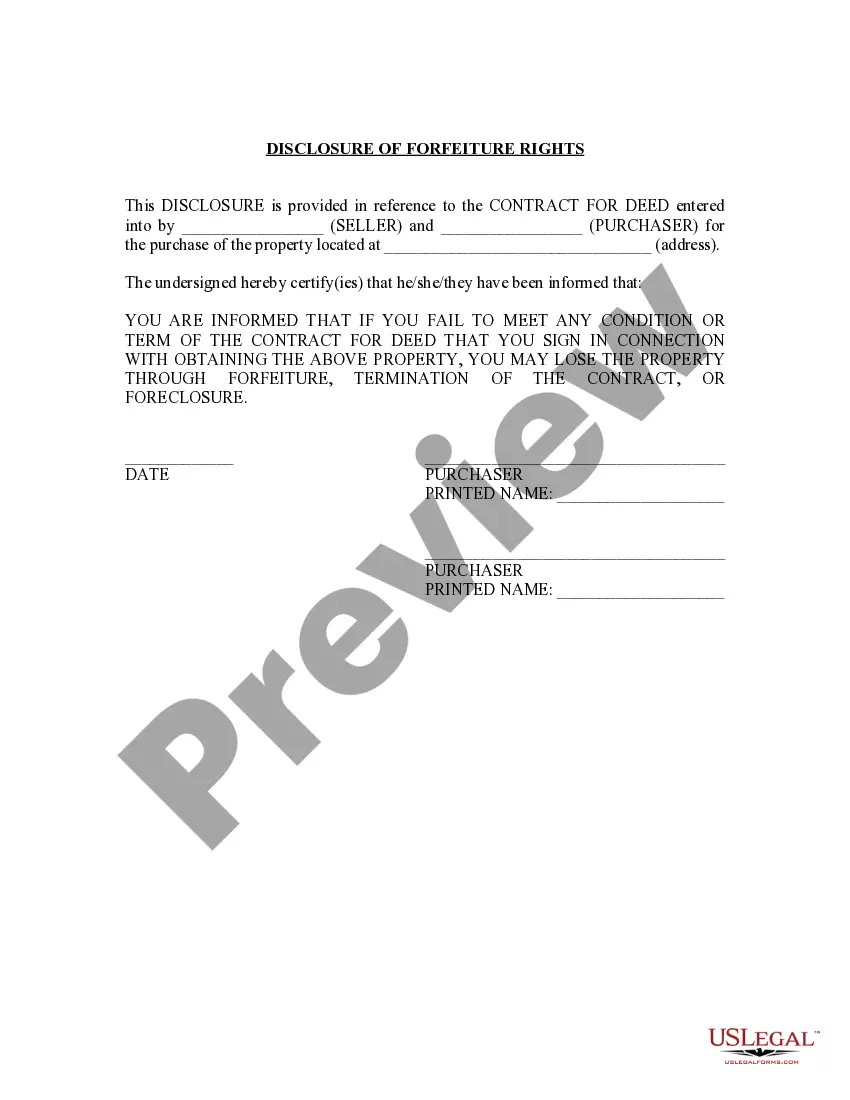
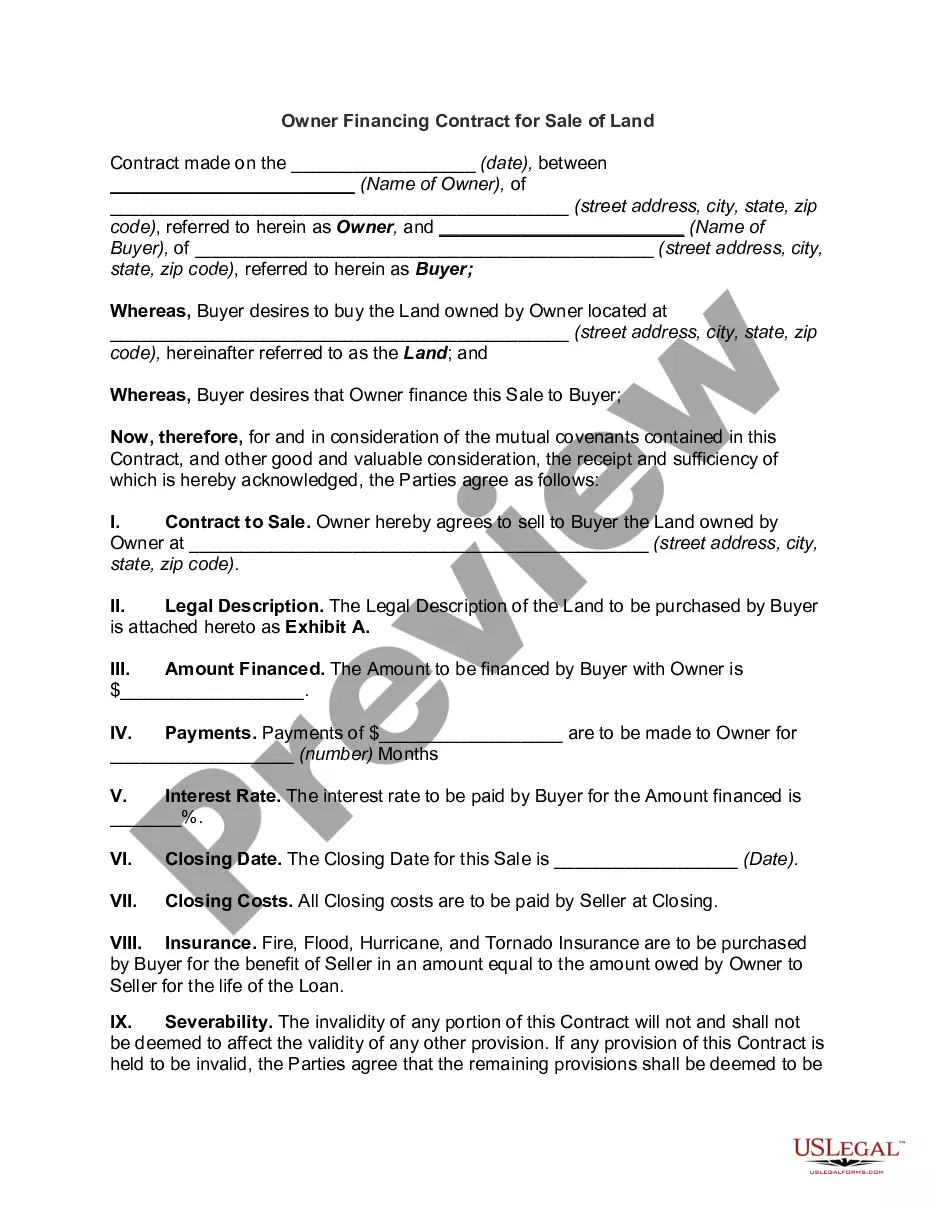
The Seller's Disclosure of Forfeiture Rights for Contract for Deed is a legal document provided by the seller to the purchaser during the signing of a contract for deed. This form serves to inform the purchaser about the potential forfeiture of property rights if the terms of the contract are not met. Unlike other property agreements, this disclosure specifically addresses the ramifications of defaulting on the contract, making it crucial for understanding obligations and risks involved in the purchase process.
What’s included in this form
- Certification statement confirming the purchaser's understanding of forfeiture rights.
- Details regarding the consequences of failing to meet contract terms.
- Signature section for both parties to acknowledge receipt and understanding.
When to use this document
This form should be used whenever a seller and purchaser are entering into a contract for deed. It is particularly important in situations where the purchaser may be at risk of defaulting on payment terms, as the disclosure provides critical information about their rights and obligations. Using this form can prevent misunderstandings and provide clarity on the legal implications of forfeiture.
Who can use this document
- Sellers who are offering a property through a contract for deed.
- Purchasers entering into a contract for deed who need to understand their forfeiture rights.
- Real estate professionals acting on behalf of either party.
How to complete this form
- Identify the parties involved in the contract (seller and purchaser).
- Clearly specify the property involved in the contract for deed.
- Complete the certification statement by ensuring all parties understand forfeiture implications.
- Gather signatures from both the seller and purchaser to confirm acknowledgment.
- Keep a copy of the signed form for future reference.
Does this document require notarization?
Notarization is not commonly needed for this form. However, certain documents or local rules may make it necessary. Our notarization service, powered by Notarize, allows you to finalize it securely online anytime, day or night.
Get your form ready online
Our built-in tools help you complete, sign, share, and store your documents in one place.
Make edits, fill in missing information, and update formatting in US Legal Forms—just like you would in MS Word.
Download a copy, print it, send it by email, or mail it via USPS—whatever works best for your next step.
Sign and collect signatures with our SignNow integration. Send to multiple recipients, set reminders, and more. Go Premium to unlock E-Sign.
If this form requires notarization, complete it online through a secure video call—no need to meet a notary in person or wait for an appointment.
We protect your documents and personal data by following strict security and privacy standards.
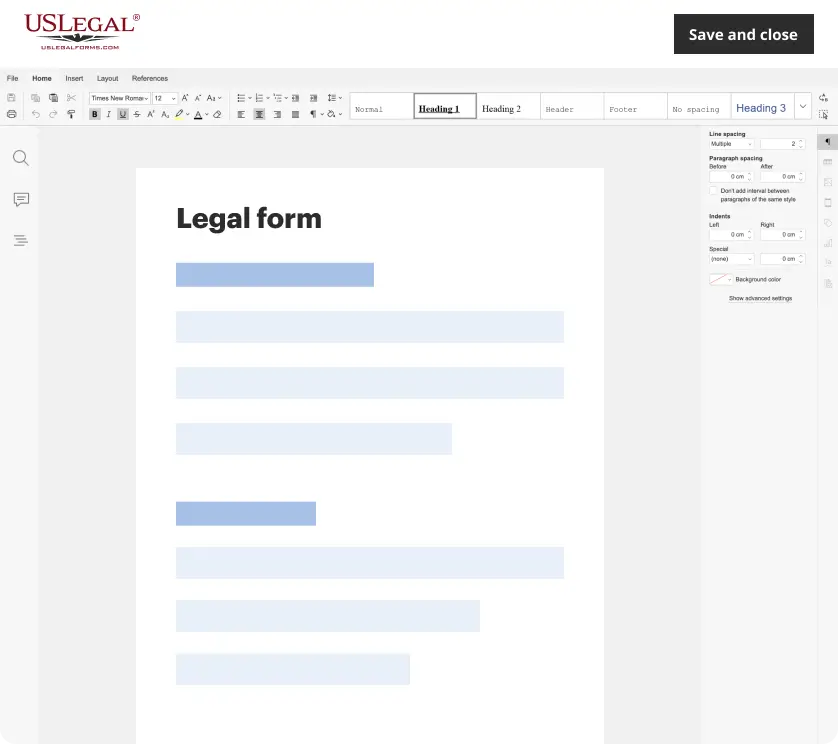
Make edits, fill in missing information, and update formatting in US Legal Forms—just like you would in MS Word.
Download a copy, print it, send it by email, or mail it via USPS—whatever works best for your next step.
Sign and collect signatures with our SignNow integration. Send to multiple recipients, set reminders, and more. Go Premium to unlock E-Sign.

If this form requires notarization, complete it online through a secure video call—no need to meet a notary in person or wait for an appointment.
We protect your documents and personal data by following strict security and privacy standards.
Avoid these common issues
- Failing to provide the form at the time of contract signing.
- Not ensuring both parties sign the disclosure.
- Overlooking state-specific requirements that may necessitate additional disclosures.
Why complete this form online
- Convenient access to legally accurate templates drafted by licensed attorneys.
- Edit and customize the form to suit specific transaction needs and state requirements.
- Immediate download available, allowing for quick completion and use.
Legal use & context
- This form serves as a critical notice to the purchaser about the risks associated with a contract for deed.
- It helps clarify the seller's rights in the event of the purchaser's default.
- Courts may consider this disclosure during legal disputes regarding forfeiture and compliance with the contract.
What to keep in mind
- This form helps clarify forfeiture rights in a contract for deed.
- Understand the risks associated with failing to meet contract terms.
- Ensure proper compliance by having all parties sign the document.
Looking for another form?
Form popularity
FAQ
The current Idaho state minimum wage is $7.25 per hour. The minimum wage for a tipped employee is $3.35 per hour. The minimum wage for new hires under the age of 20 years old is $4.25 per hour but only for the first 90 consecutive calendar days of employment. See Idaho Code, Section 44-1502.
Idaho is a "work at will" state. This means there is no set length for an employment relationship and either the employer or the employee may end it at any time, with or without notice; with or without cause.
Idaho Termination (with Discharge): What you need to knowIdaho is an employment-at-will state. This means that either the employer or employee may terminate an employment relationship at any time and for any reason unless a law or contract exists to the contrary.
Delaware. Illinois. Indiana. Kentucky. Missouri. New Hampshire. New Mexico.
Idaho Code Ann. § 18-1359. No explicit prohibition against nepotism in the legislative branch was located in the state's statutes, although other rules or conflict of interest provisions may apply. An individual may not be employed in the same agency in which an individual's relative is the appointing authority.
Idaho passed its right-to-work law in 1985; the state's voters affirmed it in a referendum in 1986, 54 percent to 46 percent. The Idaho law says no one can be required, as a condition of employment, to pay any dues, fees, assessments, or other charges of any kind or amount to a labor organization.
While Idaho does require motorists who are pulled over to provide identification when asked, there is not a law requiring pedestrians or others to produce identification upon demand.
Idaho is one of 26 states with right-to-work laws, which forbid requiring union membership as a condition of employment.