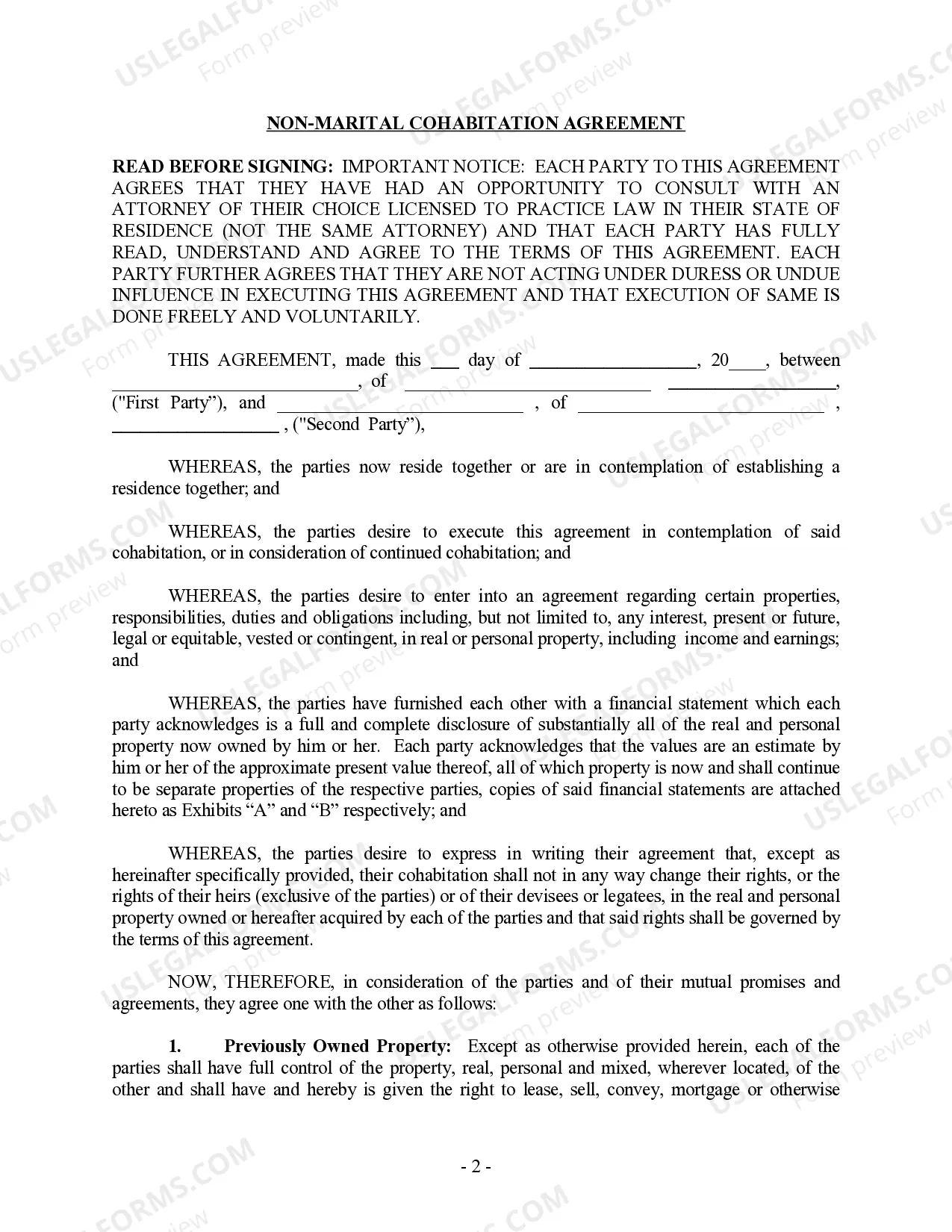
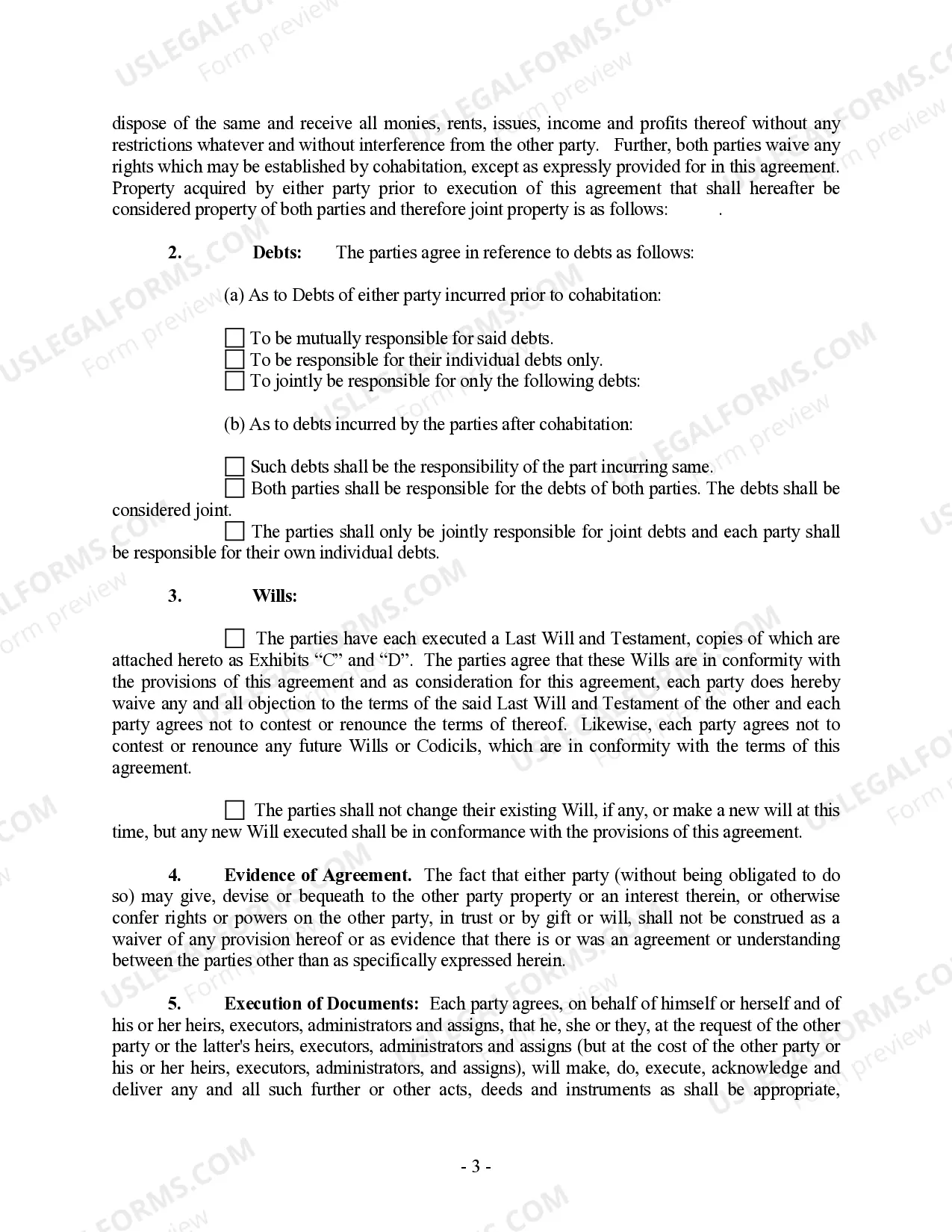
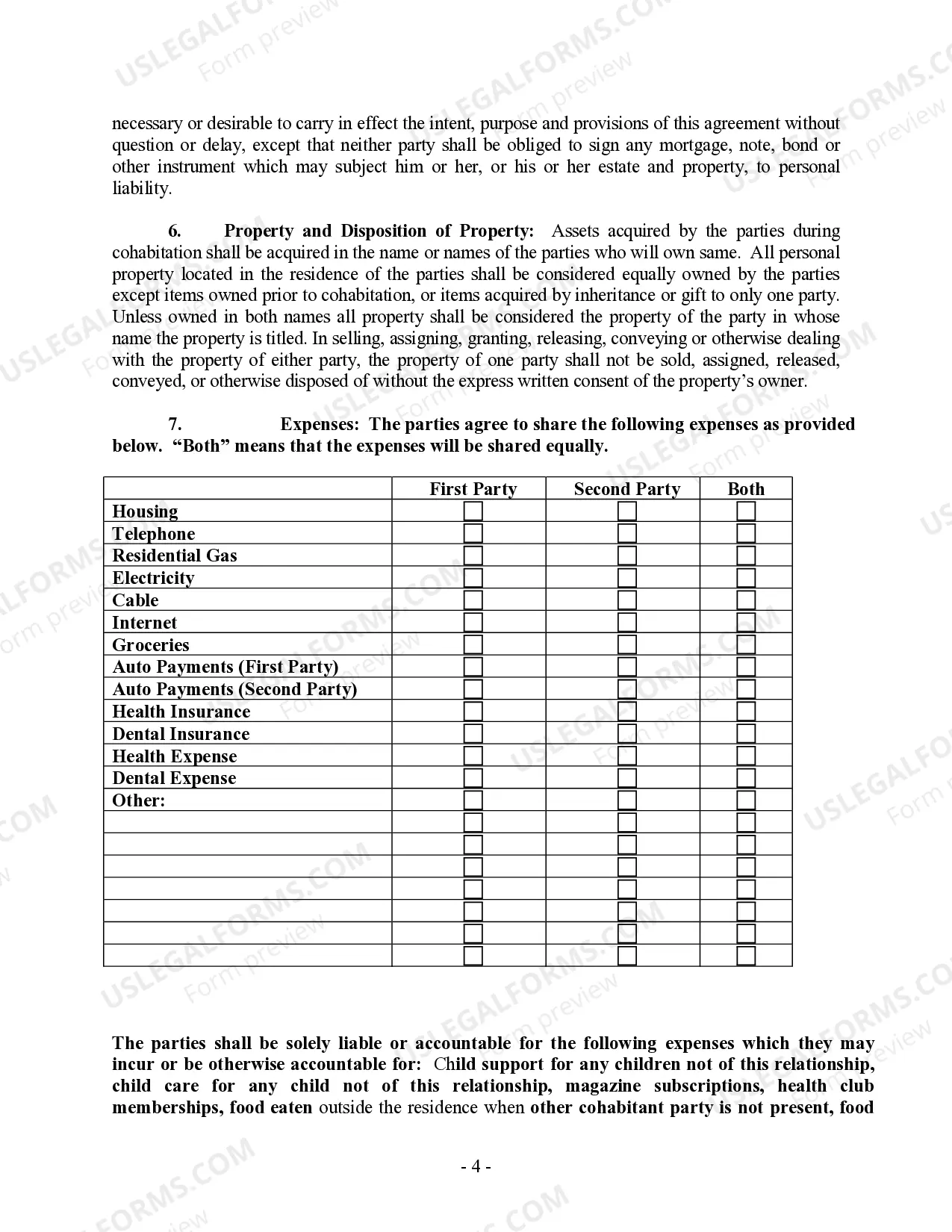
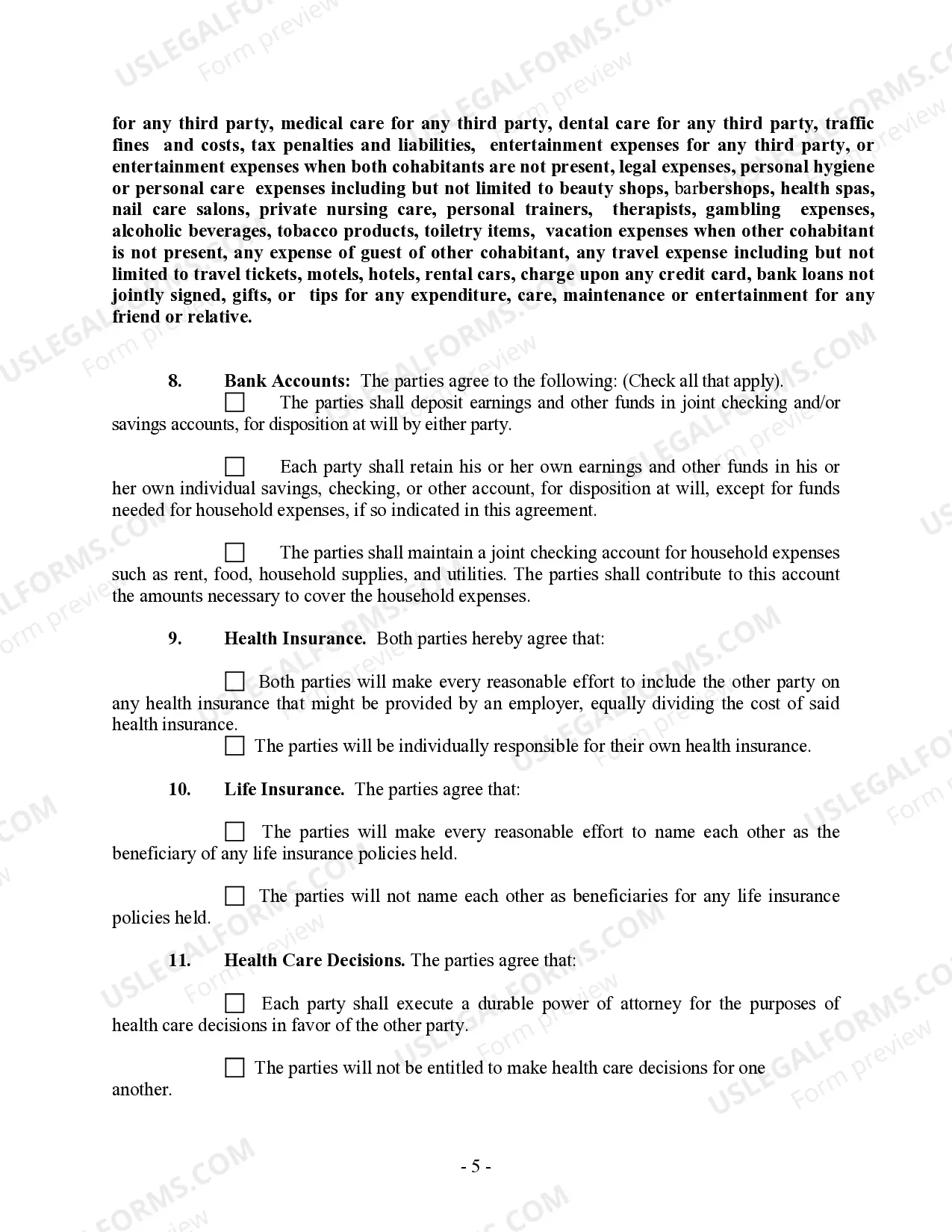
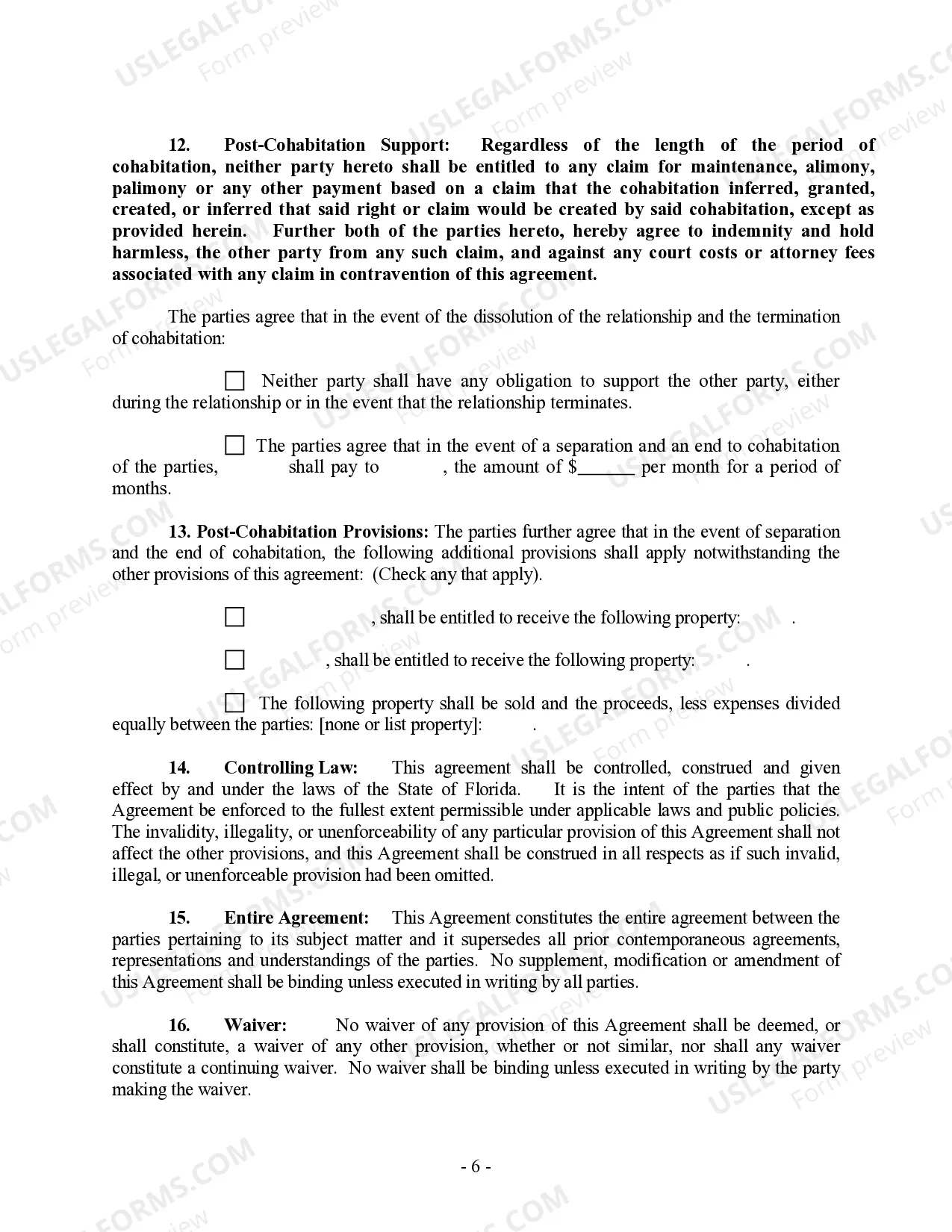
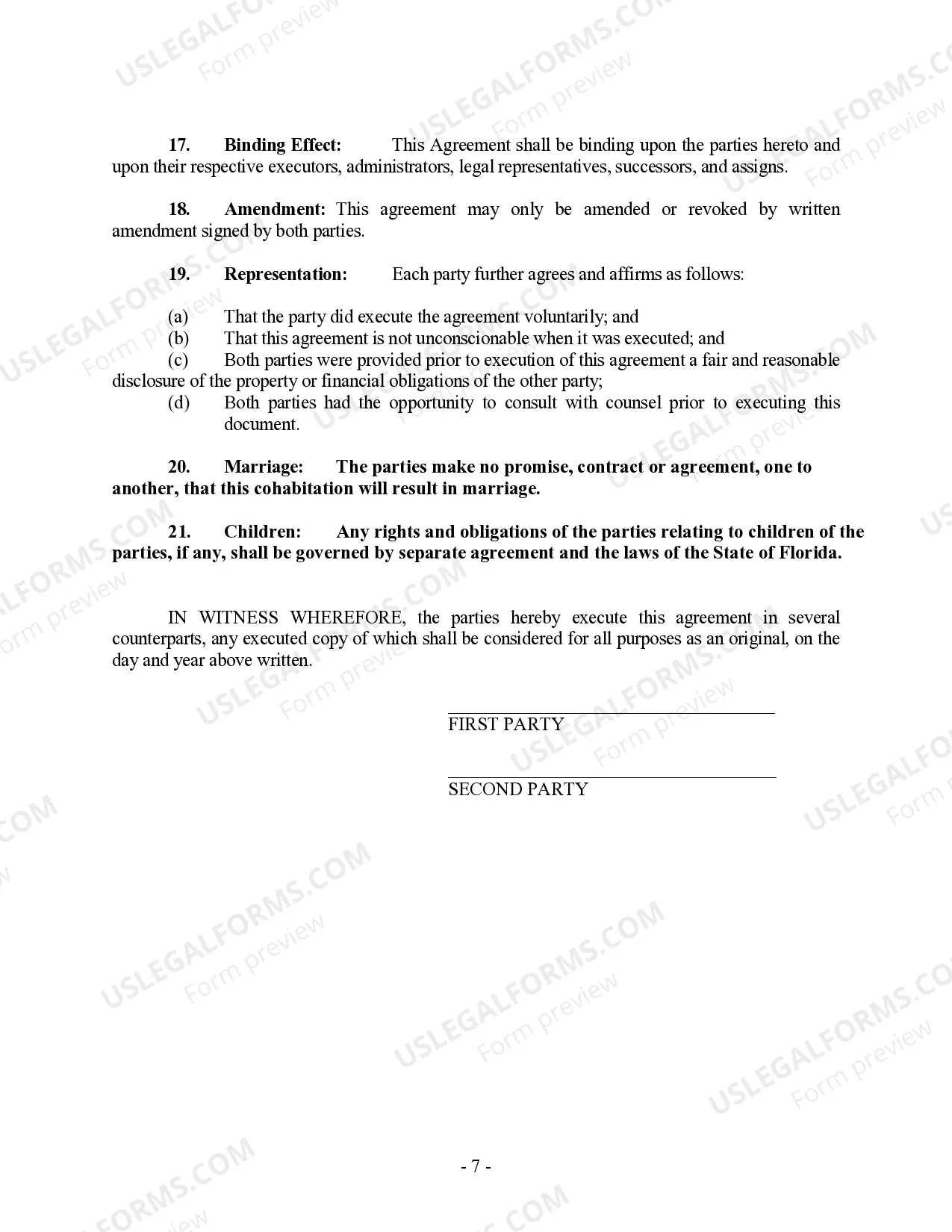
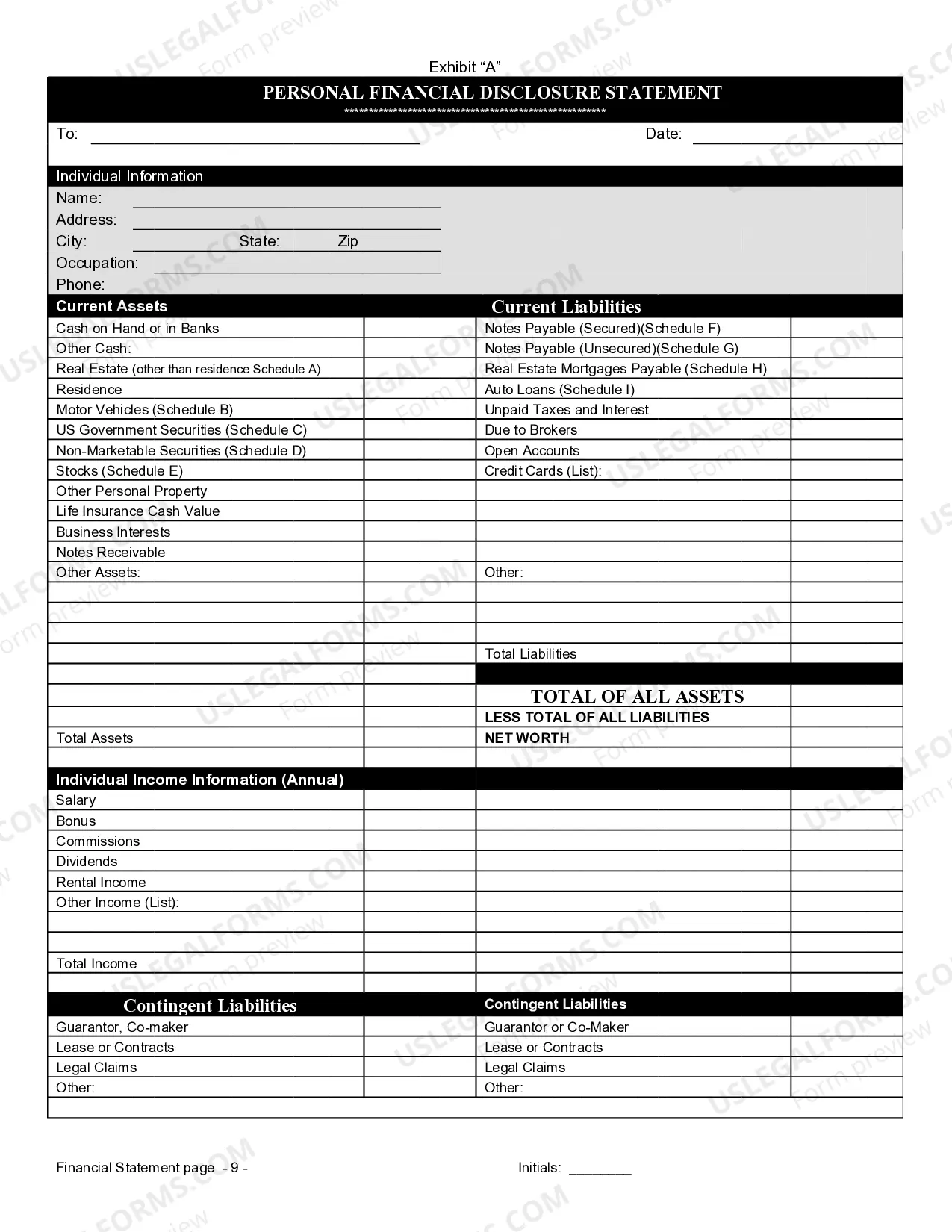
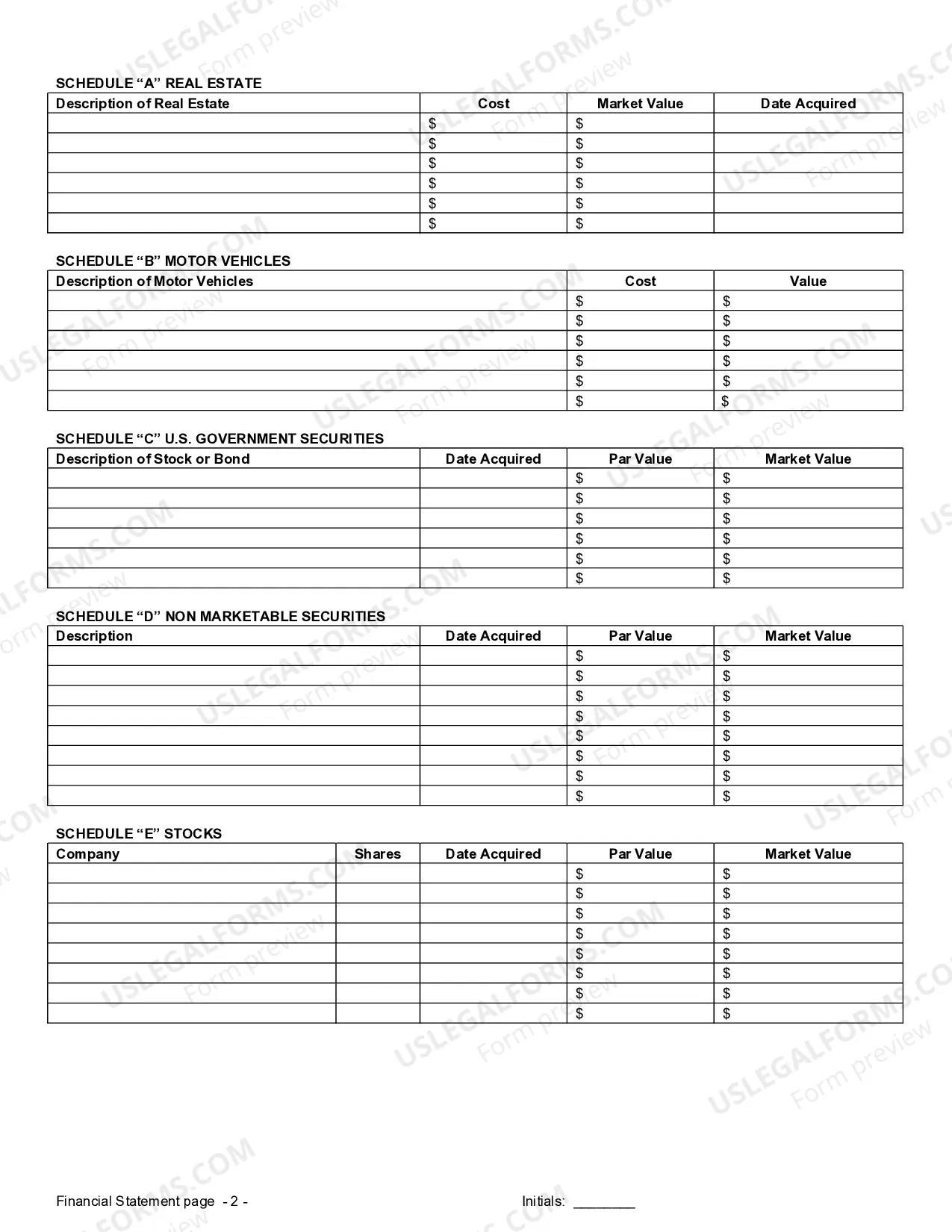
The Non-Marital Cohabitation Living Together Agreement is a crucial legal document designed for couples who choose to live together without being married. This form clarifies the rights and responsibilities of each party regarding shared expenses and property ownership. It helps prevent misunderstandings and disputes that may arise during cohabitation by explicitly stating the agreements made between the parties. Unlike marriage licenses or domestic partnerships, this agreement focuses specifically on cohabiting couples who need to address issues related to their living arrangement.
This form should be used when two individuals plan to live together in a non-marital relationship. It is especially important if the couple wishes to outline their financial obligations, property rights, and responsibilities for shared living expenses. Consider using this agreement when:
To make this form legally binding, it must be notarized. Our online notarization service, powered by Notarize, lets you verify and sign documents remotely through an encrypted video session.
Our built-in tools help you complete, sign, share, and store your documents in one place.
Make edits, fill in missing information, and update formatting in US Legal Forms—just like you would in MS Word.
Download a copy, print it, send it by email, or mail it via USPS—whatever works best for your next step.
Sign and collect signatures with our SignNow integration. Send to multiple recipients, set reminders, and more. Go Premium to unlock E-Sign.
If this form requires notarization, complete it online through a secure video call—no need to meet a notary in person or wait for an appointment.
We protect your documents and personal data by following strict security and privacy standards.

Make edits, fill in missing information, and update formatting in US Legal Forms—just like you would in MS Word.

Download a copy, print it, send it by email, or mail it via USPS—whatever works best for your next step.

Sign and collect signatures with our SignNow integration. Send to multiple recipients, set reminders, and more. Go Premium to unlock E-Sign.

If this form requires notarization, complete it online through a secure video call—no need to meet a notary in person or wait for an appointment.

We protect your documents and personal data by following strict security and privacy standards.
To write a cohabitation agreement, start by clearly defining the terms of your relationship, including financial responsibilities and property ownership. It is essential to address topics such as household expenses, debts, and how property will be divided if the relationship ends. Utilizing platforms like US Legal Forms can simplify this process by providing templates for a Florida Non-Marital Cohabitation Living Together Agreement. These resources guide you in creating a legally binding document tailored to your unique situation.
When you live with your partner without being married, this is known as cohabitation. Many couples choose this arrangement for various personal or financial reasons. To protect your interests and clarify your living arrangement, you might consider a Florida Non-Marital Cohabitation Living Together Agreement. This agreement can help delineate financial responsibilities and property rights.
In Florida, simply living together for a certain number of years does not grant legal marital status. Cohabitation does not equate to marriage unless the couple formally wed. However, a Florida Non-Marital Cohabitation Living Together Agreement can provide some legal recognition of your relationship. It can define terms similar to those in marriage, offering protection and clarity.
The legal term for a couple living together without being married is commonly referred to as cohabitation. In Florida, you may consider drafting a Florida Non-Marital Cohabitation Living Together Agreement to clarify your rights and responsibilities. This agreement can help outline property rights, financial obligations, and other important aspects of your relationship. Having a comprehensive agreement is essential for protecting both partners.
Yes, unmarried couples can live together in Florida without any legal issues. Many couples opt for a Florida Non-Marital Cohabitation Living Together Agreement to define their living arrangement and responsibilities. This agreement helps ensure that both parties are on the same page, reducing the potential for conflicts.
Florida does not recognize common-law marriages, regardless of how long a couple has lived together. Cohabiting couples in Florida should consider a Florida Non-Marital Cohabitation Living Together Agreement to define their relationship framework. This agreement can address various legal aspects and provide clarity for both parties.
Living with someone for seven years without being married is often referred to as cohabitation. In Florida, couples may benefit from a Florida Non-Marital Cohabitation Living Together Agreement to establish their rights and responsibilities. This type of agreement can help clarify the legal status of the relationship and protect both parties.
Yes, cohabitation agreements are enforceable in Florida if they meet certain legal requirements. These agreements, including a Florida Non-Marital Cohabitation Living Together Agreement, can cover various issues such as property distribution and financial responsibilities. Having a well-drafted agreement can provide both parties with peace of mind.
To prove cohabitation in Florida, you can provide several forms of evidence, such as joint bank statements, shared bills, lease agreements, or witness testimonies. A Florida Non-Marital Cohabitation Living Together Agreement can also serve as documentation of your commitment. This documentation can be particularly helpful in legal matters, such as custody or property disputes.
If an unmarried couple splits up in Florida, they typically do not have the same legal protections as married couples. Without a Florida Non-Marital Cohabitation Living Together Agreement, dividing property and assets can become complicated. It is essential to seek legal advice to ensure that each party’s rights are met during the separation process.