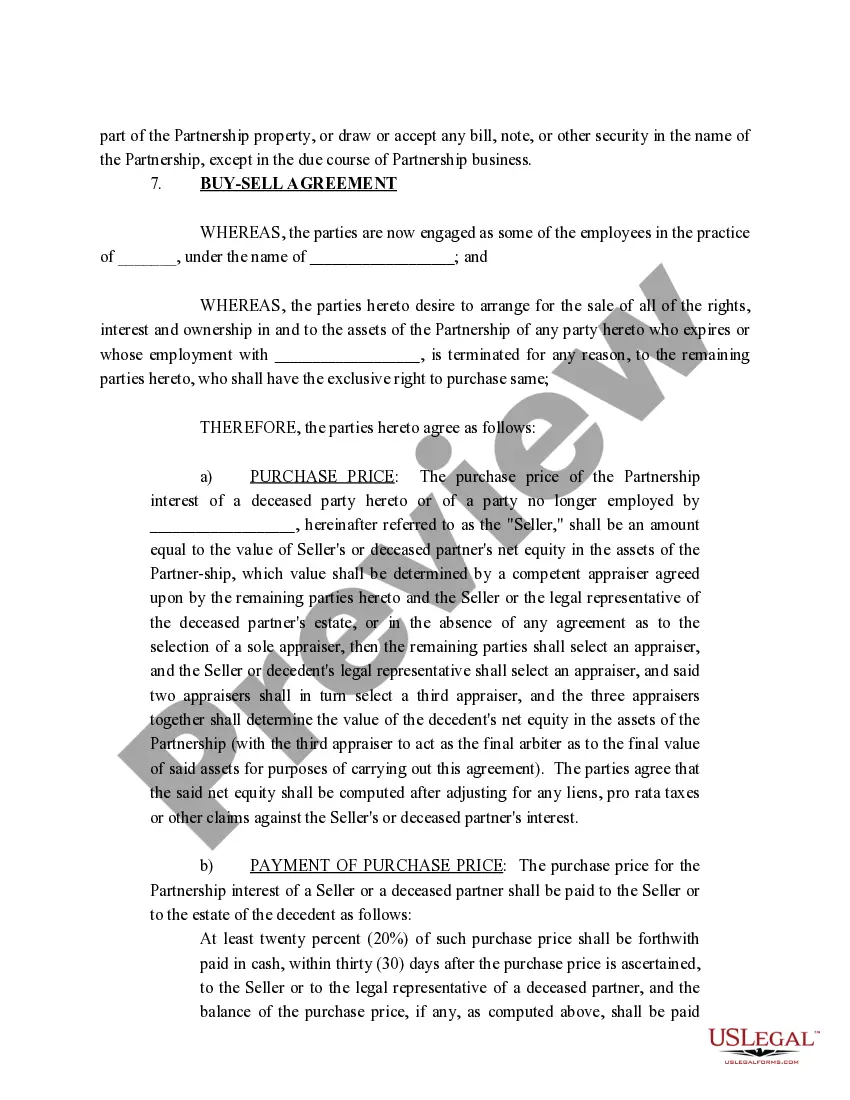
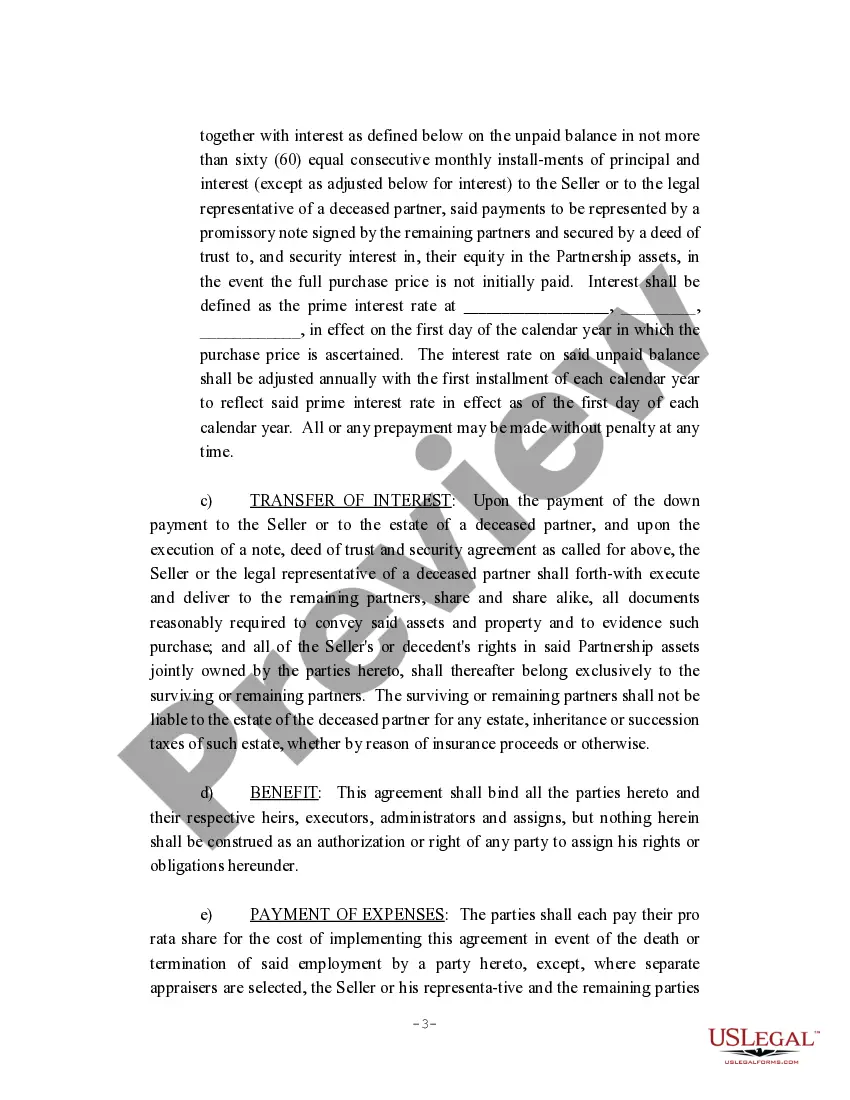
Delaware Partnership Agreement Re Land
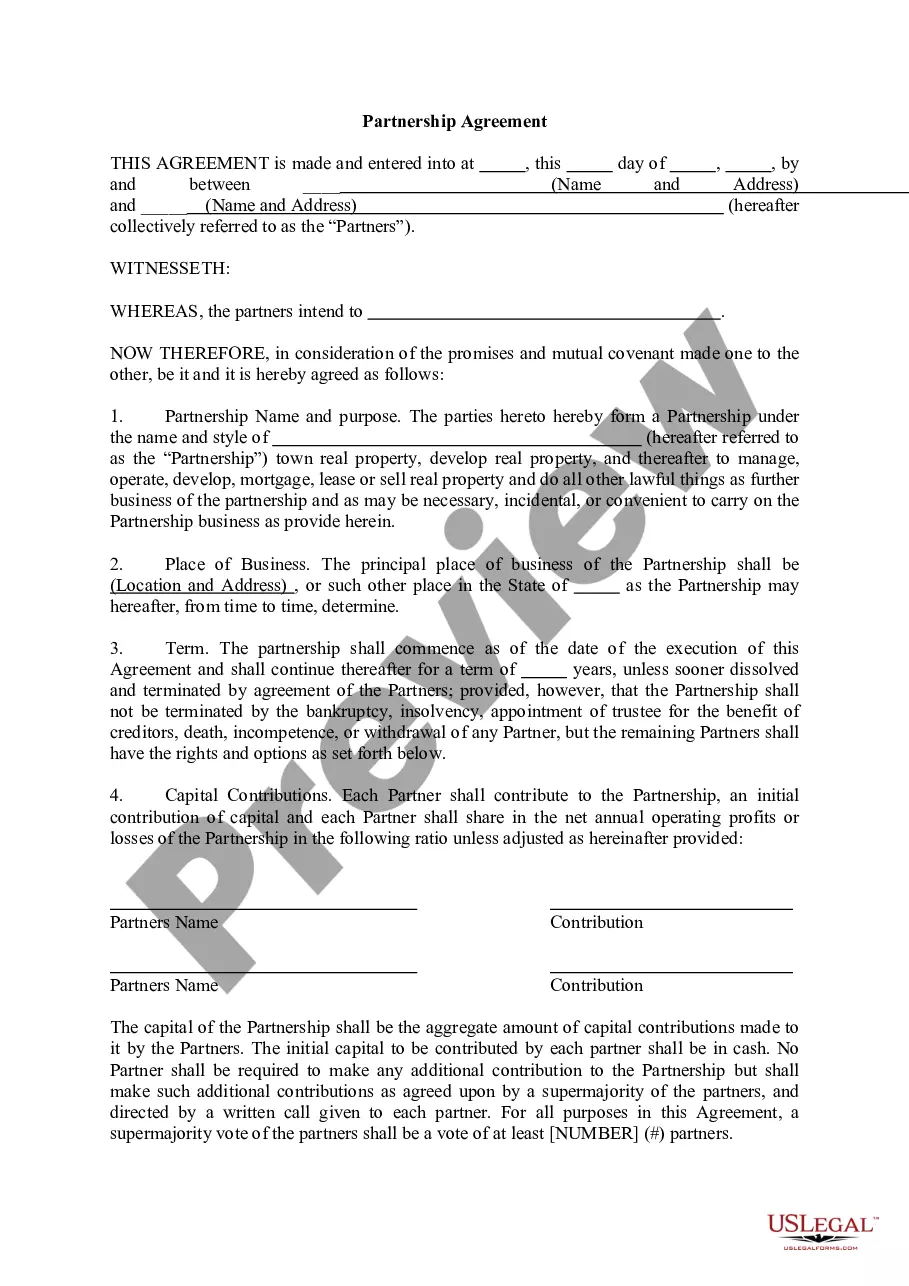
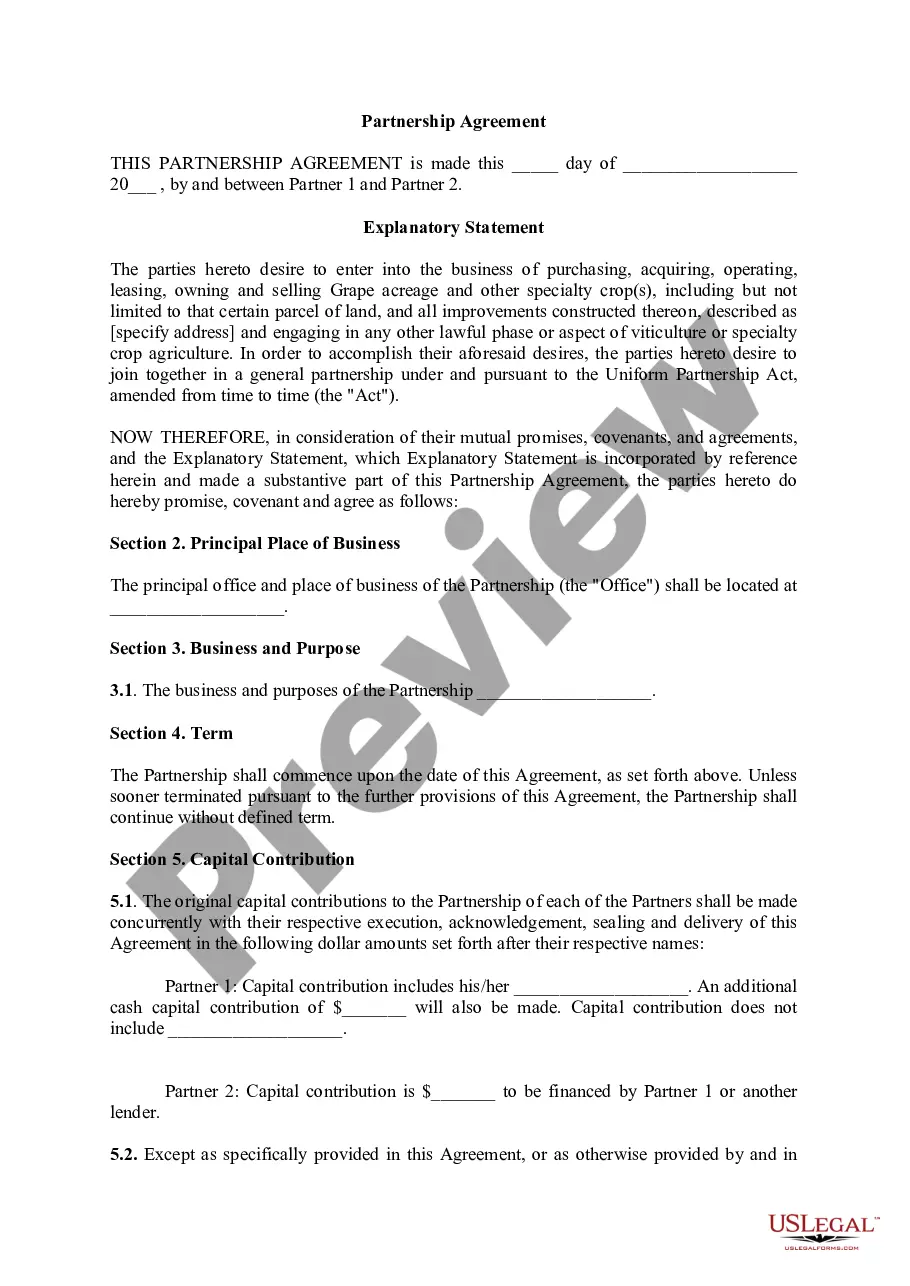
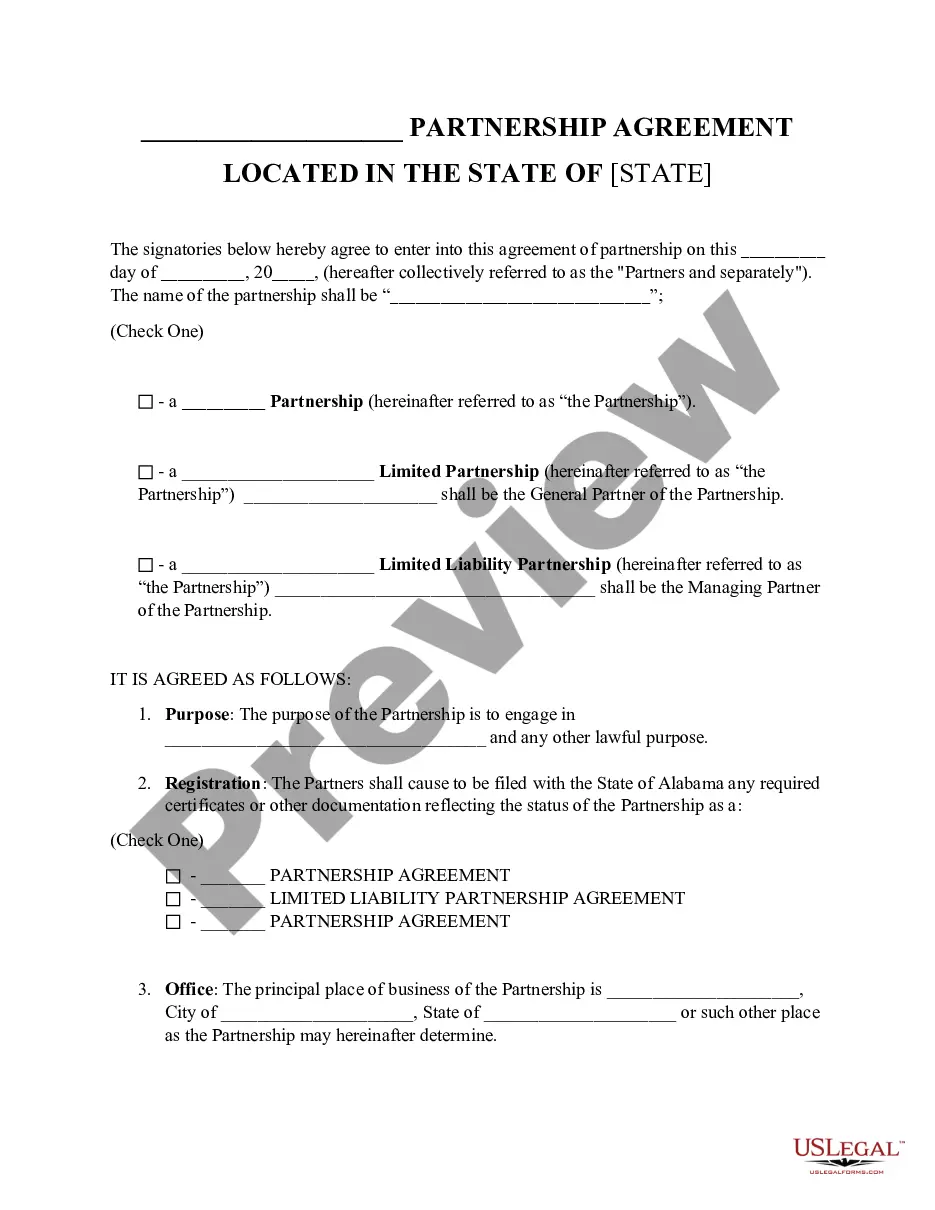
Description
Get your form ready online
Our built-in tools help you complete, sign, share, and store your documents in one place.
Make edits, fill in missing information, and update formatting in US Legal Forms—just like you would in MS Word.
Download a copy, print it, send it by email, or mail it via USPS—whatever works best for your next step.
Sign and collect signatures with our SignNow integration. Send to multiple recipients, set reminders, and more. Go Premium to unlock E-Sign.
If this form requires notarization, complete it online through a secure video call—no need to meet a notary in person or wait for an appointment.
We protect your documents and personal data by following strict security and privacy standards.
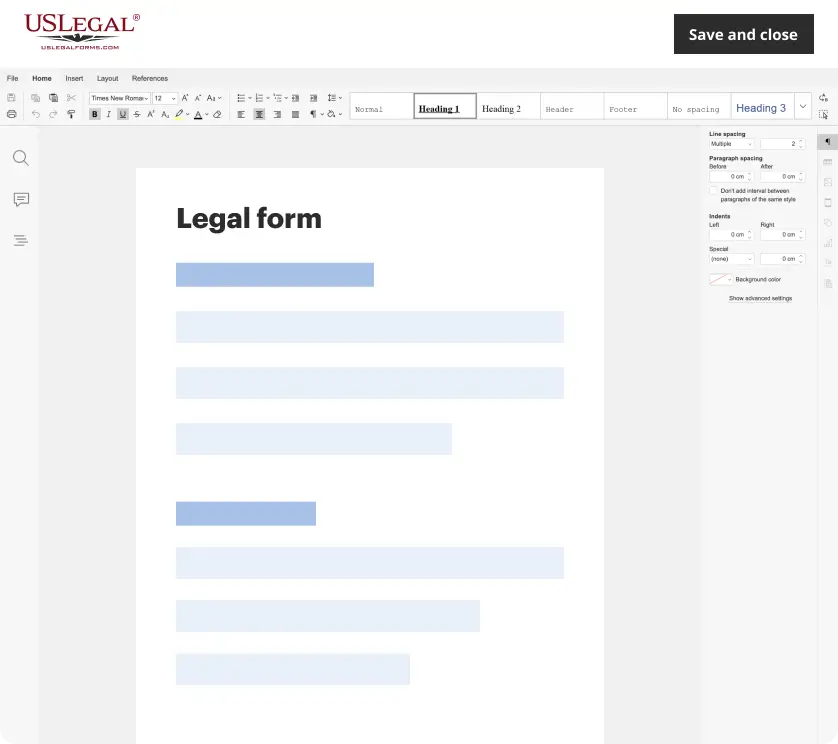
Make edits, fill in missing information, and update formatting in US Legal Forms—just like you would in MS Word.
Download a copy, print it, send it by email, or mail it via USPS—whatever works best for your next step.
Sign and collect signatures with our SignNow integration. Send to multiple recipients, set reminders, and more. Go Premium to unlock E-Sign.
If this form requires notarization, complete it online through a secure video call—no need to meet a notary in person or wait for an appointment.
We protect your documents and personal data by following strict security and privacy standards.
Looking for another form?
How to fill out Partnership Agreement Re Land?
If you require extensive, acquire, or generate authentic document templates, utilize US Legal Forms, the premier collection of legal forms accessible online.
Make the most of the site's straightforward and user-friendly search function to find the documents you need.
A range of templates for commercial and personal purposes is organized by categories and states, or keywords.
Step 4. Once you have found the form you need, click the Purchase now button. Choose your preferred pricing plan and enter your details to create an account.
Step 5. Complete the transaction. You can use your Visa or MasterCard or PayPal account to finalize the purchase.
- Employ US Legal Forms to locate the Delaware Partnership Agreement Re Land in just a few clicks.
- If you are already a US Legal Forms user, Log In to your account and click the Download button to retrieve the Delaware Partnership Agreement Re Land.
- You can also access forms you previously downloaded from the My documents tab in your account.
- If you are using US Legal Forms for the first time, follow the instructions below.
- Step 1. Ensure you have selected the form for the appropriate city/state.
- Step 2. Use the Review option to examine the form’s content. Be sure to read the description.
- Step 3. If you are unsatisfied with the form, utilize the Search field at the top of the screen to find alternative versions of the legal form template.
Form popularity
FAQ
Finalizing a partnership involves ensuring that all legal documents are completed and signed, including the partnership agreement. Review the terms collectively to ensure all partners agree on the operational, financial, and management aspects of the venture. Once all partners sign, file any necessary documents with the state if applicable. A well-defined partnership helps maintain clarity and purpose in your Delaware Partnership Agreement Re Land.
Such partnerships have no ownership restrictions, meaning that the owners can be people, corporations, LLCs, or any other kind of business.
A limited partnership must have at least one general partner and at least one limited partner. The principal distinguishing feature of a limited partnership is that the limited partners are not personally liable for the debts and obligations of the partnership. The general partner remains fully liable.
Because a partnership is not a legal person, it cannot acquire or hold a registered interest in real property. In order to acquire and hold real property, the partnership requires an individual or corporation to become a registered owner.
A partnership has no separate legal personality and it cannot therefore own property and it will be owned by the individual property owning partners. The Land Registry will allow up to four property owning partners to be named at the Land Registry as legal owners.
Because a partnership is not a legal person, it cannot acquire or hold a registered interest in real property. In order to acquire and hold real property, the partnership requires an individual or corporation to become a registered owner.
In community property states, including California, spouses and registered domestic partners take title as community property unless they elect otherwise. Each spouse has a half-interest in the property, and equal control over the property's management and use. To sell the property, both spouses must act together.
In a general partnership, each partner has unlimited personal liability. Partnership rules usually dictate that whatever debts are incurred by the business, it is the legal responsibility of all partners to pay them off.
The dissolution of a partnership is the change in the relation of the partners caused by any partner ceasing to be associated in the carrying on as distinguished from the winding up of the business. On dissolution the partnership is not terminated, but continues until the winding up of partnership affairs is completed.
Liability for General and Limited Partners Limited partners cannot incur obligations on behalf of the partnership, participate in daily operations, or manage the operation. Because limited partners do not manage the business, they are not personally liable for the partnership's debts.