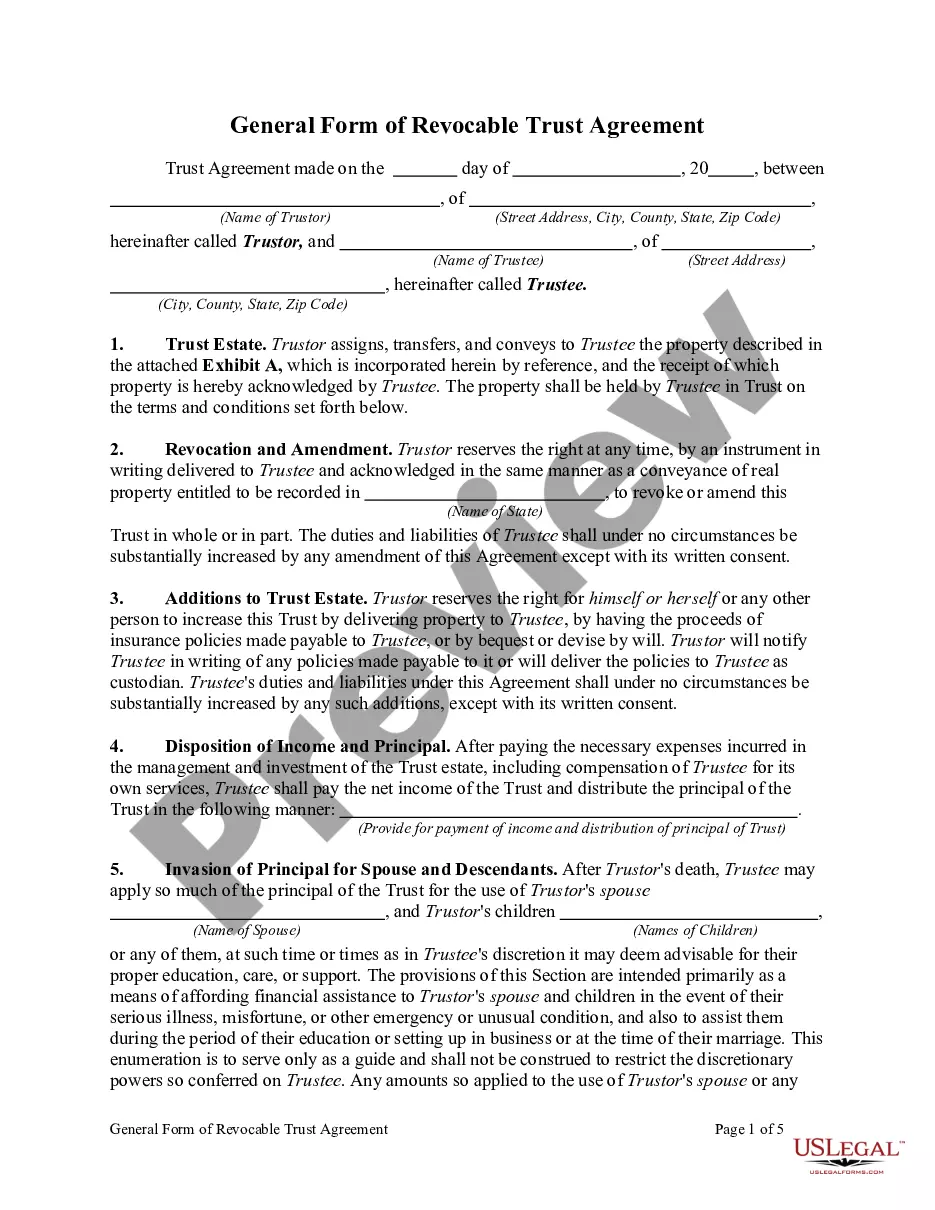
Connecticut Revocable Trust Agreement with Corporate Trustee
Description
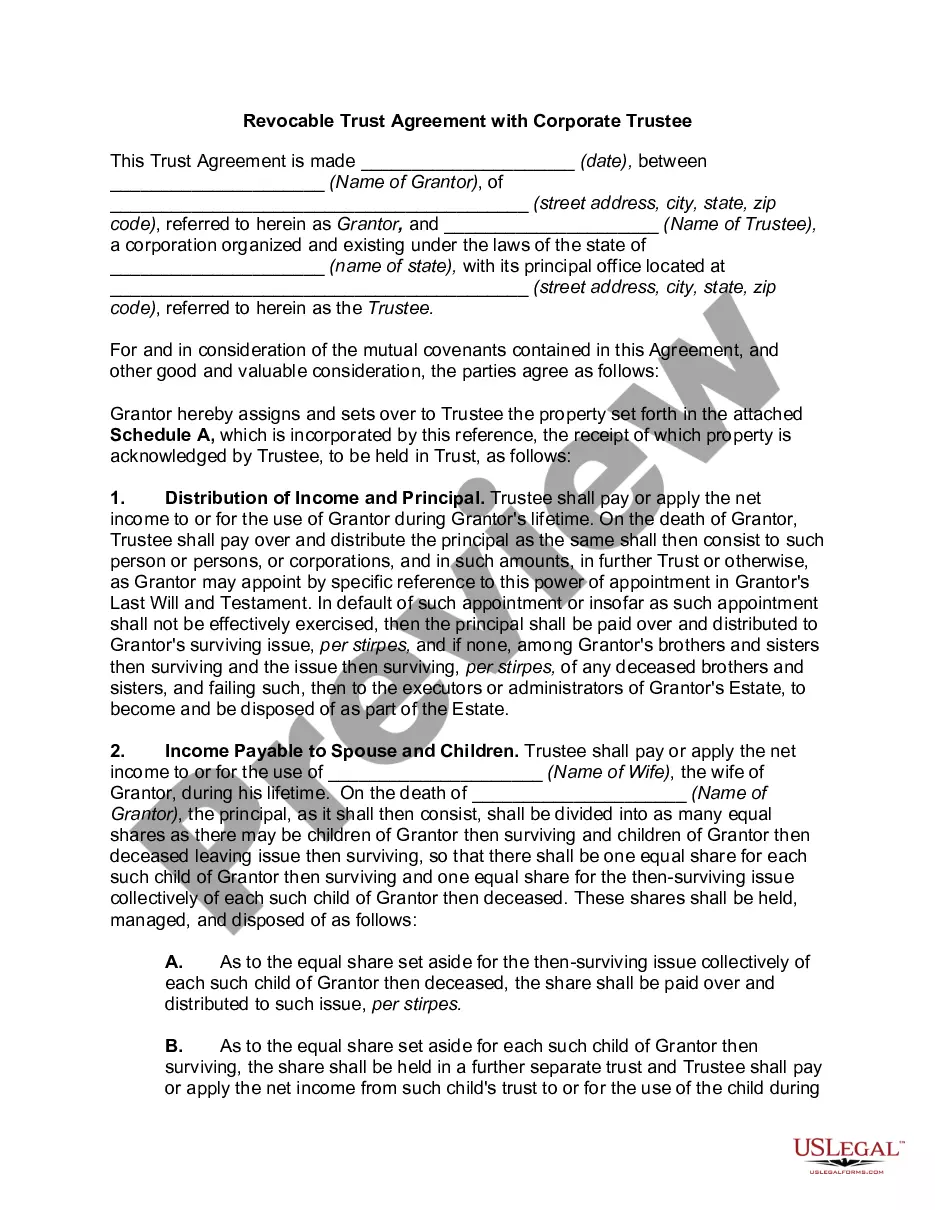
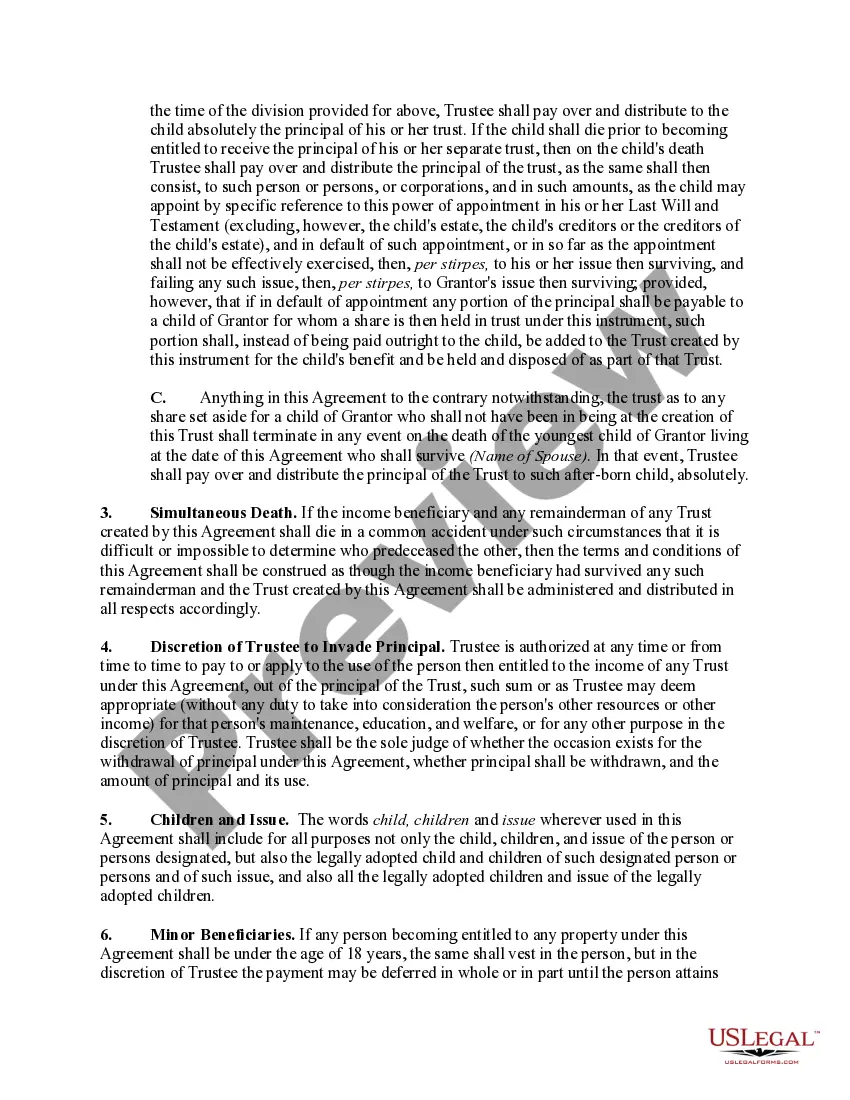
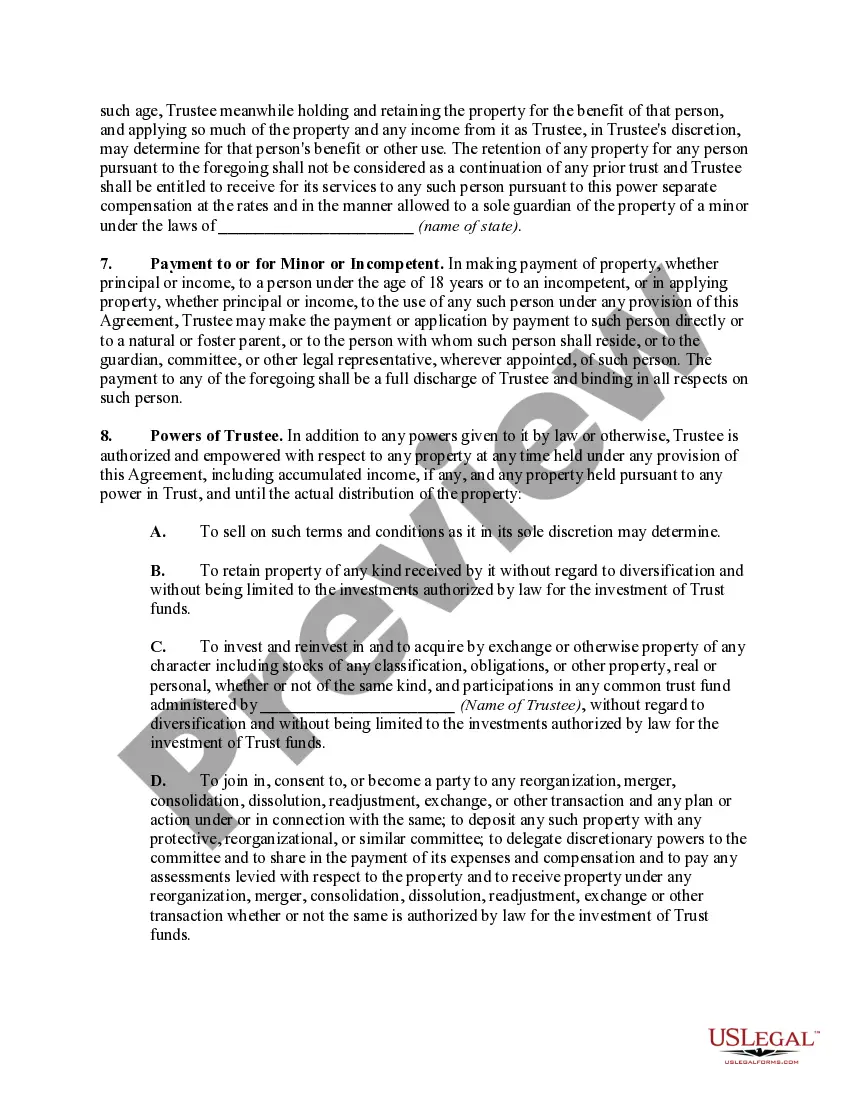

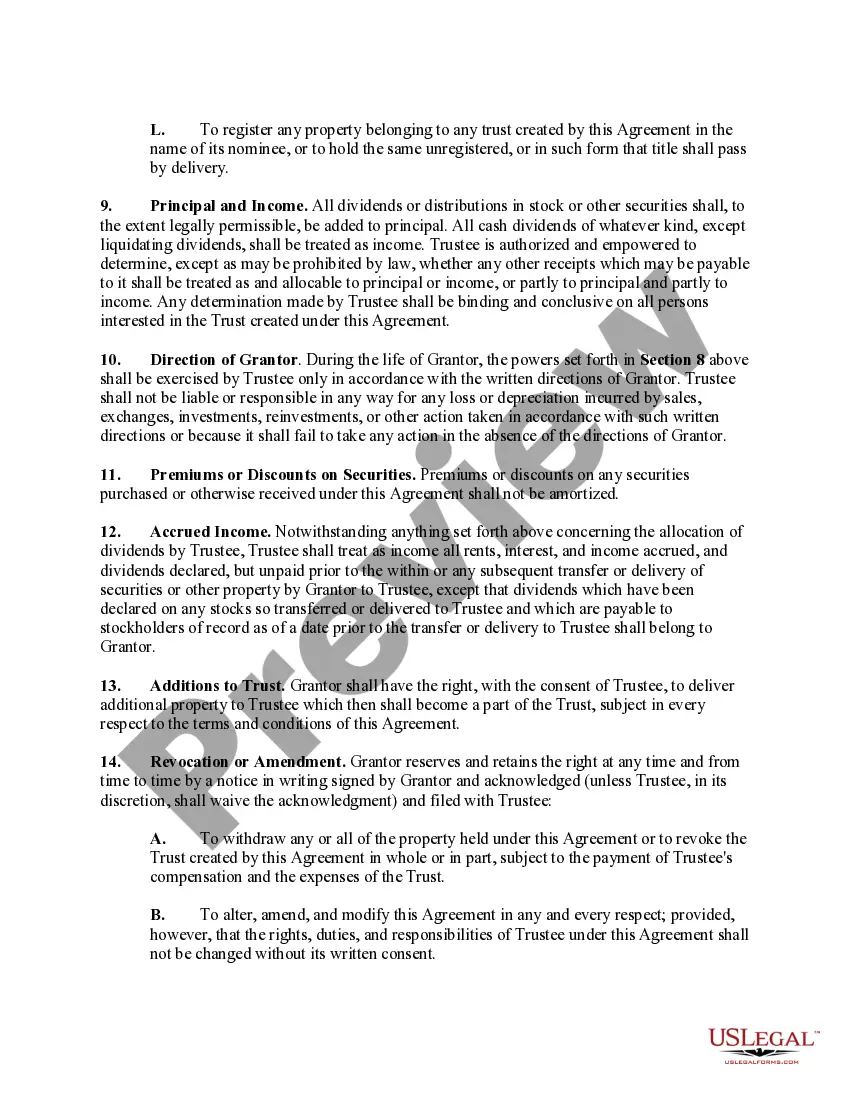
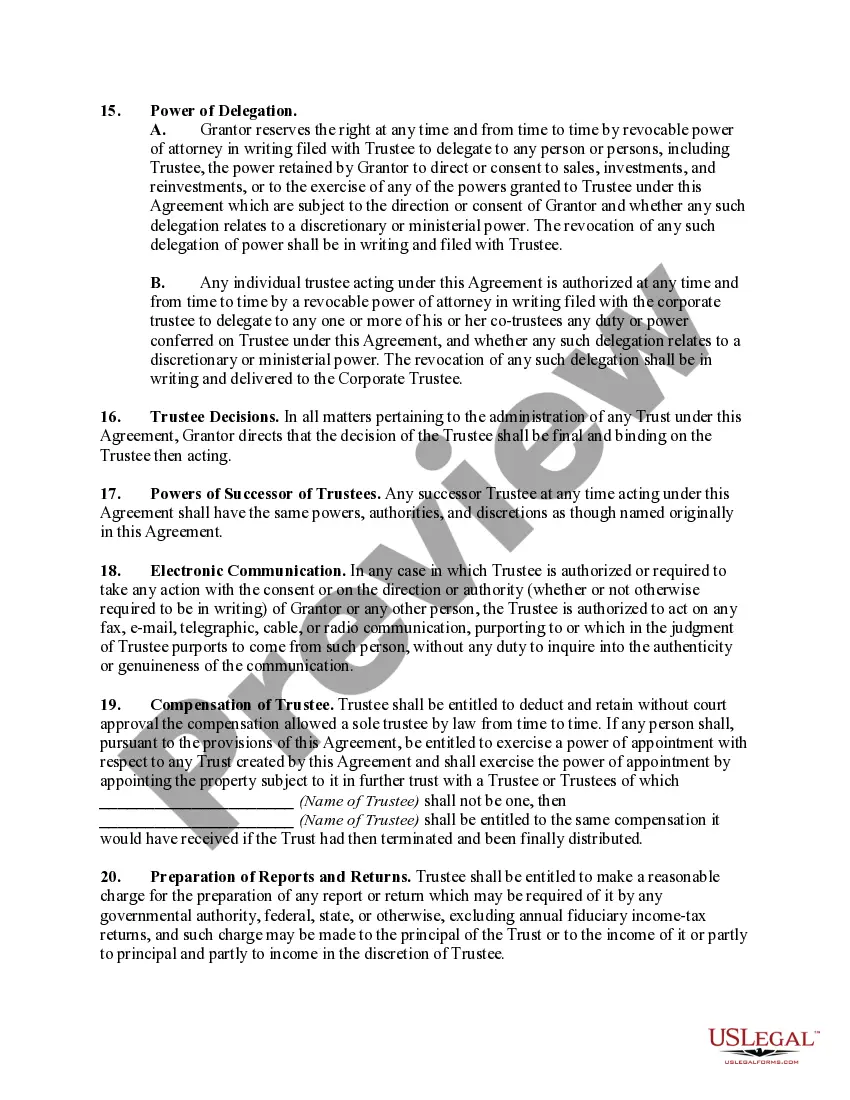
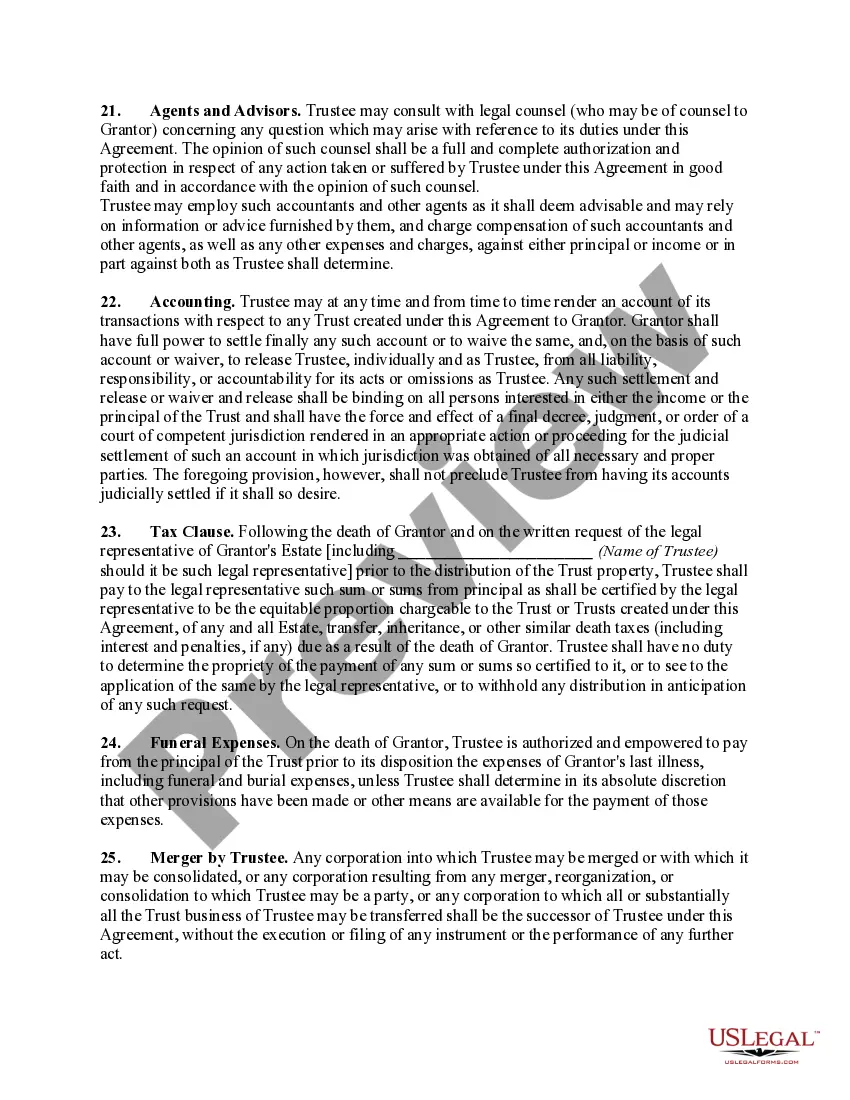
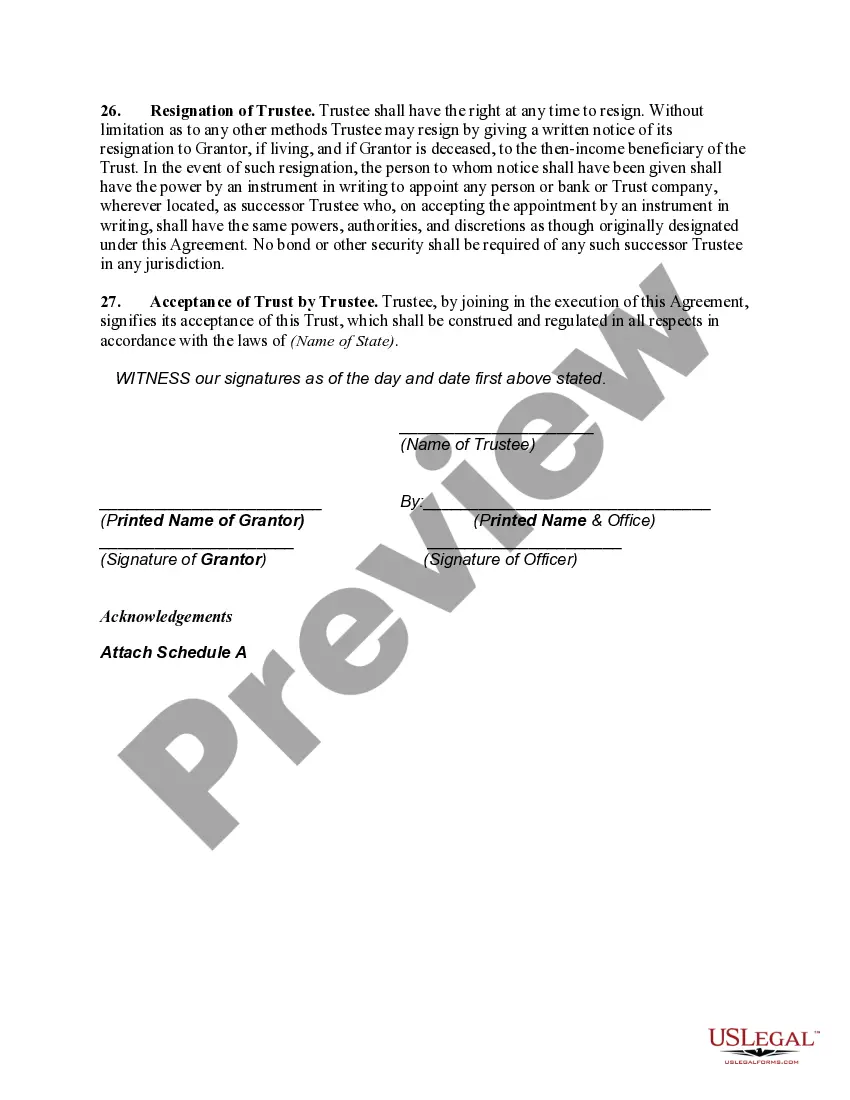






How to fill out Revocable Trust Agreement With Corporate Trustee?
US Legal Forms - one of the largest collections of legal documents in the United States - provides a wide range of legal document templates you can download or print.
With the website, you can access thousands of forms for business and personal purposes, organized by category, state, or keywords.
You can find the latest versions of forms like the Connecticut Revocable Trust Agreement with Corporate Trustee within moments.
Examine the form summary to confirm that you have selected the correct document.
If the form does not align with your requirements, utilize the Search feature at the top of the screen to find one that does.
- If you hold a monthly subscription, Log In and download the Connecticut Revocable Trust Agreement with Corporate Trustee from the US Legal Forms library.
- The Download button will appear on every form you view.
- You have access to all previously saved forms in the My documents tab of your account.
- If you are using US Legal Forms for the first time, here are straightforward steps to get started.
- Ensure you have selected the correct form for your location/area.
- Review the form's content by clicking the Preview button.
Form popularity
FAQ
Yes, you can certainly add a co-trustee to a revocable trust. This allows for shared responsibilities and decisions regarding the management of the trust. With a Connecticut Revocable Trust Agreement with Corporate Trustee, co-trustees can collaborate effectively, offering both flexibility and accountability.
So can a trustee also be a beneficiary? The short answer is yes, but the trustee will have to be exceedingly careful to never engage in any actions that would constitute a breach of trust, including placing their personal interests above those of the other beneficiaries.
To distribute real estate held by a trust to a beneficiary, the trustee will have to obtain a document known as a grant deed, which, if executed correctly and in accordance with state laws, transfers the title of the property from the trustee to the designated beneficiaries, who will become the new owners of the asset.
Further, there is no limit on the maximum number of trustees. But a minimum of two trustees are necessary to form a Trust.
Can I have 2 corporate trustees? Yes, you can appoint 2 companies to act jointly as trustees of a trust.
The Connecticut Qualified Dispositions in Trust Act is also part of the new Connecticut Uniform Trust Code. This Act creates a new type of trust available in Connecticut, which is the Domestic Asset Protection Trust (DAPT).
The trustee usually has the power to retain trust property, reinvest trust property or, with or without court authorization, sell, convey, exchange, partition, and divide trust property.
The trust allows the trustee to gift from the trust to the current beneficiary's issue up to the annual gift exclusion (currently $15K).
Yes, a trustee can be one of the beneficiaries of a trust. For example, an individual could set up a trust, appoint themselves as trustee and distribute income to their family. However, a trustee cannot be the sole beneficiary of a trust.
Anyone capable of taking physical possession of or legal title of the property can be a trustee. And there is no limit to the number of trustees to hold the position in one trust.