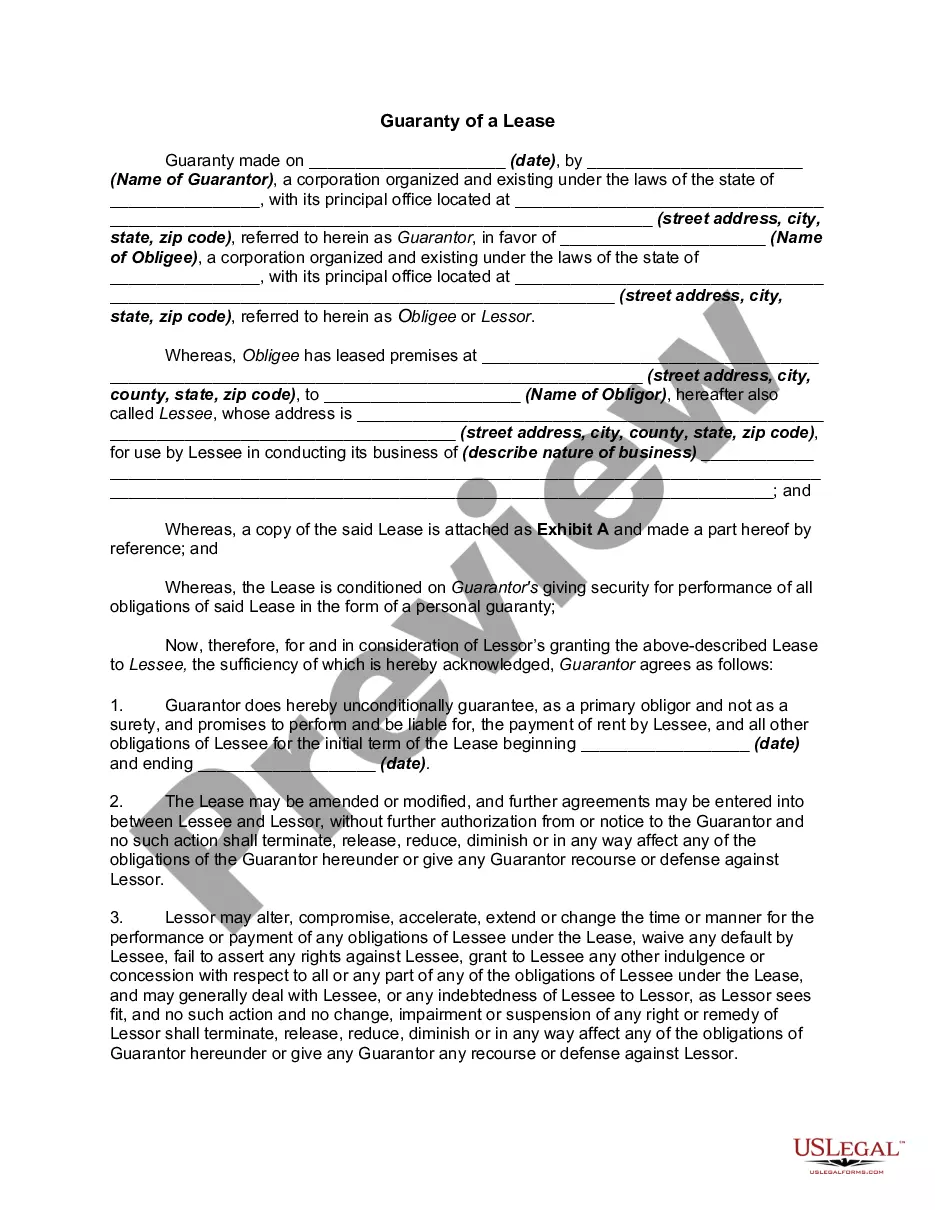
Connecticut Guaranty of a Lease
Description
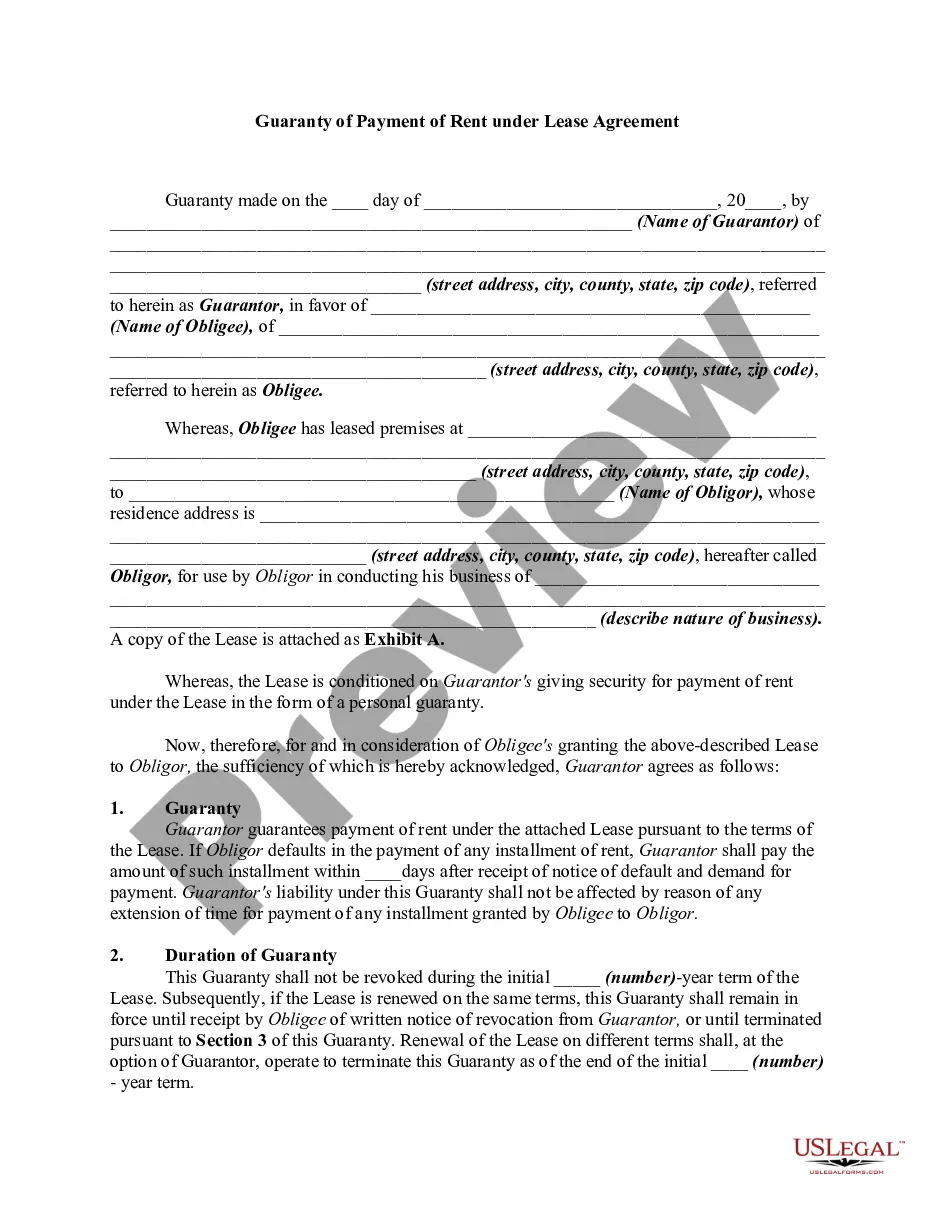
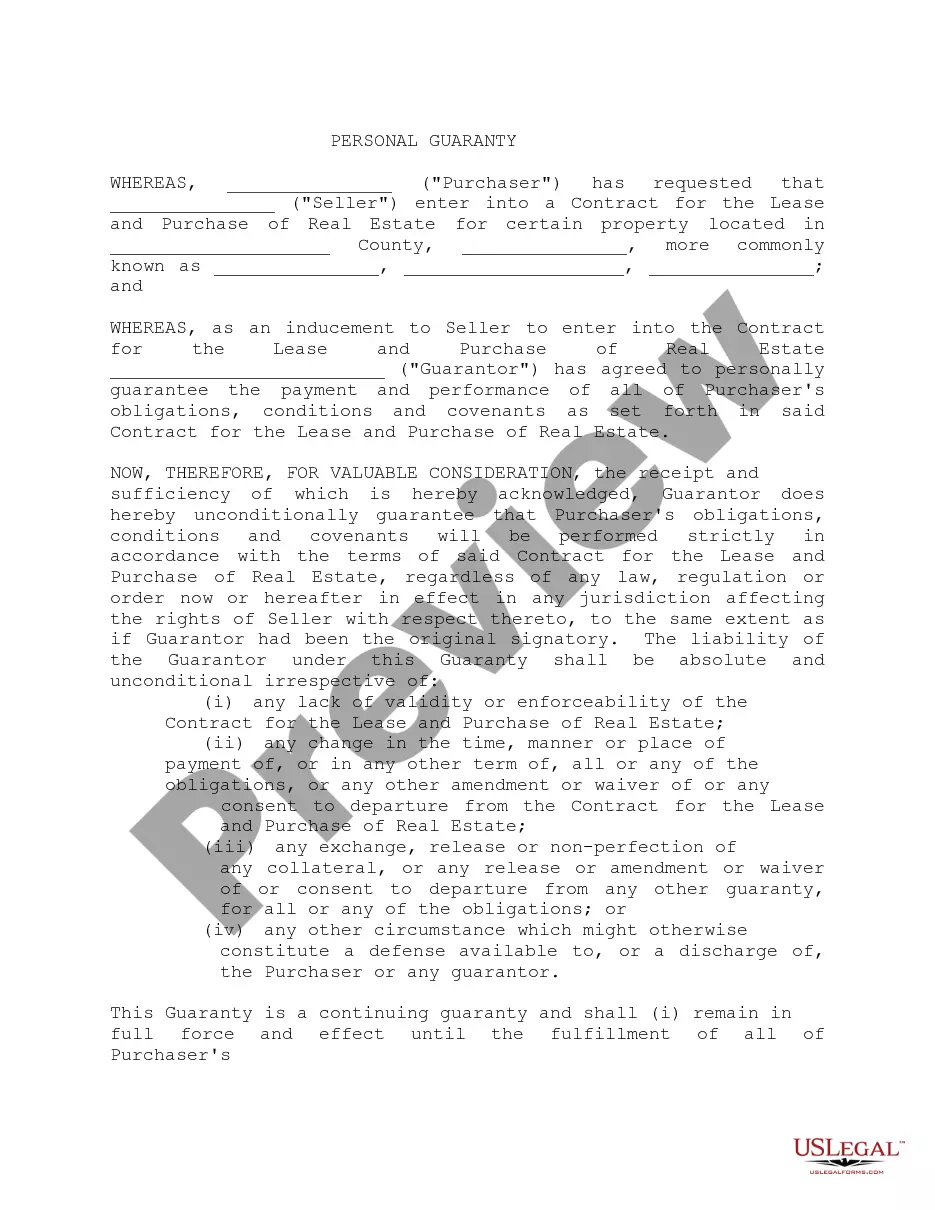
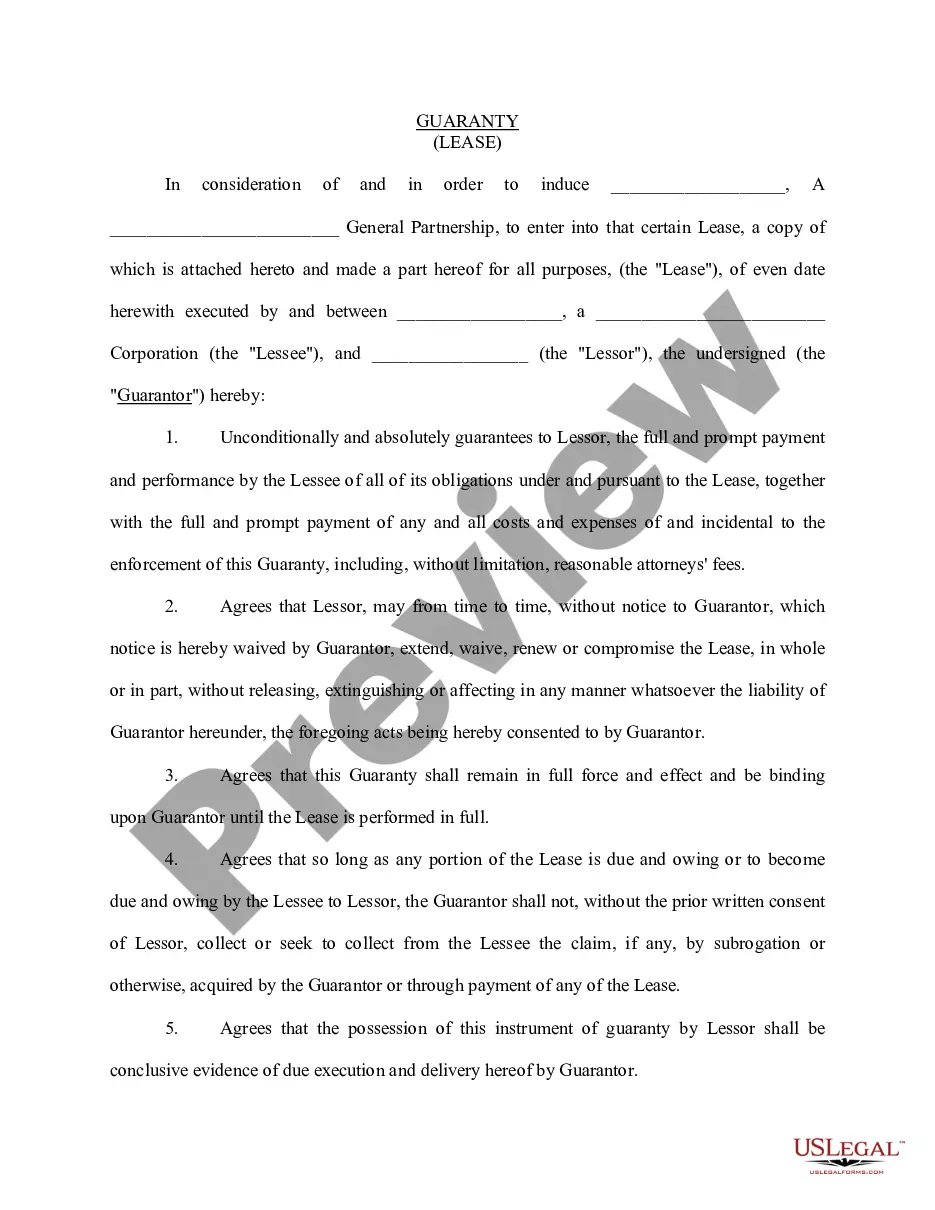
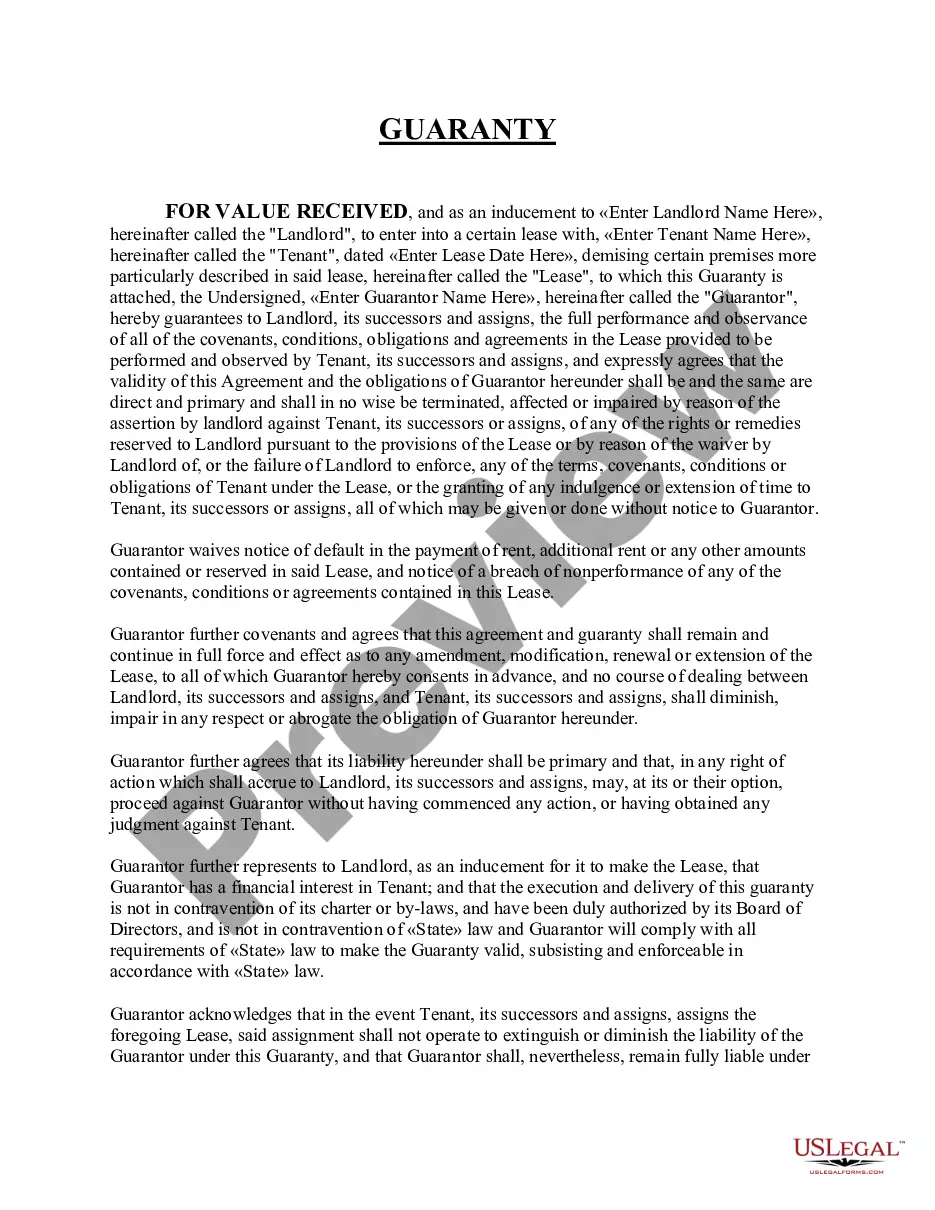

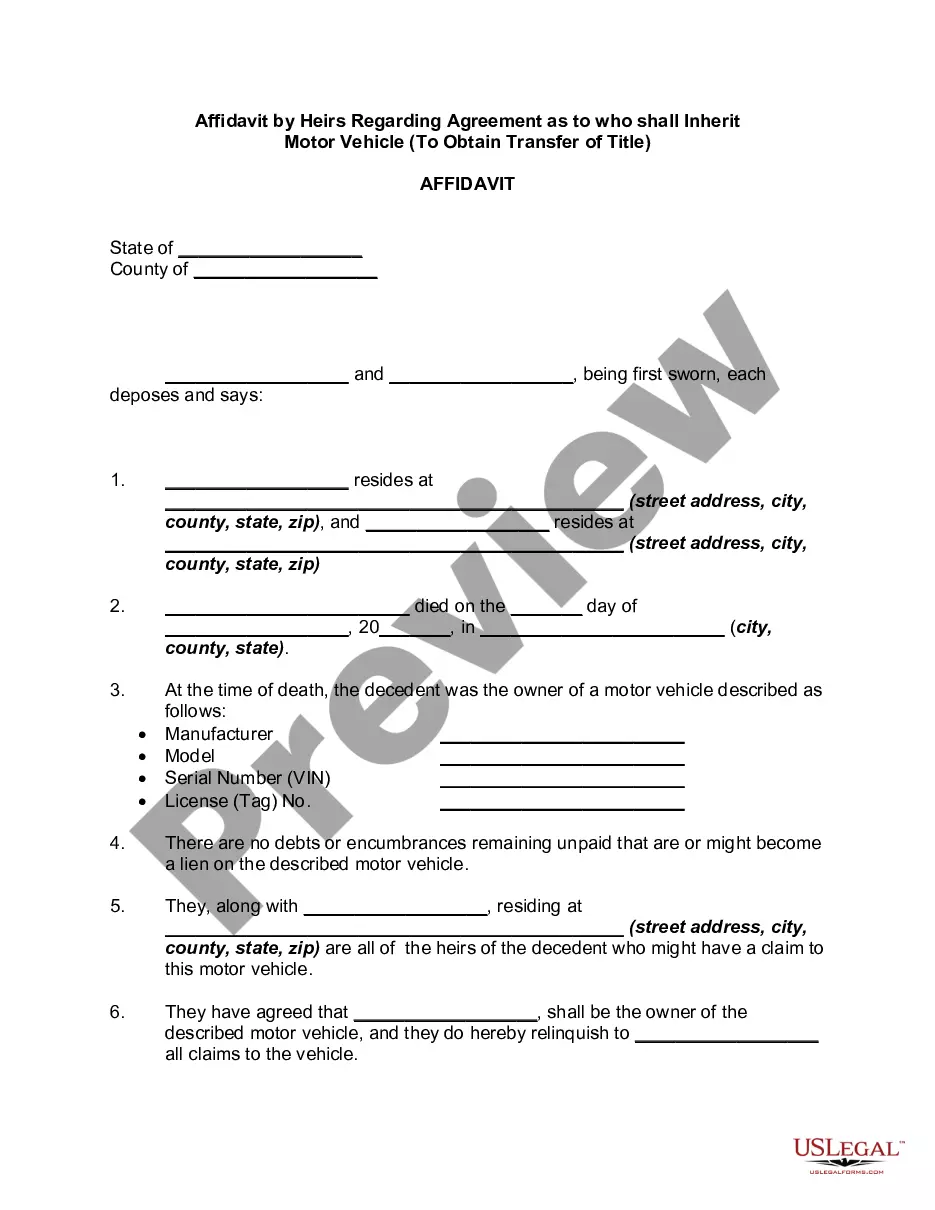
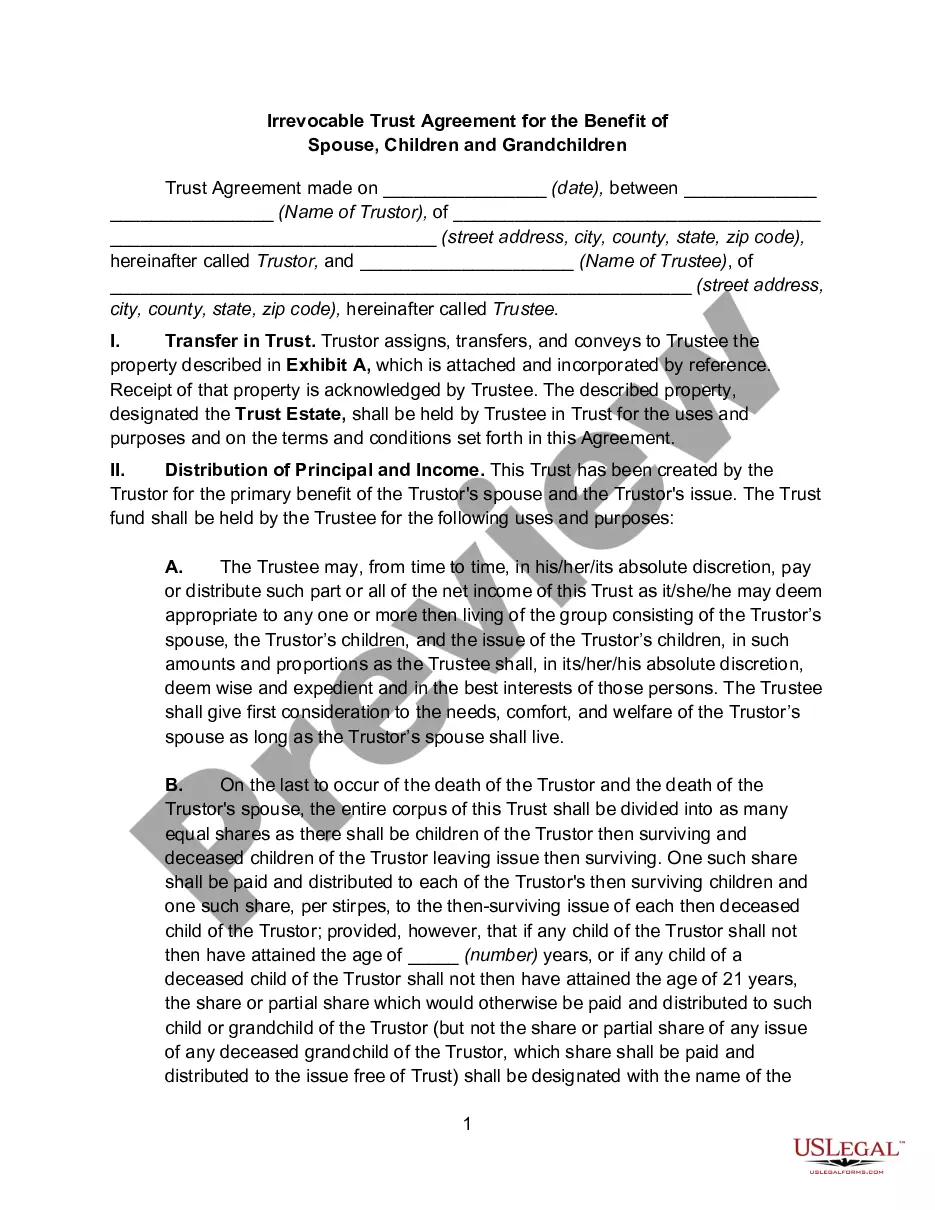
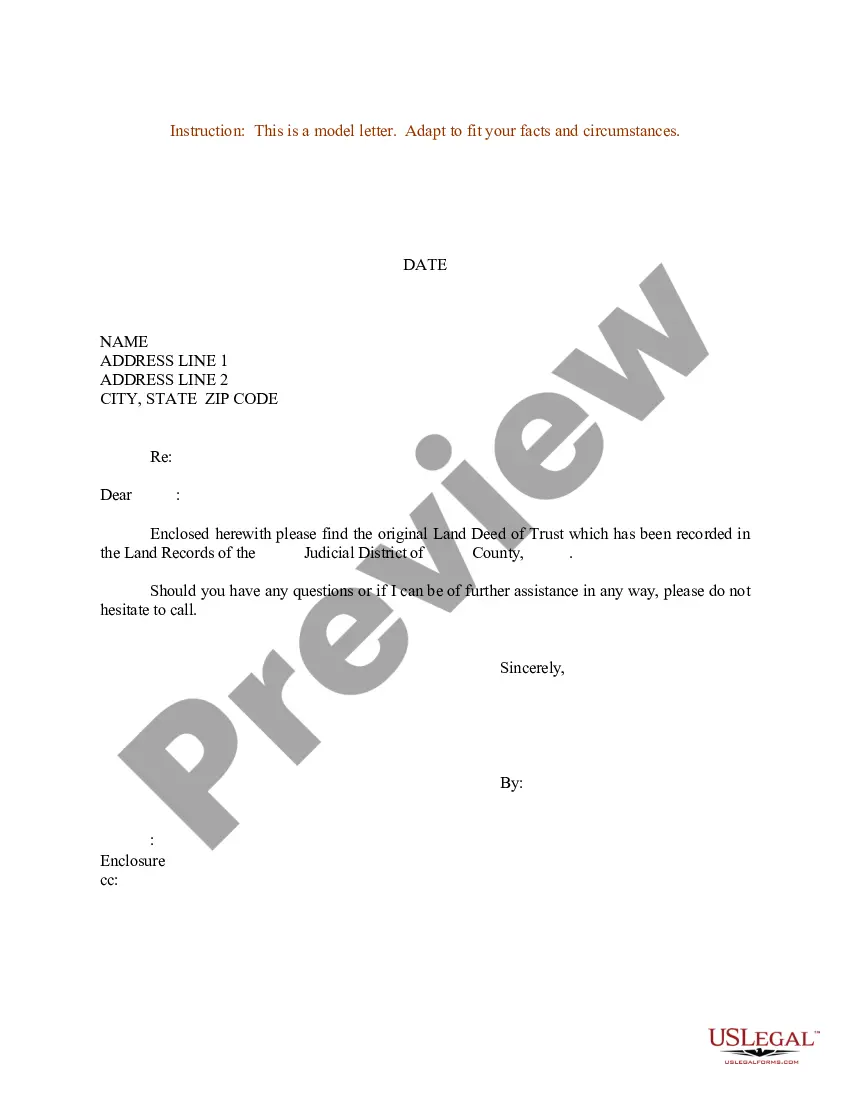
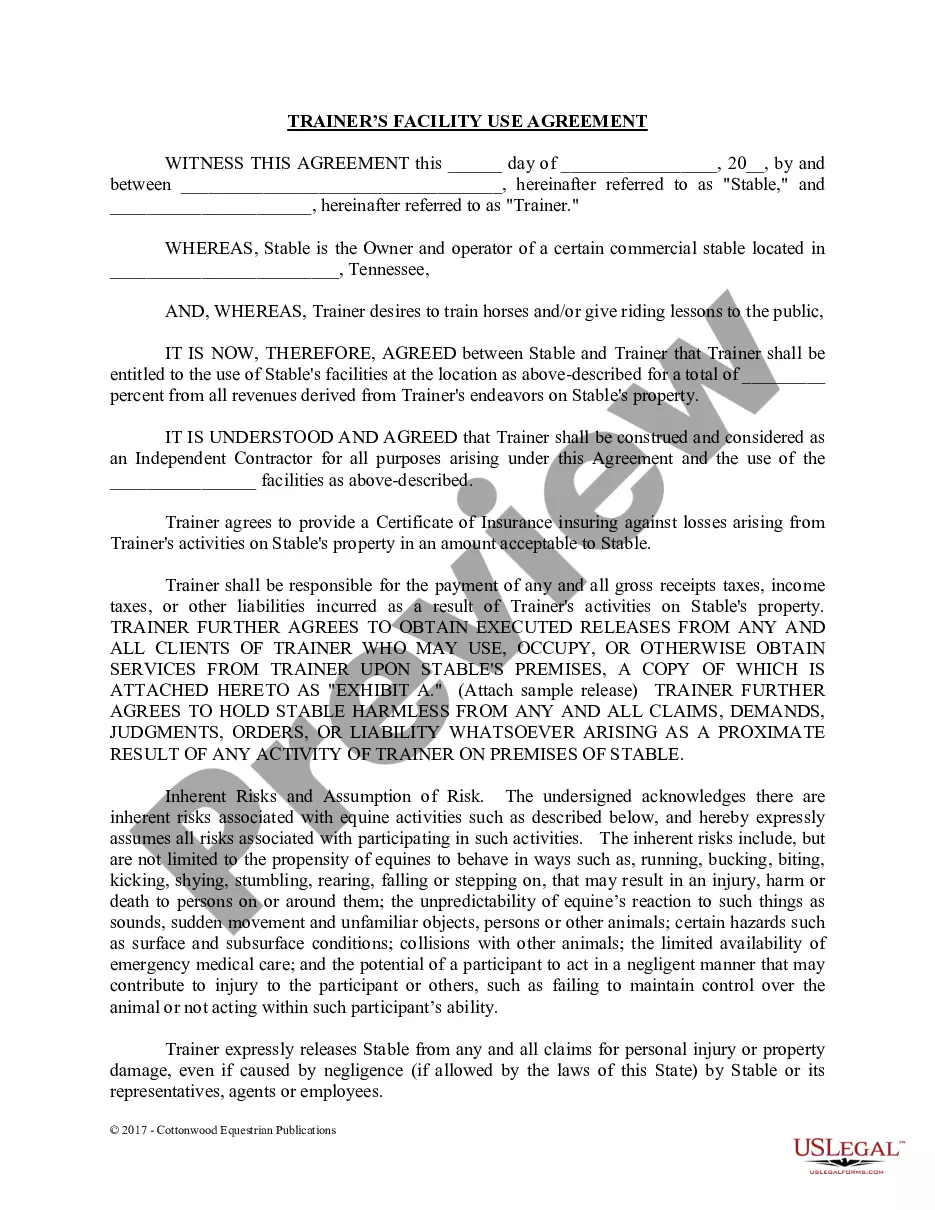
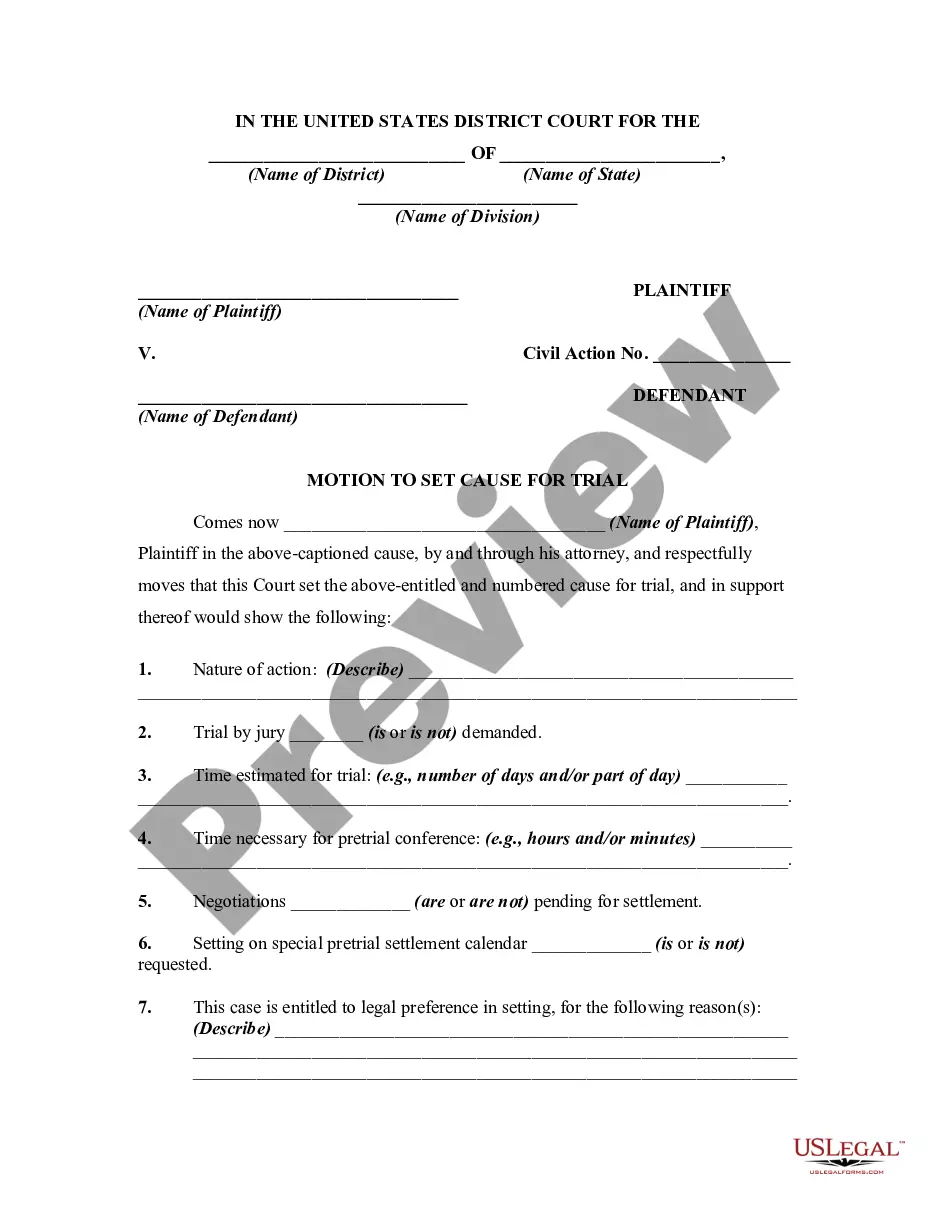
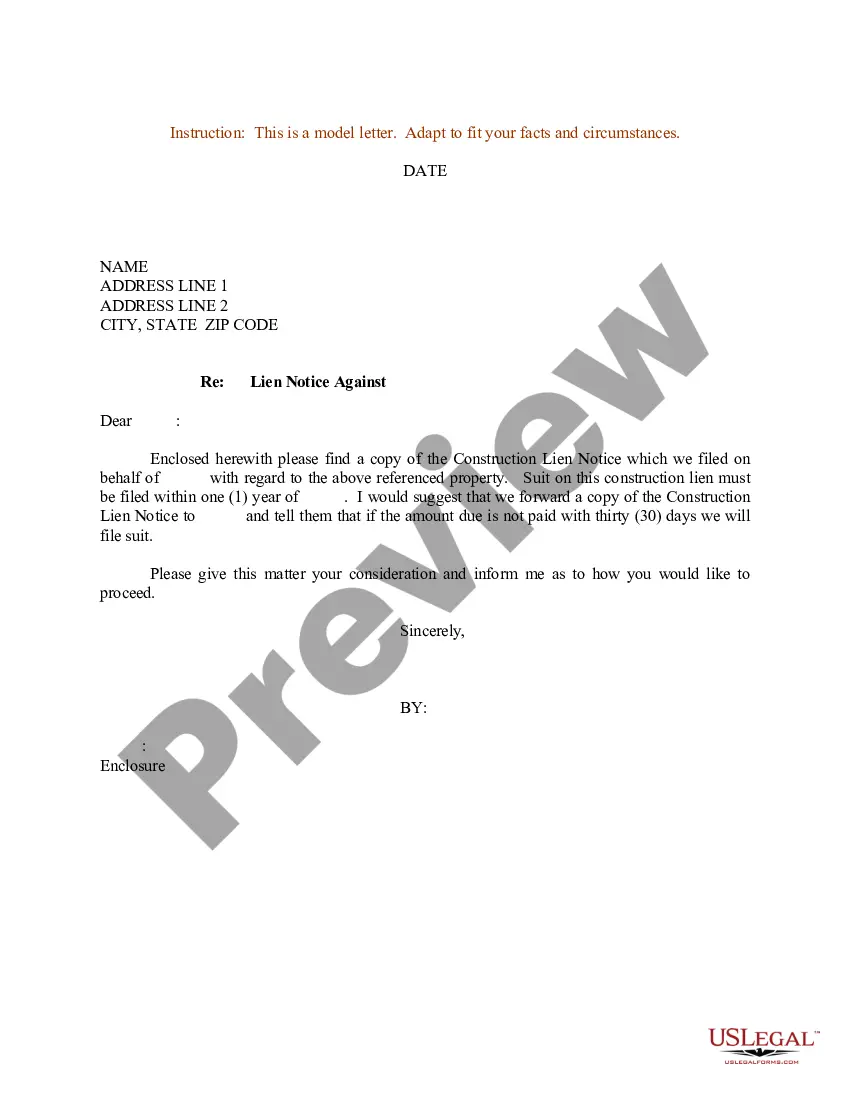
How to fill out Guaranty Of A Lease?
Are you currently situated in a location where you frequently require documents for either organizational or personal purposes.
There are numerous legal document templates available online, but finding reliable ones can be challenging.
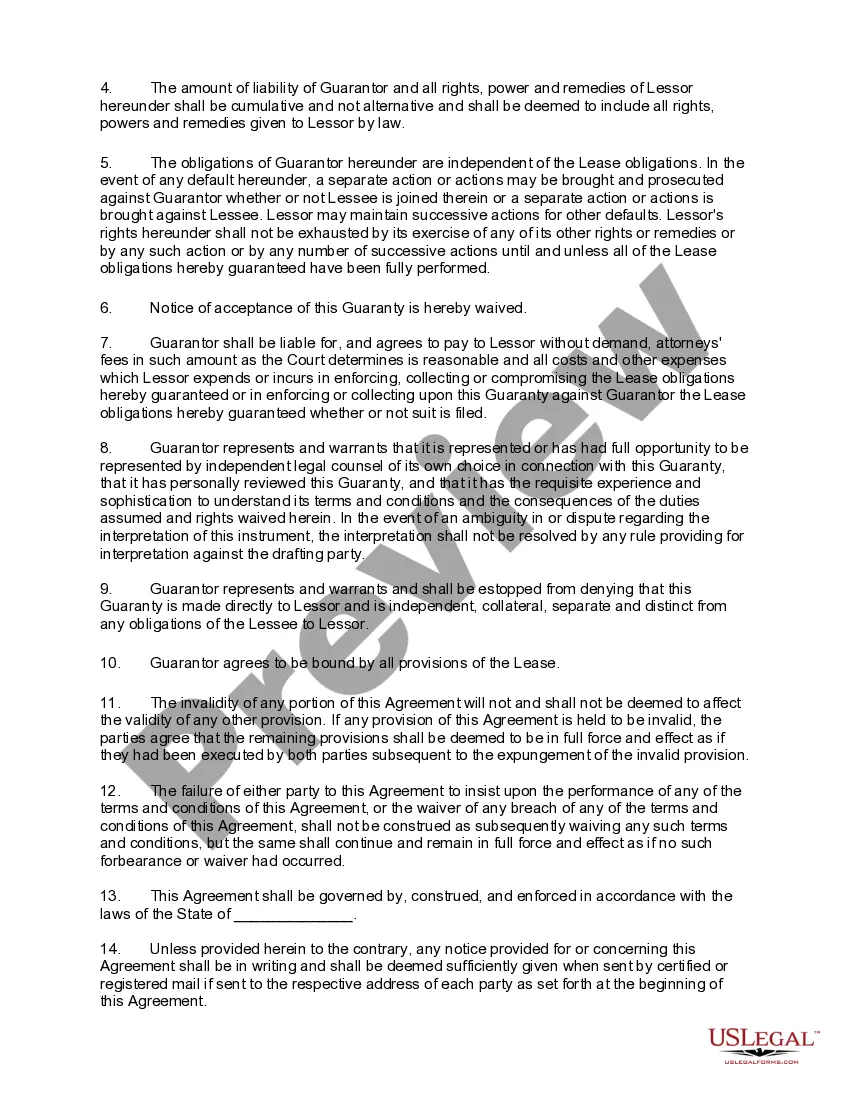
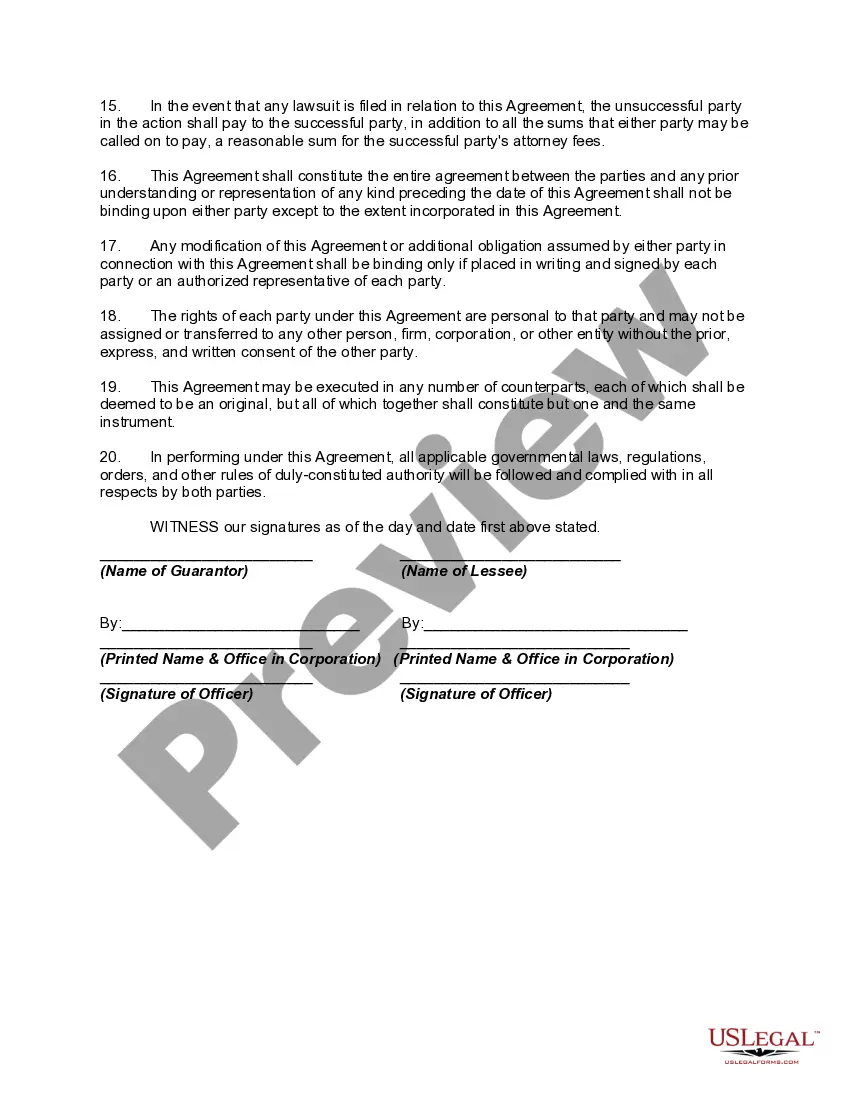
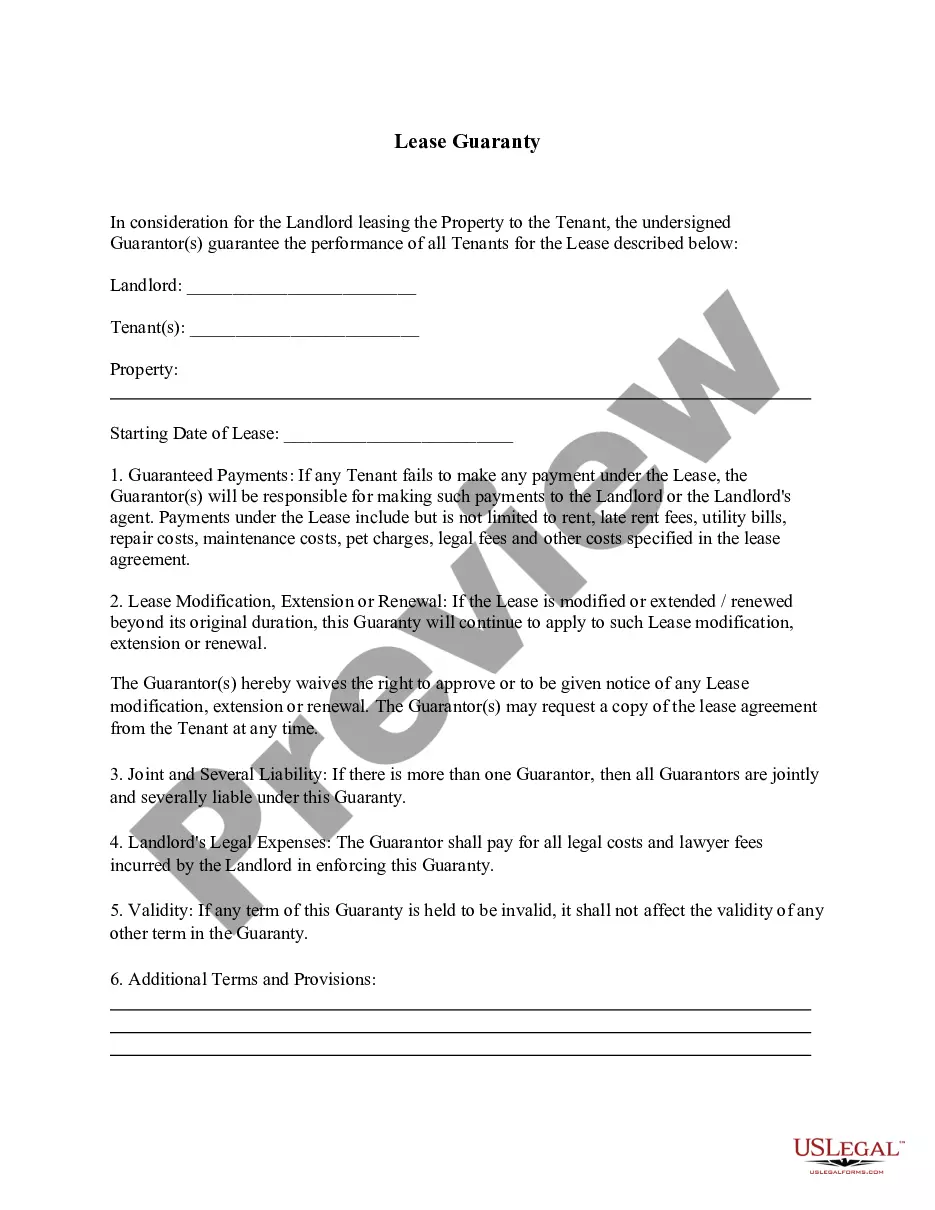
US Legal Forms offers a vast collection of form templates, such as the Connecticut Guaranty of a Lease, designed to meet both federal and state regulations.
Once you locate the correct form, click on Buy now.
Select the payment plan you want, fill in the necessary information to create your account, and complete the order using your PayPal or credit card. Choose a convenient file format and download your copy. Access all the document templates you have purchased in the My documents section. You can obtain another copy of the Connecticut Guaranty of a Lease whenever needed. Just click on the desired form to download or print the document template. Utilize US Legal Forms, a comprehensive repository of legal documents, to save time and avoid errors. The service provides well-crafted legal document templates suitable for a variety of purposes. Create an account on US Legal Forms and start making your life a little easier.
- If you are already familiar with the US Legal Forms site and have an account, simply Log In.
- Afterward, you can download the Connecticut Guaranty of a Lease template.
- If you do not have an account and wish to start using US Legal Forms, follow these steps.
- Locate the form you require and ensure it is applicable to your specific city/state.
- Use the Preview button to examine the document.
- Check the details to confirm that you have selected the correct form.
- If the form isn’t what you're looking for, utilize the Search field to find the form that matches your needs and criteria.
Form popularity
FAQ
The minimum guarantee on a lease varies based on the terms agreed upon between the tenant and the landlord. In many cases, the Connecticut Guaranty of a Lease does not specify a fixed amount, as it can depend on factors such as lease duration and property value. Therefore, both parties should negotiate and document this aspect clearly in the agreement. This practice helps ensure that all parties involved have a clear understanding of their responsibilities.
In Connecticut, once you sign a lease, you typically cannot back out without facing penalties. The Connecticut Guaranty of a Lease binds both tenant and landlord to the terms set in the agreement. However, if you have valid reasons, such as fraud or misrepresentation, legal options might exist. It's always wise to consult with legal professionals or platforms like USLegalForms for guidance before making any decisions.
A guaranty on a lease is an agreement in which a third party promises to fulfill the lease obligations if the tenant cannot. This concept is a vital component of the Connecticut Guaranty of a Lease, providing additional security for landlords. The guarantor’s commitment can make it easier for tenants, especially those with limited credit history, to secure a rental. Essentially, it builds trust between landlords and tenants.
In Connecticut, when a property changes ownership, the new owner typically must honor existing leases. This includes agreements governed by the Connecticut Guaranty of a Lease. Tenants retain their rights under the lease, providing them stability in their living situation. Therefore, it is essential for new landlords to understand their obligations towards existing tenants.
The purpose of a guaranty agreement is to provide assurance to the landlord that the lease obligations will be met. In the context of the Connecticut Guaranty of a Lease, the guarantor agrees to take on the financial responsibilities if the tenant defaults. This arrangement protects both parties, facilitating smoother transactions. By establishing clear terms, a guaranty agreement can encourage landlords to enter into leases with less risk.
Getting out of a personal guarantee often involves negotiating with the party involved, or it may require legal consultation if the terms allow for it. You may also seek to find someone else to assume the guarantee. Always remember to communicate clearly and explore all available options.
Backing out of being a guarantor can be challenging, but it's possible under certain circumstances. You might need to discuss this with your landlord, especially if your financial situation changes. Understanding your lease terms will guide you in communicating effectively.
Removing yourself as a guarantor typically requires a formal request to your landlord. It's advisable to present valid reasons and explore options, such as providing a replacement guarantor. Keeping open communication with your landlord can facilitate this process.
To stop being a guarantor, first check your lease document for any specific clauses regarding termination. Next, communicate with your landlord and propose alternative arrangements. If possible, securing another guarantor to take your place can ease the transition.
Yes, you can exit a lease in Connecticut under specific conditions, such as a breach of lease terms by the landlord or if your circumstances change significantly. It's crucial to notify your landlord in writing and follow the lease termination procedures outlined in your agreement. For personalized support, consult resources like US Legal Forms.