Alabama Waiver and Release From Liability For Minor Child for Church Function
Description
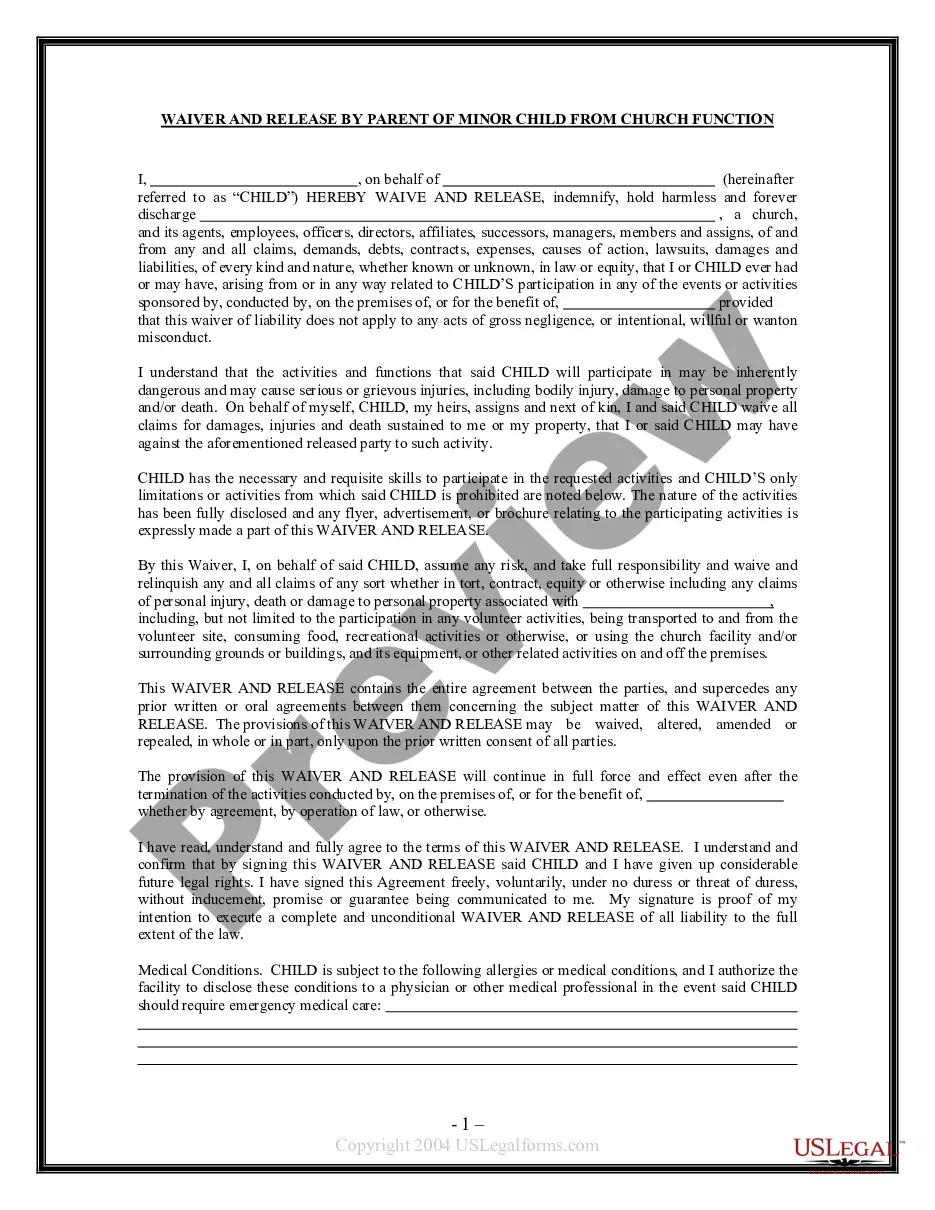
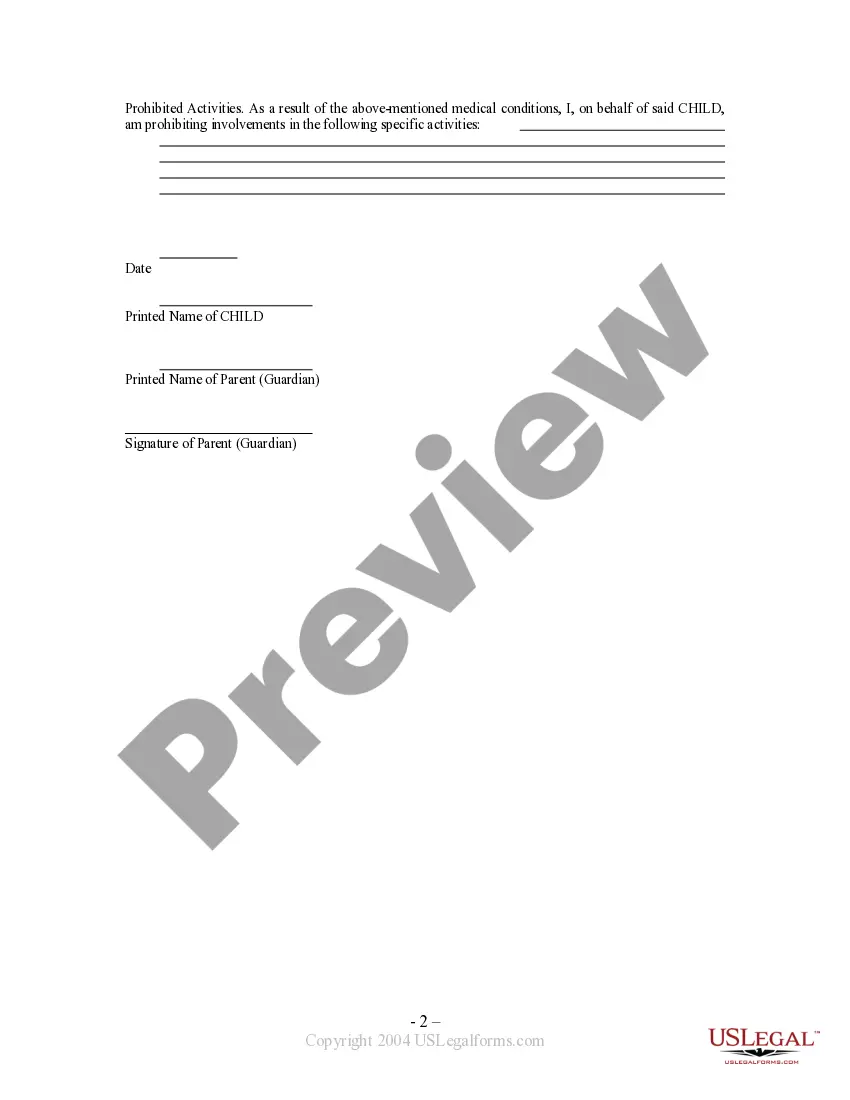
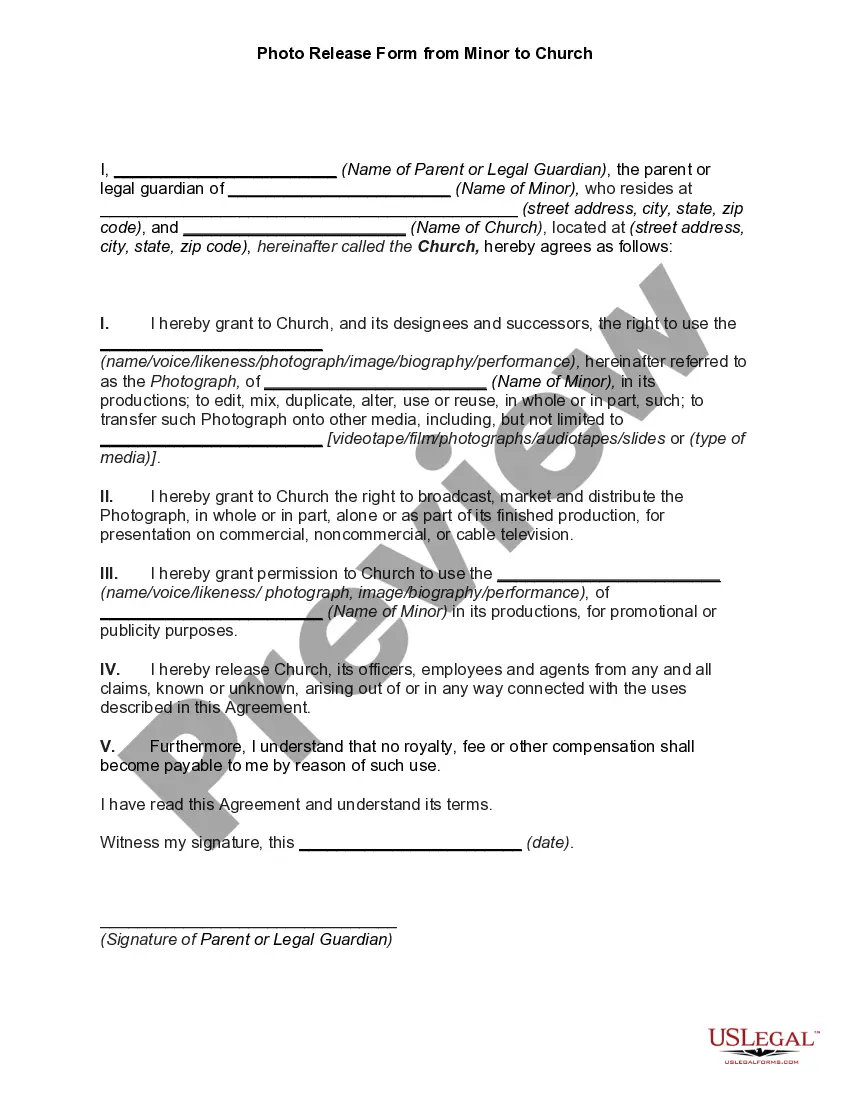
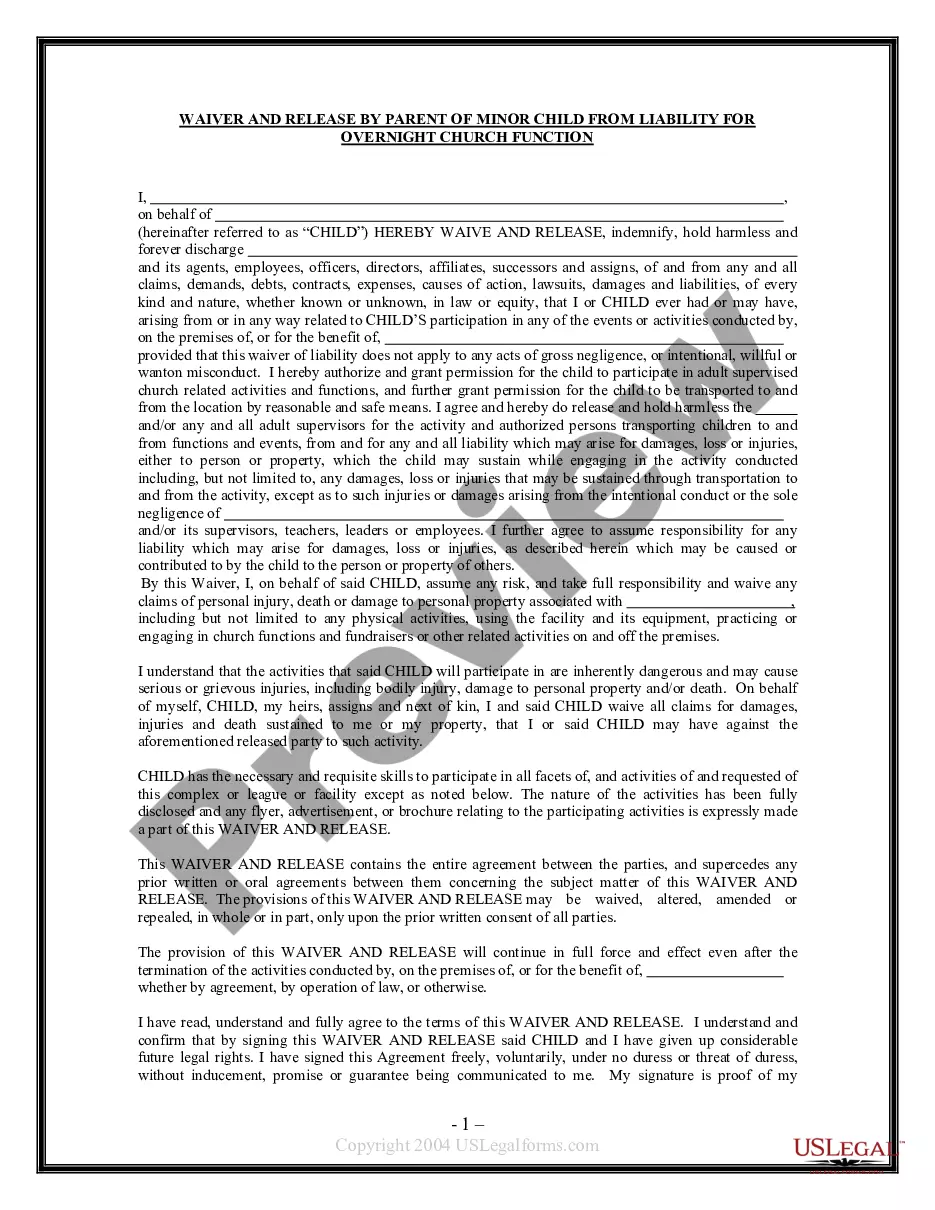
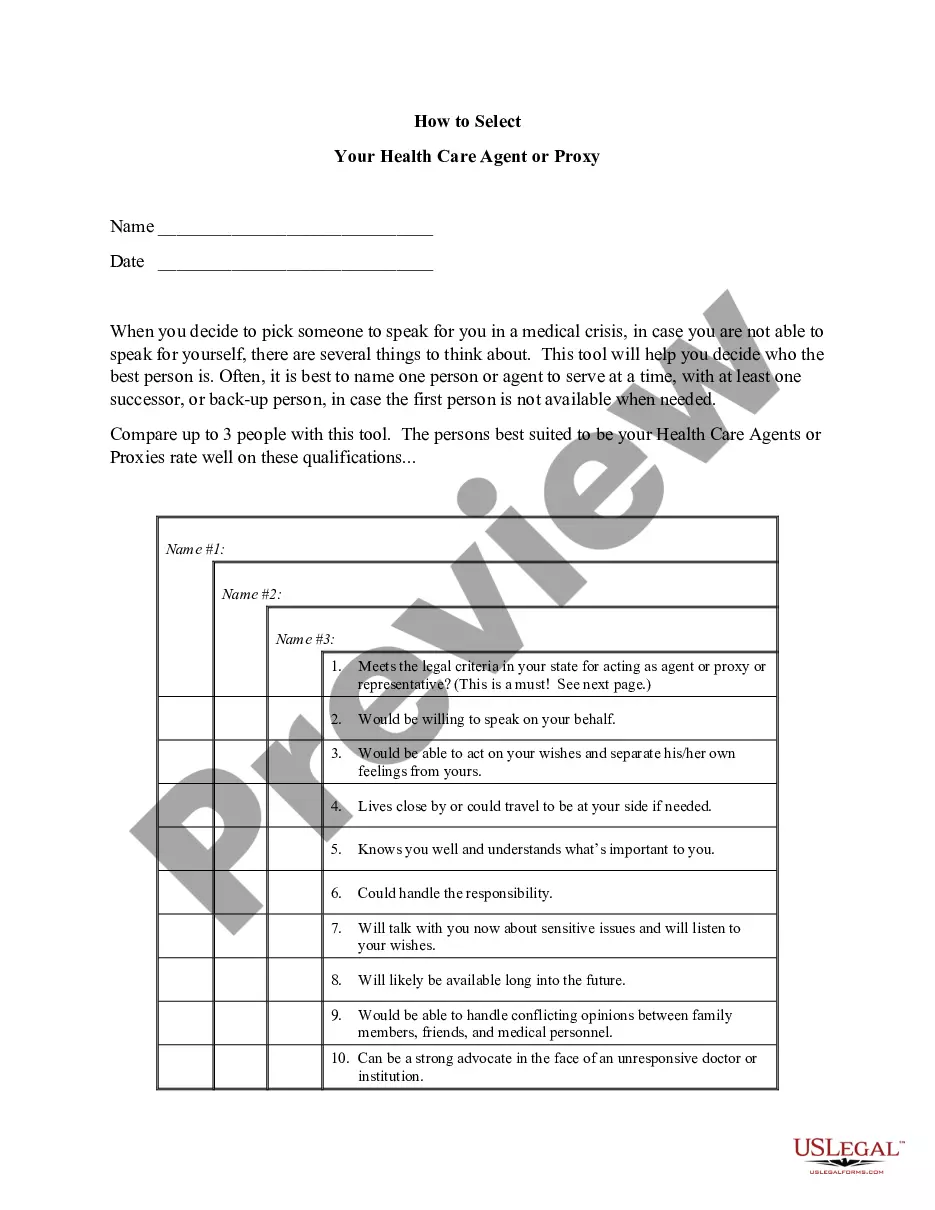
How to fill out Waiver And Release From Liability For Minor Child For Church Function?
Are you presently in a position where you require documentation for potential business or personal activities on a daily basis.
There are numerous authentic document templates accessible online, but finding ones you can trust is challenging.
US Legal Forms offers a multitude of form templates, such as the Alabama Waiver and Release From Liability For Minor Child for Church Function, which are designed to comply with federal and state regulations.
Utilize US Legal Forms, the most extensive collection of legitimate forms, to save time and prevent mistakes.
The service provides professionally crafted legal document templates that can be utilized for a variety of purposes. Create an account on US Legal Forms and start making your life easier.
- If you are familiar with the US Legal Forms website and have an account, simply Log In.
- Then, you can download the Alabama Waiver and Release From Liability For Minor Child for Church Function template.
- If you do not have an account and wish to use US Legal Forms, follow these steps.
- Locate the form you need and ensure it is for the correct area/state.
- Use the Preview button to review the document.
- Read the description to confirm you have selected the right form.
- If the form is not what you're looking for, utilize the Search box to find the form that suits your needs and requirements.
- Once you find the correct form, click Buy now.
- Choose the pricing plan you prefer, fill in the required information to create your account, and pay for your order using your PayPal or credit card.
- Select a convenient file format and download your version.
- Access all the document templates you have purchased in the My documents section. You can obtain another copy of the Alabama Waiver and Release From Liability For Minor Child for Church Function anytime, if needed. Click on the desired form to download or print the template.
Form popularity
FAQ
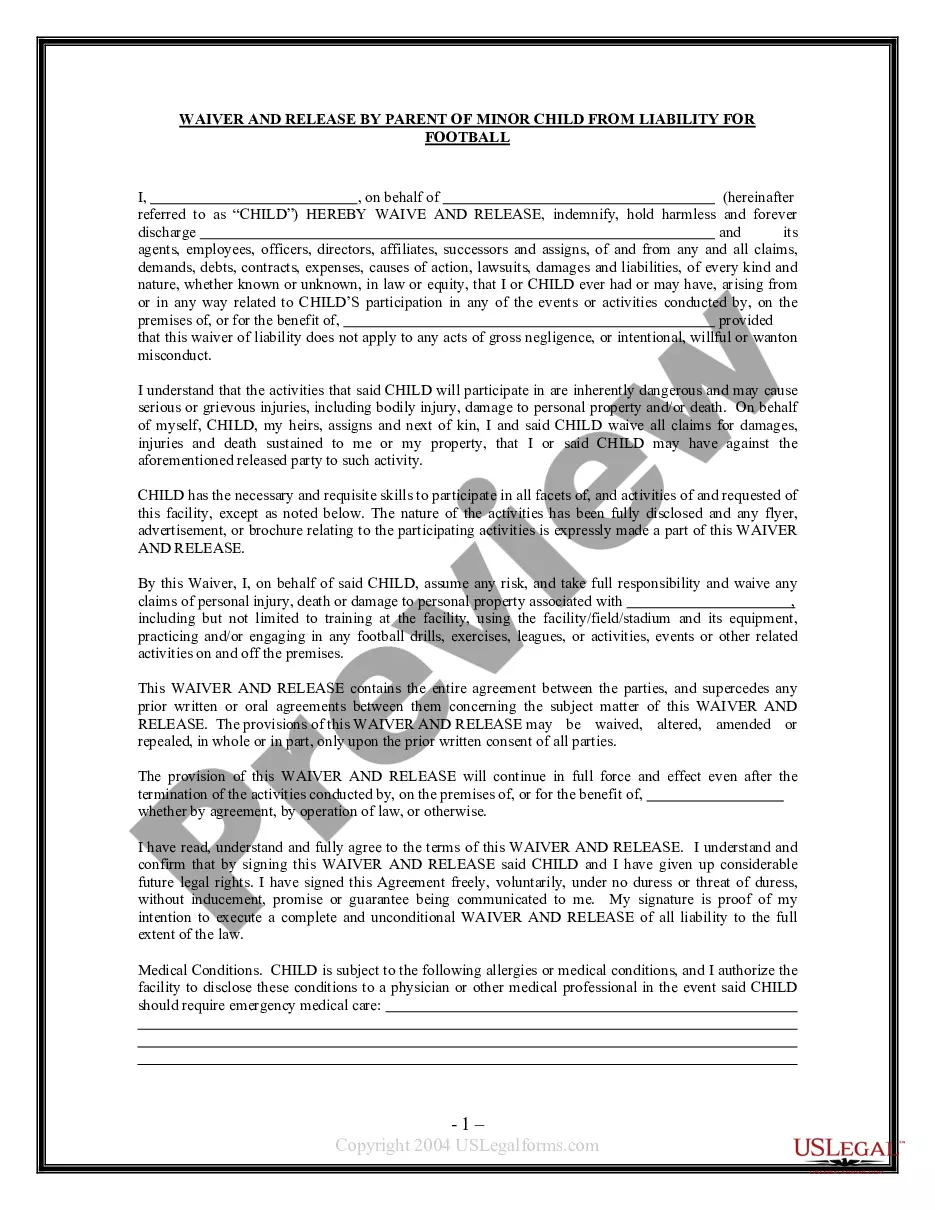
Waivers signed by minors are generally not legally binding, as minors do not have the legal capacity to enter into contracts. As a result, any waiver, including the Alabama Waiver and Release From Liability For Minor Child for Church Function, must be signed by a parent or guardian. This requirement ensures that the waiver is enforceable and provides the necessary protection for the organization hosting the event.
Waivers are typically not enforceable against minors because they cannot legally consent to contracts. This legal principle underlines the importance of having a parent or guardian sign the Alabama Waiver and Release From Liability For Minor Child for Church Function. By doing so, organizations can ensure that they have a valid waiver that protects them from liability claims related to the minor's participation in activities.
Generally, signatures from minors are not considered legally binding, as minors lack the capacity to enter into contracts. Therefore, a waiver signed by a minor would not hold up in court. Instead, the Alabama Waiver and Release From Liability For Minor Child for Church Function requires a parent or guardian's signature to ensure its enforceability. This approach protects both the minor and the organization hosting the event.
Writing a simple release of liability involves clearly stating the intent to waive rights and describing the specific activities covered. Start with the title, such as 'Alabama Waiver and Release From Liability For Minor Child for Church Function.' Include information about the child, the event, and the risks involved. Finally, ensure the parent or guardian signs the document to confirm their understanding and acceptance.
A parental release of liability form is a document that a parent or guardian signs to allow their child to participate in activities while waiving the right to hold the organizer accountable for injuries. This form is essential for events like church functions, as it safeguards the organizers from potential lawsuits. The Alabama Waiver and Release From Liability For Minor Child for Church Function serves this purpose effectively. Utilizing a reliable platform like USLegalForms can simplify the process of obtaining this form.
Yes, waiver forms can be legally binding under the right circumstances. When properly drafted, the Alabama Waiver and Release From Liability For Minor Child for Church Function can protect organizations from liability claims. However, it is crucial to ensure that the form is clear, voluntary, and signed by the parent or guardian. Consulting legal guidance can help ensure that your waiver meets all necessary legal criteria.
A release of liability, also known as a liability waiver or a hold harmless agreement, is a contract in which one party agrees not to hold another party liable for damages or injury. These contracts are common in fields that involve some risk to property, finances, or health.
A release of liability, also known as a liability waiver or a hold harmless agreement, is a contract in which one party agrees not to hold another party liable for damages or injury. These contracts are common in fields that involve some risk to property, finances, or health.
A liability waiver, or release waiver, is a legal document that a company or organization requires members of the public to sign in order to protect their organization from being sued if you sustain an injury.