Restatement Of Contracts Force Majeure
Description
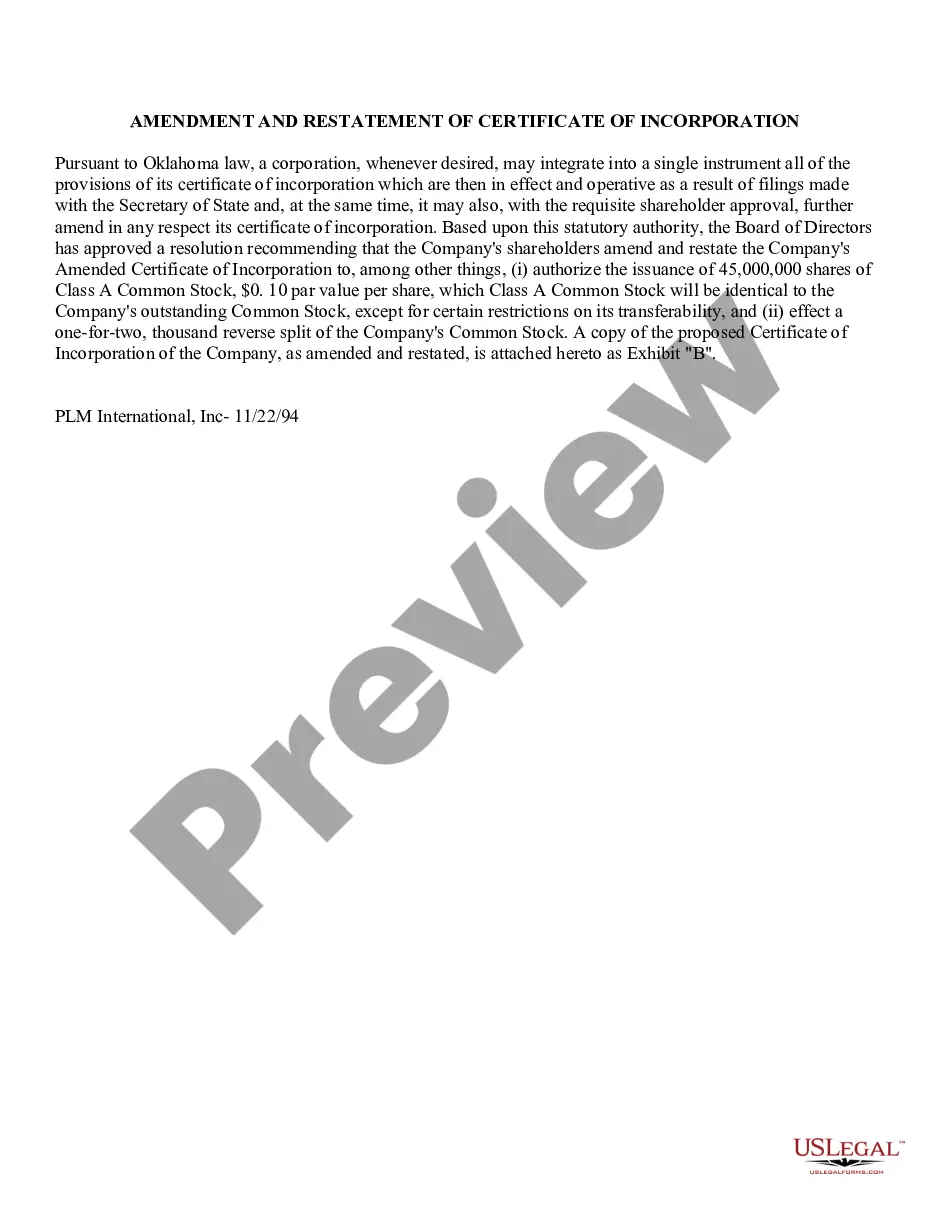
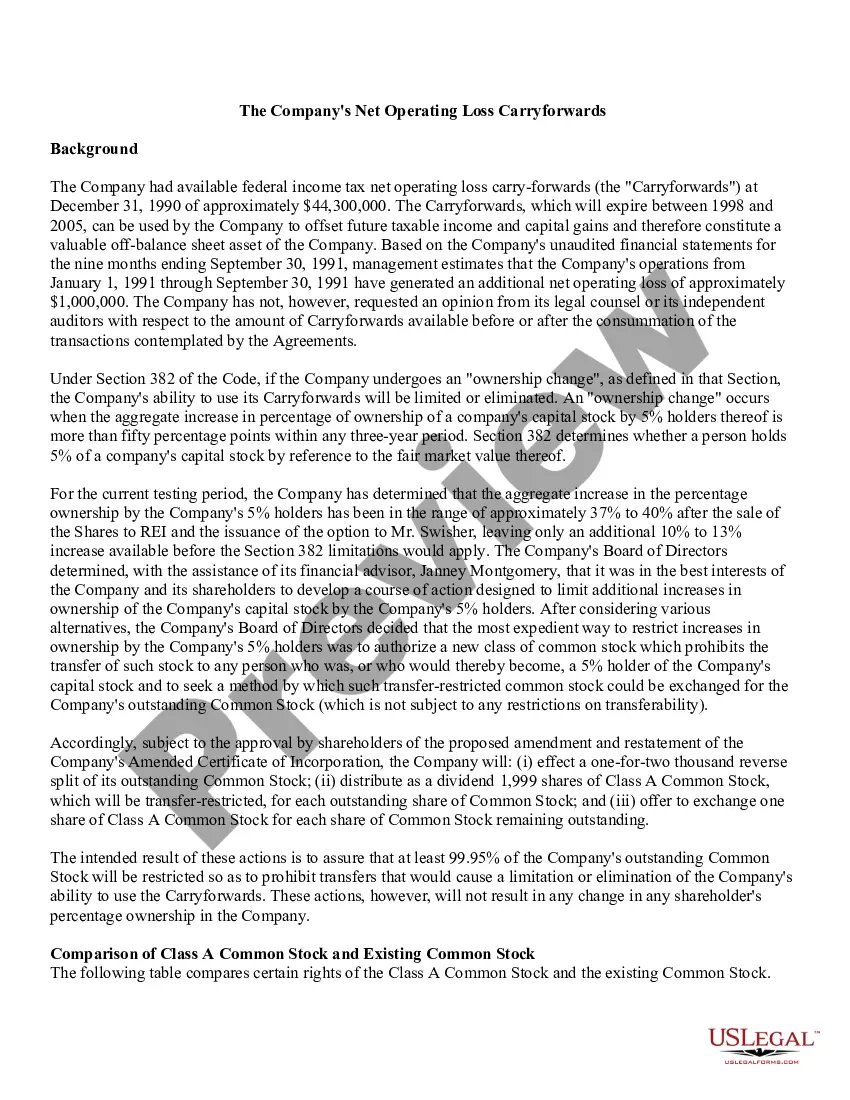
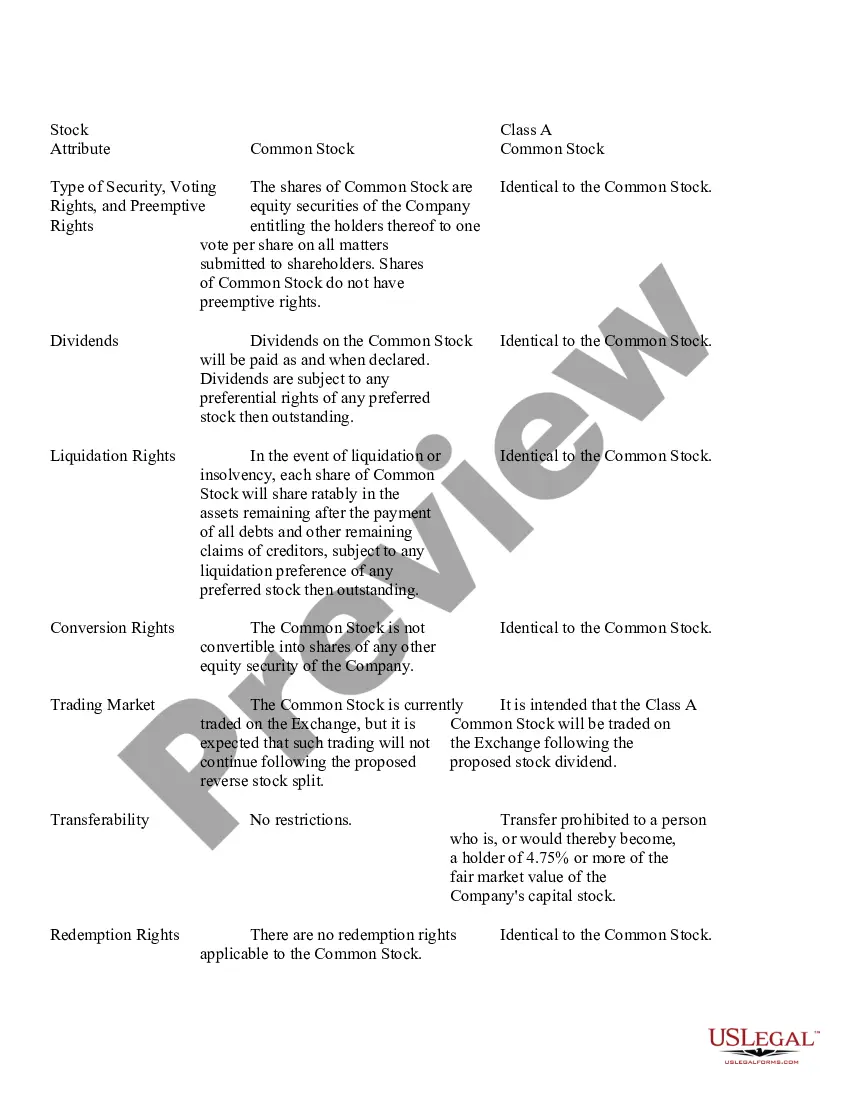
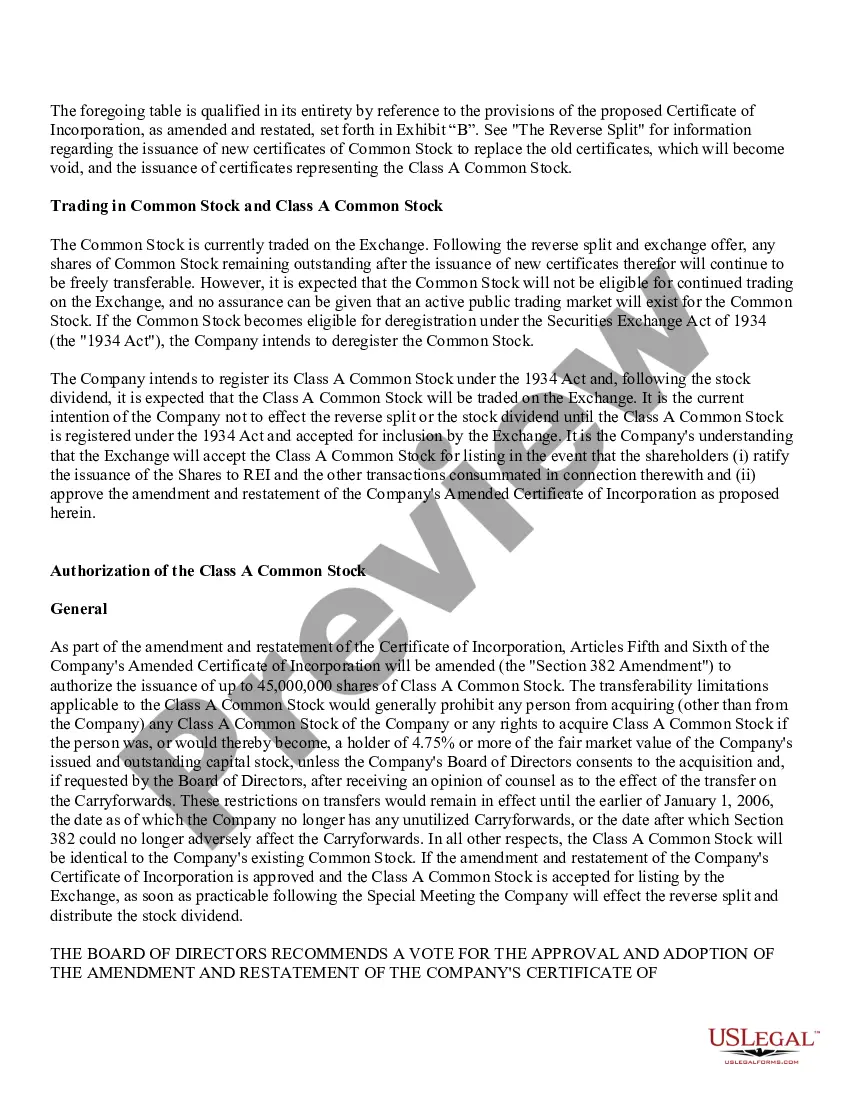
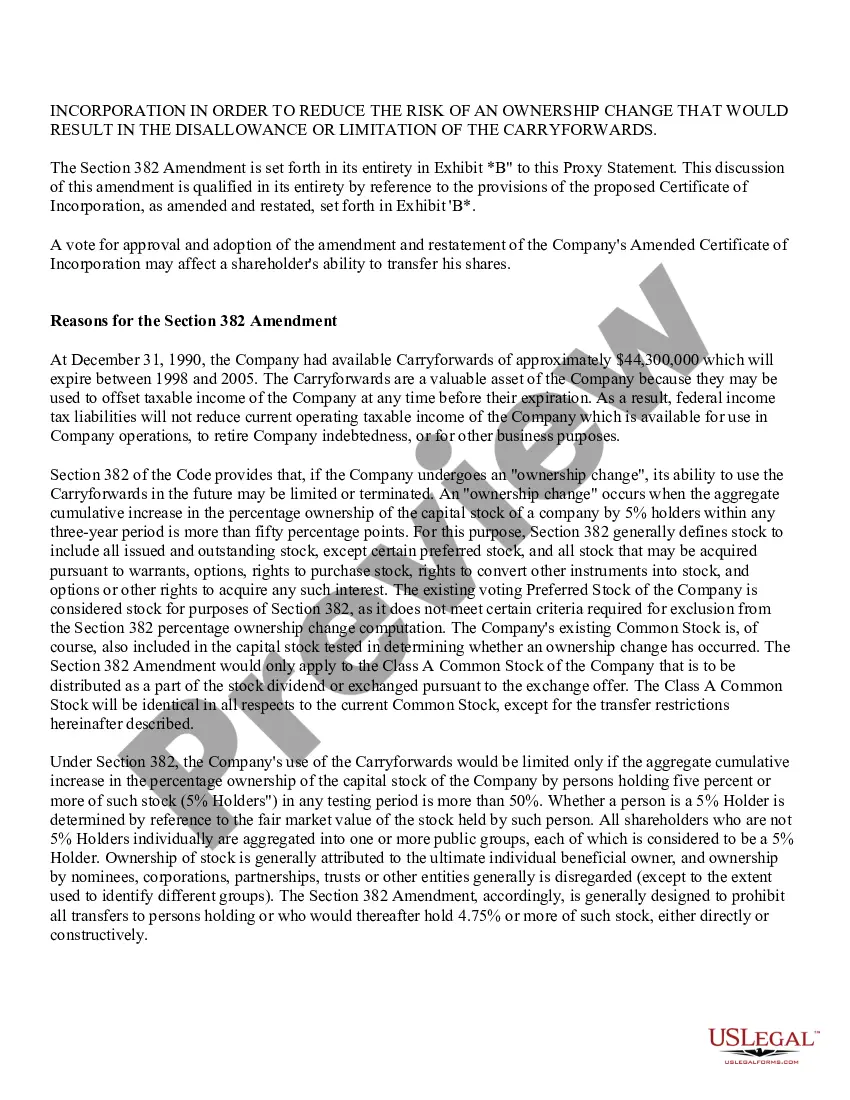
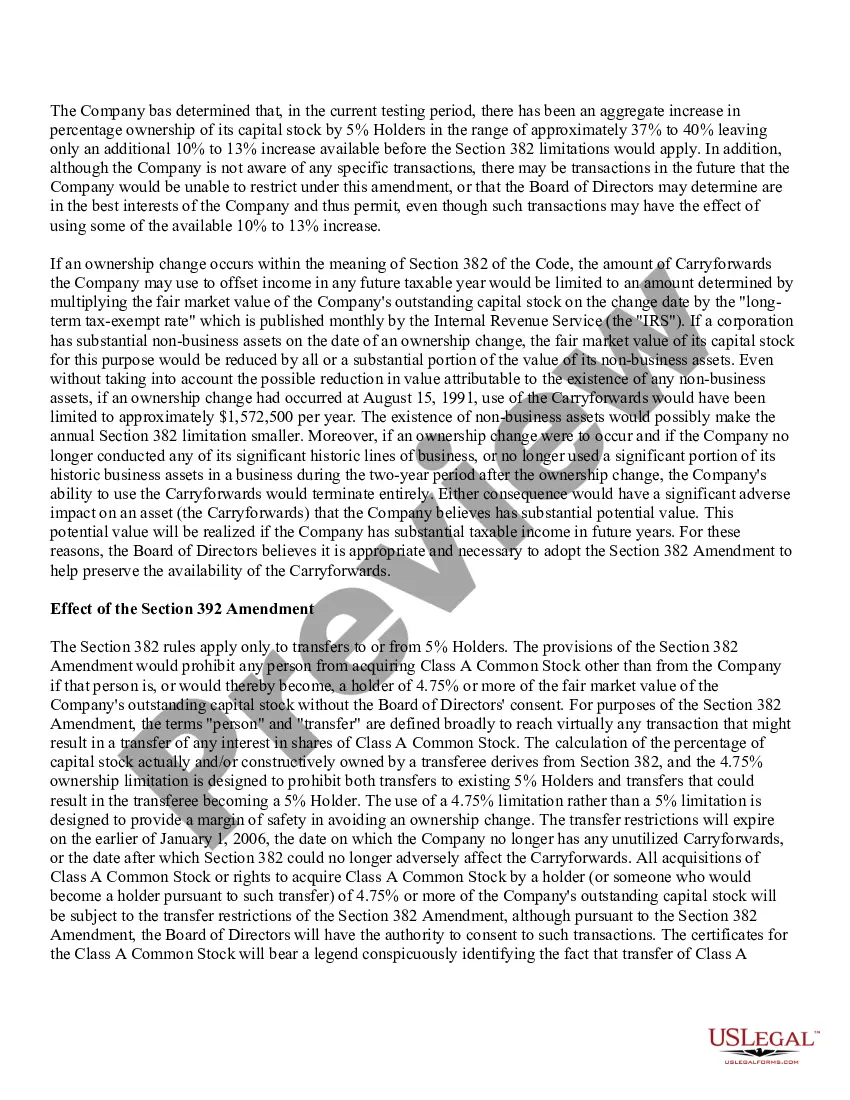
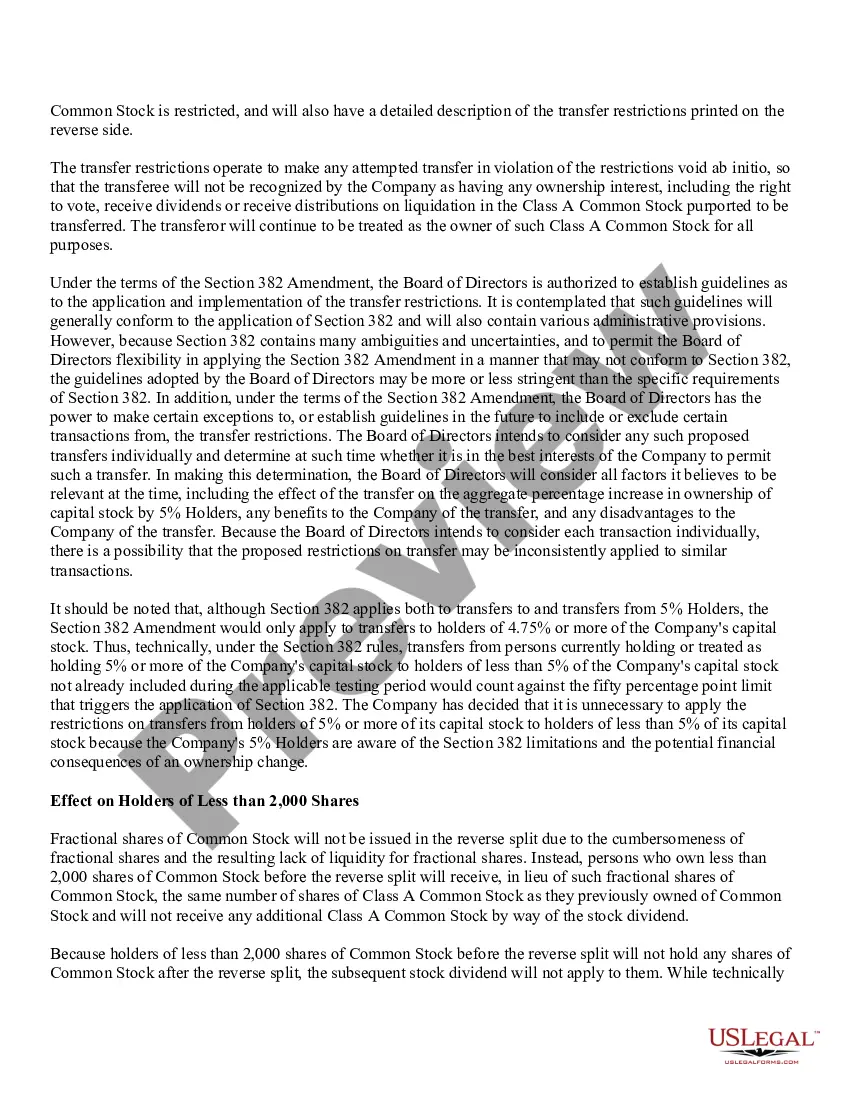
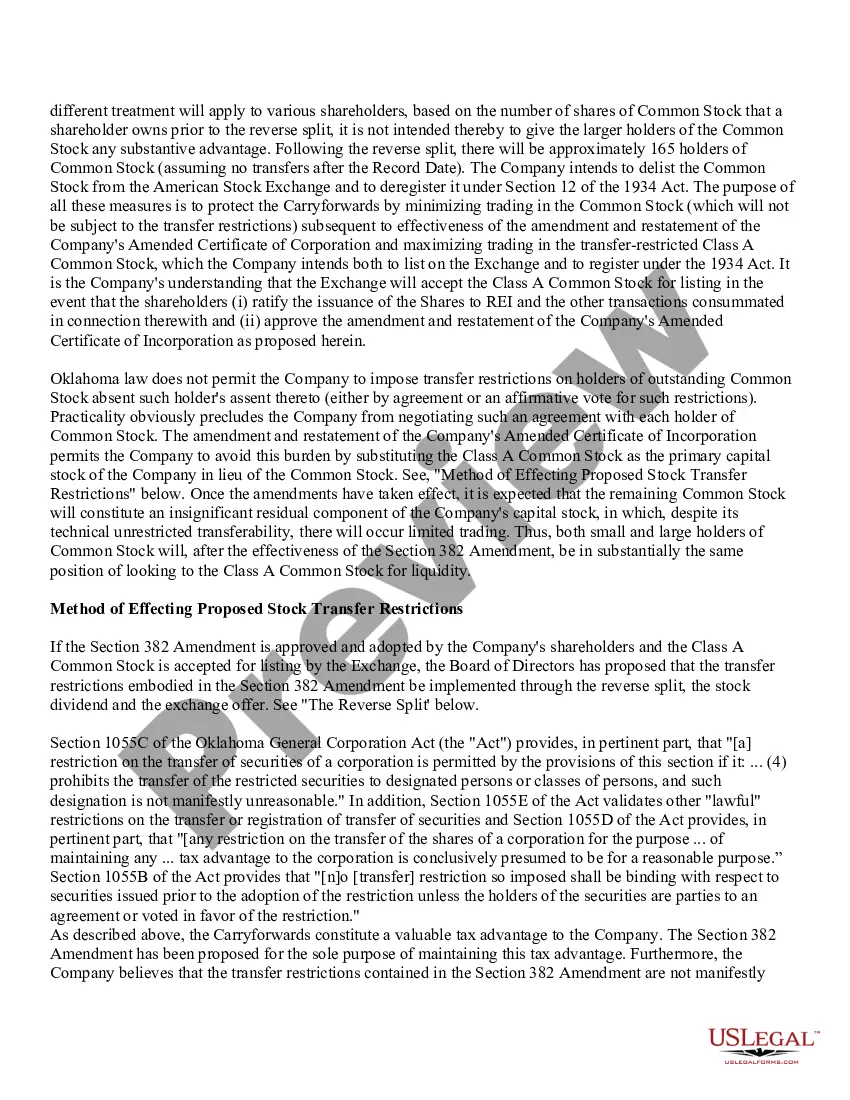

How to fill out Amendment And Restatement Of Certificate Of Incorporation With Exhibit?
Legal administration can be daunting, even for the most seasoned experts.
When you're looking for a Restatement Of Contracts Force Majeure and lack the time to locate the appropriate and current version, the process can become overwhelming.
US Legal Forms meets all your needs, whether for personal or commercial documentation, in one convenient location.
Employ advanced tools to complete and manage your Restatement Of Contracts Force Majeure.
Here are the steps to follow after obtaining the document you require.
- Access a valuable library of articles, guides, and manuals pertinent to your situation and requirements.
- Save time and energy hunting for the documents required, utilizing US Legal Forms’ sophisticated search and Review tool to locate Restatement Of Contracts Force Majeure.
- If you have a membership, Log In to your US Legal Forms account, search for the document, and retrieve it.
- Visit My documents tab to view the forms you have previously saved and manage your folders as desired.
- If you are new to US Legal Forms, create a free account to enjoy unlimited access to all features of the library.
- Utilize a comprehensive online form repository that could revolutionize how you handle these circumstances successfully.
- US Legal Forms stands out as a prominent provider in web legal documents, featuring over 85,000 state-specific legal forms readily available at your convenience.
- With US Legal Forms, you can access both state- and county-specific legal and business documents.
Form popularity
FAQ
To write a force majeure clause, define the events that qualify and specify the effects on contract performance. Start with a statement like, 'Neither party shall be liable for any failure to perform due to force majeure events as outlined in the Restatement of contracts force majeure.' Clearly outline notification procedures, duration, and any remedies. Incorporating this clause can strengthen your contract and provide clarity during challenging circumstances.
Examples of force majeure events include natural disasters like earthquakes or hurricanes, wars, and pandemics. These events can prevent parties from fulfilling their contractual obligations. Understanding the Restatement of contracts force majeure helps you identify these events, so you can better prepare for potential disruptions. Being aware of these examples can greatly assist in drafting more effective contracts.
You can write, 'The contract includes a force majeure clause that protects the parties in case unforeseen events occur.' In this sentence, you articulate how the Restatement of contracts force majeure provides legal protection. It’s important to express the importance of such clauses in contracts. They help ensure that both parties understand their responsibilities during unexpected disruptions.
A force majeure clause should define the triggering events clearly and outline the procedures for notification. It must align with the principles in the Restatement of contracts force majeure, ensuring that both parties understand their obligations and rights. Including specific examples of qualifying events can help avoid confusion. Properly drafted clauses can mitigate legal risks and provide clarity during unforeseen situations.
Qualifications for force majeure typically include natural disasters, wars, strikes, or government actions that prevent contractual performance. Each event must be beyond the control of the affected party, as defined in the Restatement of contracts force majeure. Understanding what qualifies can help you navigate claims effectively. Ensure you clearly define these events in your contracts.
To claim force majeure, you should formally notify the other party in writing and provide detailed information regarding the disruptive event. Reference how it fits the definitions in the Restatement of contracts force majeure. Include supporting documentation and outline the impact on your contractual obligations. This structured approach can help facilitate a smoother resolution.
Yes, you need to prove force majeure to excuse your non-performance under a contract. This involves providing evidence that an unforeseen event impacted your ability to fulfill contractual duties as outlined in the Restatement of contracts force majeure. By preparing a strong case with documentation, you can better navigate potential disputes. Be proactive in demonstrating your position to the other party.
The three elements of force majeure generally include an event that is unforeseen, an impediment to performance, and a causal connection between the two. These elements align with those described in the Restatement of contracts force majeure. Comprehending these elements helps parties understand whether they can cite force majeure in their contracts. Each element plays a crucial role in determining the legitimacy of the claim.
To declare force majeure, notify the other party in writing as soon as possible after the event occurs. Clearly articulate how the event aligns with the criteria outlined in the Restatement of contracts force majeure. Be specific about how this has affected your performance under the contract. Proper communication can help clarify your position and prevent disputes.
To prove force majeure, you must demonstrate that an unexpected event has occurred that significantly disrupted your ability to perform your contractual obligations. This typically includes showing that the event falls under the definitions provided by the Restatement of contracts force majeure. Gather documentation such as weather reports or government notices to support your claim. Thorough evidence can strengthen your case significantly.