Trustee Power Of Attorney
Description

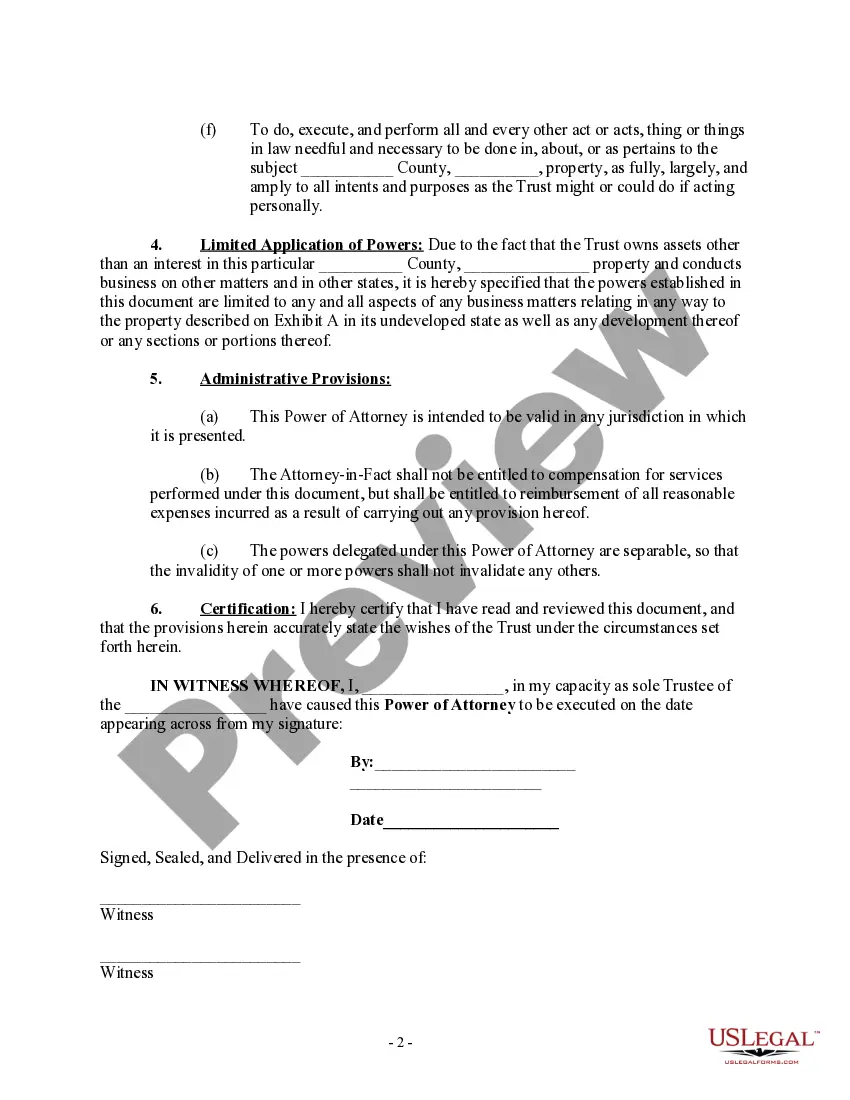


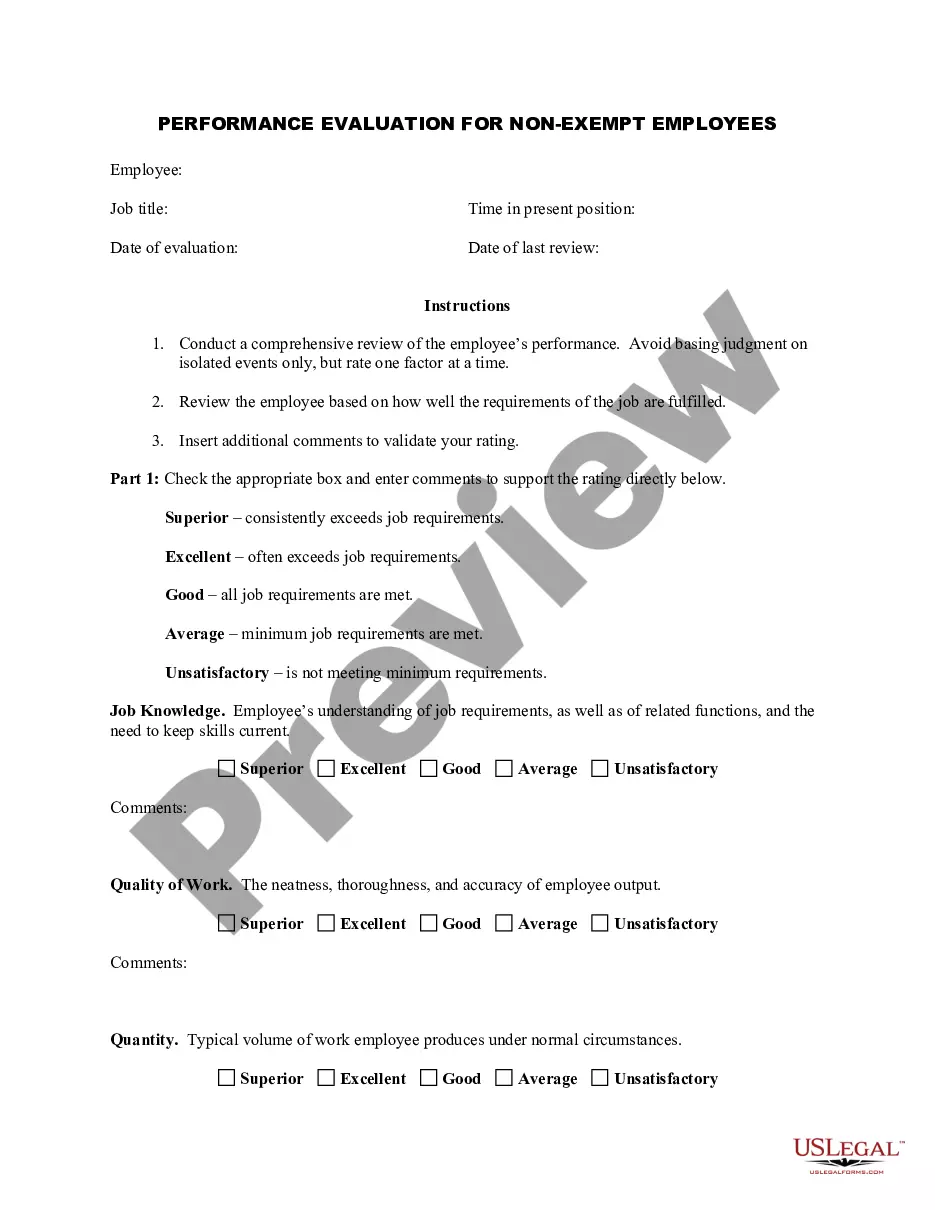
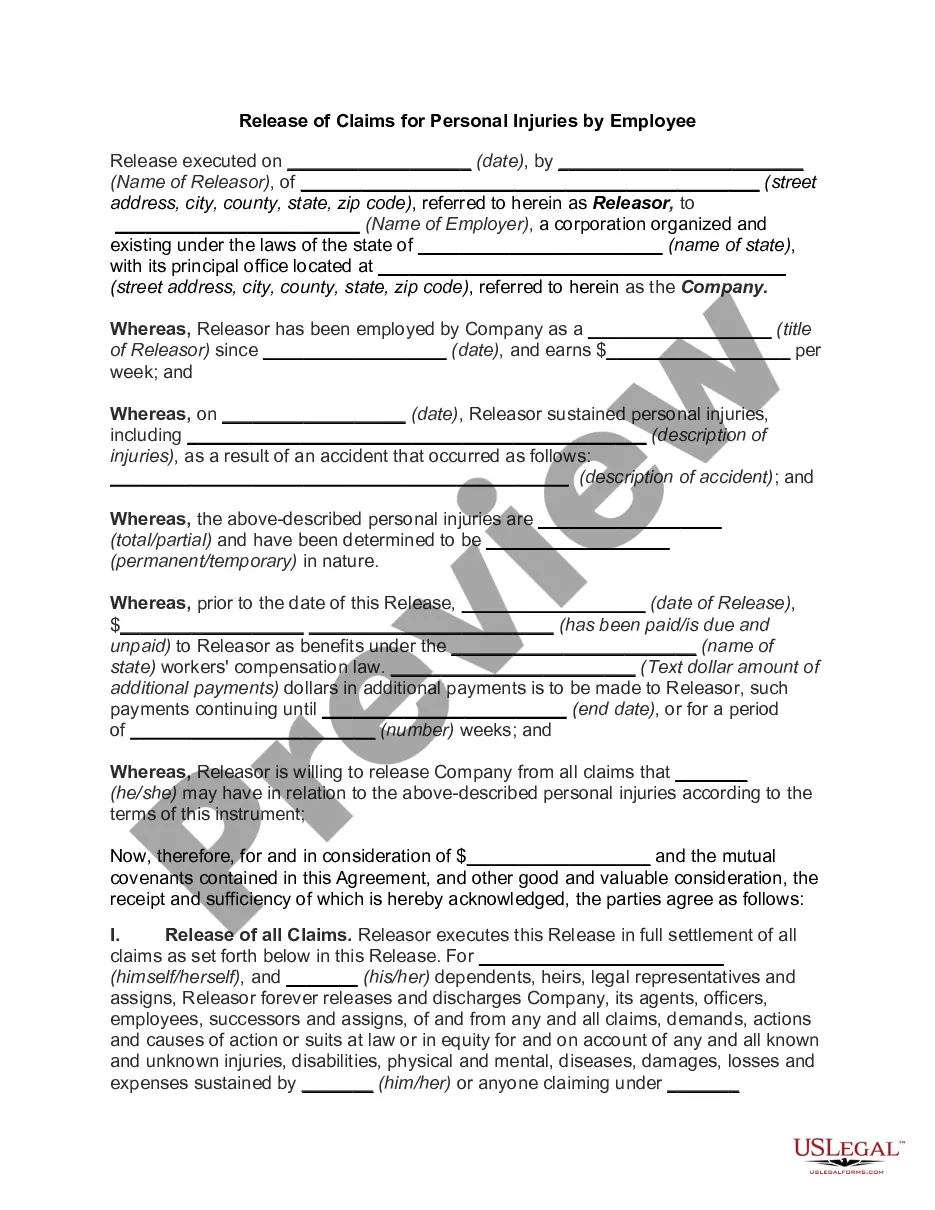
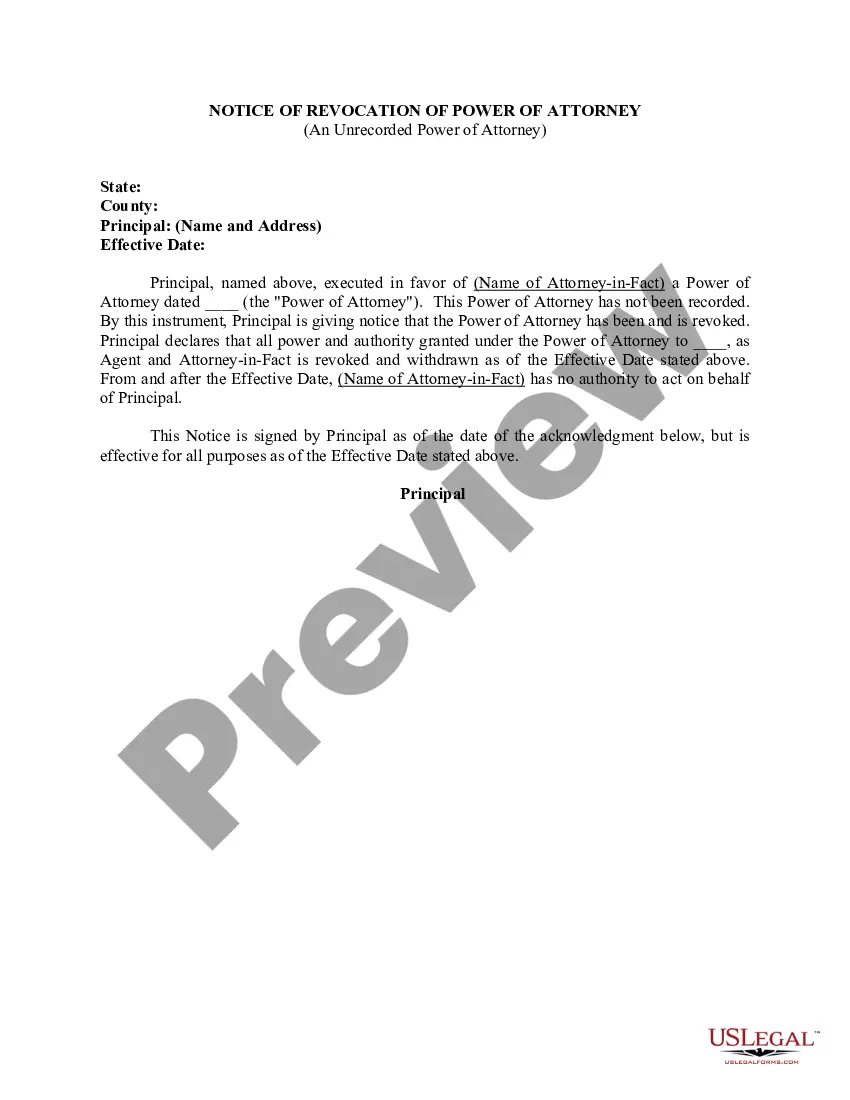
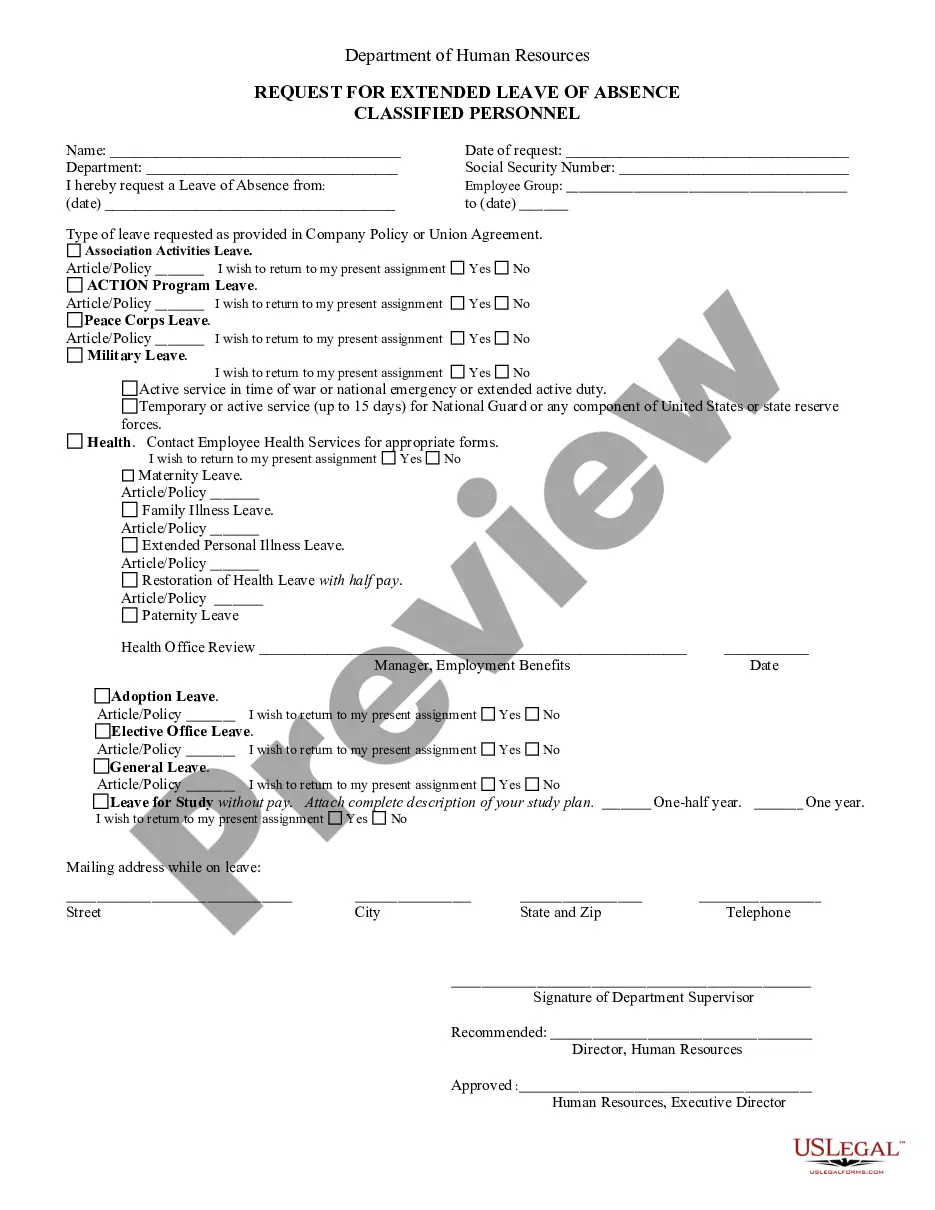
How to fill out Power Of Attorney By Trustee Of Trust?
Utilizing legal document examples that align with federal and local regulations is crucial, and the internet provides numerous choices available.
However, what is the advantage of spending time searching for the correct Trustee Power Of Attorney example online when the US Legal Forms digital library already aggregates such templates in one location.
US Legal Forms is the largest digital legal repository featuring over 85,000 fillable samples crafted by attorneys for various professional and personal situations. They are simple to navigate, with all documents categorized by state and intended usage. Our experts stay current with legal developments, so you can rest assured that your form is recent and compliant when acquiring a Trustee Power Of Attorney from our site.
Once you’ve located the ideal form, click Buy Now and select a subscription plan. Set up an account or sign in and complete your payment using PayPal or a credit card. Choose the best format for your Trustee Power Of Attorney and download it. All documents accessed through US Legal Forms are reusable. To redownload and fill out previously saved forms, visit the My documents tab in your profile. Experience the most extensive and user-friendly legal documentation service!
- Acquiring a Trustee Power Of Attorney is quick and easy for both existing and new users.
- If you already possess an account with an active subscription, Log In and download the template you need in the appropriate format.
- If you are a newcomer to our platform, follow the instructions outlined below.
- Review the template using the Preview feature or through the text description to ensure it meets your requirements.
- Search for an alternative sample using the search bar at the top of the page if needed.
Form popularity
FAQ
General Power of Attorney Format NOW KNOW YOU ALL AND THESE PRESENTS WITNESS that I, the said and do hereby appoint the said Attorney as my true and lawful Attorney with full power and authority to do and execute all acts, deeds, and things as hereinafter mentioned.
The trustee has no choice whether or not to act. If the trustee cannot act or refuses to act, the court can replace the trustee or step in and carry out the wishes of the trustee itself. A power of appointment is fundamentally different because the donee of a power has a discretion whether to act or not.
So, now you know that the Trust Maker holds the most power before the Trust is established, but the Trustee holds the most power after the Trust is established.
Successor Trustee is the person or institution who takes over the management of a living trust property when the original trustee has died or become incapacitated.
A trustee, who can either be the trustor or another responsible party, may be appointed while the trustor is still alive; a successor trustee is charged with administering a trust after the trustor or the appointed trustee (if they are different from the trustor) becomes incapacitated or dies.