Trust Attorney Any Foreign
Description
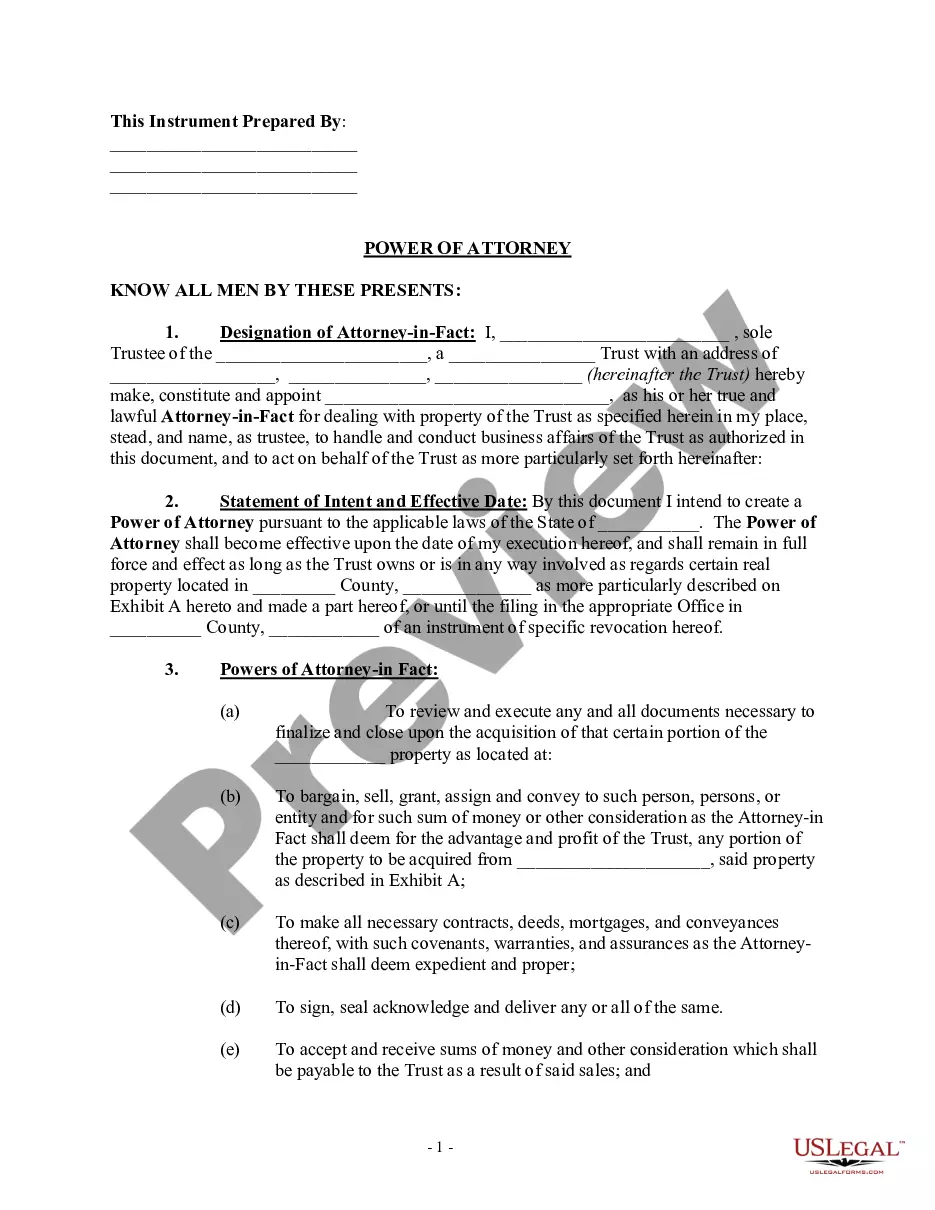
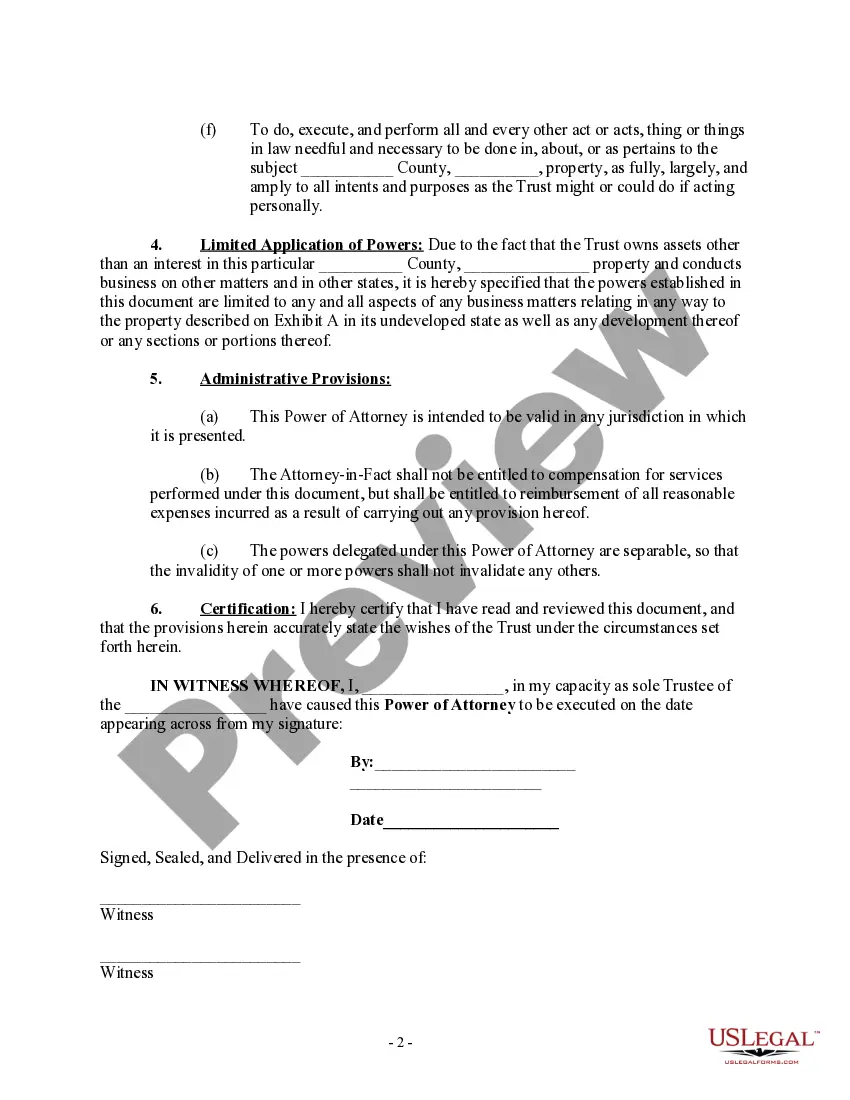


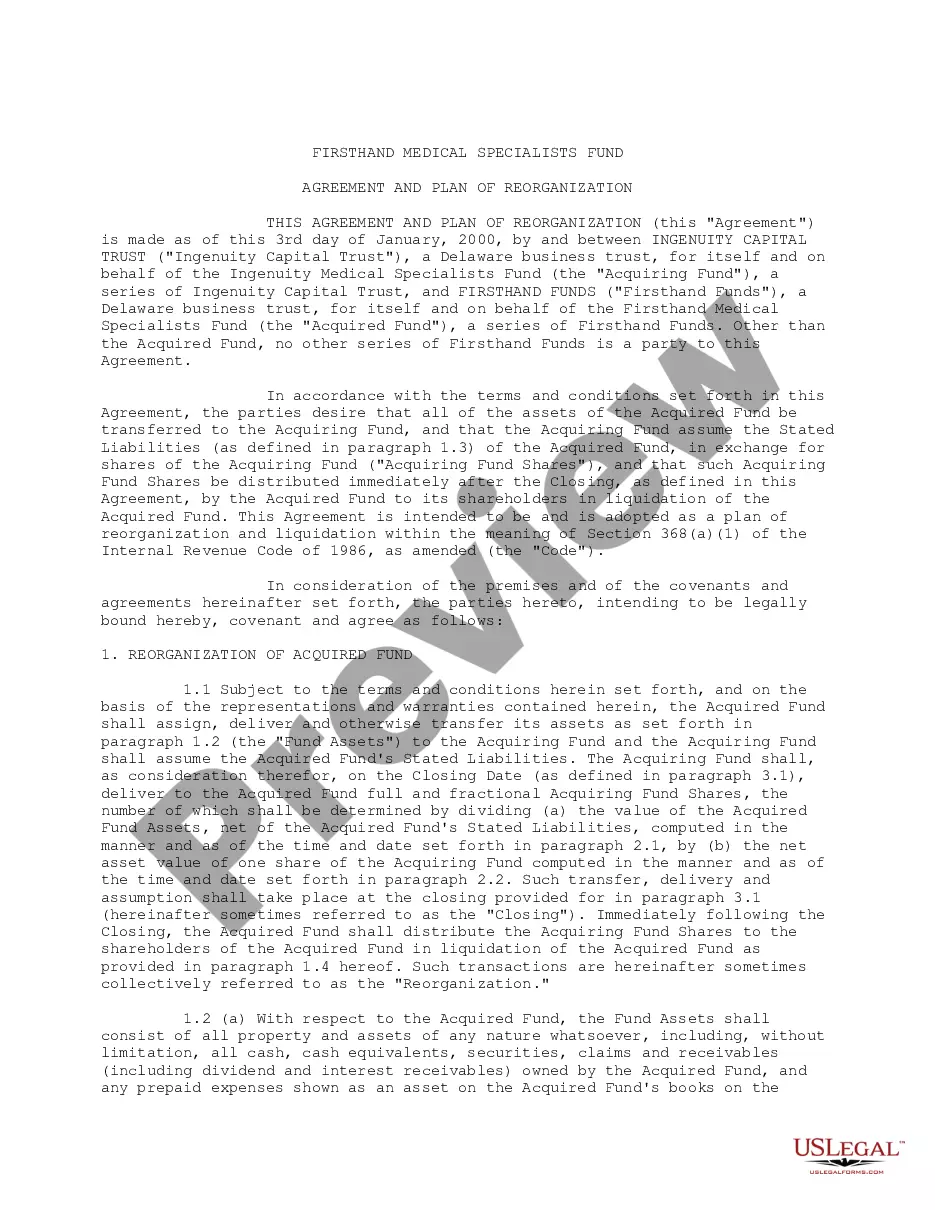
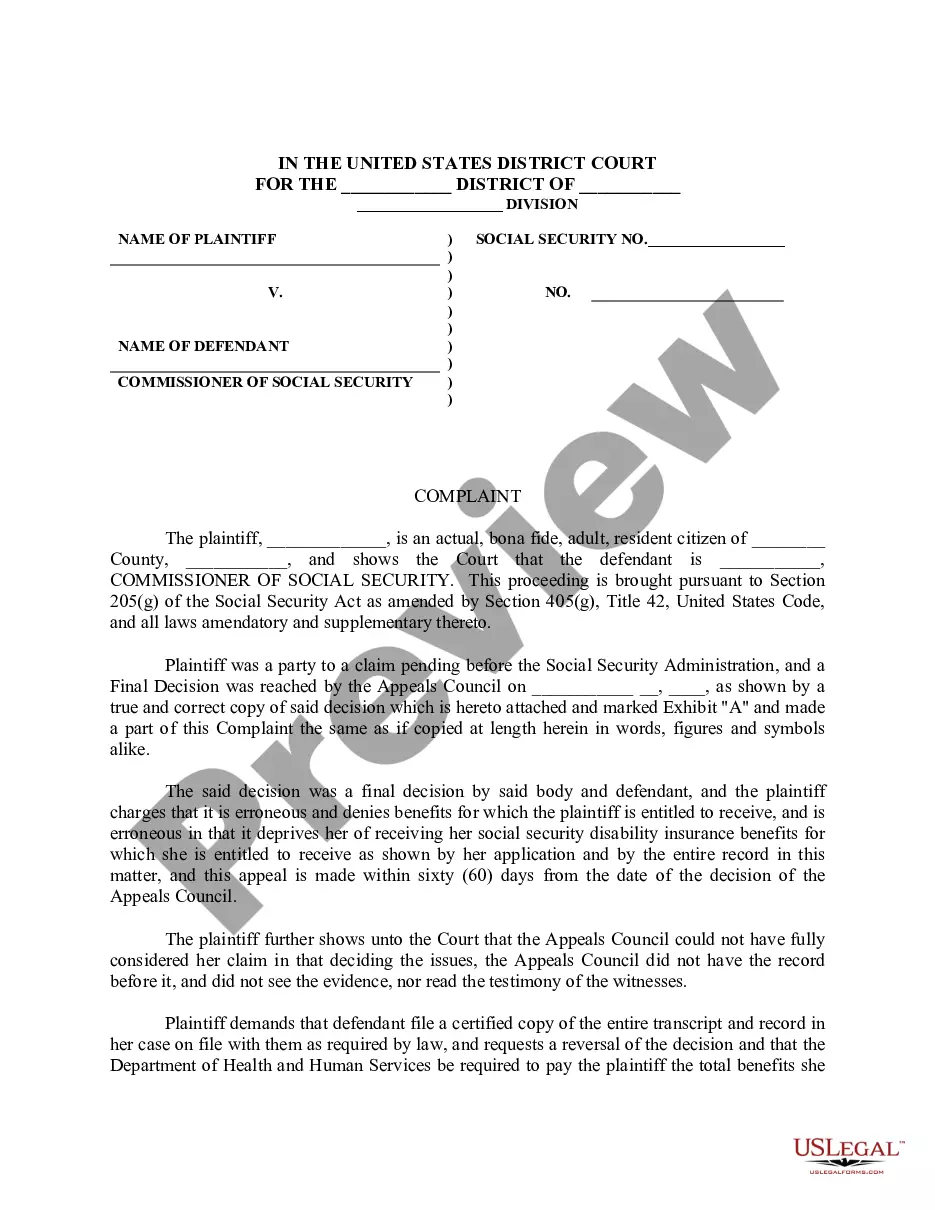
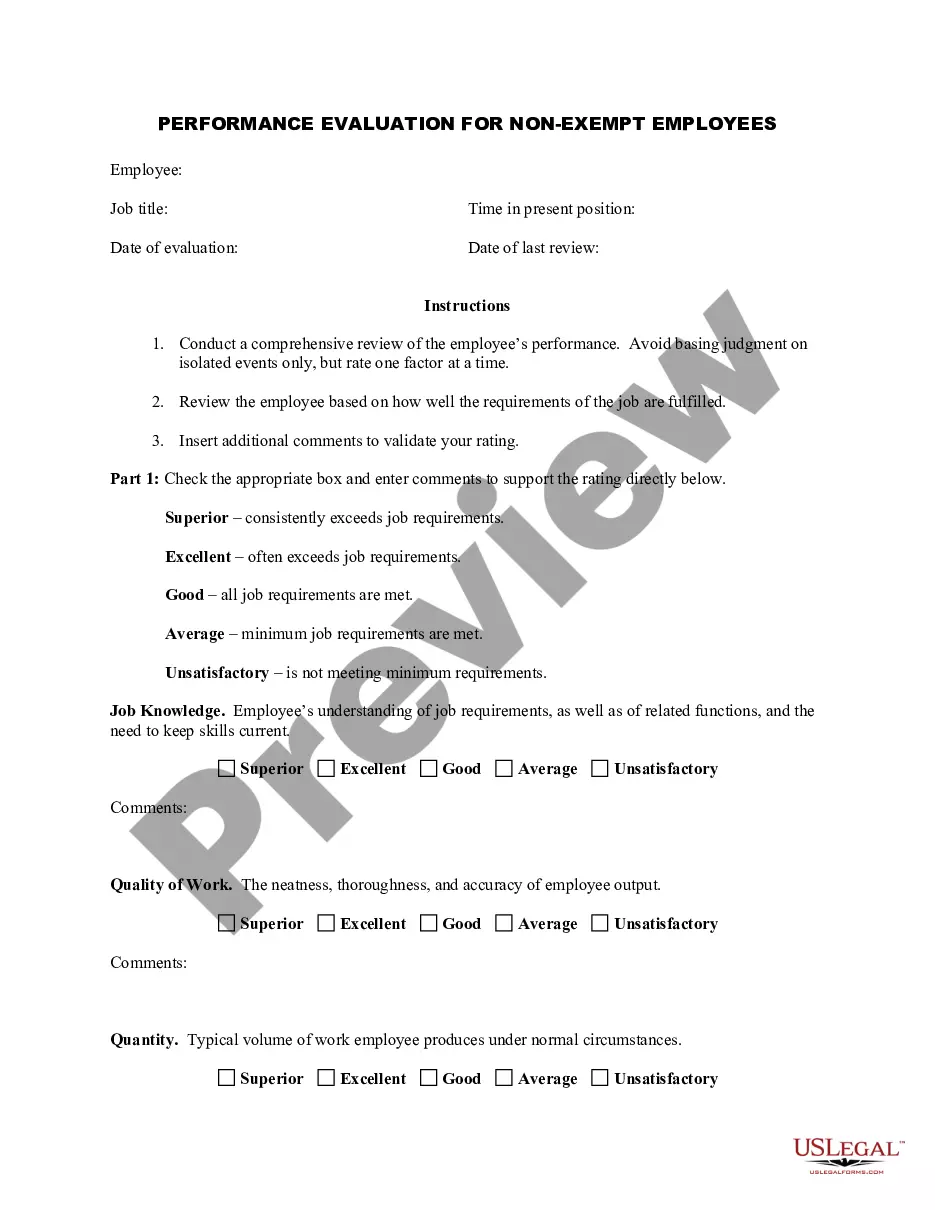
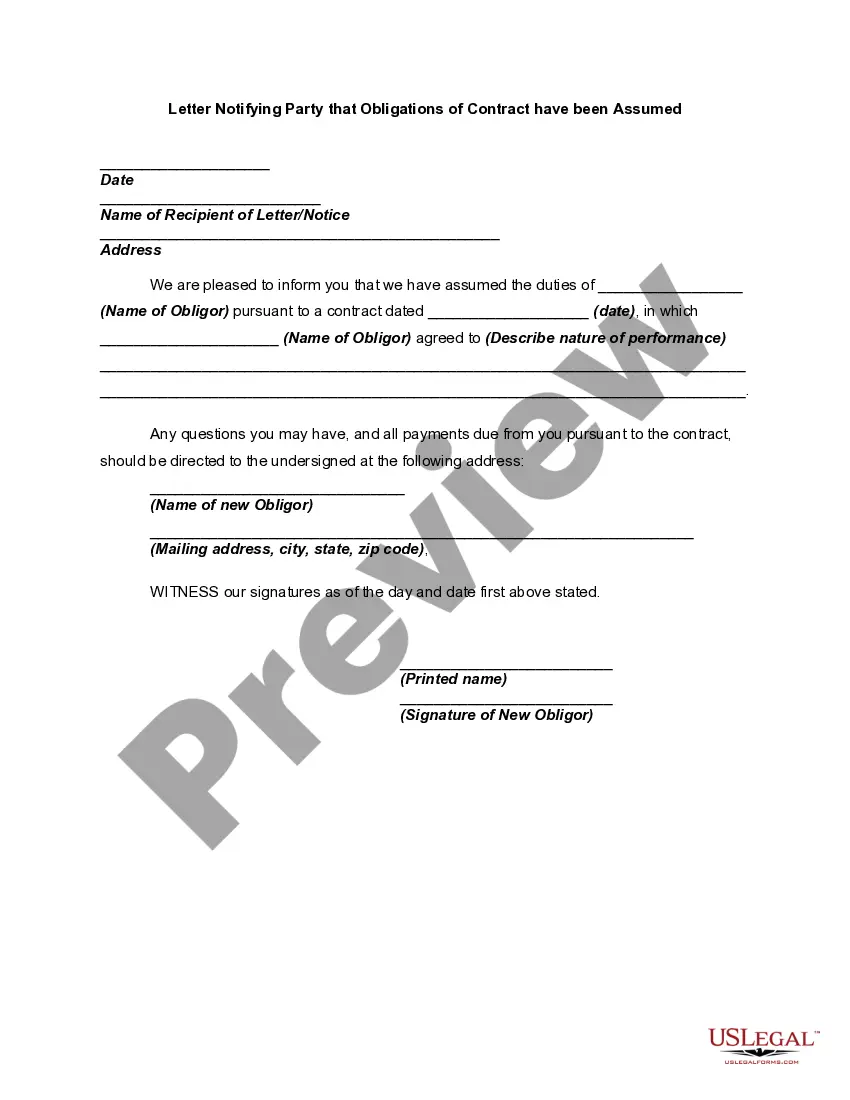
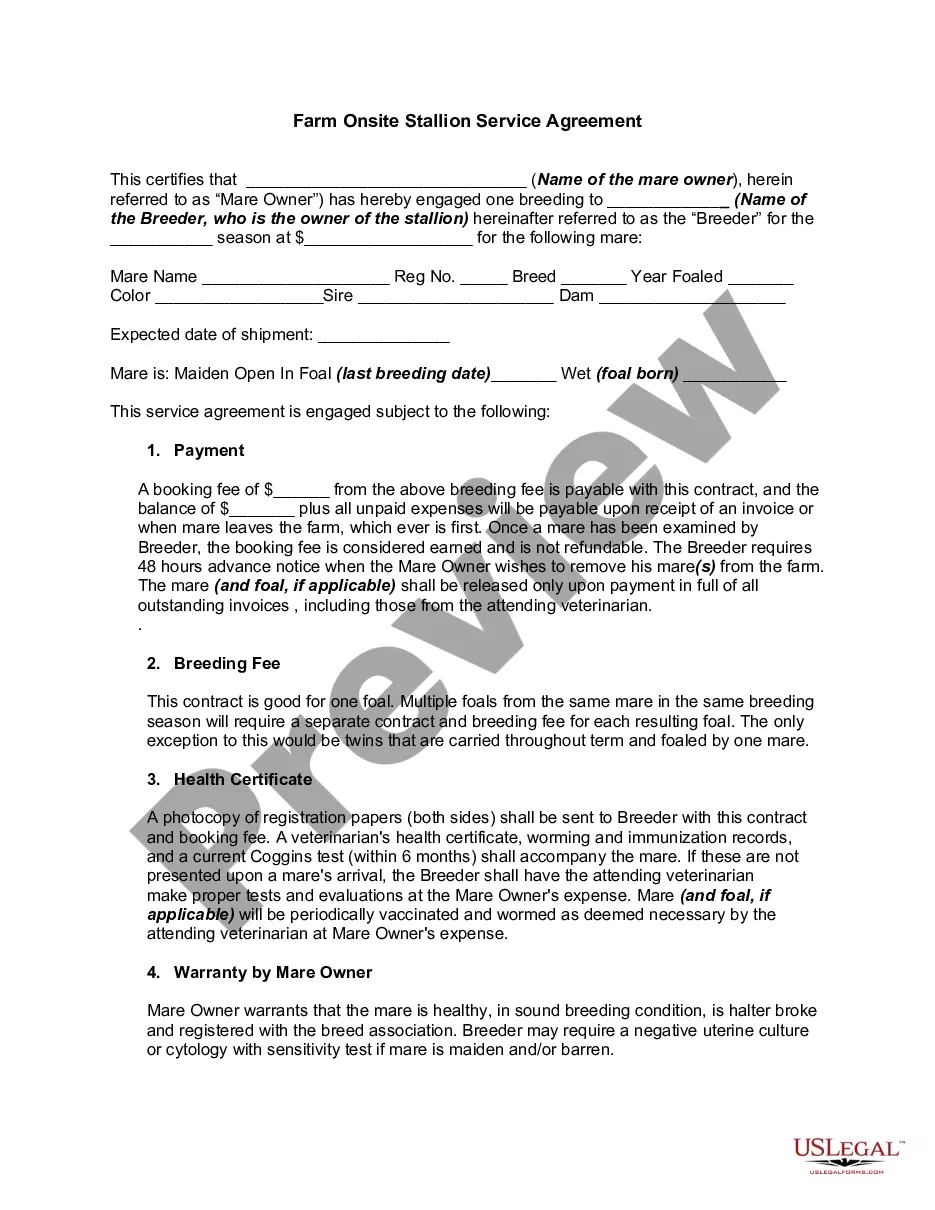


How to fill out Power Of Attorney By Trustee Of Trust?
Finding a go-to place to take the most current and appropriate legal samples is half the struggle of working with bureaucracy. Discovering the right legal papers calls for accuracy and attention to detail, which explains why it is very important to take samples of Trust Attorney Any Foreign only from reputable sources, like US Legal Forms. A wrong template will waste your time and delay the situation you are in. With US Legal Forms, you have little to be concerned about. You can access and see all the information concerning the document’s use and relevance for the situation and in your state or region.
Consider the listed steps to complete your Trust Attorney Any Foreign:
- Make use of the library navigation or search field to locate your template.
- Open the form’s description to ascertain if it suits the requirements of your state and county.
- Open the form preview, if available, to ensure the template is definitely the one you are looking for.
- Get back to the search and find the proper template if the Trust Attorney Any Foreign does not match your requirements.
- If you are positive regarding the form’s relevance, download it.
- If you are an authorized customer, click Log in to authenticate and access your picked templates in My Forms.
- If you do not have a profile yet, click Buy now to get the template.
- Pick the pricing plan that suits your requirements.
- Go on to the registration to finalize your purchase.
- Finalize your purchase by picking a payment method (bank card or PayPal).
- Pick the document format for downloading Trust Attorney Any Foreign.
- When you have the form on your device, you can alter it using the editor or print it and finish it manually.
Eliminate the inconvenience that accompanies your legal documentation. Discover the extensive US Legal Forms catalog to find legal samples, examine their relevance to your situation, and download them on the spot.
Form popularity
FAQ
Trust Structures Available for Foreign Investors When establishing a trust to own U.S. real estate, foreign buyers must decide whether to form a grantor or non-grantor trust and whether it should be the U.S. or foreign trust. Each of these decisions has important income and estate tax consequences.
In addition to the withholding requirement, naming a beneficiary who resides in a foreign country may allow the foreign country to tax the property and accounts of the trust. In most cases, a foreign person is subject to US tax on its US source income.
You can add foreign assets to a living trust, but the process is not easy. You will need a foreign lawyer to help you transfer the foreign assets into the trust. You may also need the foreign lawyer to create a new trust for the assets located in the foreign country.
The trustee can be an individual, a corporate trustee, or a combination of both. Naming a trusted family member has some advantages, but a corporate trustee has expertise that a family member typically doesn't have.
While you can choose a non-citizen trustee, you should look for someone who is, at minimum, a resident of the United States to be your trust's fiduciary. You want to avoid the risk of your trust being classified as a foreign trust for federal or California tax purposes.