Confidentiality Agreement Form For Counseling
Description

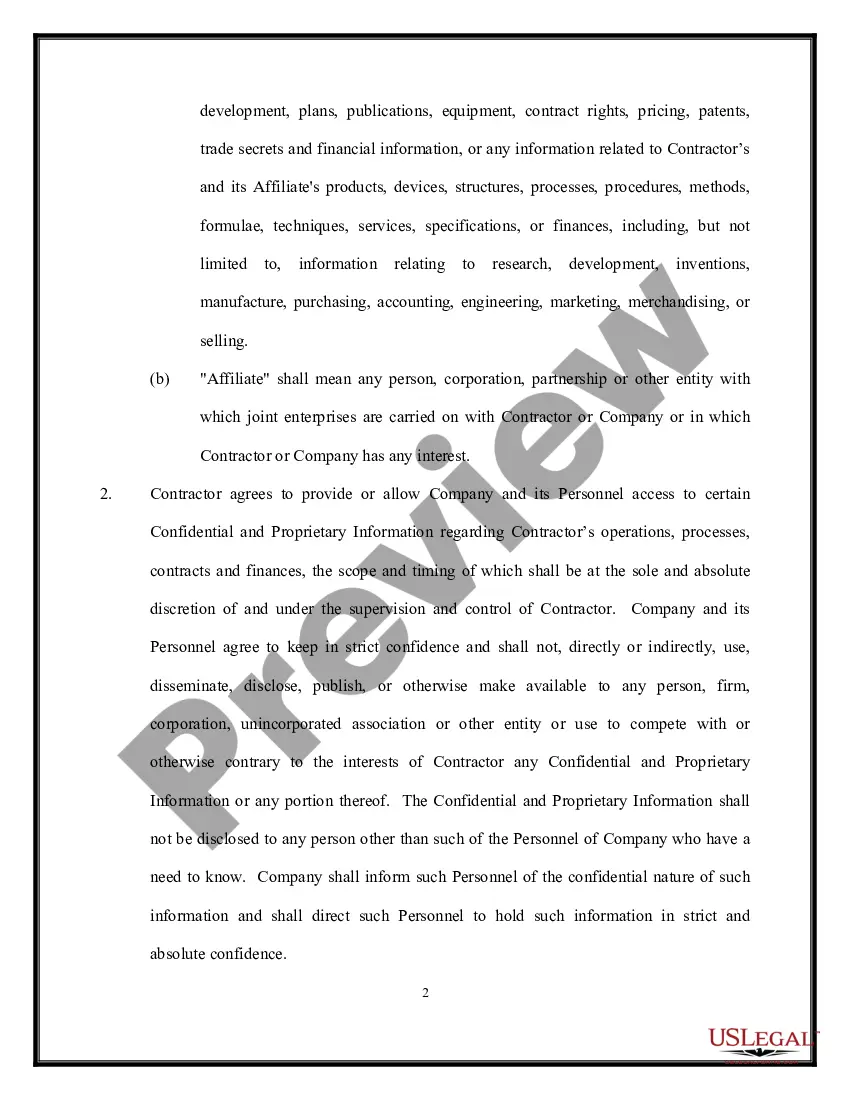
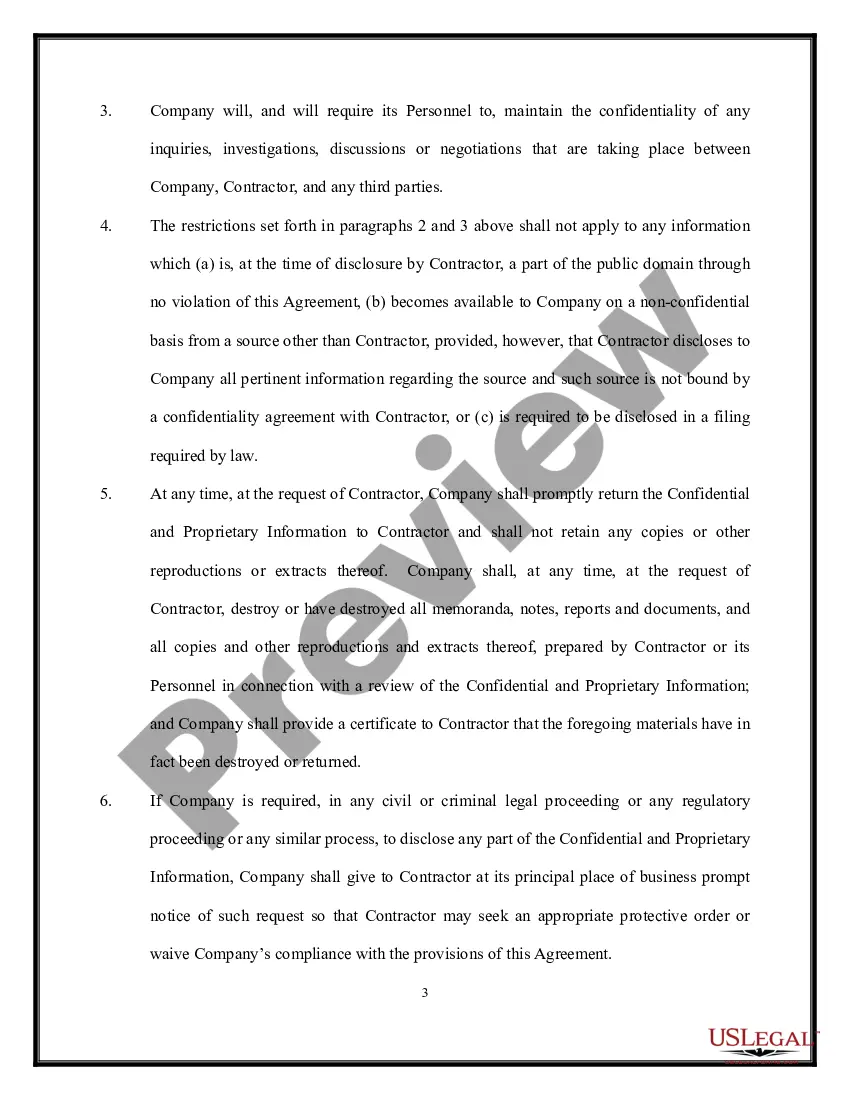
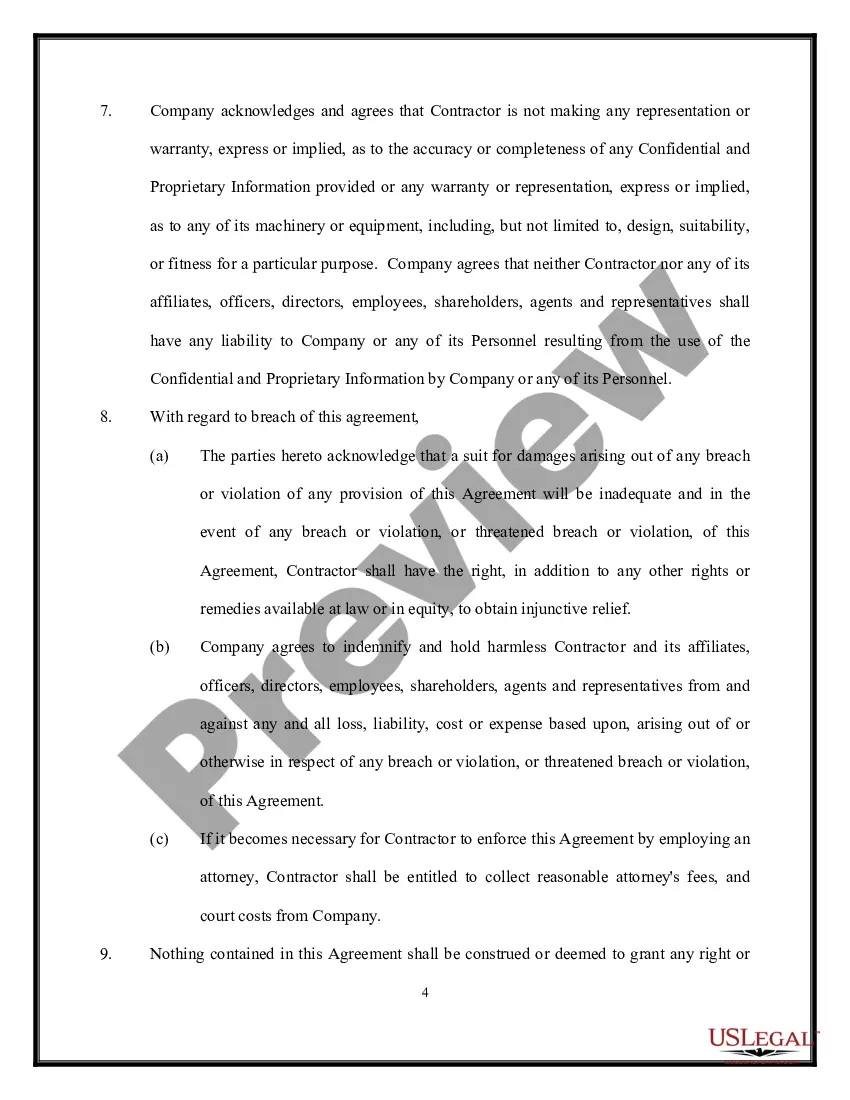
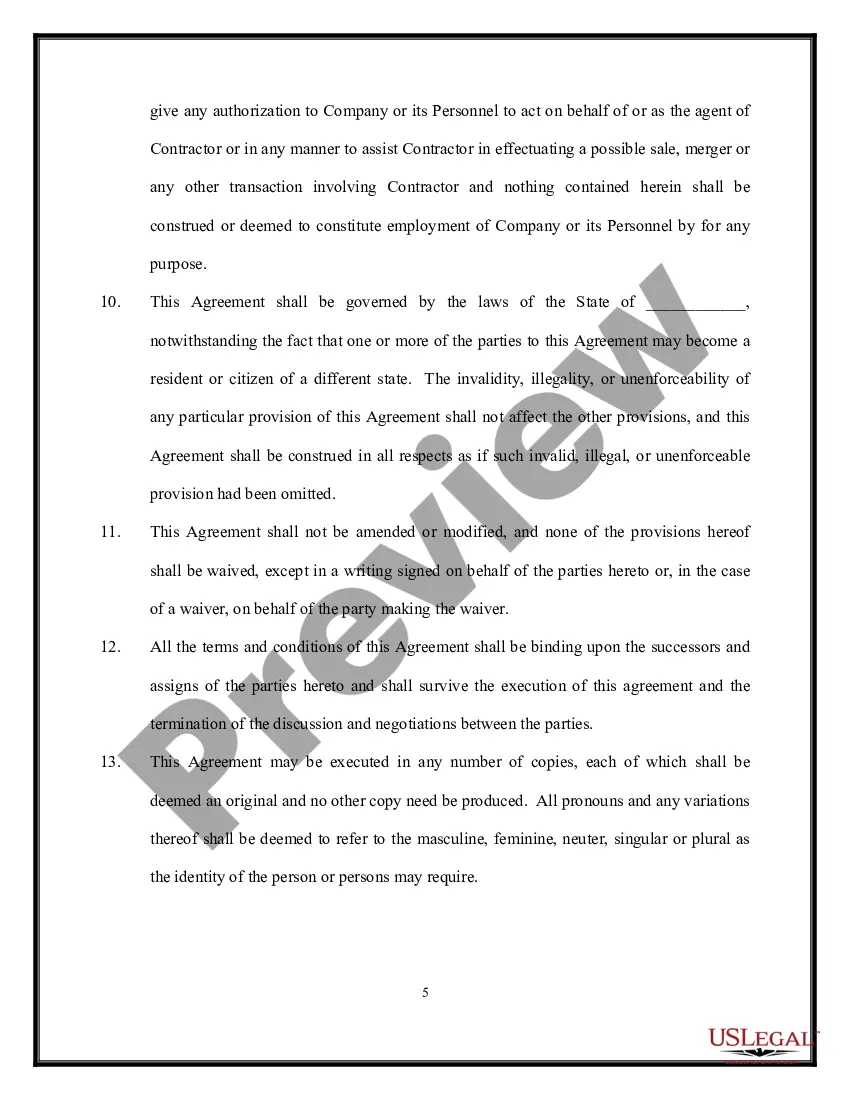
Get your form ready online
Our built-in tools help you complete, sign, share, and store your documents in one place.
Make edits, fill in missing information, and update formatting in US Legal Forms—just like you would in MS Word.
Download a copy, print it, send it by email, or mail it via USPS—whatever works best for your next step.
Sign and collect signatures with our SignNow integration. Send to multiple recipients, set reminders, and more. Go Premium to unlock E-Sign.
If this form requires notarization, complete it online through a secure video call—no need to meet a notary in person or wait for an appointment.
We protect your documents and personal data by following strict security and privacy standards.

Make edits, fill in missing information, and update formatting in US Legal Forms—just like you would in MS Word.

Download a copy, print it, send it by email, or mail it via USPS—whatever works best for your next step.

Sign and collect signatures with our SignNow integration. Send to multiple recipients, set reminders, and more. Go Premium to unlock E-Sign.

If this form requires notarization, complete it online through a secure video call—no need to meet a notary in person or wait for an appointment.

We protect your documents and personal data by following strict security and privacy standards.
Looking for another form?





How to fill out Nondisclosure And Confidentiality Agreement - Potential Purchase?
Individuals often link legal documentation with something complex that only an expert can handle.
In a certain sense, this is accurate, as creating a Confidentiality Agreement Form For Counseling requires significant knowledge in subject matters, including state and local regulations.
However, thanks to US Legal Forms, everything has become more straightforward: pre-made legal forms for any life and business situation tailored to state laws are compiled in a single online library and are now accessible to everyone.
All templates in our collection are reusable: once acquired, they remain saved in your profile. You can access them whenever necessary via the My documents tab. Discover all the benefits of using the US Legal Forms platform. Subscribe today!
- Scrutinize the page content thoroughly to ensure it meets your requirements.
- Review the form description or check it through the Preview option.
- Search for another sample utilizing the Search field in the header if the previous one isn't satisfactory.
- Click Buy Now once you identify the suitable Confidentiality Agreement Form For Counseling.
- Select a subscription plan that aligns with your needs and budget.
- Create an account or Log In to proceed to the payment page.
- Complete your subscription payment via PayPal or with your credit card.
- Choose the format for your file and click Download.
Form popularity
FAQ
A confidentiality agreement (also called a nondisclosure agreement or NDA) is a legally binding contract in which a person or business promises to treat specific information as a trade secret and promises not to disclose the secret to others without proper authorization.
I agree to treat as confidential all information about clients or former clients and their families that I learn during the performance of my duties as (position title), and I understand that it would be a violation of policy to disclose such information to anyone without checking first with my
Typically, a legal professional writing the NDA will complete these steps:Step 1 - Describe the scope. Which information is considered confidential?Step 2 - Detail party obligations.Step 3 - Note potential exclusions.Step 4 - Set the term.Step 5 - Spell out consequences.
Most of the mandatory exceptions to confidentiality are well known and understood. They include reporting child, elder and dependent adult abuse, and the so-called "duty to protect." However, there are other, lesserknown exceptions also required by law. Each will be presented in turn.
Counselling is confidential, even if a third-party (such as an employer or family member) is paying for it. So, you have the same rights to confidentiality, whoever foots the bill. We have to share some information to get paid. Typically, this is a confirmation of your attendance and participation (or otherwise).