Agreement Between Partnership For Restaurant Business In Fulton
Description

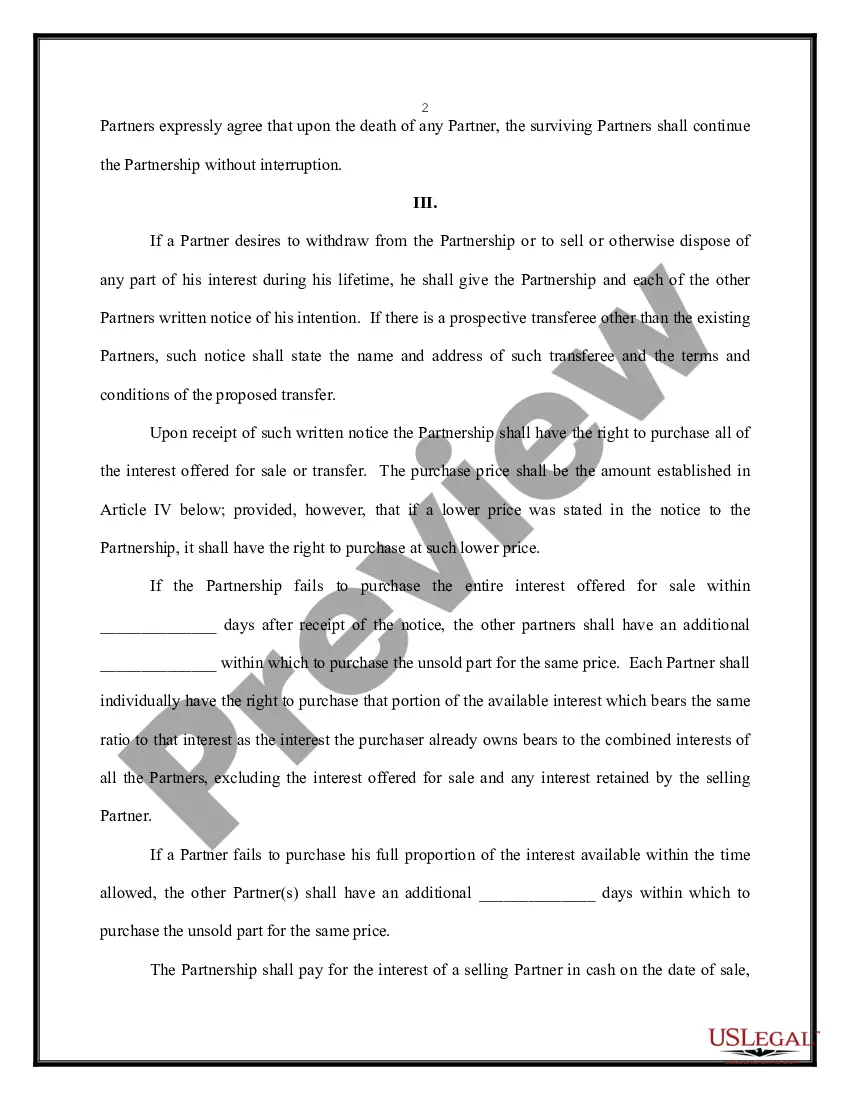
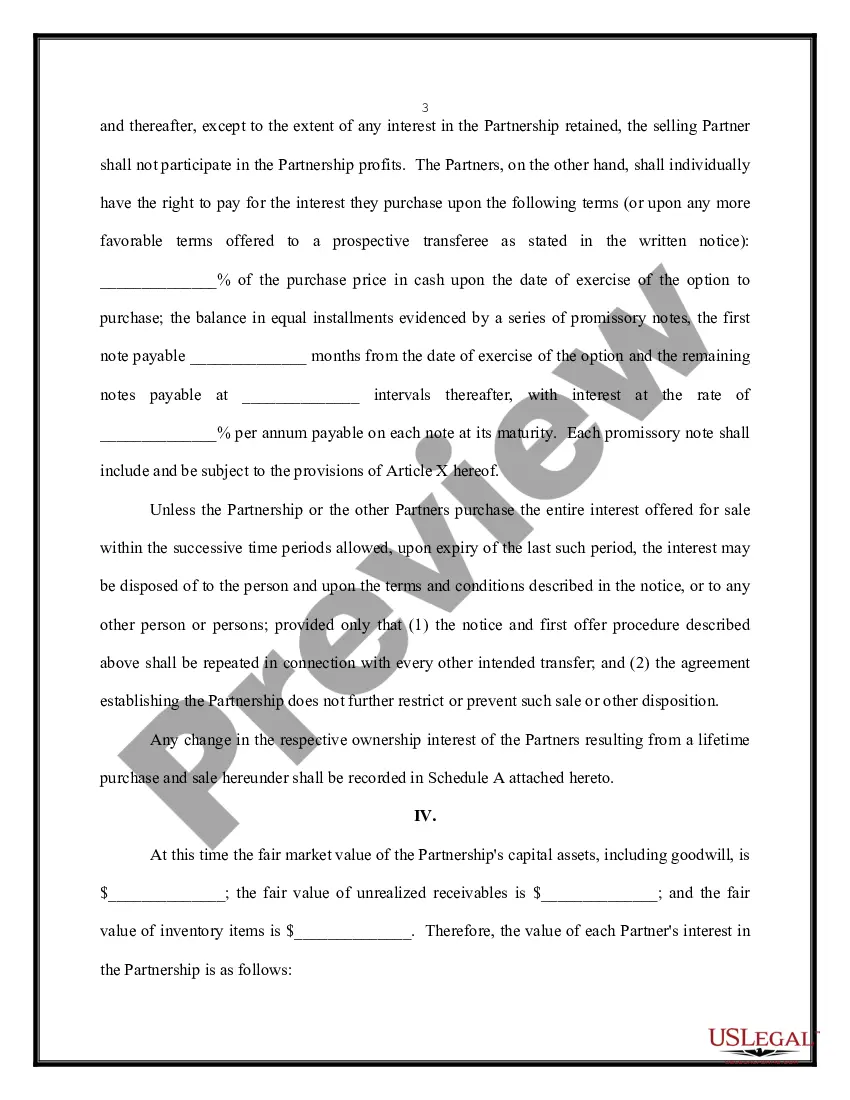
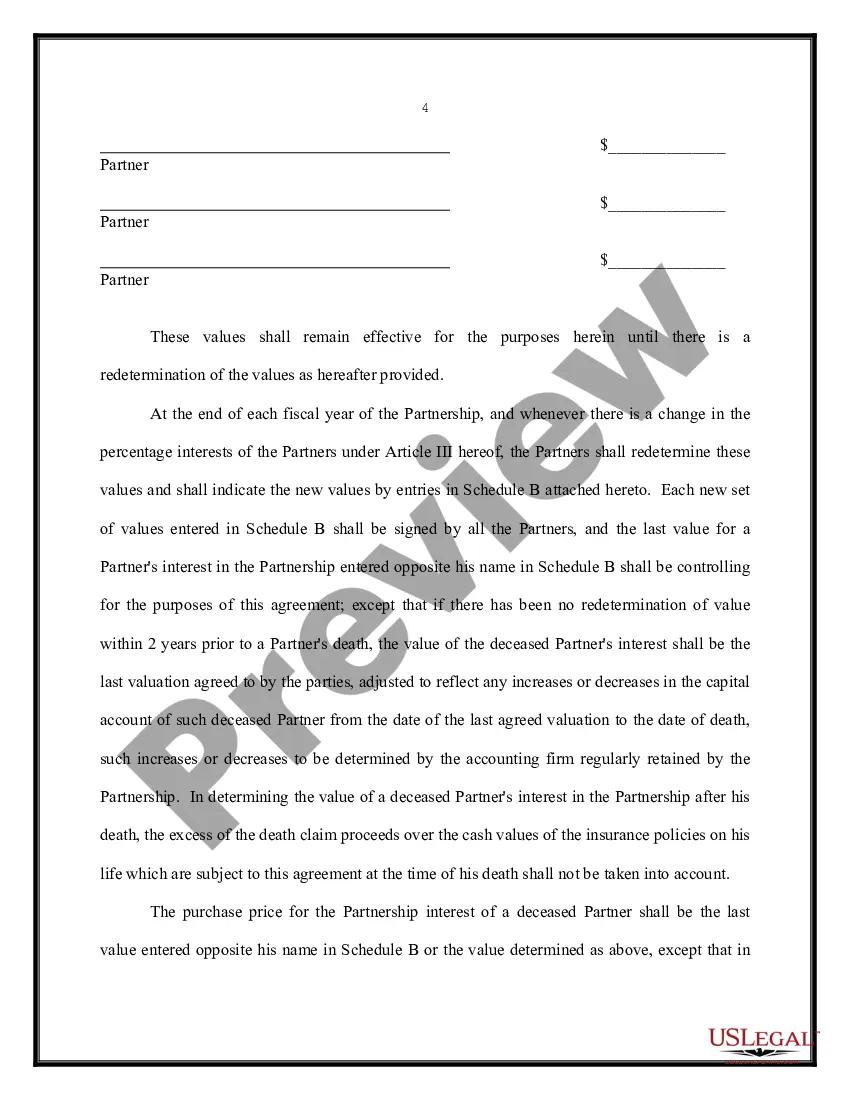
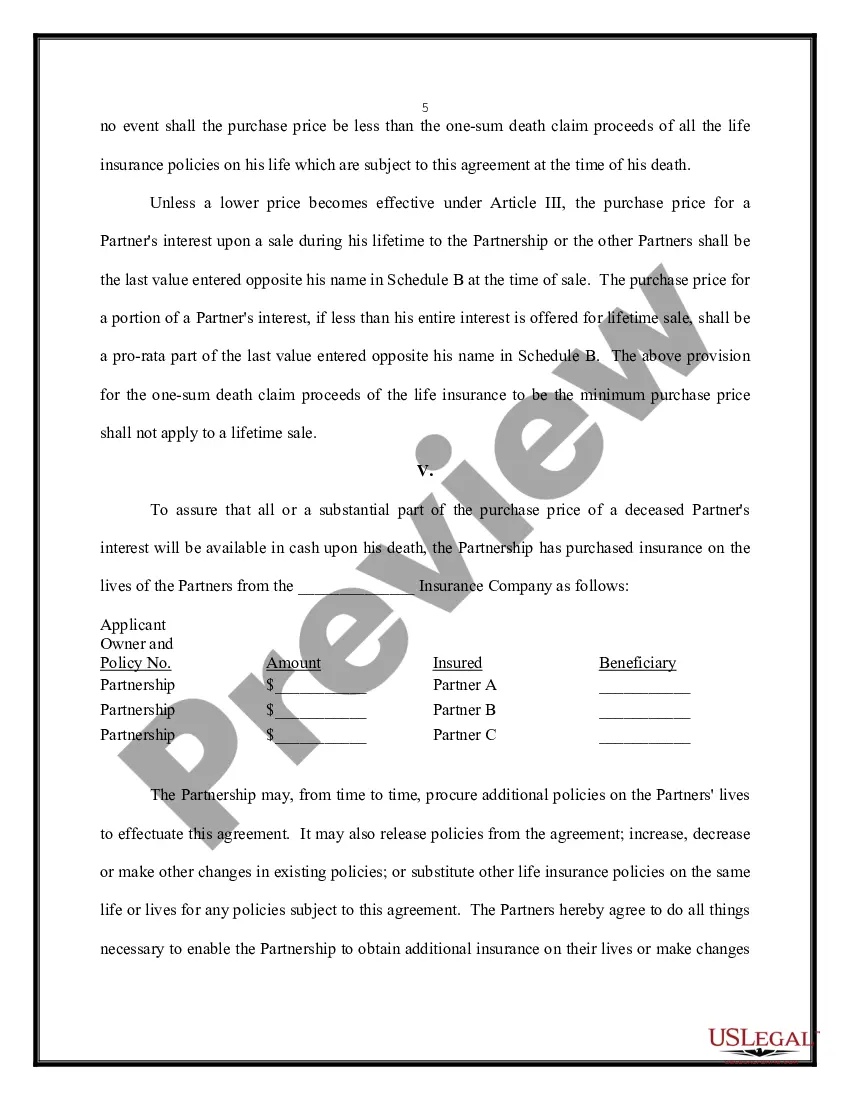
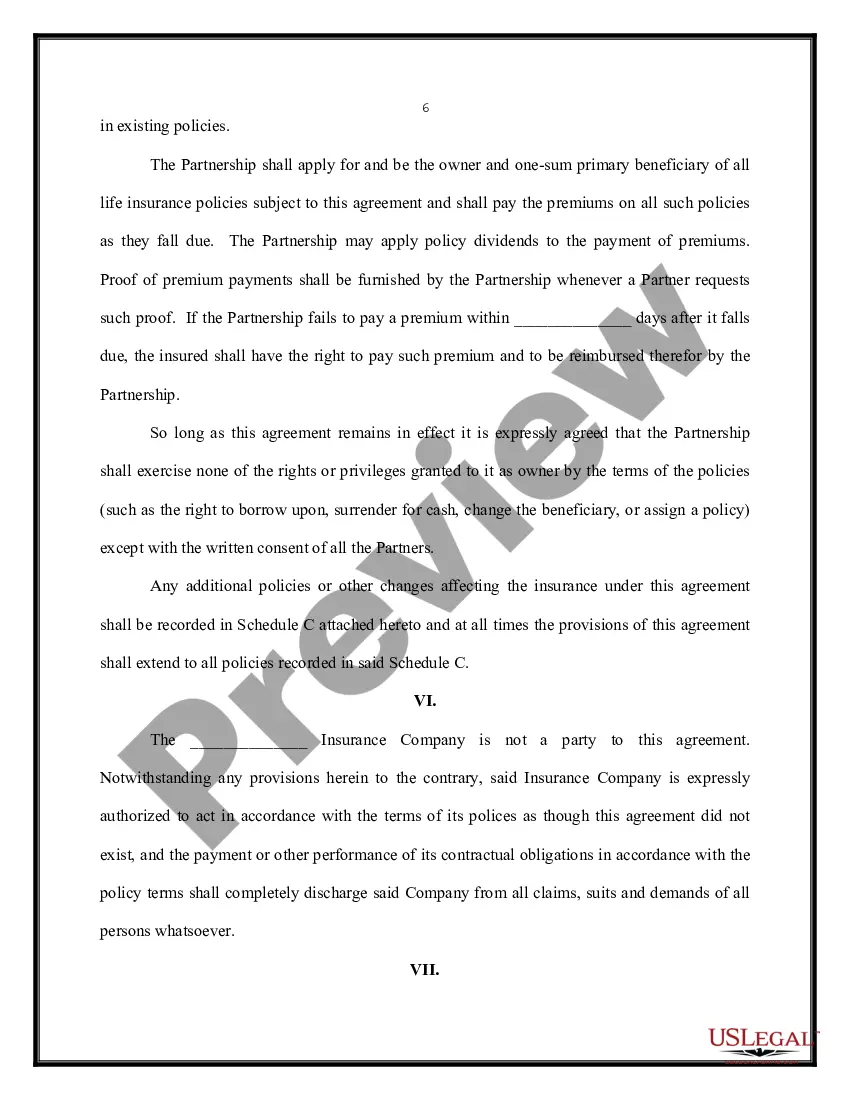
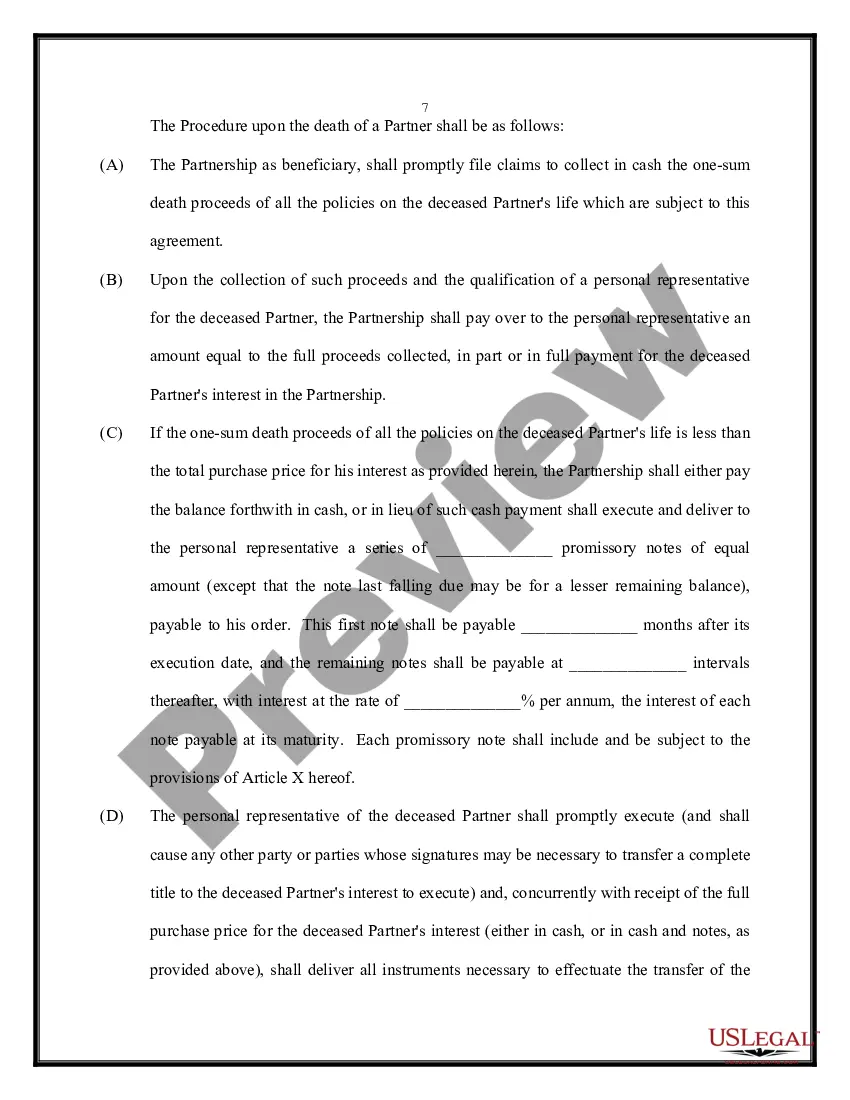
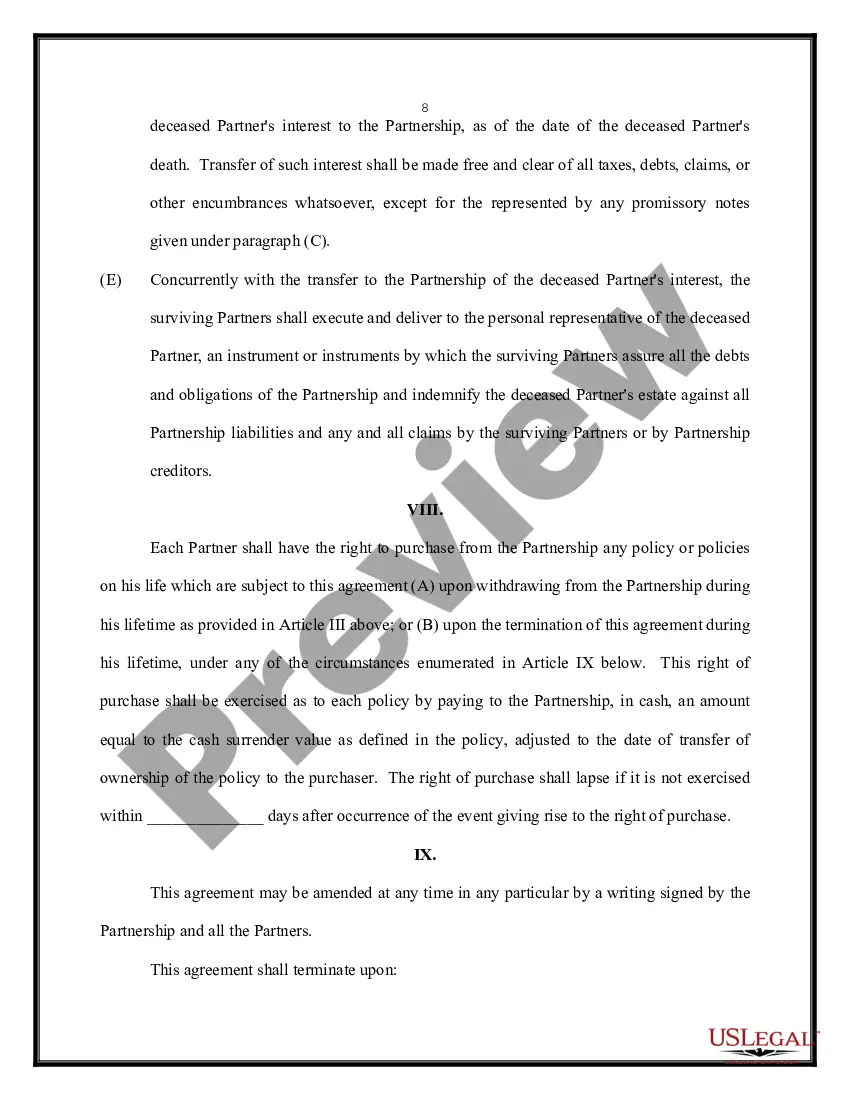
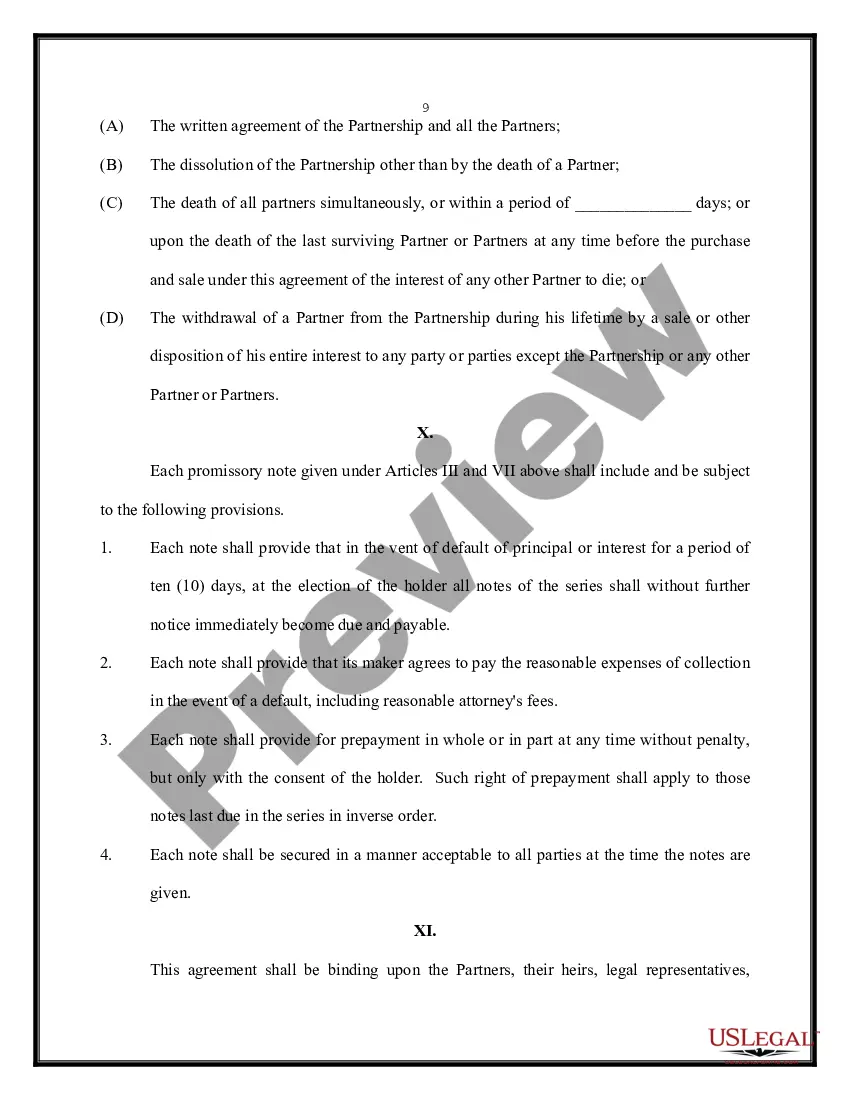
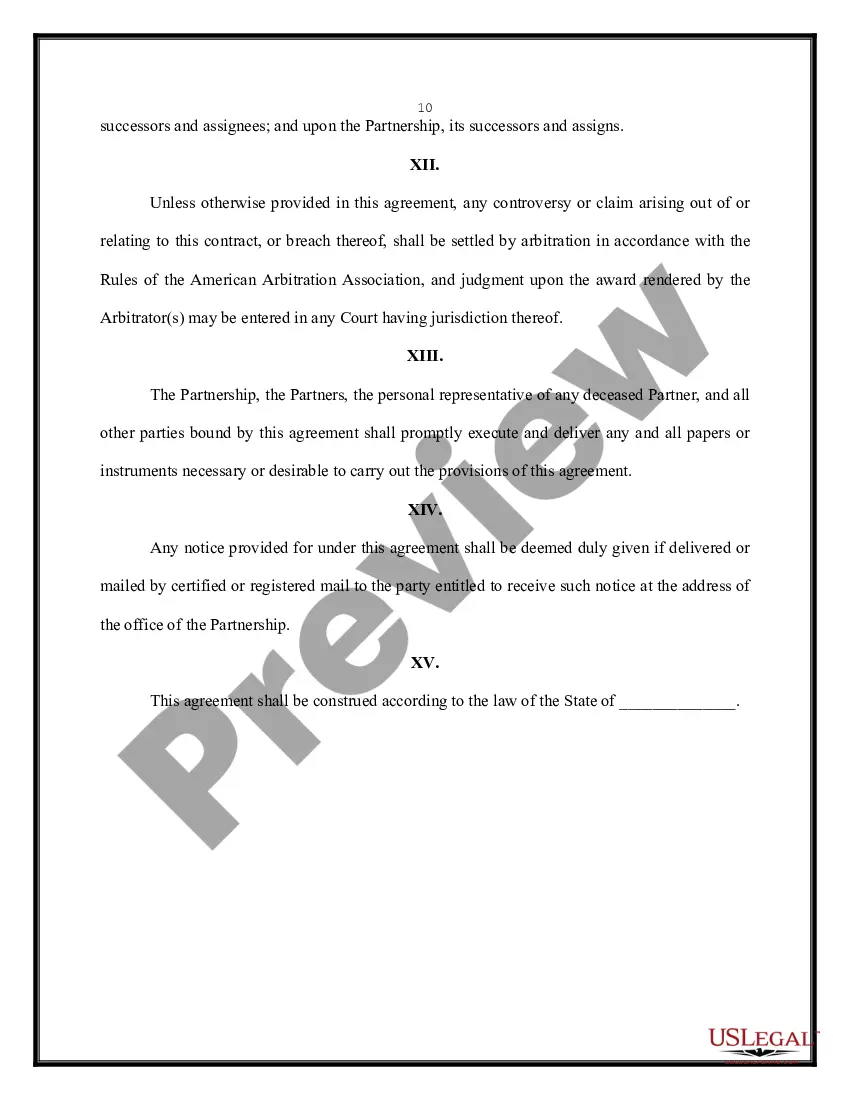


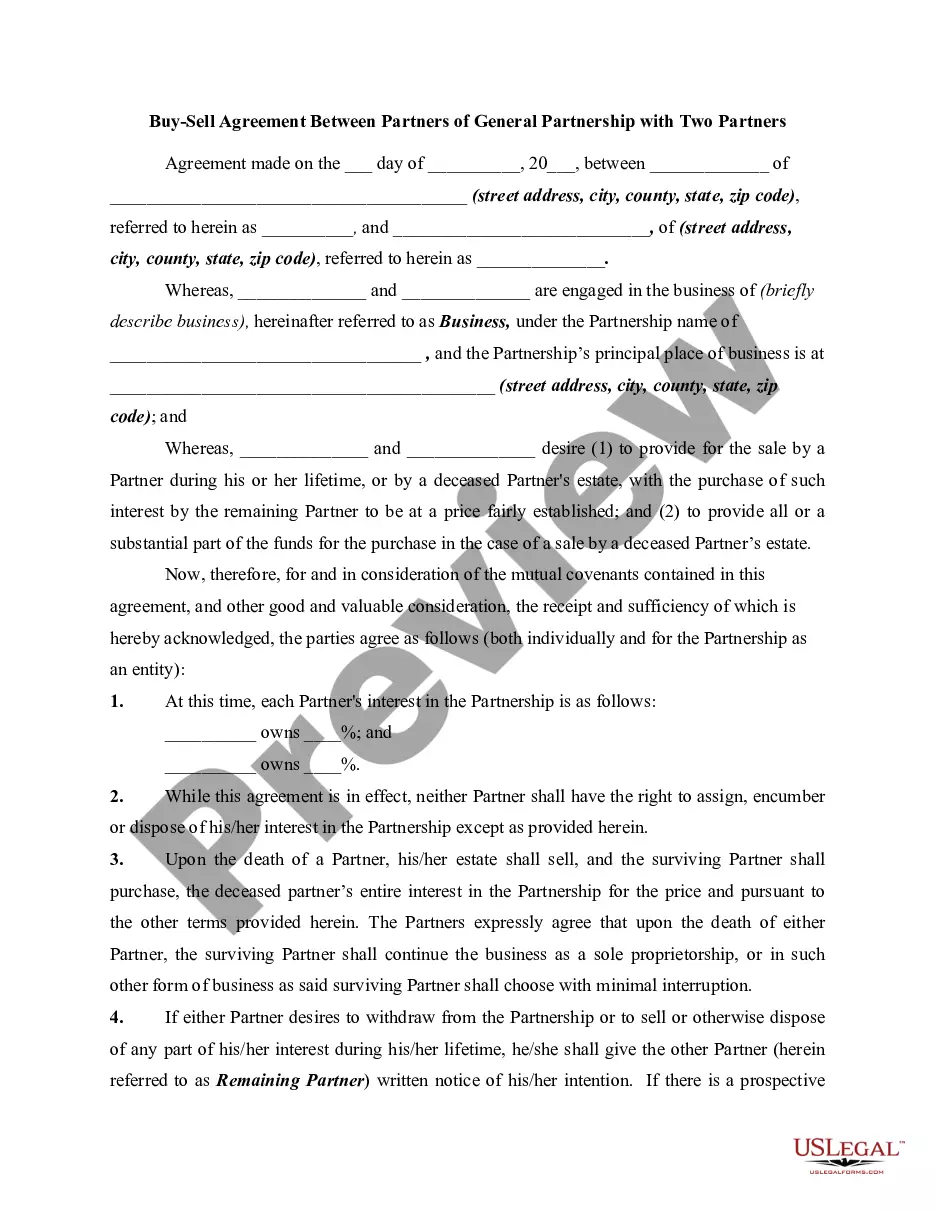
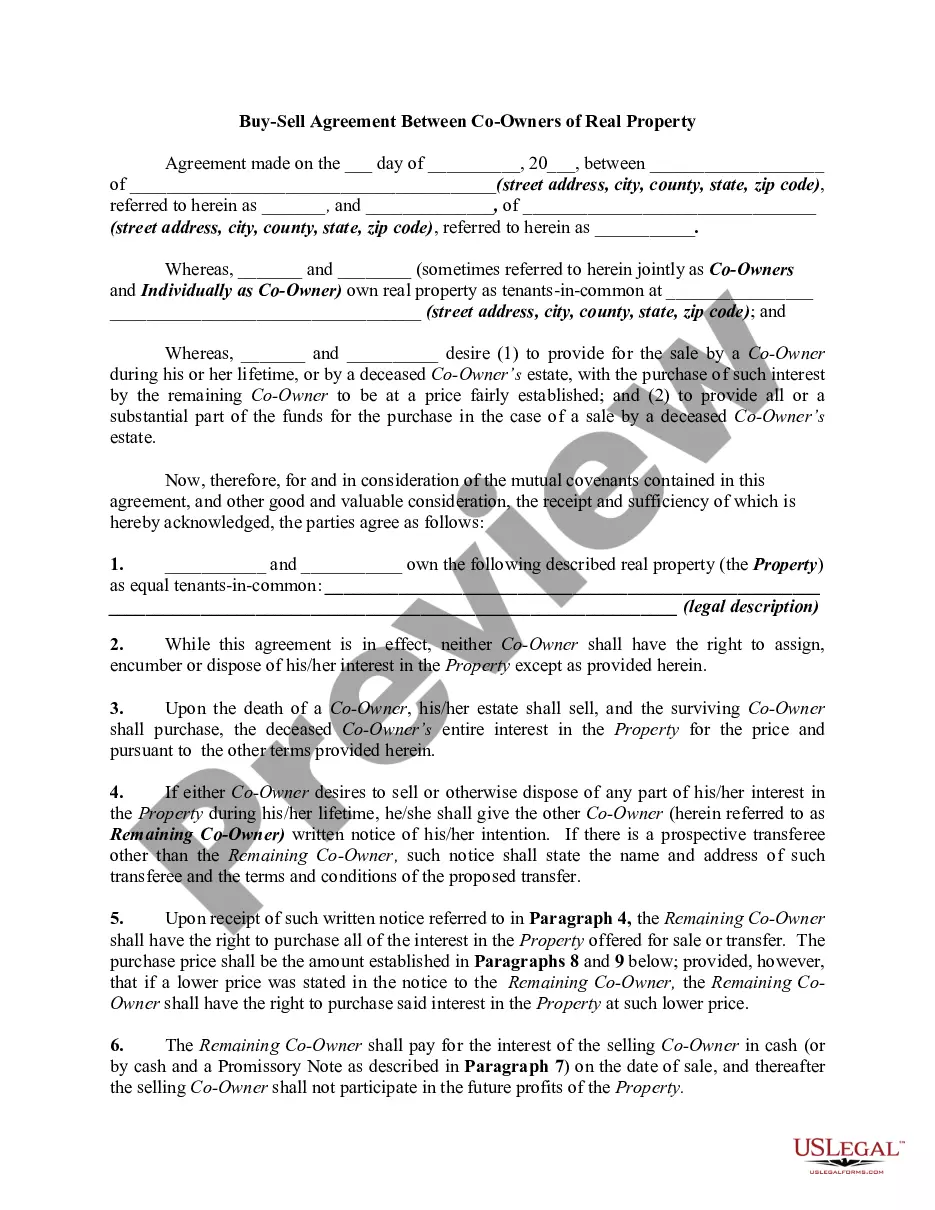
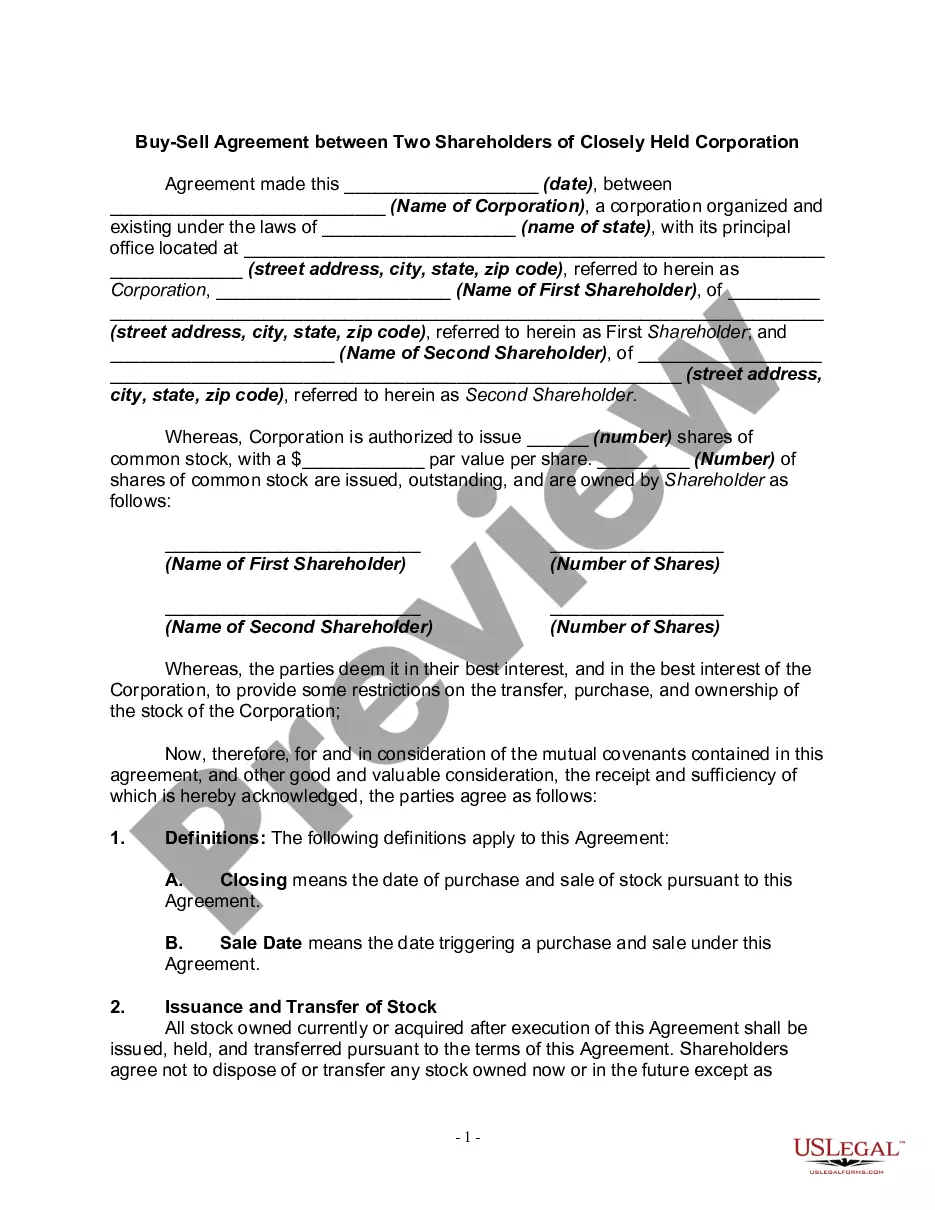
Get your form ready online
Our built-in tools help you complete, sign, share, and store your documents in one place.
Make edits, fill in missing information, and update formatting in US Legal Forms—just like you would in MS Word.
Download a copy, print it, send it by email, or mail it via USPS—whatever works best for your next step.
Sign and collect signatures with our SignNow integration. Send to multiple recipients, set reminders, and more. Go Premium to unlock E-Sign.
If this form requires notarization, complete it online through a secure video call—no need to meet a notary in person or wait for an appointment.
We protect your documents and personal data by following strict security and privacy standards.

Make edits, fill in missing information, and update formatting in US Legal Forms—just like you would in MS Word.

Download a copy, print it, send it by email, or mail it via USPS—whatever works best for your next step.

Sign and collect signatures with our SignNow integration. Send to multiple recipients, set reminders, and more. Go Premium to unlock E-Sign.

If this form requires notarization, complete it online through a secure video call—no need to meet a notary in person or wait for an appointment.

We protect your documents and personal data by following strict security and privacy standards.
Looking for another form?
Form popularity
FAQ
10 Restaurant Collaboration Ideas Made to Energize Your Promotion Strategy Partner with a local winery or brewery. Add third-party desserts to the menu. Participate in music and food festivals. Join local platforms and forums. Deliver a treat box to other local business owners. Partner with hotels and Airbnbs.
How to form a partnership: 10 steps to success Choose your partners. Determine your type of partnership. Come up with a name for your partnership. Register the partnership. Determine tax obligations. Apply for an EIN and tax ID numbers. Establish a partnership agreement. Obtain licenses and permits, if applicable.
How to Write a Partnership Agreement Define Partnership Structure. Outline Capital Contributions and Ownership. Detail Profit, Loss, and Distribution Arrangements. Set Decision-Making and Management Protocols. Plan for Changes and Contingencies. Include Legal Provisions and Finalize the Agreement.
Written partnership agreements are not required by law, but whenever you and at least one other person decide to go into business together, you should draft one as soon as possible.
Kickstart your new business in minutes There are three relatively common partnership types: general partnership (GP), limited partnership (LP) and limited liability partnership (LLP). A fourth, the limited liability limited partnership (LLLP), is not recognized in all states.
How do I create a Partnership Agreement? Provide partnership details. Start by specifying the industry you're in and what type of business you'll run. Detail the capital contributions of each partner. Outline management responsibilities. Prepare for accounting. Add final details.
How to Write a Partnership Agreement Define Partnership Structure. Outline Capital Contributions and Ownership. Detail Profit, Loss, and Distribution Arrangements. Set Decision-Making and Management Protocols. Plan for Changes and Contingencies. Include Legal Provisions and Finalize the Agreement.
The Partners agree that they and each of them will take whatever action or actions as are deemed by counsel to the Partnership to be reasonably necessary or desirable from time to time to effectuate the provisions of intent of this Agreement, and to that end, the Partners agree that they will execute, acknowledge, seal ...
A business partnership agreement establishes rules for two or more parties going into business together. It's a legally binding document that outlines every detail of your business operations, ownership stakes, financials, responsibilities, and decision-making strategies.
What does a Partnership Agreement do? It is not required by law to create a formal Partnership Agreement. However, if business owners enter into a partnership without one, their arrangement will be governed by the Partnership Act 1890 (the “1890 Act”).
