Agreement Between Partnership For Dissolution In Florida
Description

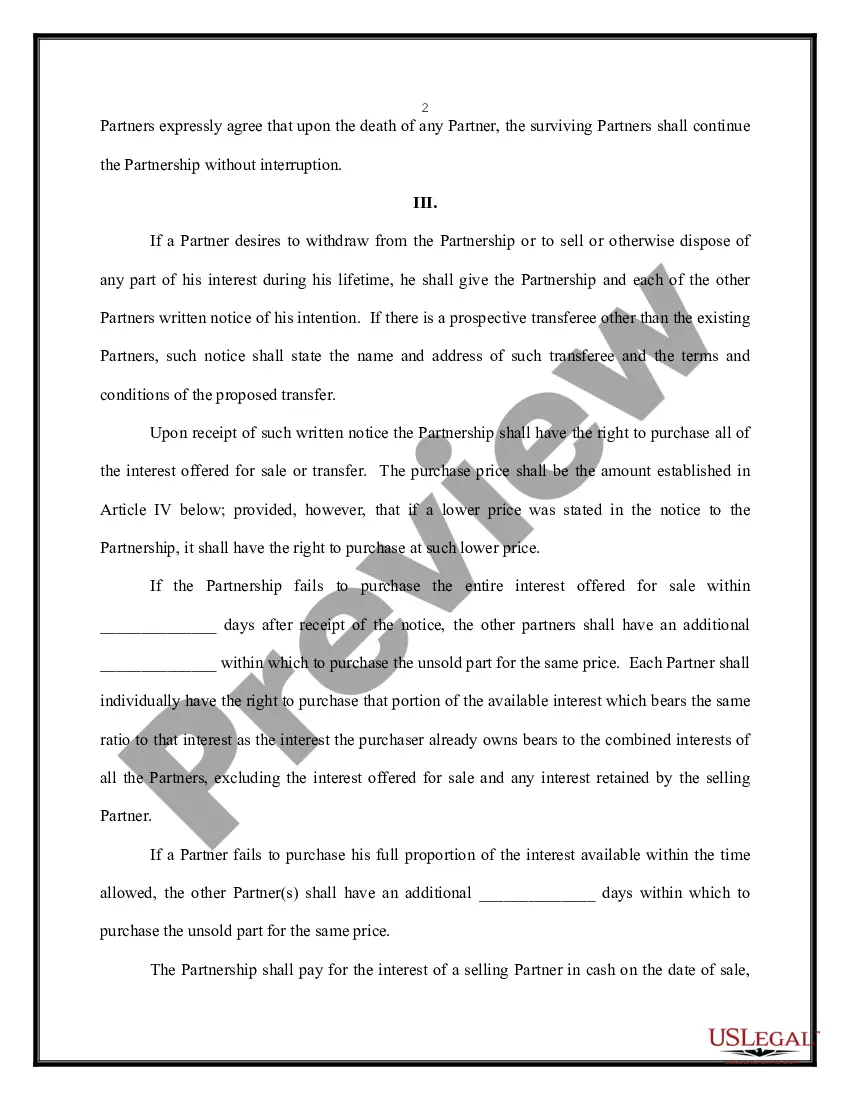
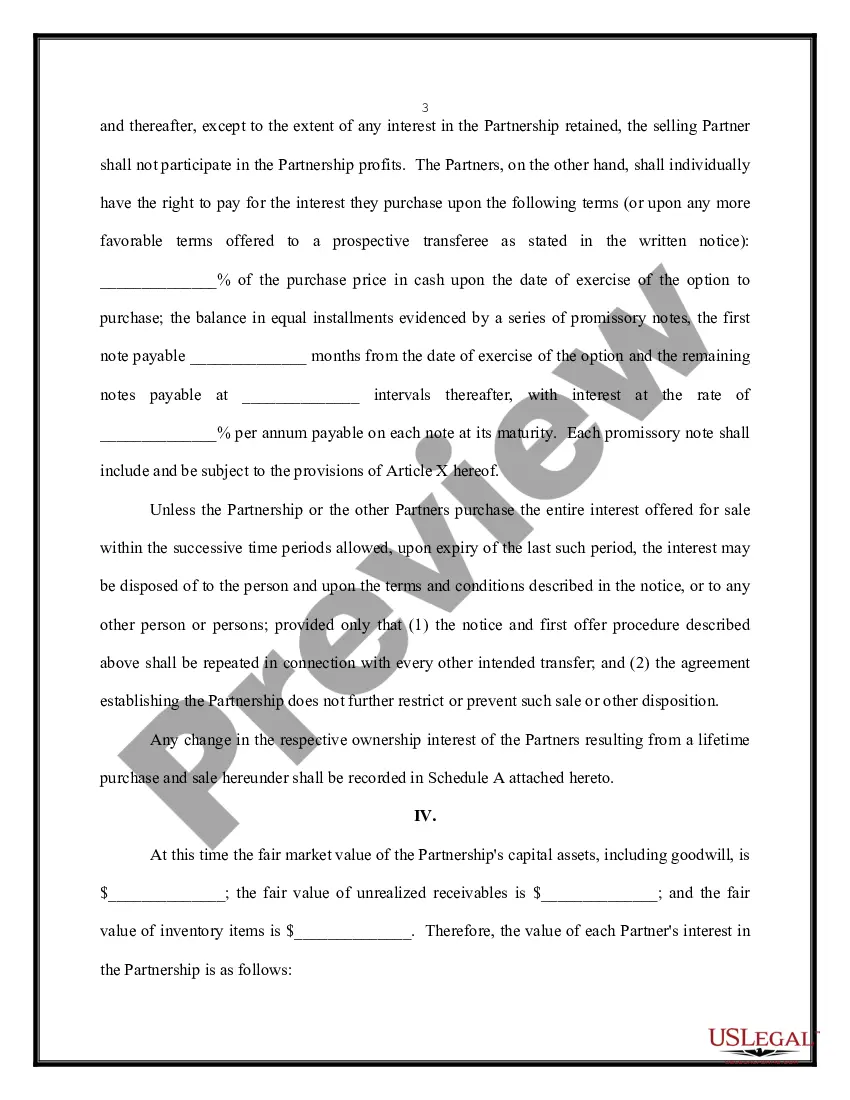
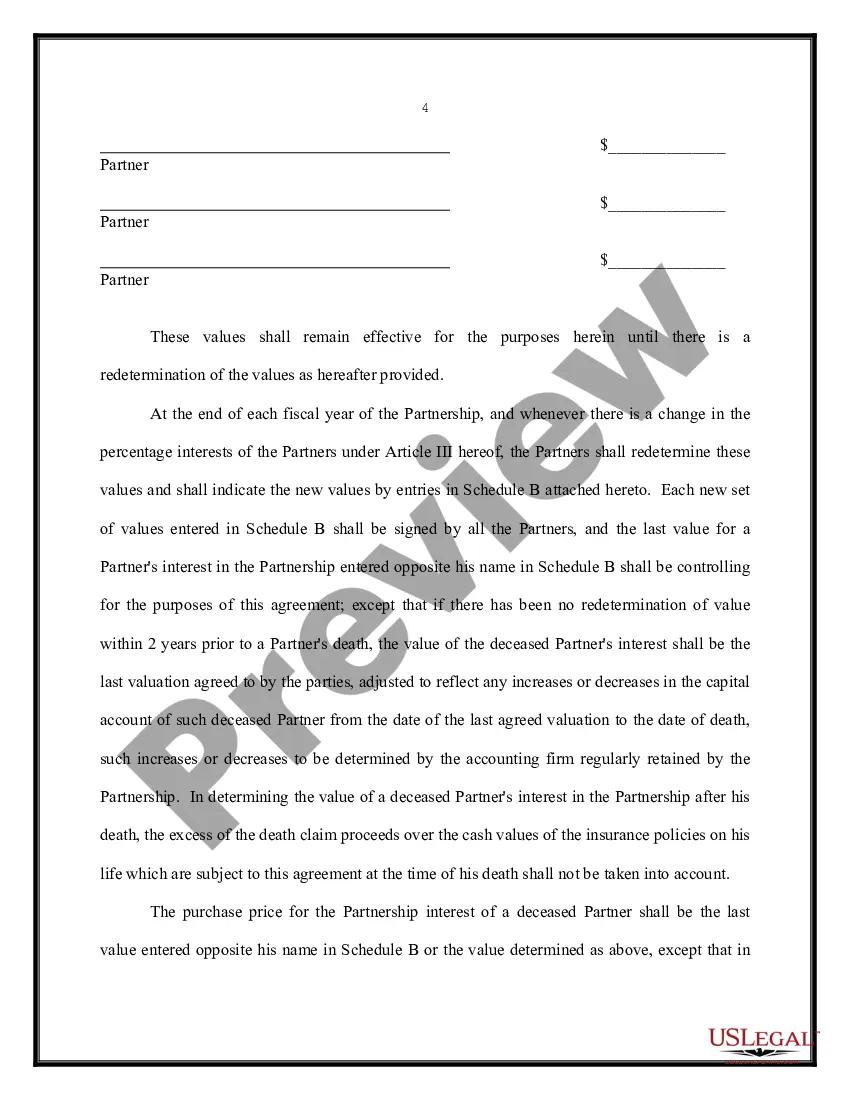
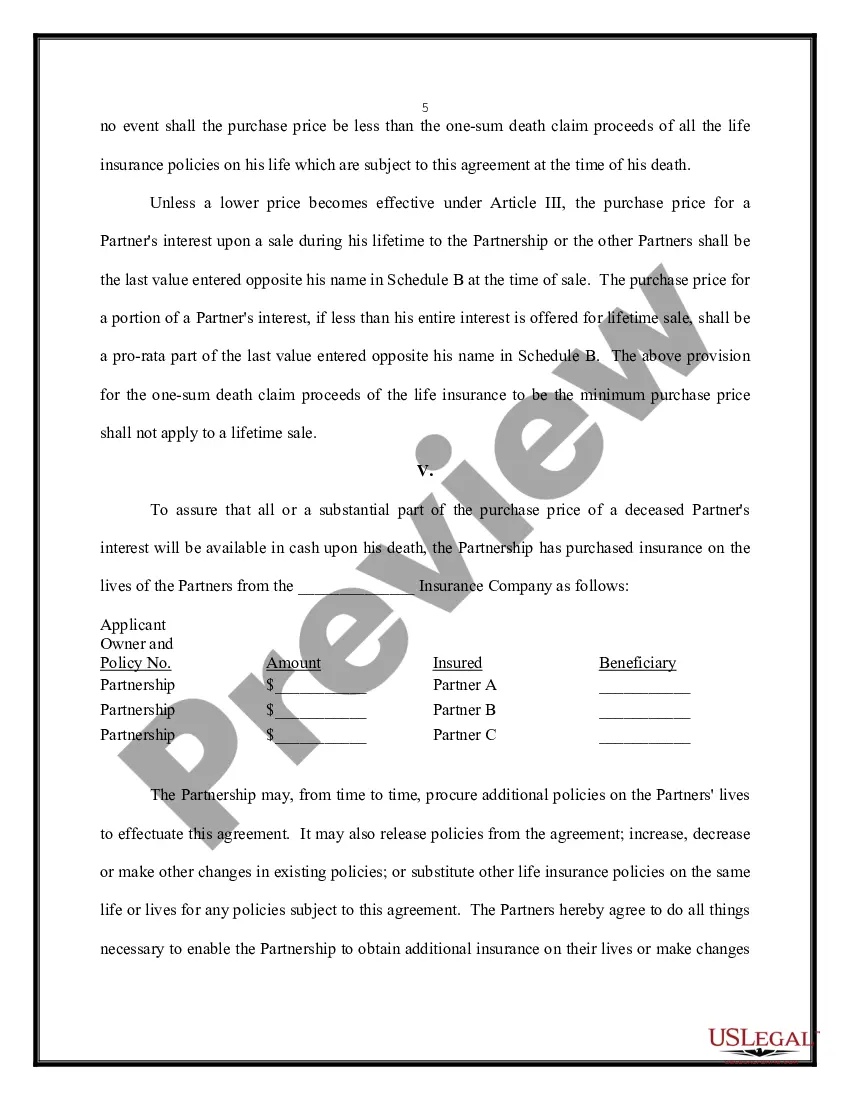


Get your form ready online
Our built-in tools help you complete, sign, share, and store your documents in one place.
Make edits, fill in missing information, and update formatting in US Legal Forms—just like you would in MS Word.
Download a copy, print it, send it by email, or mail it via USPS—whatever works best for your next step.
Sign and collect signatures with our SignNow integration. Send to multiple recipients, set reminders, and more. Go Premium to unlock E-Sign.
If this form requires notarization, complete it online through a secure video call—no need to meet a notary in person or wait for an appointment.
We protect your documents and personal data by following strict security and privacy standards.

Make edits, fill in missing information, and update formatting in US Legal Forms—just like you would in MS Word.

Download a copy, print it, send it by email, or mail it via USPS—whatever works best for your next step.

Sign and collect signatures with our SignNow integration. Send to multiple recipients, set reminders, and more. Go Premium to unlock E-Sign.

If this form requires notarization, complete it online through a secure video call—no need to meet a notary in person or wait for an appointment.

We protect your documents and personal data by following strict security and privacy standards.
Looking for another form?
Form popularity
FAQ
The dissolution of a firm involves the termination of a business entity with a legal personality independent of its owners. In contrast, the dissolution of a partnership involves the termination of a partnership agreement between partners.
The dissolution process involves settling the firm's debts, distributing assets among the partners, and completing necessary legal formalities. It marks the end of the firm's existence and requires compliance with specific legal procedures to avoid future liabilities.
Dissolving a partnership firm ends both the business and partner relationships, while dissolving a partnership only changes terms. Firms can dissolve by mutual agreement, compulsory reasons, specific contingencies, or court order.
When a partnership dissolves, the individuals involved are no longer partners in a legal sense, but the partnership continues until all debts are settled, the business is legally terminated and the remaining company assets are distributed. Read more about strategic partnerships.
Abrupt Dissolution A partnership firm would be dissolved due to the death or insolvency of a partner. Such an abrupt dissolution will hamper a business. On the other hand, the death of a partner will not automatically dissolve an LLP. Hence, continuity of business is maintained in a LLP.
Dissolving the Partnership If a partner's departure triggers an end to the partnership, the partners will need to follow a dissolution procedure. In this case, the partnership will settle its debts and distribute any remaining assets to the partners—including the withdrawing partner—ing to their capital accounts.
The dissolution of a partnership means a change of business relationship between partners whereas the dissolution of a firm means dissolving of the firm along with the relation between partners. In this case, all the assets and liabilities are settled and appropriately disposed.
How to Write a Partnership Agreement Define Partnership Structure. Outline Capital Contributions and Ownership. Detail Profit, Loss, and Distribution Arrangements. Set Decision-Making and Management Protocols. Plan for Changes and Contingencies. Include Legal Provisions and Finalize the Agreement.
The process of removing a partner from an LLP involves the following steps: Step 1: Check the Partnership Agreement. Step 2: Call a Meeting of Partners. Step 3: Pass a Resolution for Removal. Step 4: File Form 4 with the Registrar of Companies. Step 5: Update LLP Agreement.
The process of dissolving your partnership Discuss the terms and issues. Draft a dissolution agreement. Double-check the terms. Check your state's business laws. File a statement of dissolution with your state. Notify all of your customers, clients and suppliers directly. Divide the remaining assets.
